


**Dogs and cats living together** has long been described as a recipe for chaos, but with the right approach, **a peaceful multi-pet home is not only possible**—it can be surprisingly easy. Many families find that once the initial hurdles are managed, dogs and cats can coexist comfortably, and in some cases even become close companions.
This article, "Dogscats Dogs and Cats Living Together: 7 Easy Tips," looks at **simple, practical ways to help both species feel safe, respected, and relaxed** under the same roof. From setting up the environment correctly to managing first introductions and daily routines, these tips are designed for busy owners who want **straightforward guidance without complicated training programs**.
Readers will learn what to do before bringing a new pet home, how to **reduce stress for both animals**, and how to spot early signs that things are going well—or that adjustments are needed. With a bit of planning and consistency, **harmony between dogs and cats is well within reach**.
Can Dogs and Cats Really Live Together?

Many dogs and cats can live peacefully in the same home, but it is not automatic. Successful dog–cat households usually come down to three factors: temperament, management and time.
Some dogs have a strong prey drive and are triggered by fast movement; some cats are highly nervous and easily stressed. In those combinations, forcing close contact can be dangerous and unfair to both animals. In contrast, a calm, well-trained dog and a confident cat are often able to form a stable relationship and may even become close companions.
What most owners think of as “getting along” actually covers a spectrum:
- Coexisting: calm in the same room, but little interaction.
- Tolerating: occasional hissing or barking, but no real aggression.
- Bonding: playing, grooming or sleeping near each other.
The key is understanding that peaceful co‑living is usually possible, but it depends on careful introductions, realistic expectations and respect for each pet’s individual needs, which the following sections explain in detail.
Myth vs reality of dogs and cats as housemates
Many people picture instant chaos when they imagine dogs and cats living together: nonstop chasing, shredded furniture, and a terrified cat hiding under the bed. Popular sayings and movies often reinforce the idea that dogs and cats are “natural enemies” who can never peacefully share a home.
In reality, most dogs and cats can coexist calmly, and many become genuine companions. Conflict usually comes from poor introductions, unmanaged instincts, or stress, not from species alone. With gradual introductions, clear boundaries, and consistent training, many dog–cat pairs settle into a predictable routine where they mostly ignore each other or interact politely.
However, reality also means accepting limits. Not every pair will be best friends, and some animals may only ever be comfortable living in “parallel” — sharing a home but preferring distance. A few combinations are simply unsafe, for example if a dog has a very strong prey drive or a cat is extremely fearful.
The key difference between myth and reality is control. Careful management, patience and respect for each animal’s needs turn the stereotype of constant fighting into a stable, low‑stress household.
Personality matters more than breed
Most households find that individual temperament decides success far more than breed labels. A gentle, laid‑back terrier may coexist peacefully with a confident cat, while a high-strung retriever might struggle. Likewise, some famously “dog-friendly” cat breeds still dislike canine company, and many mixed‑breed cats cope beautifully.
Key traits that usually predict smoother cohabitation are:
- For dogs: lower prey drive, good impulse control, ability to relax indoors, and responsiveness to cues.
- For cats: confidence, curiosity, willingness to stand ground without escalating, and moderate sociability.
Breed tendencies can still guide expectations (herding and sighthound types, for example, may be more prone to chasing), but they should not be treated as guarantees. Assess the actual animal in front of you: age, history with other species, training level and current stress all matter.
When choosing a new companion, shelters and breeders can often describe an animal’s personality and past experience with other pets. Prioritizing temperament over appearance or breed stereotypes greatly increases the chances of long‑term harmony in a mixed dog–cat home.
Benefits of a mixed dog–cat household
A harmonious dog–cat household offers more than cute photo opportunities. When personalities are compatible and introductions are handled well, both animals and humans can benefit.
For the animals, living together can:
- Provide extra social interaction and companionship, especially when humans are out.
- Encourage more exercise and play, which can help manage weight and reduce boredom.
- Support emotional wellbeing; some pets become visibly calmer when they have a familiar animal friend nearby.
For the humans, a mixed household can:
- Create a more “lively” home environment, with different types of affection and play from each species.
- Make daily routines more efficient, because walks, feeding times and enrichment can be planned together.
- Offer more flexibility; for example, a dog that enjoys the cat’s company may cope better when left alone for short periods.
When dogs and cats genuinely get along, owners often see less problem behaviour overall, because energy is burned through play and stress is lowered through companionship. The key is safe management and patient introductions so the benefits can develop over time.
Before You Start: Is Your Home Ready?
Preparing the home environment is one of the most important steps before dogs and cats start living together. A well-planned layout reduces stress, prevents accidents and gives each animal a sense of control.
Check your home from a cat's and a dog's eye level
Walk through each room and ask whether both animals can feel safe there.
- Are there high perches, shelves or sturdy furniture where the cat can retreat and observe?
- Are there clear paths for the cat to escape without being cornered by the dog?
- Are there areas where the dog can relax without being surprised by a cat jumping close by?
Any narrow hallway, dead-end corner or crowded area can create tension, so rearranging furniture in advance can prevent future conflicts.
Separate key resources in advance
Before introductions start, physically separate the most important resources:
- Food and water bowls
- Litter trays
- Sleeping areas and key toys
Ideally, cat essentials should be placed in dog-free areas or behind barriers. A simple rule is: if the cat cannot easily get away, the dog should not have access there. Baby gates, closed doors and tall furniture can all help create clear, predictable zones.
Assessing your dog's prey drive and manners
A dog's prey drive and basic manners strongly influence how safely a dog and cat can share a home. Before any introductions, owners should honestly evaluate how the dog already behaves around fast movement, small animals and exciting situations.
Key questions include:
- Does the dog stare, stiffen, lunge or whine when seeing cats, squirrels or birds?
- Does the dog enjoy chasing anything that moves, even during play?
- Can the dog respond to cues such as leave it, come and stay when distracted?
- Does the dog jump up, bark excessively or guard toys and food around people or other dogs?
Strong, intense focus on small animals, repeated attempts to chase and ignoring cues even on leash suggest a high prey drive. In that case, introductions need to be slower, more controlled and possibly guided by a professional trainer.
By contrast, a dog that can relax on a mat, walk politely on leash and disengage from distractions is usually safer around a cat. Investing time in impulse-control games and reinforcing calm behavior before the cat appears greatly reduces risk and stress for both pets.
Assessing your cat's confidence and stress level
A cat that feels secure is far more likely to accept a dog as a roommate. A fearful cat is more prone to hiding, swatting, or even redirecting aggression, which can quickly sour first impressions. Before any introductions, it helps to understand whether the cat tends to be confident, cautious, or very anxious.
Look at the cat's everyday behaviour:
- Movement: Confident cats walk with tail up, explore new rooms and approach people; stressed cats creep low, slink along walls or hide for long periods.
- Appetite and grooming: Sudden changes in eating, overgrooming, or a dull coat can signal ongoing stress.
- Reaction to noise and visitors: A relaxed cat may watch from a distance or say hello; an anxious cat bolts, growls, or disappears under furniture.
A cat that hides most of the day, startles easily, or shows frequent hissing and swatting may need confidence-building before meeting a dog. Short daily play sessions, predictable routines, extra vertical space and quiet retreat areas can reduce stress. In cases of persistent anxiety, a vet or behaviourist can check for medical causes and suggest calming products or behaviour plans before any dog–cat introductions.
Health checks and safety basics for both pets
Before a dog and cat share a home, both animals should have a recent veterinary check-up. A vet can:
- Confirm vaccinations and parasite prevention are up to date
- Screen for pain or illness that could trigger aggression or irritability
- Discuss whether any medication or calming supplements are appropriate
Never skip health checks, especially for senior pets or animals with a history of behaviour problems.
Dogs and cats can pass parasites and some infections between species. Basic precautions include:
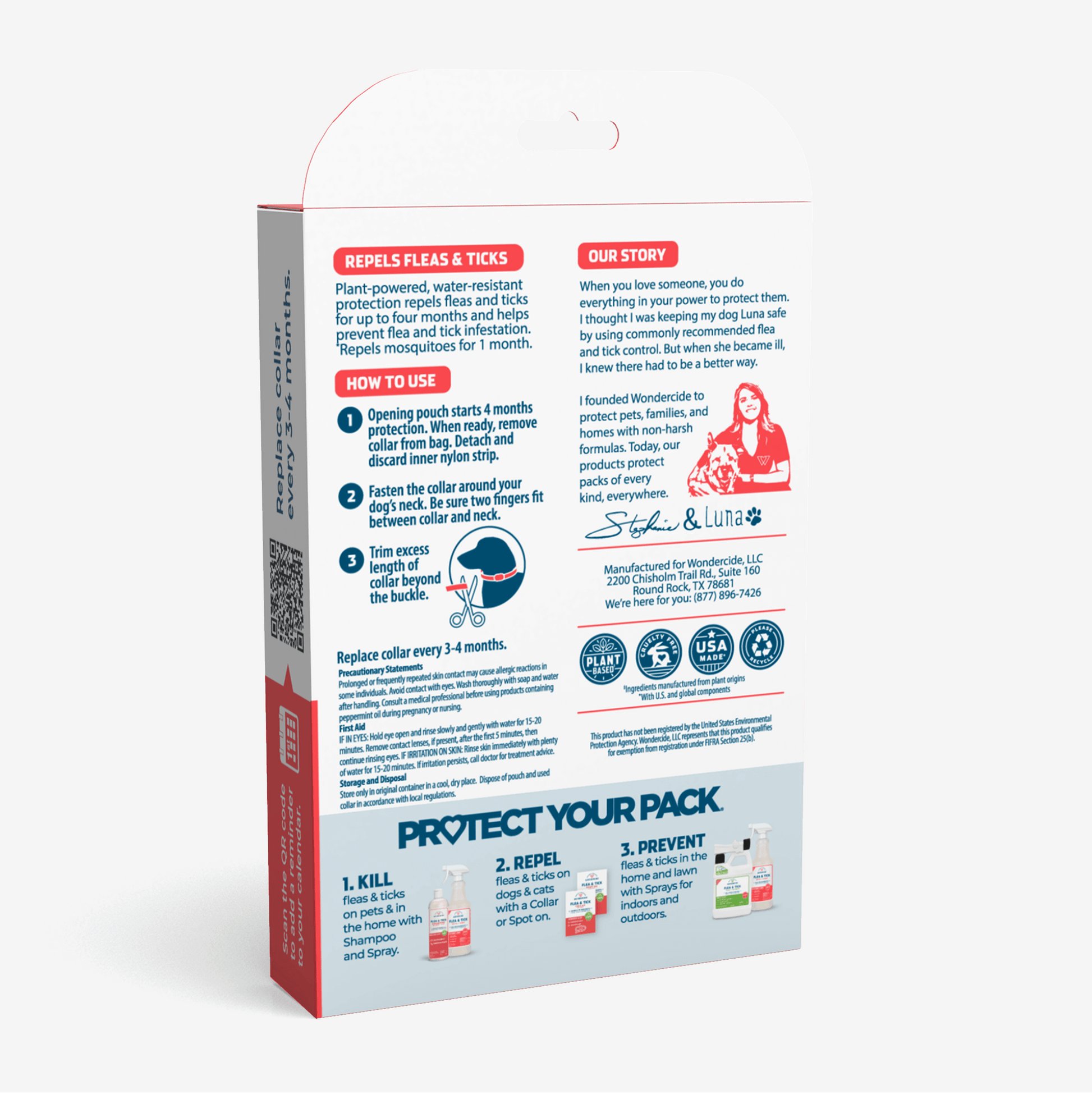
- Year-round flea, tick and worm control for both pets
- Regular litter box cleaning, with the box kept completely out of the dog's reach
- Washing hands after handling litter, food bowls or accidents
A shared home should be set up to prevent conflict and injury:
- Keep nails trimmed and consider soft nail caps for a cat that swats
- Use sturdy baby gates to separate spaces when needed
- Secure trash, medications and cleaning products from both pets
- Supervise all early interactions; avoid leaving new dog–cat pairs alone together
Planning for health and safety first makes later training and introductions far smoother.
7 Easy Tips to Help Dogs and Cats Live Together

Introducing dogs and cats successfully hinges on simple, consistent habits. The aim is not instant friendship, but calm coexistence that can slowly grow into trust.
For most households, seven practical steps make the biggest difference:
- Create separate safe zones so each pet has somewhere to retreat without being followed or cornered.
- Keep food, beds and litter trays separate to prevent resource guarding and to reduce tension around valuable items.
- Begin with scent introductions, not direct eye contact or physical meetings, so both animals can adjust gradually.
- Plan controlled first meetings on lead or behind barriers, keeping sessions short and ending on a calm note.
- Teach the dog reliable cues and reward calm behaviour around the cat to keep chasing and rough play under control.
- Monitor body language closely for early signs of fear, stress or overexcitement and pause interactions before conflict starts.
- Maintain predictable routines and individual attention, which lowers stress and helps both pets feel secure.
Used together and repeated daily, these small, easy habits give dogs and cats living together the best chance of a peaceful long‑term relationship.
Tip 1: Set Up Separate Safe Zones
A mixed dog–cat home feels safest when each animal has territory that belongs only to them. Before any introductions, plan where the cat can retreat and where the dog can relax without interruption.
Create at least two zones:
- Cat-only zone: A quiet room with the litter tray, food, water, scratching post and a cosy bed. Keep the door or a baby gate arranged so only the cat can access it.
- Dog-safe zone: A separate area with the dog’s bed, toys and water, where the dog is not bothered by the cat jumping on or over it.
At first, keep doors or barriers in place so the animals can hear and smell each other but cannot make direct contact. This reduces pressure and gives both pets time to adjust. Over time, the cat will learn there is always an escape option, and the dog will understand that calm behaviour in shared areas is rewarded, not forced interactions.
High places, hideaways and escape routes for cats
Cats feel safest when they can go up, hide, or get away from a situation, especially when sharing a home with a dog. Creating vertical territory and clear escape routes reduces the chance of conflict and helps a cat relax.
Aim to provide:
- High perches: Cat trees, sturdy bookshelves, window hammocks and the tops of wardrobes all work well. Ensure there is at least one safe perch in any room shared with the dog.
- Covered hideaways: Cardboard boxes with two exits, covered beds, or low shelves with curtains give the cat a place to retreat where the dog cannot follow.
- Dog-free routes: Arrange furniture so the cat can move around the room without crossing the dog’s direct path. Use sideboards, sofa backs or low shelves as a “cat highway.”
- Multiple exits: Avoid dead ends. A cat should always have at least two ways to leave a space if the dog approaches.
High spaces and escape routes allow the cat to observe the dog from a safe distance, which helps reduce fear, hissing and swatting while both pets adjust to each other.
Baby gates, crates and calm spaces for dogs
Calm spaces for dogs help prevent frustration and reduce chasing. A dog that can retreat and relax is less likely to fixate on the cat.
Baby gates are one of the easiest tools. Choose a sturdy gate with bars close enough together that the dog cannot squeeze through. For many homes, a gate with a small cat door works well: the cat can pass freely while the dog stays on the other side. Gates are especially useful for:
- Separating hallways or stairwells
- Blocking access to the cat’s room or litter area
- Creating a “no-dog zone” where the cat can walk without pressure
Crates and pens give the dog a secure area for resting and for calm, controlled interactions. The crate should never be used as punishment; it should be linked to chews, stuffed Kongs and naps. During early introductions, the dog can relax in a crate or pen while the cat moves around at a comfortable distance.
Every dog also needs a quiet corner away from traffic: a bed in a low-activity area, with clear rules that the cat is not encouraged to play on or invade when the dog is resting.
Tip 2: Don’t Make Them Share Food or Beds
Sharing resources is one of the fastest ways to create tension between dogs and cats. Even if both animals seem relaxed, forcing them to share bowls or beds can lead to silent stress, guarding, and sudden fights.
Each pet should have:
- Its own food and water bowls
- Its own bed or sleeping spot
- Its own scratching posts or chew items
Many dogs are natural scavengers and will happily finish a cat’s leftovers, while cats may feel threatened and stop eating if a dog hovers nearby. Separate equipment makes it clear that each animal has something that belongs only to them, which lowers anxiety and reduces competition.
Beds are also important territory. A dog lying in a cat’s favourite sleeping place, or a cat taking over a dog’s bed, can spark subtle conflict: staring, blocking access, growling, or swatting. Providing comfortable, separate resting areas helps both pets feel secure and makes it easier to guide them gently away from each other instead of arguing over one shared spot.
Separate feeding areas to prevent conflict
Why separate feeding spots matter
Shared food areas are one of the most common triggers for arguments between dogs and cats. Many dogs see any food as fair game, while many cats are naturally guarded around bowls. Protecting each pet’s space around food helps prevent guarding, growling, swatting and stealing before they start.
Aim for complete separation during mealtimes:
- Feed the cat in a raised location (counter, sturdy shelf or cat tree platform) where the dog cannot reach.
- Feed the dog on the floor in a consistent, low‑distraction area away from the cat’s route to the litter tray or hiding spots.
- Use baby gates, closed doors or playpens so neither pet can walk into the other’s feeding zone.
- Pick up leftover food within a few minutes to remove any reason for hovering or scavenging.
For very food‑motivated or anxious pets, consider microchip or RFID‑activated cat feeders so the dog cannot access the cat’s bowl. Over time, clear, separate feeding routines help both animals relax and reduce conflict around one of the most emotionally charged resources in the home.
Keeping beds, toys and litter trays off-limits
Keeping key resources separate helps prevent competition and protects both pets from unpleasant surprises.
Dogs should not have access to cat beds, cat trees or litter trays. Many dogs are drawn to cat scents, which can lead to:
- Harassing or disturbing a resting cat
- Stealing the cat’s warm bed
- Eating cat litter or faeces, which can be harmful
Aim to give each pet clearly defined, safe belongings:
- Beds: Place cat beds on elevated surfaces or in rooms gated off from the dog. Provide the dog with a comfortable bed in a quiet, low-traffic area.
- Toys: Keep high-value chews and toys separate to reduce guarding or possessiveness. Rotate toys so that play stays interesting without creating rivalry.
- Litter trays: Position trays in dog-free zones—behind baby gates, inside a room with a cat flap, or in a closet with a cat-sized opening.
Clear boundaries make it easier for both animals to relax. When dogs and cats know their own spaces and belongings are protected, they are far more likely to coexist calmly instead of competing.
Tip 3: Start With Scent, Not Face-to-Face
First impressions between dogs and cats should be made through scent, not through direct eye contact or physical proximity. Both species gather most of their information about new animals by smell, so allowing time to “meet” via scent first reduces surprises and keeps arousal levels lower.
Begin by keeping dog and cat fully separated by a solid door for several days. Let each animal listen, sniff under the door and become familiar with the other’s presence at a safe distance. If either pet is growling, barking frantically or refusing to eat near the door, introductions are moving too fast and distance or barriers should be increased.
Aim for short, calm sessions where:
- The dog is relaxed, not pawing or scratching at the barrier.
- The cat is curious enough to approach the door or walk past it.
- Both animals can eat treats or meals while they smell each other nearby.
Only when both pets consistently remain calm around the other’s scent should any visual introductions begin. Rushing to face-to-face contact often creates fear or chasing that is much harder to undo later.
Scent swapping and room rotations
Scent swapping and room rotations are gentle ways to introduce dogs and cats without the stress of staring, chasing or cornering.
Start with scent swapping for several days:
- Rub a clean cloth over the cat’s cheeks and head, then place it near the dog’s bed.
- Do the same with the dog’s scent and put the cloth near the cat’s safe zone.
- Rotate blankets, beds or toys between rooms so each animal regularly encounters the other’s smell in a calm setting.
Once both pets sniff the new scents without strong reactions (barking, hissing, hiding), add room rotations:
- Confine the dog to one area (using a crate, gate or closed door) and allow the cat to explore the dog’s usual space.
- Later, switch: secure the cat in its safe room and let the dog explore where the cat has been.
- Keep rotations short at first (5–15 minutes), gradually increasing as both animals stay relaxed.
Room rotations allow each pet to “meet” the other through smell and environment, so when a face-to-face meeting happens, the other animal already feels familiar rather than like a sudden intruder.
Using positive associations with smells
Turning exchanged scents into something positive
Scent swapping works best when each smell predicts good things. The goal is for both pets to think, “When I smell the other animal, nice stuff happens.”
Simple ways to build positive associations:
- Pair new smells with rewards. After placing a dog-scented item near the cat, immediately offer tasty treats, gentle play, or petting. Do the same for the dog with cat-scented items.
- Keep exposure short and sweet. Start with a few minutes, several times a day. Put the scented item away before either pet looks tense or walks off.
- Use calm, familiar locations. Present new smells in each pet’s safe zone where the animal already feels secure.
- Add soothing background cues. Soft music, pheromone diffusers, or a favorite blanket can help each animal relax while the new scent is present.
If either pet begins to stare, stiffen, growl, hiss, or avoid the area, reduce the intensity: move the scented item farther away, use a smaller item, or reward more frequently so the other animal’s smell stays linked to calm and comfort.
Tip 4: Plan Calm, Controlled First Meetings
First meetings set the tone for how dogs and cats will feel about each other long term. The goal is not instant friendship, but a short, calm interaction that ends on a positive note.
Start with the dog on a lead and the cat free to move away. Choose a quiet room where both pets have already relaxed separately and where the cat has at least one high escape option. Keep the session very short, around 2–5 minutes.
Focus on rewarding only calm behaviour. Give the dog treats for looking away from the cat, sniffing the floor, or lying down. Offer the cat high-value rewards or gentle praise if the cat chooses to stay in the room or investigate.
Keep distance generous at first. If either animal stiffens, stares, growls, hisses, or tries to lunge, calmly increase the distance or place a barrier such as a baby gate between them. End the meeting while both pets are still relatively relaxed, then separate them for a break so each one can decompress.
Several calm, controlled mini-meetings over a few days are usually far more effective than one long, stressful encounter.
How to handle the very first introduction
The very first face‑to‑face meeting should be short, structured and as boring as possible for both pets.
-
Set the scene
Keep the cat in a safe zone with an easy escape route (high shelf, cat tree, or doorway to a cat-only room). Put the dog on a short leash and use a harness if available for better control. Have high‑value treats ready for both animals. -
Let them see, not swarm
Allow the dog to enter first, then have the cat appear at a comfortable distance. Avoid carrying the cat into the room; a cat that chooses to approach usually feels safer. Do not force either animal to move closer. -
Reward calm, end on a good note
Mark and reward any calm behaviour: sniffing the air, looking away, sitting or lying down. If the dog fixates or the cat hisses, quietly increase distance and feed treats until both relax, then separate them. Keep the first session to just a few minutes and repeat later rather than pushing for fast progress.
When and how to increase their freedom
Reading the first meetings
Before increasing freedom, observe several short, calm sessions in a row. The dog should be on lead, able to look at the cat and then disengage, and respond reliably to cues like "leave it" or "come." The cat should be moving around the room, grooming, or resting without constant staring, puffed fur, or hiding.
If either pet shows intense staring, lunging, swatting, or growling, keep sessions brief, increase distance, and return to more scent-based introductions and barriers.
Gradually giving more space
Increase freedom in small, planned steps rather than allowing full access immediately:
- Long leash sessions: Let the dog drag a lightweight leash while humans supervise closely. The cat remains free to move and access high escape points.
- Barrier time: Use baby gates with a small gap so both animals can see each other while choosing how close to get.
- Short off-leash trials: Once both pets stay relaxed with a dragging leash, try very short off-leash time, still supervised, in a neutral room.
- Expanding rooms: Add access to other rooms one at a time, maintaining safe zones for the cat and calm spaces for the dog.
Only move to the next step when both dog and cat stay relaxed at the current level for several days.
Tip 5: Train Your Dog Around the Cat
Training is usually more important for the dog than for the cat. A well-trained dog is the main safety net when dogs and cats live together.
Begin sessions when the cat is present but protected, for example behind a baby gate or on a high surface. Keep the dog on a lead. The goal is for the dog to learn that the cat is part of normal life, not something to chase or fixate on.
Work in very short sessions (2–5 minutes) and focus on three things:
- Attention on the owner – frequently ask for eye contact and reward generously so the dog learns to look away from the cat and back to the human.
- Self-control around movement – if the cat moves, calmly redirect the dog with a cue or a treat, before any lunge or chase starts.
- Calm behaviour – reinforce lying down, slow breathing and a loose body whenever the cat is nearby.
If the dog becomes overly excited, end the interaction before things escalate, increase distance and try again later at an easier level.
Essential cues: leave it, stay, settle
Teaching a few reliable cues gives the dog clear rules around the cat and prevents instinct from taking over. The most helpful are “leave it”, “stay” and “settle”.
Teaching “leave it” around the cat
“Leave it” tells the dog to disengage from whatever is interesting – in this case, the cat.
- Start without the cat present. Use a boring object, say “leave it”, and reward the dog as soon as the dog looks away.
- Gradually use higher-value items, always paying for eye contact away from the distraction.
- When the dog responds quickly, introduce the cat at a distance on leash or behind a gate. The second the dog notices the cat, calmly say “leave it” and reward any head turn or step away.
Using “stay” and “settle” for self‑control
- Stay: Ask for a sit or down, say “stay”, and reward short holds. Slowly increase duration, then add the cat at a distance. A strong stay prevents lunging or chasing.
- Settle: Teach the dog to relax on a mat or bed on cue. Pair the mat with calm rewards, then move it where the cat may walk past. The goal is a dog that chooses to lie quietly while the cat moves around.
Practise in very short sessions and end while both animals are still calm. Frequent, easy wins build automatic calm behaviour whenever the cat appears.
Rewarding calm, ignoring overexcitement
Rewarding calm behaviour teaches the dog exactly how to act around the cat. Overexcitement should be treated as a mistake to ignore and redirect, not something to punish.
How to reward calm around the cat
Aim to catch the dog being relaxed, even for a second, and pay generously:
- Give small, tasty treats when the dog looks away from the cat, lies down, or keeps a loose body.
- Pair calm behaviour with quiet praise and gentle strokes if the dog enjoys touch.
- Use a cue such as “good calm” so the dog starts to link the word with relaxed behaviour near the cat.
Frequent, short sessions work best. The goal is for the dog to learn that calm near the cat always makes good things happen.
How to handle overexcitement
When the dog fixates, whines, jumps or lunges:
- Avoid shouting; strong reactions can accidentally reward the behaviour.
- Silently guide the dog away, ask for a simple cue (sit or settle), and reward once calmer.
- If the dog cannot calm down, increase distance or add a barrier and end the interaction.
Over time, consistent reward for calm, no payoff for chaos helps the dog choose self-control around the cat.
Tip 6: Watch Their Body Language Closely
Reading dog and cat body language early prevents most conflicts. Small changes often matter more than dramatic signals, so it helps to slow down and really observe.
Pay attention to:
- Posture and movement – A loose, wiggly dog and a cat walking normally are usually relaxed. A stiff, frozen body or very slow, stalking movement suggests tension.
- Ears, eyes and tail – Pinned-back ears, wide eyes with dilated pupils, or a tightly tucked or rapidly twitching tail usually indicate stress or overarousal in either species.
- Vocal sounds – Low growls, repeated sharp barks, yowling or hissing are all clear signs that interaction needs to pause.
- Approach and retreat – A healthy interaction has back-and-forth: one pet approaches, the other chooses to stay or leave. If one animal repeatedly tries to escape while the other keeps following, supervision and more distance are needed.
Whenever unsure, err on the side of caution: calmly separate the pets, give each a chance to settle in a safe space, and resume only when both look relaxed again.
Signs your dog is stressed or too focused
Key signs your dog is stressed
A stressed dog around a cat is more likely to snap, chase or guard. Interrupt the interaction and give the dog space if any of the following appear:
- Repeated lip-licking, yawning or sudden scratching when the cat is near
- Panting or drooling in a cool room
- Stiff body, tail held high and tight, ears pinned back or very forward
- Avoiding eye contact, turning the head away, trying to leave
- Whining, pacing or unable to settle on a bed or mat
If stress signs show up often, shorten meetings and give more distance, barriers and calm activities (sniff walks, chew toys).
When “interest” becomes unsafe focus
Curiosity is normal, but locked-on focus can tip into prey drive. Watch for:
- Freezing and staring at the cat without blinking
- Closed mouth, slow stalking steps
- Tail straight, body leaning forward, weight over front feet
- Ignoring known cues like "leave it" or "come" when the cat moves
- Sudden lunges or explosive barking when the cat runs or jumps
If any of these appear, calmly remove the dog, use a barrier, and practice cues at a greater distance before trying closer contact again.
Signs your cat is scared, annoyed or relaxed
Reading a cat’s signals correctly prevents many dog–cat clashes. Look at the whole body, not just the tail.
Signs a cat is scared
A frightened cat needs space and protection from the dog.
- Body low to the ground, crouching or trying to make the body small
- Ears flattened sideways or back
- Tail tucked tightly around the body or held low and puffed up
- Wide pupils, lots of eye white, rapid blinking
- Hissing, growling, spitting, swatting or rapid tail lashing
When several of these appear together, separate the pets calmly and give the cat a safe, high place.
Signs a cat is annoyed or overstimulated
An irritated cat may lash out if the dog keeps pushing.
- Tail twitching or thumping at the tip
- Skin rippling along the back
- Sudden freeze during petting or interaction
- Hard stare at the dog, ears turning sideways
At this point, gently end contact and redirect the dog.
Signs a cat is relaxed around the dog
A comfortable cat shows loose, open body language:
- Normal‑sized pupils, slow blinks, soft facial muscles
- Ears facing forward or casually to the side
- Tail held at mid-height or upright with a soft curve
- Grooming, kneading, stretching, eating or even napping in the dog’s presence
Relaxed, everyday behaviour near the dog is one of the best signs the relationship is heading in a good direction.
Tip 7: Keep Routines, Patience and One-on-One Time
Keeping routines steady is one of the simplest ways to help both pets relax. Aim to keep feeding times, walks, play sessions and bedtime as regular as possible. When daily life feels predictable, dogs are less likely to become overexcited and cats are less likely to hide or lash out.
Changes should be introduced gradually. New rules, new access to rooms, or longer shared time need to increase in small, manageable steps. If either pet regresses or seems more tense, move back to the last stage where both were calm and try again more slowly.
Patience is essential. Many dog–cat pairs take weeks or even months to feel comfortable together, and pushing faster often backfires.
Individual attention also matters:
- Short daily one-on-one play with the cat in a dog-free space
- Separate walks, training and cuddle time for the dog
Dedicated time with each pet reassures them that the relationship with the human family is secure, which makes it easier for them to accept each other.
Maintaining predictability to reduce stress
Predictability is one of the easiest ways to lower stress for both dogs and cats in a shared home. Sudden changes in schedules, loud surprises or inconsistent rules make many animals anxious, which can quickly spill over into tension between them.
Aim to keep the daily pattern as similar as possible:
- Feed at roughly the same times every day.
- Walk and play with the dog on a regular schedule.
- Schedule quiet, undisturbed times for the cat (especially for naps and nighttime).
- Keep rules consistent – for example, if the dog is not allowed to chase the cat on Monday, the same applies on Saturday.
When changes are unavoidable (new job hours, guests staying over, moving furniture), help both pets cope by:
- Introducing changes gradually where possible.
- Giving extra calm activities: food puzzles, chew toys, gentle play.
- Maintaining familiar "anchors" such as the same bedtime routine or pre-walk ritual.
Over time, steady patterns teach both pets what to expect from each other and from the household, which reduces startle reactions, defensive behavior and many minor conflicts.
Giving each pet individual attention
Each pet needs regular one‑on‑one time with the owner to feel secure, valued and relaxed around the other animal. Shared play is useful, but individual attention prevents rivalry and helps both pets cope with change.
Aim for short, predictable daily sessions with each pet:
- Dog-only time: walks, training practice, sniff games or gentle grooming in a dog-safe area, away from the cat.
- Cat-only time: quiet interactive play (wand toys, chase games), lap time or brushing in a high, calm space where the dog cannot intrude.
During these sessions, remove the other pet from the area with a gate, closed door or settled on a bed with a chew. The goal is for each animal to enjoy undivided attention without having to compete.
Over time, individual bonding pays off:
- Confident pets are less likely to guard people or resources.
- Both animals have a safe outlet for energy and affection.
- The owner can spot early changes in mood or health more easily.
When each pet’s emotional “cup” is full, living together becomes far more peaceful.
How to Tell If Your Dog and Cat Are Getting Along
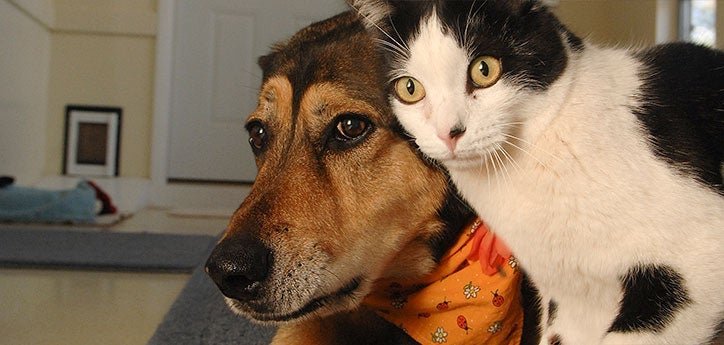
When dogs and cats share a home, harmony does not always look like cuddling. Early on, calm tolerance is a very positive sign.
Look for:
- Relaxed body language around each other – loose posture, soft eyes, normal breathing, tails in a natural position.
- Choosing to be in the same room even when there is no food or human attention involved.
- Ignoring or brief sniffing, then moving on instead of fixating on each other.
- Quiet coexistence during routines such as feeding times, TV time or bedtime, without staring, growling or hissing.
- Playful invitations from either pet, like a play-bow from the dog or a sideways hop from the cat, where both quickly return to relaxed behavior.
A useful rule: if both animals can settle or sleep while the other is nearby, they are generally coping well. Concern is more appropriate when one pet cannot relax, constantly watches the other, or needs to be separated to stay calm.
Positive signs of a growing friendship
Once introductions have been made, subtle changes in daily behaviour usually show whether a real friendship is forming.
Look for patterns like:
- Relaxed body language near each other – loose muscles, soft eyes, slow blinking in cats, and a gently wagging tail in dogs indicate comfort, not tension.
- Choosing to be in the same room – both pets settle nearby without being forced, such as napping on the same sofa or following each other from room to room.
- Calm, mutual sniffing – brief nose‑to‑nose greetings, sniffing each other's sides or tails, then walking away without chasing or swatting.
- Play that has frequent pauses – gentle chases, batting or bowing where both animals take turns, pause easily, and can be called away without a struggle.
- Sharing routines peacefully – walking past each other's bowls, beds or litter area without guarding, freezing or staring.
- Mild "sibling" interactions – occasional meows, snorts or gentle paw taps that end quickly and do not escalate.
When friendly signals outweigh tense moments over several days or weeks, the relationship is usually on the right track.
Warning signs things are not working yet
Some tension is normal at first, but persistent or escalating conflict suggests the dog and cat are not ready to share space safely yet. Warning signs include:
- Repeated chasing, especially if the dog ignores cues, treats, or commands and fixates on the cat.
- Hard staring or stalking from either animal, with a stiff body and slow, intense movements.
- Hissing, growling, spitting or yowling from the cat whenever the dog appears.
- Raised hackles, lunging or snapping from the dog, even on lead or behind a barrier.
- The cat refusing to come down from high places, not using the litter tray, or hiding for long periods.
- Guarding behaviour around food, beds, toys or people, such as freezing, staring, growling or swatting.
If any of the following occur, separate the animals immediately and pause introductions:
- Injuries, even minor bites or scratches
- Full-speed chasing that corners the cat
- Repeated attempts by the dog to break barriers to reach the cat
At this stage, a slower plan and, in many cases, guidance from a qualified trainer or behaviourist are recommended before continuing.
Troubleshooting Common Dog–Cat Problems

Quick first steps when peace breaks down
When dogs and cats begin to growl, chase or hide, the priority is safety and lowering arousal. Separate the animals calmly using gates or doors, avoid yelling, and give each pet time to decompress in its own space.
Once everyone is safe, identify the trigger:
- Was it food, toys or a lap?
- A sudden movement, loud noise or visitor?
- An invasion of the cat's safe zone?
Reducing the trigger (for example, feeding separately or keeping toys picked up) often stops repeat conflicts.
Simple strategies that help most problems
Many common dog–cat clashes improve with a few consistent rules:
- Reinforce calm only. Reward both animals with treats or praise only when they are relaxed around each other.
- Use management tools: baby gates, high perches, crates and closed doors to prevent rehearsing bad habits.
- Keep interactions short and positive, then separate before either pet becomes tense.
- Return to earlier introduction steps if conflicts increase, as if they are "starting over" at a slower pace.
If incidents escalate in intensity or frequency, or if either pet shows signs of injury or severe fear, pause free contact completely and plan to consult a qualified behaviour professional.
Managing chasing, barking and overexcited dogs
Many dogs are not being mean when they chase or bark at cats. Excited behaviour is often driven by natural prey drive (especially in herding, terrier or sighthound types), lack of impulse control around small, fast-moving animals, or boredom and wanting to play, even if the cat finds it terrifying.
The key question is whether the dog can stop when asked and redirect to the owner. If the dog seems "locked on" to the cat, stiff, staring, and ignores cues, the situation is unsafe and needs careful management.
Use a combination of management and training so the dog cannot rehearse chasing:
- Prevent access: use baby gates, leashes indoors and closed doors to stop sudden chases.
- Interrupt early: at the first sign of fixation (staring, stalking, tense body), call the dog away and reward with treats or play.
- Teach calm behaviours: regularly practice cues such as leave it, stay and a relaxed settle on a mat away from the cat.
- Burn off energy: increase walks, sniffing games and training sessions so the dog is not overcharged at home.
If the dog continues to lunge, bark or cannot disengage from the cat, in-person support from a qualified trainer or behaviourist is essential for safety.
Addressing swatting, hiding and hissing cats
Swatting, hiding and hissing are warning signals, not signs of a "mean" cat. Most cats react this way when they feel cornered, chased or overwhelmed by a new dog. Common triggers include sudden close contact or looming over the cat, a dog staring, lunging or blocking escape routes, and no safe high places or quiet room to retreat to.
When a cat cannot increase distance, it escalates from freezing → growling/hissing → swatting and, in extreme cases, biting.
The priority is to protect the cat's sense of control while keeping everyone safe:
- Interrupt calmly: Call the dog away and reward for moving off; do not punish either pet.
- Increase distance: Separate with a baby gate or door and allow a cool‑down period.
- Give the cat height and hiding: Cat trees, shelves, boxes and a dog‑free room reduce fear.
- Slow the process: Go back to scent swapping and very short, controlled visual contact.
- Watch for stress signs: Dilated pupils, flattened ears, fast breathing or persistent hiding mean the cat needs slower introductions and possibly more vertical space or pheromone support.
If hissing and swatting intensify over several days, pause all free interaction and rebuild trust with very brief, positive, dog-at-a-distance sessions.
When to get help from a trainer or behaviourist
Professional help is important when safety, welfare or progress are at risk. Do not delay in contacting a qualified trainer or behaviourist if any of the following appear:
- The dog has tried to bite, grab or pin the cat, even once.
- The cat has caused injury to the dog (deep scratches to eyes, nose or face).
- One or both pets are so frightened they hide, shake, refuse to eat or use the litter tray.
- Chasing, stalking, barking or swatting is getting worse, not better, over several days or weeks.
- Barriers or management fail because one pet constantly tries to break through.
- The situation feels overwhelming or arguments in the household are increasing.
Aim for force‑free, reward‑based support only. Helpful options include:
- Veterinarian – to rule out pain or illness that may drive aggression or irritability.
- Veterinary behaviourist – ideal for serious aggression, fear or anxiety problems.
- Certified dog trainer or behaviour consultant – experienced with dog–cat cases.
Look for formal credentials, insurance, and methods that avoid punishment, alpha theories or tools such as shock collars. Effective help should focus on safety plans, gradual behaviour change and clear guidance tailored to each pet.
Living With Dogs and Cats Together Long-Term
Long-term harmony between dogs and cats is less about a perfect start and more about daily management. Even pets that get along well can fall out if boundaries slip or needs are ignored.
Aim to keep the following principles in mind long-term:
- Protect individual spaces permanently, not just during introductions. High perches, quiet rooms and safe dog-free areas for the cat, plus a retreat zone or crate for the dog, should remain available for life.
- Keep core resources separate. To prevent tension, continue with different feeding spots, separate beds and private litter tray areas, even if both pets seem friendly.
- Prioritise routine. Fairly fixed times for meals, walks, play and quiet periods reduce uncertainty and stress for both animals.
- Supervise key flashpoints, such as doorbells, visitors, children playing and high-energy zoomies, when excitement can trigger chasing or swatting.
- Review behaviour regularly. Small changes – a cat hiding more or a dog staring at the cat more often – can be early signs that stress is building.
By treating peaceful coexistence as an ongoing project, owners can prevent minor annoyances turning into full conflicts and keep both animals feeling safe over the long term.
House rules that keep the peace
Clear, consistent house rules help dogs and cats relax because they know what to expect. Agree the rules with every human in the home and stick to them every day.
Consider putting the following core rules in place:
- No chasing, ever. Interrupt and redirect at the first sign of chasing, stalking or intense staring.
- Cat zones are off-limits to the dog. Use baby gates or closed doors for cat food, litter and high resting spots.
- Dog resting spots are not for the cat. Prevent bed-stealing so the dog has somewhere to fully switch off.
- No sharing of bowls, toys or litter trays. Each animal keeps its own resources to avoid subtle guarding or tension.
- Supervised play only. End interactions before either pet becomes overexcited or annoyed.
- Quiet hours. Reserve certain times of day for calm only: no rough play, visitors or training near the cat.
Keep rules simple and visual: use baby gates, closed doors and clear locations for beds and bowls. Brief visitors and children in advance so nobody accidentally rewards chasing, rough play or pestering. Over time, well-enforced rules become habits that keep the peace with very little effort.
Managing changes: new pets, babies and moves
Major changes such as new pets, babies or house moves often unsettle even well-adjusted dogs and cats. Tension can resurface temporarily: more barking, hiding, hissing or marking. Plan for a short-term regression instead of assuming the relationship has "failed".
Focus on three basics during any transition:
- Protect safe zones for both pets and keep dog–free cat routes intact.
- Stick to feeding, walk and play schedules as closely as possible.
- Supervise more, freedom less until behaviour is calm and predictable again.
For new pets, repeat slow introductions: scent swapping, barriers, short calm meetings and separate resources. For babies, pair baby sounds and smells with good things (treats, play) well before direct contact. Keep the dog on lead around the baby at first and ensure the cat has elevated retreats away from grabby hands. Never force interaction; allow both animals to choose distance.
Before moving day, set up a "quiet room" in the new home with familiar beds, blankets and litter trays. Keep the cat confined to this room initially, then expand access slowly. Use the dog's crate or pen to prevent excited exploring from overwhelming the cat.
If either pet shows prolonged stress (refusing food, constant hiding, persistent aggression), consult a vet and, if needed, a behaviour professional for extra support.
Summary: A Peaceful Dog–Cat Home Is Possible

A home shared by dogs and cats does not need to feel like a battlefield. With realistic expectations, slow introductions and consistent boundaries, most dogs and cats can learn to coexist calmly—and many will build genuine friendships over time.
Success usually comes down to a few core principles:
- Match personalities, not just species or breeds. A gentle, laid‑back dog is more likely to get along with a confident, tolerant cat.
- Protect both pets’ sense of safety. Separate resources, escape routes for the cat and clear rules for the dog reduce conflict.
- Prioritize training and supervision. Reliable cues for the dog and careful monitoring allow positive experiences to build up.
- Respect individual pace. Some pairs relax in weeks; others need months. Forcing contact often backfires.
In some cases, even careful management is not enough. Persistent fear, escalating aggression or serious stress for either animal are strong indicators that a professional trainer or behaviourist is needed—and in rare situations, permanent separation may be kindest.
For most households, however, patient, structured steps lead to a stable routine where barking, chasing and hissing give way to peaceful parallel living, shared naps and a much richer home life for everyone.
This article explains how dogs and cats can successfully live together and shows that **personality and preparation matter more than breed or popular myths**. It highlights the benefits of a mixed dog–cat household, from companionship and entertainment to better socialization for both pets, while stressing the importance of assessing each animal's temperament, prey drive, confidence, and stress levels before introducing them.
Readers are guided through essential preparation steps, including health checks, safety measures, and setting up the home so both pets feel secure. The core of the article is **seven practical tips**: creating separate safe zones, keeping food and beds separate, starting introductions with scent rather than sight, planning calm first meetings, training the dog around the cat, closely watching body language, and maintaining predictable routines with dedicated one-on-one time for each pet.
The article also covers how to recognize whether the dog and cat are truly getting along, early warning signs of trouble, and solutions for common issues like chasing, barking, swatting, and hiding. It advises when to consult a trainer or behaviourist and offers long-term strategies for keeping the peace, even through life changes such as new pets, babies, or moving house. **The key takeaway is that with patience, structure, and thoughtful management, a peaceful, happy dog–cat household is an achievable goal**.









![[Shiba Inu] Why does he get angry when you touch his food bowl? Here are the reasons and three solutions](https://with-my-dog.com/wp-content/uploads/2022/07/image2-15-150x150.jpg)








![[Baby dog allergies] Precautions and benefits](https://with-my-dog.com/wp-content/uploads/2022/07/image8-12-300x300.jpg)