
Characteristics of dog colds. Can they be transmitted to humans? Explaining prevention methods


"Do dogs catch colds like humans do?"
"If they do, what symptoms are there to indicate a cold?"
"Can colds be transmitted to humans, or vice versa?"
There are many questions to ask.
We want our beloved family members, our dogs, to always be healthy.
For those of you with questions like these, we'll explain Can dogs catch colds and how to prevent them?
Characteristics of colds in dogs
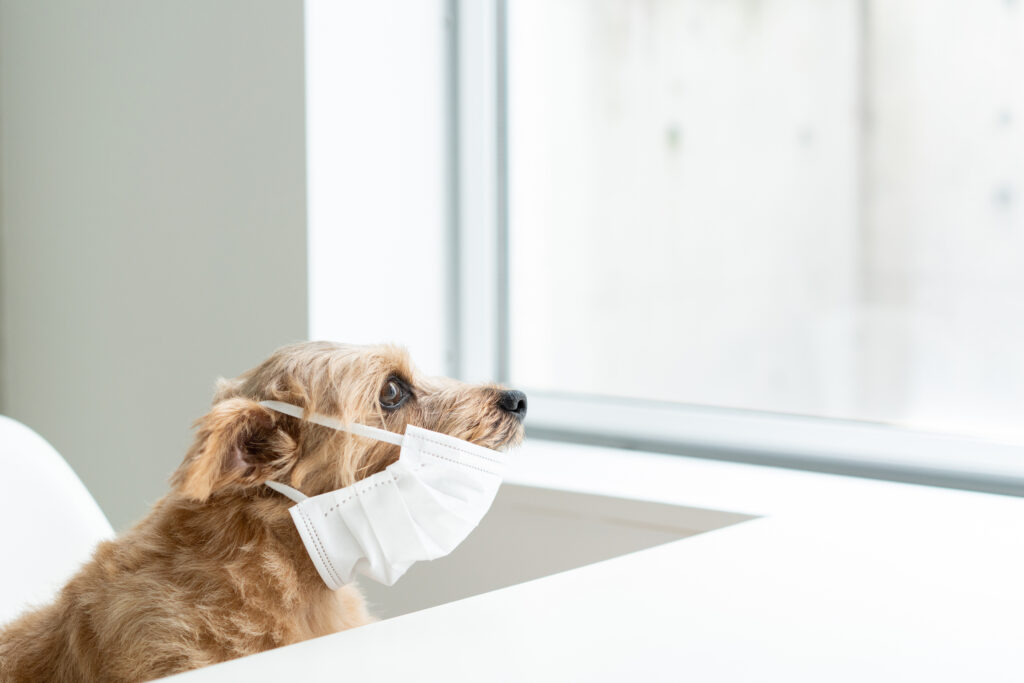
Common Cold Symptoms
What we call a "cold" is not an official medical term. It simply refers to a collection of infections caused by viruses or bacteria; there is no such thing as a cold.
The same concept applies to humans catching a cold.
Symptoms are not very different from those of a human cold.
Common cold symptoms are as follows:
- Coughing and sneezing
- Runny nose
- Fever
- Diarrhea
- Loss of appetite
- Vomiting, etc.
It's not much different from a human cold. The most common symptom is probably coughing.
Coughing and Nausea
A cough in dogs is a respiratory disease called "kennel cough." Kennel cough is highly contagious and spreads through coughing and sneezing in places where many dogs gather. Kennel cough is the most common cold in dogs.
A dog's cough differs from a human's in that it sounds like they're trying to expel something stuck in the back of their throat. For this reason, it can be difficult to tell if they're coughing or nauseating.
Symptoms of nausea are similar to the stomach flu in humans. In any case, if you notice anything unusual, consult your veterinarian.
Sneezing and Runny Nose
Sneezing is often accompanied by a runny nose, and in the case of a bacterial cold, the runny nose can be thick and sticky.
If your nose becomes blocked by a runny nose, you may lose your sense of smell, which can lead to loss of appetite, so you need to be careful.
Fever can also cause loss of appetite.
A lack of appetite can weaken the body and slow down recovery, so it's important to be careful.
Fever
Dogs have a high body temperature, so their normal temperature is in the 38-39°C range.
A fever can sometimes exceed 40°C, but for a dog, 40°C is not that high.
How do I tell if my dog has a fever?
At the veterinary clinic, the temperature is taken rectally.
An easy way to check for a fever at home is to feel your dog's paws, ears, armpits, and groin. If you regularly have physical contact with your dog, you'll likely notice a difference.
Also, suspect a fever if your dog exhibits symptoms such as heavy breathing, shivering, lethargy, and loss of appetite.
Can dogs catch colds?

Humans can catch colds if they're not careful, but what about dogs?
Colds are viral illnesses, so they are transmitted through coughing and sneezing. You may be wondering whether dogs can catch colds from humans, or whether humans can spread them from one another.
Can dogs catch colds from humans?
Dog colds are not contagious to humans.
This is because the viruses that cause colds in humans and dogs are different.
Influenza is a cold-like illness, but dog influenza is also not contagious to humans.
Please rest assured that if your dog has a cold, you can take care of them.
Can human colds be transmitted to dogs?
Human colds are not transmitted to dogs.
Dogs are surprisingly intuitive, and when their owners are not feeling well, they may sense this and approach you with a concerned look.
Even in such cases, there is no need to worry about catching a cold and avoid approaching them.
Please praise your dog for its kindness and concern.
Can human colds be transmitted to other dogs?
Colds that are not contagious between dogs and humans can be contagious between dogs.
Kennel cough, a disease that causes coughing, is highly contagious, so please be careful. Be careful in places where dogs gather, such as parks and dog runs.
It's important to be careful not to catch the disease from other dogs, but if your dog has a cough, you should avoid contact with other dogs as much as possible.
Dogs can't be as careful about cough etiquette as humans.
Owner consideration is important.
What's effective in preventing colds?
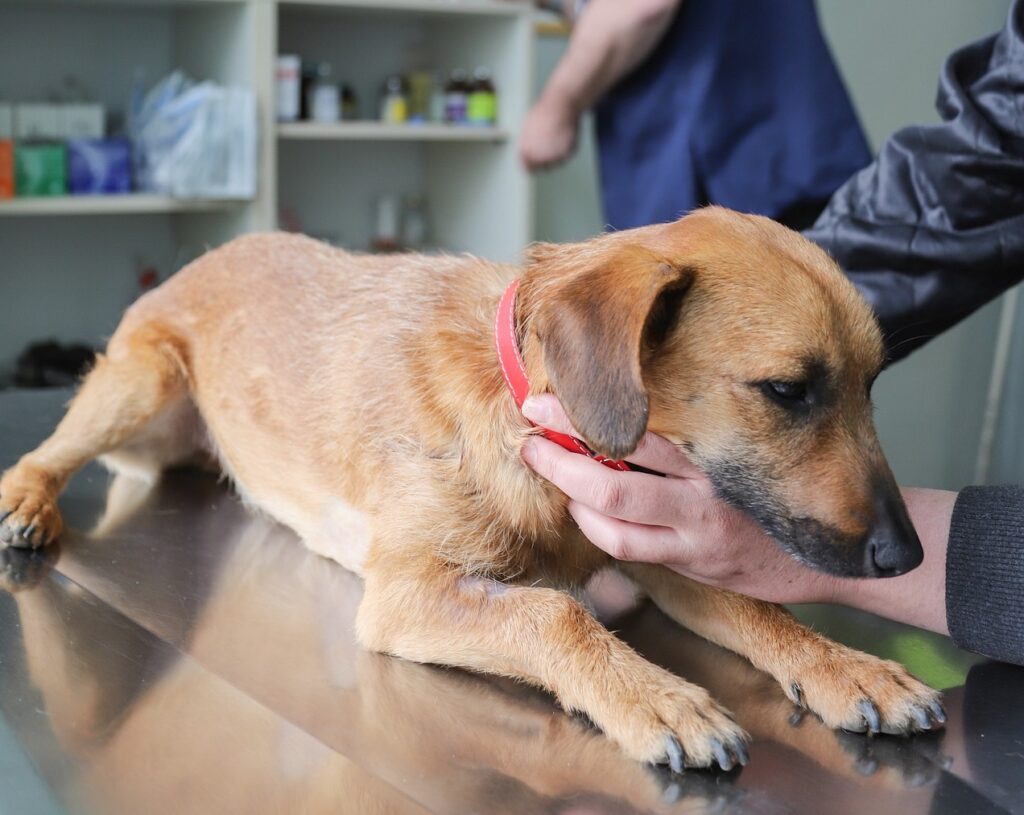
Vaccination
The most effective way to prevent colds in dogs is through vaccination. Combination vaccines for dogs include a vaccine to prevent kennel cough.
Combination vaccines, unlike rabies vaccinations, are optional.
Combination vaccines combine vaccines effective against multiple viruses.
While the frequency of vaccinations and the veterinarian's recommendations vary, annual vaccinations are generally recommended.
While vaccinations do not completely prevent disease, they can help prevent serious illnesses if the dog does become ill.
Dogs cannot decide whether to vaccinate themselves. Consult your veterinarian, taking into account your dog's range of movement and environment.
Preparing the Environment
Just like humans take measures to avoid catching a cold during cold season, creating an environment that is less likely to catch a cold is also important for prevention. If you keep your dog indoors, be sure to pay attention to the room temperature. In particular, make sure your dog's body is not directly exposed to the wind from electric fans or air conditioners in the summer. Also, after a bath, staying wet can make your dog more susceptible to catching a cold, so dry it off immediately after washing.
If you have multiple dogs, keep their bowls and water separate to prevent them from catching other dogs' colds. Installing an air purifier is also a good idea to prevent airborne infection. It's also important to create an environment that's less likely to cause a cold for your dog.
Summary
Dogs, like humans, can catch colds. While there's no need to worry about a human cold being transmitted to a dog, or vice versa, it's still worrying when your beloved family member is sick.
Dogs can't speak, so they can't tell you when they're sick. For this reason, owners should always pay close attention to any changes in their dog's health.
If your pet does catch a cold, there are various treatments available, but the best thing you can do is avoid catching a cold. Regular vaccinations and a healthy environment can help prevent catching a cold.
Please be sure to take care of your pet at all times.






















![[Sheltie puppies] Check breeder information for baby dogs](https://with-my-dog.com/wp-content/uploads/2022/01/image1-300x199.jpg)