What happens to dog earwax? Does it need to be cleaned? What are normal earwax and what earwax needs attention?

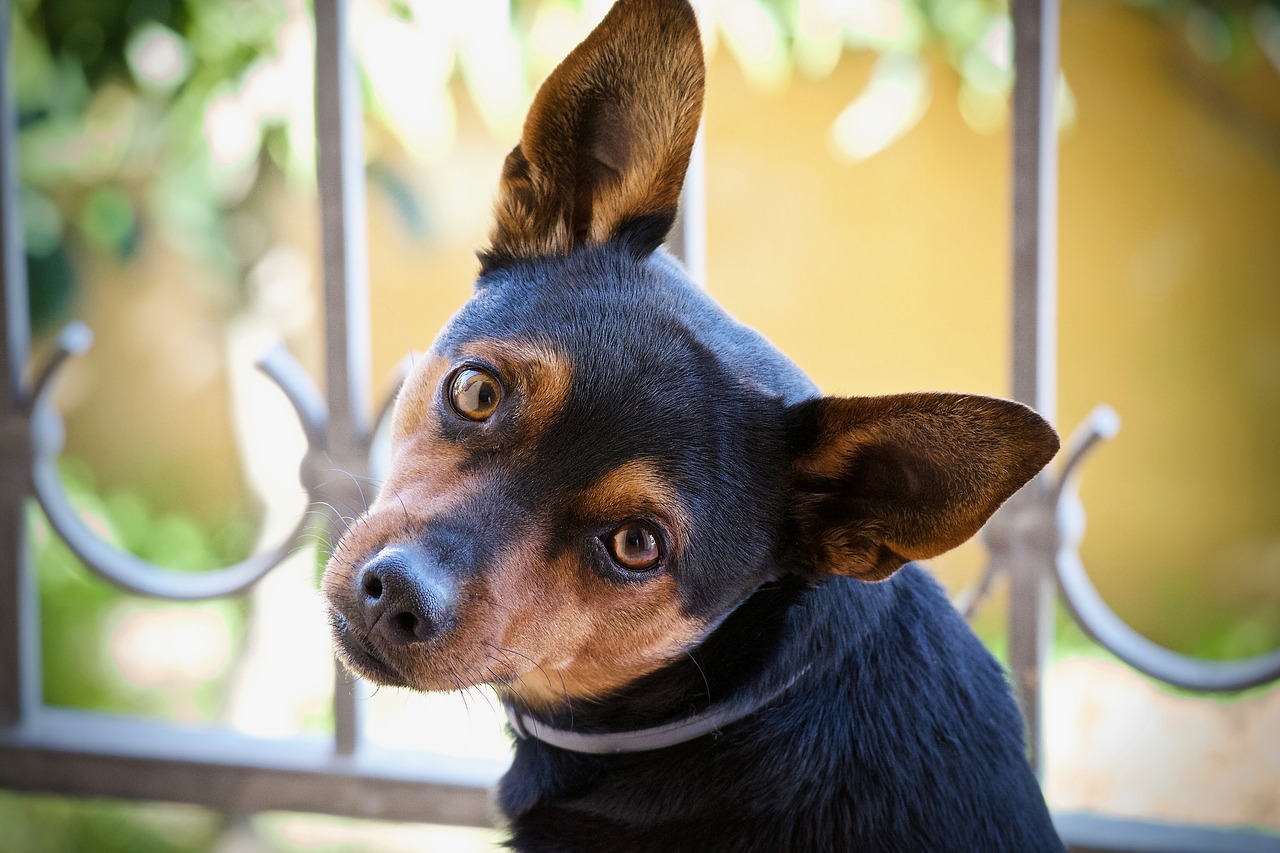
Earwax is a type of excrement, so dogs accumulate earwax just like humans.
However, because their ears are structured differently from humans, it can be difficult to know how much attention you should pay and when it's necessary to take action.
Especially if you've just started keeping a dog, you might be wondering how often you need to clean your dog's ears. In fact, if there's nothing wrong with your dog's ears, ear cleaning generally isn't necessary. However, dog breeds that are prone to earwax buildup may require ear cleaning.
This article explains normal earwax in dogs and earwax that requires attention.
Understanding normal earwax will help you address ear problems early.
If you want to learn more about dog earwax, be sure to check out this article.
Normal earwax
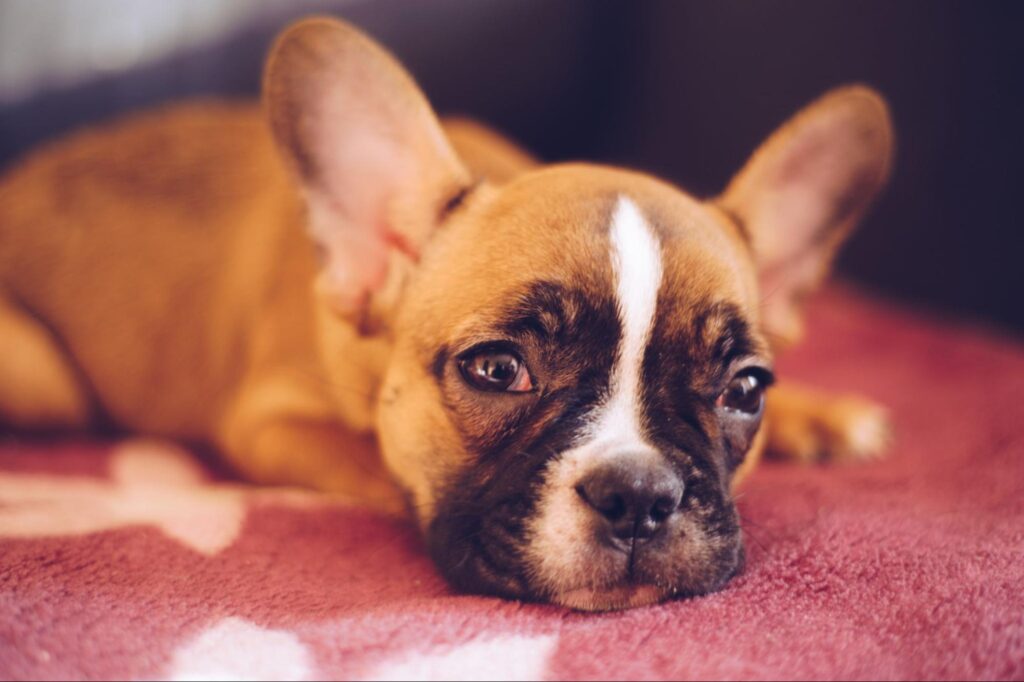
What exactly is normal earwax?
Normal earwax does not have an unpleasant odor.
It may have a slight odor, but it's usually not so strong that it's unpleasant.
Also, if there's only a small amount of earwax, it's probably normal.
To determine if your earwax is normal, check the following:
- Color
- Amount
- Shape
Check Color, Amount, and Shape
Normal earwax colors are as follows:
- White
- Milky white
- Light brown
The texture varies from person to person, but it's usually smooth to slightly sticky and has almost no odor.
If it's thick, caution is advised.
Normal earwax levels are usually small in both ears.
Earwax that requires attention
Earwax types to watch out for are as follows.
- Black earwax
- Dark brown earwax
- Yellow earwax
If you notice any abnormalities in your pet's earwax, we recommend taking them to the vet.
Black Earwax
If your dog has black earwax in its ears, you should be careful.
It is said that black earwax is often produced when ear mites are present in the ears.
If left untreated, ear mite infestations can cause severe itching.
Ear mites can be transmitted to other dogs, so it's best to keep your dog away from other dogs while it's infected.
Also, if other dogs are infected, you should never get close to your dog.
Regular ear checks can help you detect any infection early.
Dark Brown Earwax
Dark brown earwax is another type of earwax that requires attention.
Dark brown earwax may be a sign of "Malassezia fungal otitis externa."
Malassezia is a yeast that is normally present on a dog's skin.
Although not harmful, excessive Malassezia growth can cause otitis externa in dogs.
Brown earwax often has an unpleasant, foul odor and is very sticky.
To prevent Malassezia fungal otitis externa, you should always keep your dog's ears clean.
Yellow Earwax
Yellow earwax is often thick and viscous, and if it appears in your dog's ears, it can be quite worrying.
Yellow earwax often indicates a bacterial infection inside the ear that has caused suppuration.
Yellow earwax can also flow out like a thick, oozing discharge.
Also, your pet has a strong, unpleasant odor.
Yellow earwax is a sign of ear problems, so consult your veterinarian.
Check the ears at the same time
If you notice earwax that requires attention, check the ears at the same time.
- Is there any hair loss around the ears?
- Is the ear swollen?
- Is the ear red and sore?
- Is the cat scratching its ears frequently?
If there's something wrong with the earwax, it's a good idea to check these things.
Dog Breeds Prone to Earwax Accumulation

Actually, the likelihood of earwax buildup varies depending on the breed.
- Dog breeds with droopy ears
- Dog breeds prone to seborrheic dermatitis
These two dog breeds are more likely to accumulate earwax than other breeds.
If you own a dog with droopy ears or a dog prone to seborrheic dermatitis, be sure to check their ears regularly.
Dog Breeds with Drop Ears
Dog breeds with drop ears are prone to earwax buildup.
- Shih Tzu
- Golden Retriever
- Miniature Dachshund
- Beagle
- Toy Poodle
These are the most common dog breeds with drop ears.
Due to the shape of their ears, dogs with floppy ears have poor ventilation and are prone to stuffiness.
As a result, their ears tend to get dirtier than other breeds.
To keep floppy-eared dogs' ears clean, check their ears regularly.
If earwax is present, clean their ears.
Seborrheic Dog Breeds
Seborrheic Dog Breeds are also said to be prone to earwax buildup.
- French Bulldog
- West Highland White Terrier
- American Cocker Spaniel
Seborrheic dog breeds like these are prone to earwax buildup inside their ears due to sebum.
As a result, just like dogs with floppy ears, regular ear cleaning may be necessary.
To begin with, it's a good idea to check the condition of their ears about once a week.
Need for cleaning
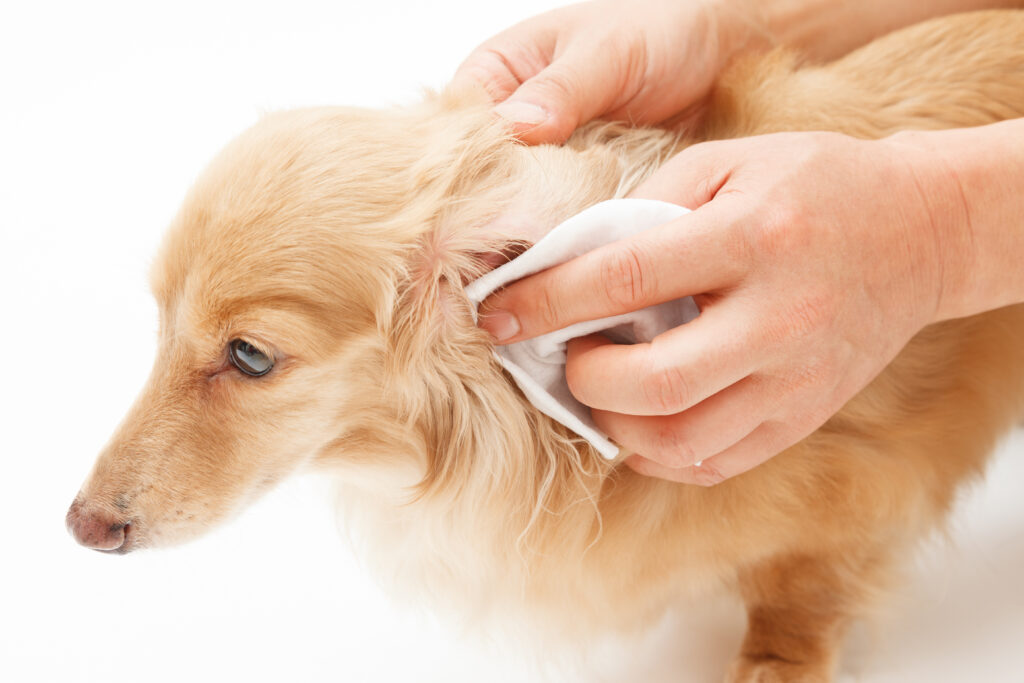
Dogs have a variety of ear types, and some breeds, such as floppy ears, are prone to earwax buildup.
On the other hand, many breeds have ears that are less prone to earwax buildup.
Do all dog breeds need regular ear cleaning?
No need if there's no abnormality
Basically, if there's no abnormality in the ears, there's no need to clean them.
Earwax is an oil that naturally occurs in dogs' bodies and also serves the function of protecting the inside of the ears from dust and other contaminants.
Earwax is naturally expelled from the dog's body as it moves, so it will naturally stay clean even if you leave it alone.
In addition, dogs' ears have a self-cleaning mechanism, protecting the ear skin.
Be careful not to clean your dog's ears too often, as this can damage the ear skin's protective function.
If your dog has prick-eared ears, which allow for good ventilation, or if their ears are in good condition, there's no need to clean their ears unnecessarily.
Care for Dogs That Prone to Dirt
While dog ears generally don't need cleaning, dogs that tend to get dirty do need ear cleaning.
When cleaning ears, don't clean deep inside the ear, but only near the entrance.
Dogs don't always stay calm while you clean their ears, so cleaning deep inside can lead to injury.
Keeping the area around the ear opening clean is also good for hygiene.
About once a month, gently wipe your dog's ears with a damp cloth or cotton ball.
Especially during the rainy season, when humidity is high, it's important to clean your dog's ears to keep them clean.
When cleaning your dog's ears, we recommend using a dog ear cleaner.
To use, simply place a few drops of ear cleaner into your dog's ears and gently massage the base of the ear.
This will help keep your dog's ears clean, even if they tend to get dirty.
Summary
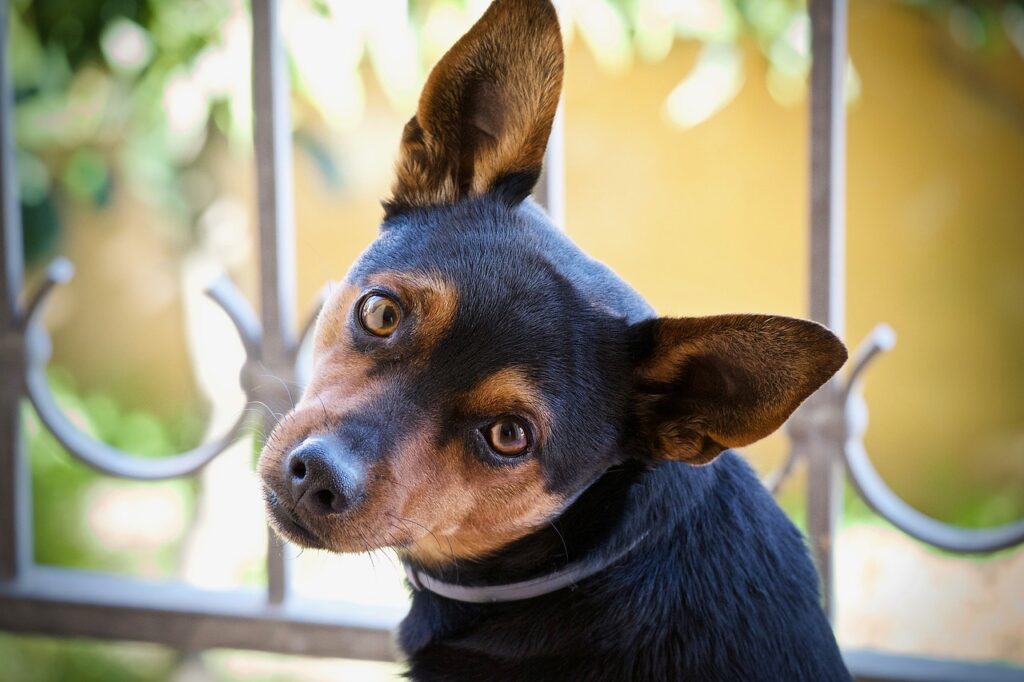
Dogs' ears have a self-cleaning mechanism, so even if earwax accumulates, it will be expelled naturally.
Therefore, cleaning your dog's ears is generally unnecessary.
However, some breeds, such as those with floppy ears or seborrheic dermatitis, may have dirty ears and require regular ear cleaning.
Even if your dog's ears require cleaning, excessive cleaning is not recommended.
Limit cleaning to about once a month at most.
If your pet's ears still get dirty quickly, it could be an ear problem.
If you regularly monitor your pet's earwax, you can immediately take it to the vet if you notice any abnormalities.
Ear cleaning and ear checks should also be gently performed as part of skin-to-skin contact.





![My puppy won't learn to use the toilet [Keep training simple!]](https://with-my-dog.com/wp-content/uploads/2021/12/dog-g33cd6bf6a_1920-150x150.jpg)
![[Additive-free is popular] 5 recommended Japanese dog foods!](https://with-my-dog.com/wp-content/uploads/2022/07/image4-7-150x150.png)
![[Dog Names] Is the Japanese name boom here?! Ranking of Japanese dog names!](https://with-my-dog.com/wp-content/uploads/2021/10/adtDSC_0871-150x150.jpg)