


"My dog is getting older. Can dogs develop dementia?"
"If dogs can develop dementia, I want to prevent it!"
Many dog owners are concerned about dementia in dogs.
You want your beloved dog to stay healthy even as it ages.
In today's world, not only people but also dogs are aging, and more and more dogs are living longer. As dogs live longer, one concern is whether they may develop dementia. Some owners are concerned about the increasing incidence of abnormal behavior in elderly dogs.
Is dementia unavoidable as dogs age?
This article explains dementia that can develop in older dogs.
Learn more about dementia in dogs and take measures to prevent its onset.
What is Canine Dementia?

Dogs are more likely to develop dementia as they age.
Just like in humans, dementia is a disease that we need to be careful of as dogs get older.
Dementia in dogs develops when the activity of brain neurons declines due to aging.
In the early stages, symptoms can be difficult to notice, and detection can be delayed.
The following behaviors are signs of dementia:
- Staring blankly at the ceiling or walls more often
- Walking around more often
Early detection of dementia is important, so if you notice any unusual behavior, take your dog to the vet.
Noticing and addressing the condition early will help your dog live a happy senior life.
Main Symptoms
When your dog develops dementia, it will begin to behave differently than usual.
The main symptoms of dementia include:
- Wandering around
- Increased nighttime crying
- An abnormally increased appetite
- Becoming indifferent to everything, including not responding to name-calling
- Forgetting and becoming unable to follow training habits
- Reversing day and night schedules
- Sudden aggression or emotional ups and downs
If you observe any of the above behaviors, your pet may be developing dementia.
Not all symptoms appear suddenly. Abnormal behaviors are gradually observed and progress over time.
It is important to understand the behaviors of dementia so that you can detect them as early as possible.
However, not all of these behaviors are due to dementia. Sometimes they are caused by a decline in bodily functions due to aging.
It can be difficult to judge, so if you notice abnormal behavior in your dog, take him to the vet as soon as possible.
Can Dementia Be Cured?
There are several treatments for dementia.
- Dietary Therapy
- Drug Therapy
- Lifestyle Improvement
Treatment is primarily carried out by combining these three methods.
Drug therapy can be expected to slow the progression of symptoms, but there is currently no cure for dementia.
Dementia is a disease that progresses gradually, so these treatment methods are used to slow its progression.
Treatment can often be difficult, but owners and family members should work together to proceed with treatment.
At what age does dementia develop?

Dementia in dogs begins to develop when they are over 10 years old and increases rapidly from around 13 years old. The incidence also increases between 15 and 17 years old, so keep a close eye on your dog as it enters its senior years. It's said that by the time your dog reaches 17 years old, more than half of dogs show signs of dementia. However, not all elderly dogs develop dementia. It's a good idea to take measures to prevent dementia from developing while your dog is still young.
Dog Breeds Prone to Dementia
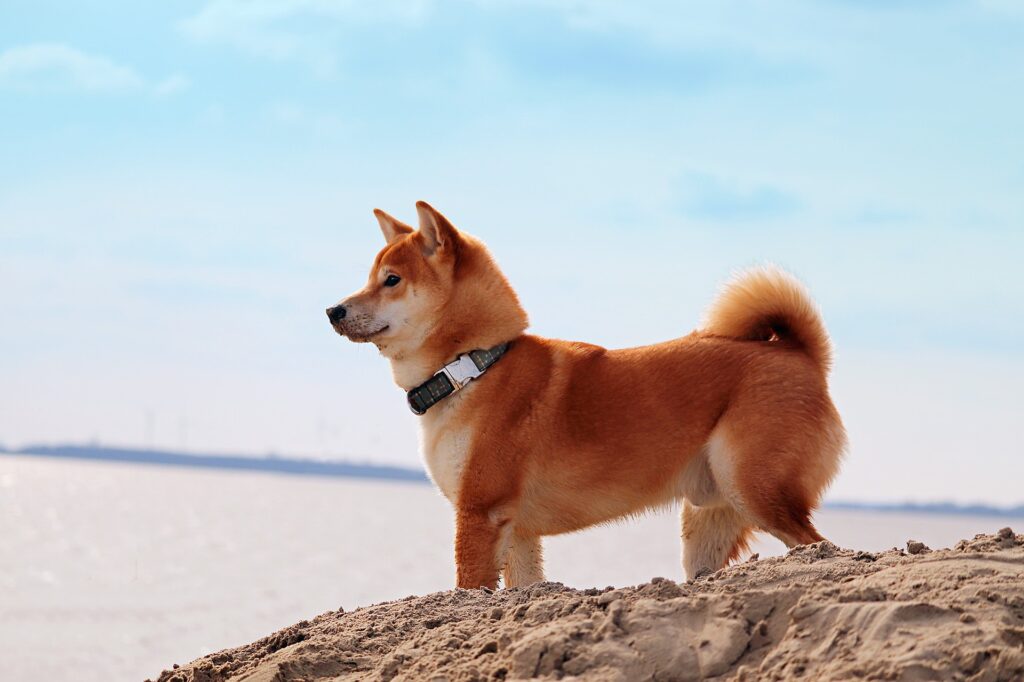
The following dog breeds are said to be prone to dementia.
- Shiba Inu
- Akita Inu
- Kai Inu
Japanese dog breeds are said to be particularly prone to dementia.
In particular, Shiba Inu, which are kept as pets in large numbers, are most likely to develop the condition.
The reasons why Japanese breeds of dogs are prone to dementia are still unclear.
On the other hand, Western breeds of dogs are said to be less susceptible to dementia.
Western breeds of dogs mainly include the following:
- Golden Retriever
- Chihuahua
- Miniature Dachshund
- Labrador Retriever
- Bug
The reasons why Western breeds of dogs are less susceptible to dementia are also still unclear. However, the incidence of dementia in Western dogs tends to be lower than in Japanese dogs.
How to Prevent Dementia

To prevent dementia in dogs, it's a good idea to encourage them to engage in mentally stimulating activities from a young age.
Like humans, canine dementia is extremely difficult to treat once it develops.
Currently, it's said that there is no specific cure for dementia.
Therefore, it's important to take measures to prevent dementia before it occurs.
To prevent dementia in dogs, it's a good idea to provide a brain-stimulating, brain-activating lifestyle.
For example, the following activities are recommended and likely stimulate the brain.
- Providing toys that stimulate the brain
- Varying walking routes to provide stimulation
- Communicating with other dogs at dog parks, etc.
- Playing brain-stimulating games, such as treasure hunts with treats inside
- Interacting with and getting physical with other dogs
Living a life that stimulates your dog's mind and brain can also help prevent dementia.
Changing play styles and walking routes from usual is also recommended, as it can be a great stimulus for dogs.
A life where owners and dogs can enjoy themselves together is ideal.
Summary

We've introduced the symptoms of canine dementia, breeds that are prone to it, and actions you can take to prevent it.
Today, as dogs age, we are able to live with our dogs for longer periods of time.
Being able to spend time with our beloved dogs is a great joy for pet owners.
However, it's also true that the older a pet is, the higher the risk of dementia.
While it's important to take preventative measures against dementia, owners should keep in mind that dogs are more susceptible to dementia as they age.
Therefore, aim to provide a lifestyle that stimulates your dog's brain and emotions, even while they're young.
If you're an owner who plays the same way or walks the same route every day, take this opportunity to change the way you play or the route you take.
By creating a lifestyle that's enjoyable for both you and your dog, you can ensure a long-lasting, stimulating life.
Let's create a lifestyle where your beloved dog can have fun and be excited every day.









![What is a dog neuter? The contents and purpose of the surgery [For first-time owners]](https://with-my-dog.com/wp-content/uploads/2021/10/dog-g0fd92e32e_1920-150x150.jpg)

![[Popular dog food rankings] Recommended dog food and how to choose it](https://with-my-dog.com/wp-content/uploads/2021/10/入れ替え_5枚目-150x150.jpeg)