

Dogs sometimes breathe through their mouths, panting with their tongues out. If your dog suddenly starts panting, you might be concerned that he's not feeling well.
Especially if you're a first-time dog owner, your dog may appear to be in distress.
In fact, this open-mouthed, tongue-out, heavy breathing is quite common in dogs. Dogs often do this to regulate their body temperature, and this breathing helps them manage their own body temperature.
However, if your dog is breathing with apparent difficulty or very heavy breathing, you should be concerned. Heavy breathing could be a sign of illness.
This article explains the causes of heavy breathing and what to do if your dog starts breathing heavily.
If you're a dog owner worried about your dog's heavy breathing, please refer to the contents of this article.
Is heavy breathing common?
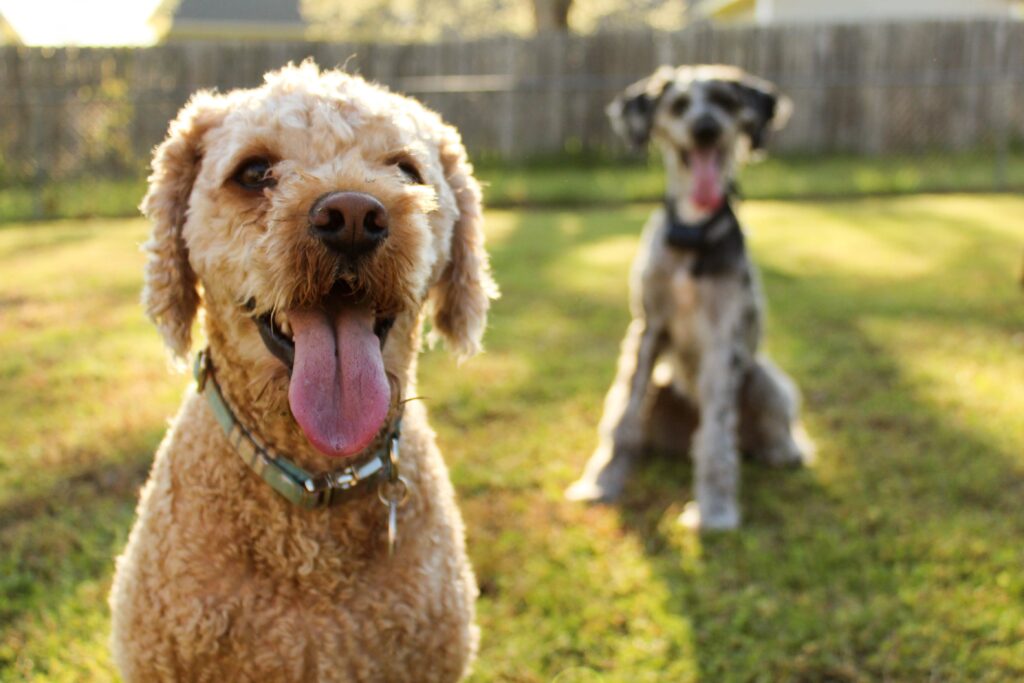
It's actually quite common for dogs to pant.
When dogs feel overheated, they open their mouths, stick out their tongues, and pant.
This breathing is called panting.
Dogs only have sweat glands on the soles of their feet and around the tip of their noses, so they barely sweat.
Therefore, panting is a way for them to release heat and regulate their body temperature.
If your dog seems overheated, it's a good idea to move them to a cooler place or use an air conditioner to lower the temperature in the room.
However, if your dog's breathing pattern is obviously abnormal or excessive, caution is warranted. Dogs can also become heavily panting due to illness or stress. Panting caused by body temperature regulation differs from heavy breathing due to illness, so remembering your dog's normal panting behavior may help you spot any abnormalities.
Causes of Heavy Breathing
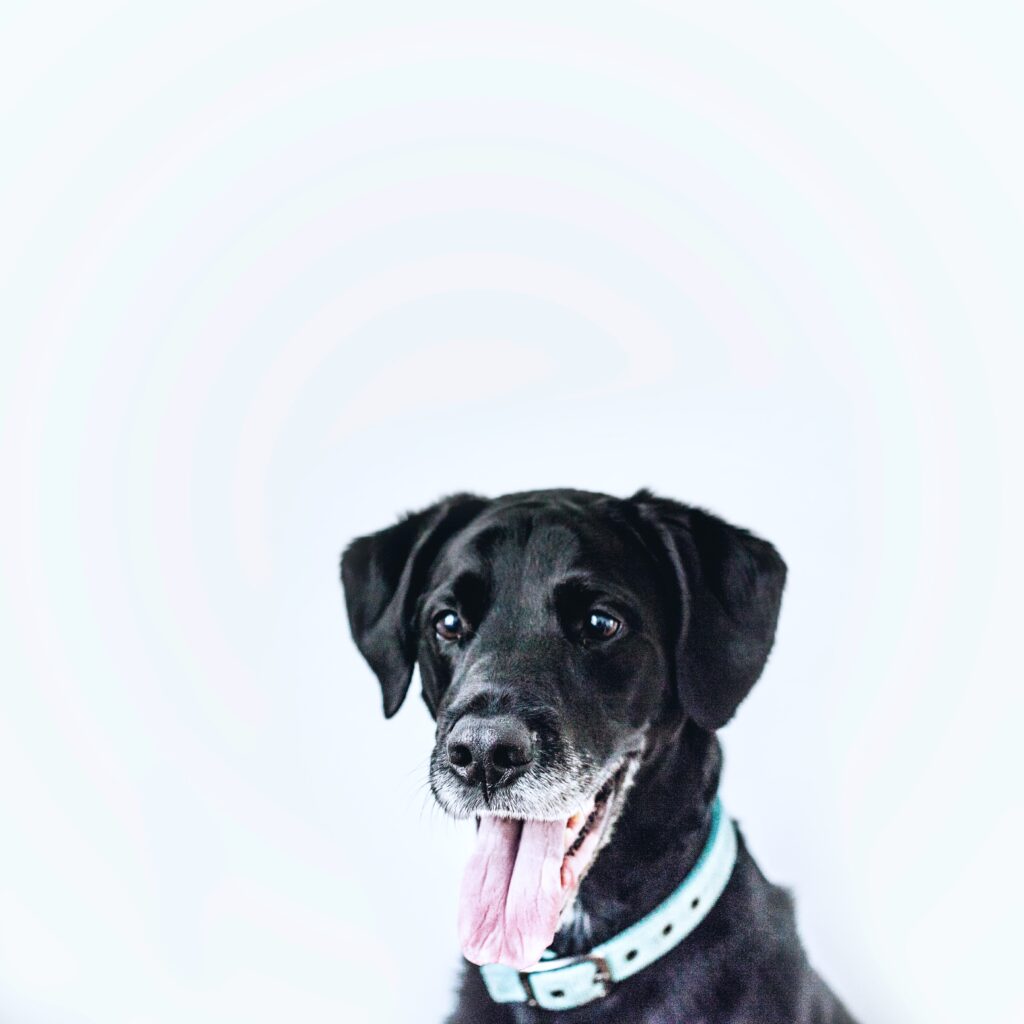
There are several reasons why dogs pant heavily.
- Obesity
- Heart disease
- Aging
- Heat
- Stress
- Excitement
These six factors are said to be the main causes of panting in dogs.
Let's take a closer look at each one.
Obesity
Dogs that are slightly overweight tend to breathe heavily.
Obese dogs may breathe heavily even when they move a little during walks or exercise.
One reason for this is that they are easily overheated due to their obese body weight.
When they feel hot, they open their mouths to release heat and regulate their body temperature.
Another possible cause is that fat compresses the organs, making it difficult for them to breathe.
When dogs become obese, their breathing tends to become shallow.
Shallow breathing can cause a dog to run out of oxygen, so they increase their breathing rate to take in more oxygen.
When breathing rate increases, each breath becomes very short, making the dog appear to be breathing heavily.
Being obese is not good for a dog's health, so if your dog is overweight, consider putting it on a diet.
As your dog loses weight, his breathing will gradually become more stable.
Heart Disease
Heart disease may be the cause of your dog's heavy breathing.
Heart disease is a disease that increases as dogs age.
In addition to heavy breathing, heart disease may also exhibit the following symptoms:
- Coughing
- Listlessness and reluctance to move
If your dog is experiencing these symptoms along with heavy breathing, visit a veterinarian.
Early detection of heart disease is important.
Aging
Aging can also cause dogs to breathe heavily.
As dogs get older, various bodily functions decline.
In particular, if your dog's cardiopulmonary function declines, even a slight movement or run can make him out of breath.
This is why older dogs tend to breathe heavily.
This happens to both dogs and humans as they age, and it's not a specific illness.
Therefore, if your dog's breathing is normal when he's still and motionless, there's no need to worry.
Heat
Heat can also cause your dog's breathing to become heavy.
Dogs can only sweat on certain parts of their body, such as the soles of their feet and the tip of their nose.
This makes it very difficult for them to regulate their body temperature.
When dogs are hot after exercise or when the temperature rises in summer, they try to release body heat and take in cooler air.
They do this by opening their mouths, sticking out their tongues, and panting.
This is a natural physiological phenomenon for dogs, so there's no need to worry.
It's best to wait and see until your dog calms down.
Stress
Dogs can also become rapidly breathing due to stress.
Your dog's breathing will become heavy if it is stressed by the following emotions:
- Excitement
- Anxiety
- Fear
- Tension
Psychological factors can cause the sympathetic nervous system to become dominant, temporarily causing heavy breathing.
Another behavior seen when a dog is stressed is yawning.
Other behaviors you may see include restlessness, moving around, and shaking and frightened behavior.
If your dog is panting heavily and exhibiting these behaviors, it's likely stressed. If your dog is stressed, move him to a calmer place.
Your owner should identify and resolve the cause of your dog's stress.
Excitement
Panting heavy may also be due to your dog simply being excited.
Panting heavy is especially likely when your dog is excited and barking.
If your dog is excited, move it to a quiet, dimly lit area and allow it to calm down.
Rough breathing is normal when excited, so there's generally no need to worry.
If your dog is showing signs of trembling, it's best to suspect causes other than excitement.
Common Symptoms
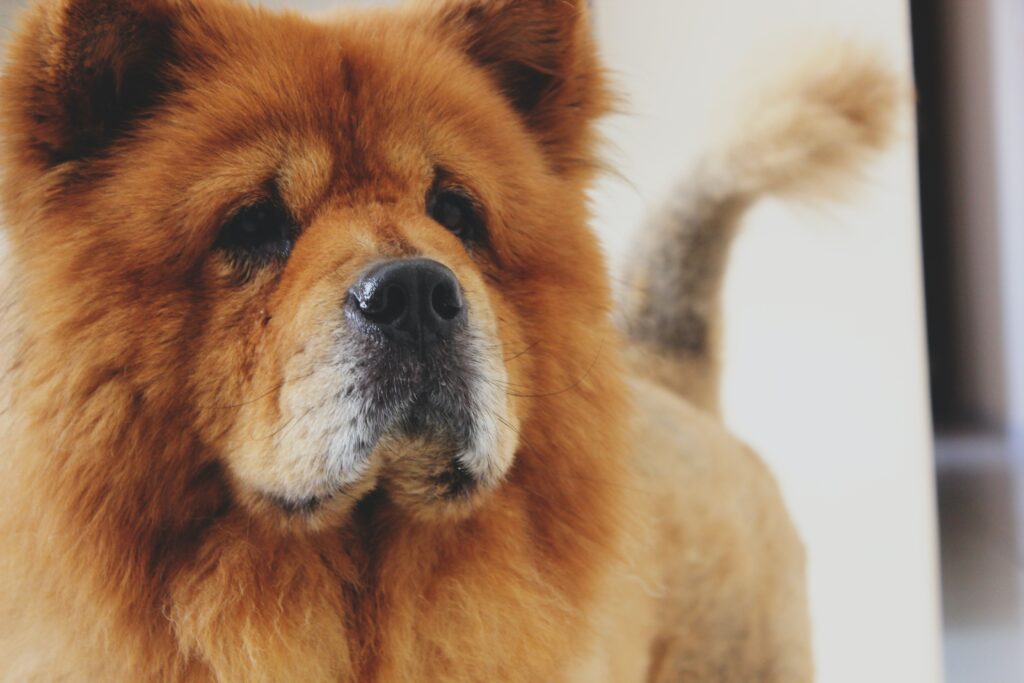
When a dog's breathing becomes heavy, it may not only be due to irregular breathing, but also other symptoms.
Drinking more water
When a dog's breathing becomes heavy, it may also start to drink more water.
Possible causes include the following:
- Feeling hot
- Heatstroke
- Diabetes
- Kidney failure
- Gastrointestinal illness
The most common cause is when your dog is drinking water to replenish fluids due to the heat. Other conditions, such as diabetes and kidney failure, can also cause your dog to crave fluids frequently. If your dog starts drinking more water at the same time as it starts breathing heavily, even if it's not due to heat, you may want to suspect an illness. If it is, early detection is important.
Take your dog to the vet as soon as possible.
Shivering
If your dog is shivering and panting, you should be careful.
It's likely that your dog is under severe stress or suffering from some kind of illness.
In particular, dogs with pneumonia can have difficulty breathing, causing their breathing to become rapid and, in times of distress, they may shiver.
Shivering is often a sign of illness, so don't ignore it.
When a dog is stressed, in addition to rapid breathing and trembling, it often paces around.
If you notice these behaviors, it is likely stressed, so find out the cause of the stress and create a comfortable environment for your dog.
Vomiting
Sometimes dogs vomit while panting.
If your dog is panting, restless, and vomiting, it may have a digestive system disorder.
Alternatively, if the room temperature is high or if your dog exercises vigorously in the summer, heatstroke could be a possibility.
In either case, if your dog vomits, take him to the vet immediately.
Lack of appetite
Lack of appetite is also a common symptom, along with respiratory problems.
Lack of appetite could be due to summer fatigue caused by the heat, but it could also be a sign of an internal organ disorder.
In either case, a dog with no appetite and refusing to eat can be dangerous because it is not getting enough nutrition, so take him to the vet.
What to do when your dog starts breathing heavily

If your dog's breathing becomes heavy, it may be a sign of illness, so take him to the vet as a precaution.
A veterinarian can determine whether your dog's heavy breathing is due to thermoregulation or illness.
If your dog is vomiting or shivering, we recommend taking him to the vet as soon as possible.
If administering first aid at home, place your dog on its stomach and position it comfortably so it can breathe.
Then, use the air conditioner to maintain a constant temperature indoors.
Placing ice packs wrapped in cloth around your dog's neck or sides will effectively lower his body temperature.
If your dog's breathing has become heavy due to temperature regulation, this first aid measure will likely gradually calm his breathing.
Also, to avoid a sudden rise in body temperature, we recommend avoiding walks during hot times such as midday in summer.
Summary

We've introduced the causes of heavy breathing in dogs and how to deal with it.
In fact, heavy breathing in dogs is common.
In most cases, it's caused by a dog's need to regulate its body temperature, so there's usually no need to worry.
Lowering the room temperature with an air conditioner or cooling your dog's body with ice or ice wrapped in a cloth will often calm it down.
However, if other symptoms, such as vomiting or shivering, occur, it may be a sign of illness.
For the sake of your beloved dog, if you notice anything unusual, it's important to assess the situation as soon as possible. If your pet is clearly in distress or continues to breathe heavily even after lowering the room temperature, take it to the vet immediately.