
Shiba Inu dogs are native to Japan and have long been used as hunting and guard dogs by humans. Their history dates back to the Jomon period. They are characterized by their sharp facial features, erect ears, and curly tails.
While there are other dogs native to Japan, Shiba Inu dogs are smaller than other breeds and are easy to keep in an average household. In the past, there were many Shiba-based hybrids. They are the most familiar dog breed to Japanese people.
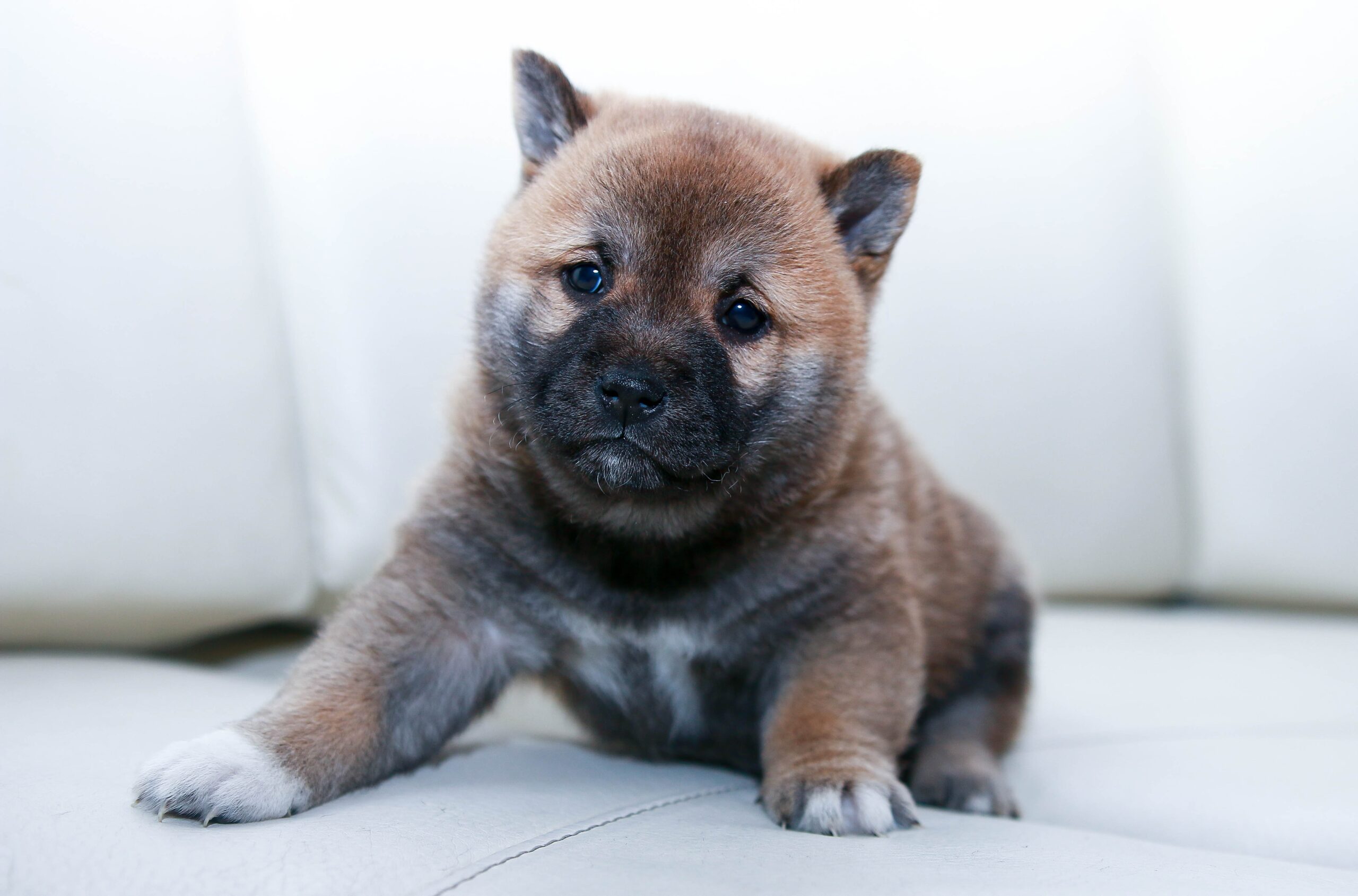
In recent years, they have become popular not only in Japan but also overseas, where they are known as "SHIBA." While adult Shiba Inu dogs are adorable, their chubby puppyhood is irresistible. Many people probably want to own one.
What should you pay attention to when raising a Shiba Inu from a puppy?
- Feeding
- Walking
- Toileting
- Bathing
We'll introduce some key points.
Shiba Inu as a puppy

What are the characteristics of Shiba Inu puppies? We'll introduce their size, sleep duration, and how to walk them.
Average Weight
A newborn Shiba Inu puppy weighs approximately 200-250 grams. They're very small.
The Shiba Inu puppies we see in photos and pet shops weigh about 2 kg, so these puppies are born about one-tenth of that size.
When they reach adulthood, depending on the dog's level of exercise, males typically weigh 8-13 kg, while females weigh 6.8-9 kg. Like other dog breeds, males tend to be larger.
Shiba Inu's bodies are more muscular than other breeds, so one of their characteristics is that they are heavier than they appear.
How to Handle a Newborn
Shiba Inu puppies can be brought home when they are 2-3 months old. Until then, they spend time with their mother, breastfeed, learn how to defecate, and socialize as a dog.
Sleep Time as a Puppy
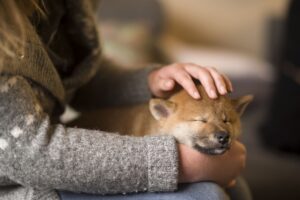
How much do you think puppies sleep? At two months old, they sleep about 18-20 hours. This means they spend the majority of their day sleeping.
You might be wondering if it's okay for them to sleep so much, but as they grow older, their sleep time decreases. Even as adults, they still sleep about 15 hours a day, so there's no need to worry, as they're naturally long-sleeping animals.
When to Start Walking
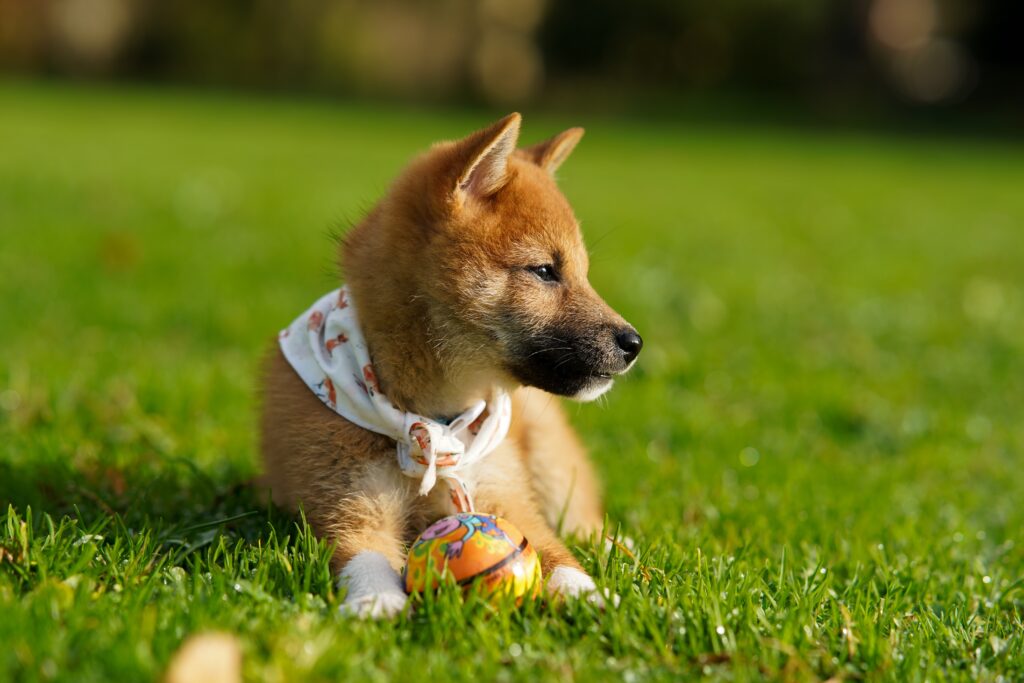
When it comes to dogs, walking is key, but you can start taking them outside for walks when they are around 4 months old. Shiba Inu dogs were originally hunting dogs, so many of them love to move around and many of them love walks. However, puppies don't have much stamina, so you should keep walk times short and let them get plenty of sleep when you get home. Watch your dog's behavior and gradually increase the length of walks.
Feeding
Puppies' digestive systems are still immature, so they cannot eat large amounts at once. To avoid indigestion, feed them less frequently than adult dogs. As a guideline, feed them four times a day at around two months of age, and three times a day at three to five months.
This is a period of rapid growth, so feed them the appropriate amount while monitoring their energy expenditure.
Shiba Inu growth process

The lifespan of a Shiba Inu is said to be about 15 years. Care methods vary depending on the dog's age and months. Let's take a look at the changes that occur as it ages.
| Age in Months | Weight, Appearance, Raising, etc. |
|---|---|
| Puppy Stage (Birth to 7 Months) | Puppies weigh 2-3 kg at birth, 2-3 months of age, but by 6 months of age, they have nearly doubled in weight to approximately 5.5 kg. Walking time increases, and from around 6 months, their diet is gradually switched to adult food. |
| Adolescence (Around 8 Months to 3 Years of Age) | They grow to 8-9 kg within about a year of birth. Growth varies from dog to dog; some grow larger, while others settle down at this age. There are also differences by gender. This is their most active period. They play a lot both indoors and outdoors. Shiba Inu are a breed that loves to move, so give them plenty of playtime. Feed them the same way as adult dogs: twice a day with adult food. Adulthood (4-7 years old): Males grow to approximately 9-11 kg, and females 7-9 kg. Even playful Shiba Inus become more adult-like once they reach the age of 3, and their playtime at home decreases. While it's okay to feed them a lot while they're still growing, be careful not to let them become overweight once they reach adulthood. As with humans, obesity can lead to illness. As their energy consumption gradually decreases, it is important to calculate the amount of food based on their weight and feed them the correct amount. |
| Senior Stage (8 years and up) | Just like humans, dogs' digestive organs weaken as they get older. As they become seniors, their digestive organs weaken, so reduce the amount of food they eat at one time and divide it into 3-4 meals. You should also switch to food for seniors. As they get older and exercise less, they are more likely to gain weight, so pay attention to their body shape. |
Key Points for Raising a Shiba Inu
How to Choose Food
Shiba Inu dogs are one of the most active and mobile breeds of dogs. For that reason, they are prone to obesity if they don't get enough exercise. This isn't a concern for puppies, who need a lot of energy, but once they reach adulthood, it's important to balance their exercise with the amount of food and treats they get. It's also best to choose food that's high in protein, low in fat, and not too high in calories, which is ideal for maintaining a muscular body.
Walk Frequency
Shiba Inus are active and love to move, so it's best to take them for walks twice a day, in the morning and evening. If two walks aren't possible, it's best to make each walk longer, at least an hour.
Insufficient exercise can cause stress, which can lead to excessive barking. Also, to help your puppy develop social skills and avoid problems with other dogs during walks, take them for frequent walks once they're old enough to walk.
Toilet Training
Shiba Inu are one of the most difficult dog breeds to toilet train.
Dogs have a natural habit of not defecating near their sleeping areas, and this habit remains strong in Shiba Inu breeds.
As a result, they are reluctant to defecate in a litter box located close to their sleeping area, such as in a cage.
When toilet training a Shiba Inu, it is important to first place the litter box away from their sleeping area.
During toilet training, praise your dog profusely when it successfully defecates in the litter box, and do not scold it if it makes an accident. This can make your dog feel intimidated and even more reluctant to use the litter box.
Once your Shiba Inu reaches an age where they can go for walks, some will only defecate during walks. If they only defecate during walks, you can take them out for toileting walks if you have time.
Bath Frequency
Like most dogs, Shiba Inus should be bathed regularly to keep their skin and coat clean and healthy.
Once or twice a month is appropriate. Baths should begin around 3 months of age.
Shiba Inus are very cautious, so some may not be comfortable with baths right from the start.
If you make a mistake the first time, your dog may develop a dislike of baths, so avoid surprising him with sudden showers the first time.
Summary
Shiba Inu are a popular and adorable breed.
They don't grow very large, which is ideal for Japanese housing conditions, and they are friendly dogs that have been by our side as companions for generations.
The contrast between their chubby, cute puppies and their sharp, dignified faces as adults is irresistible.
If you're thinking about getting a dog or are interested in Shiba Inu, be sure to pay attention to the points introduced here before welcoming one into your home.
They're sure to make a wonderful addition to your family.