
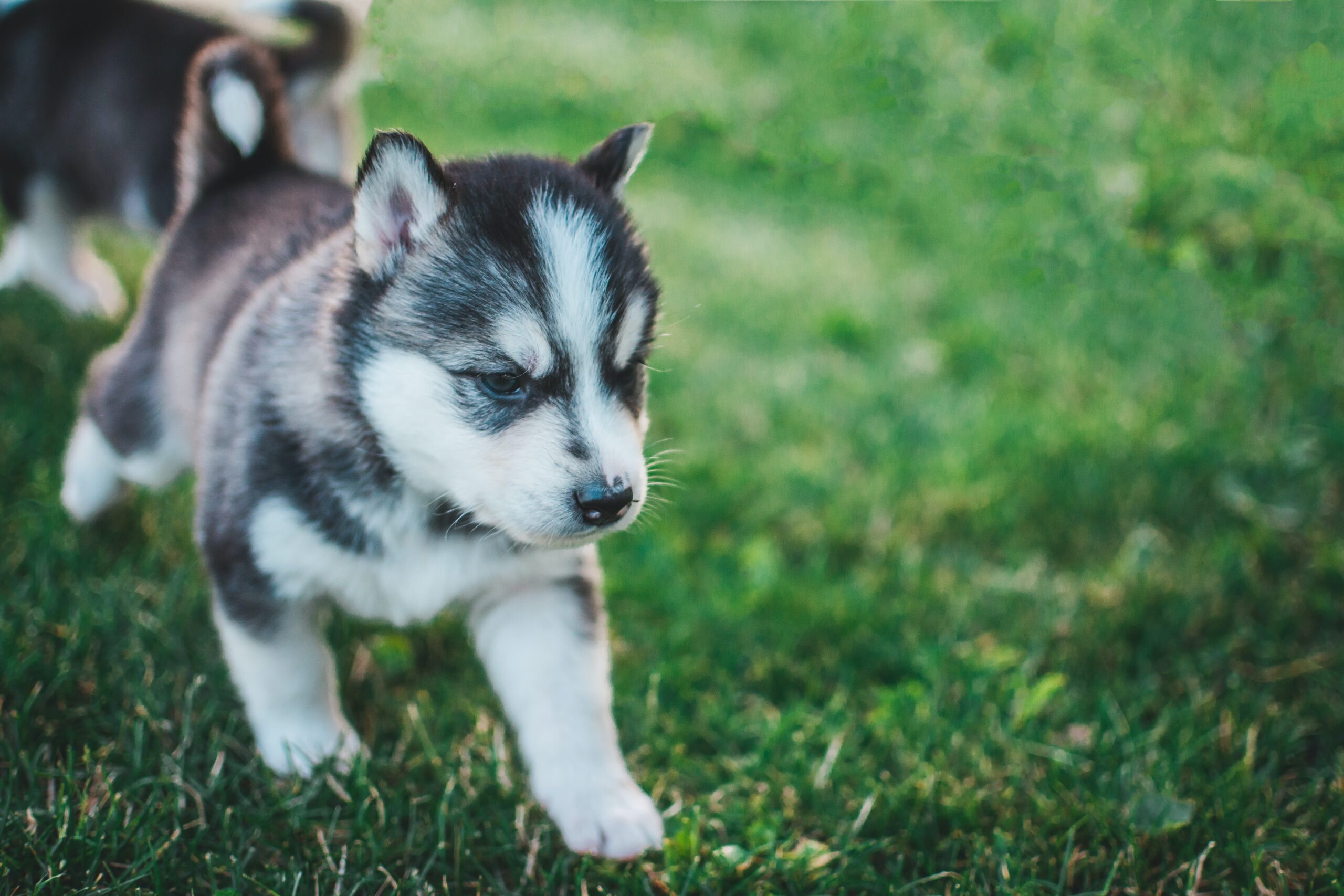
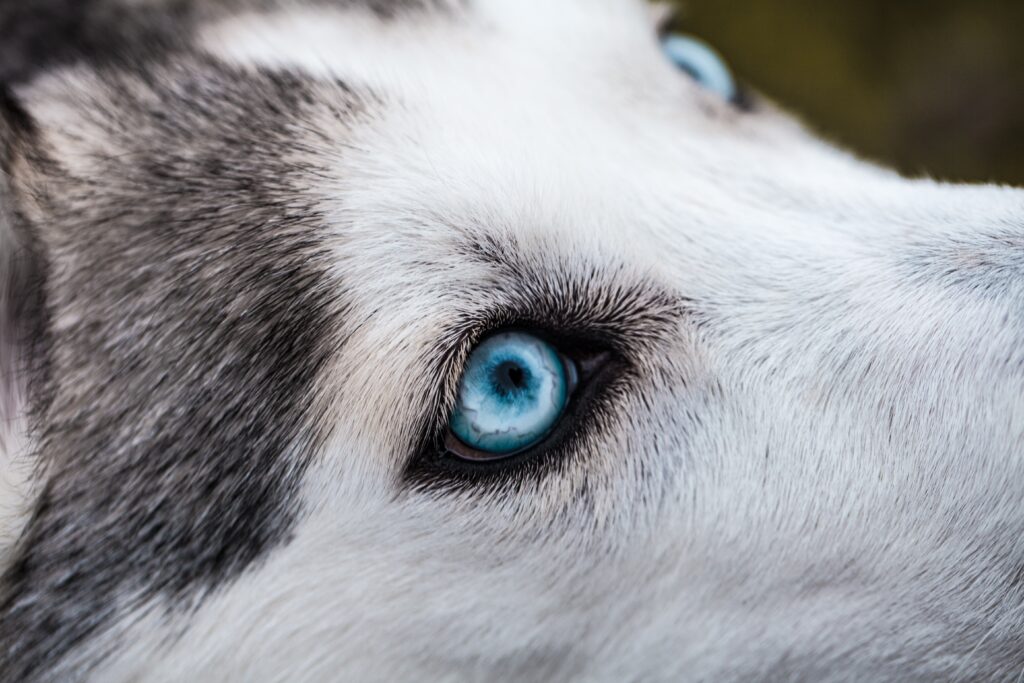
The Siberian Husky (hereafter referred to as "Husky") has a face resembling a demon, but it's actually quite adorable. As adults, their charm lies in their friendly disposition, despite their dignified facial features.
Huskies are a type of Spitz dog, and as their name suggests, they are native to northeastern Siberia. They have lived alongside humans as sled dogs in the winter and boat pullers in the summer.
The Husky is the dog that inspired the protagonist of Rinko Sasaki's manga "Animal Doctor" (Doctor Doctor) in the 1990s, where the protagonist had a fateful encounter with the dog, sparking a huge husky boom at the time. The name "husky" comes from the husky's raspy howl. Seeing the adorable husky dog Chobi in a manga makes you want to own one.
What should you pay attention to when raising a husky from a puppy?
- Feeding
- Walking
- Toileting
- Bathing
Here are some points to consider.
Husky as a Puppy
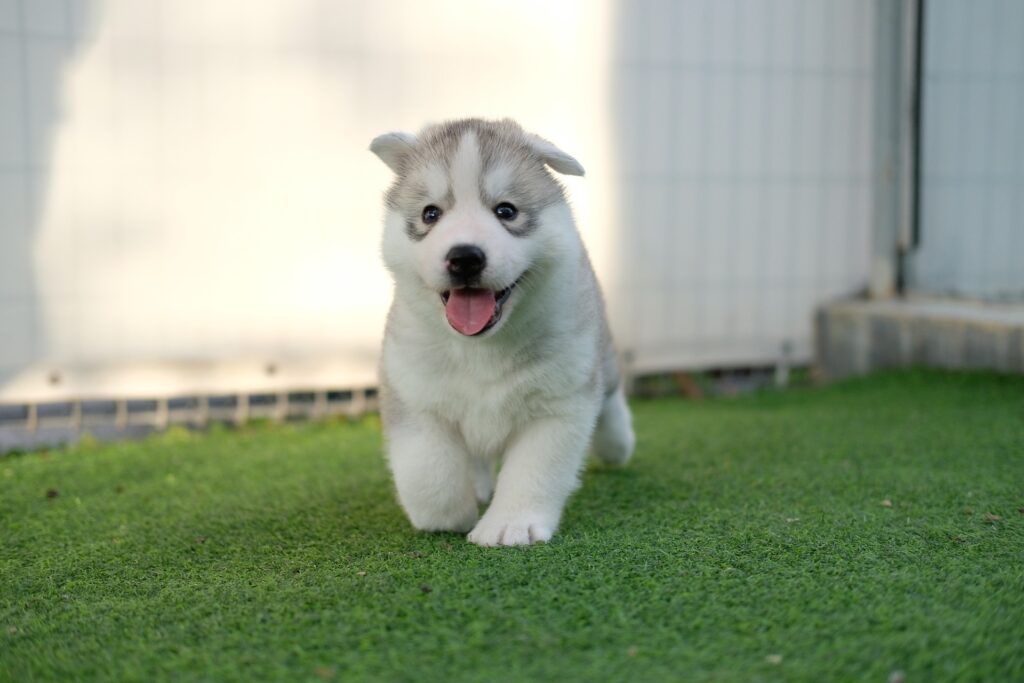
What are the characteristics of Husky puppies? We'll introduce their size, sleep habits, how to walk them, and more.
Average Weight
Huskies are considered medium-sized dogs overseas, but in Japan they are considered large dogs.
Although huskies can weigh over 20 kg as adults, they only weigh around 400-500 grams at birth.
By the time they're around 2 months old, when they're old enough to be brought home, they've grown to about 4 kg. This means that a 2-month-old puppy will grow to about the size of a toy poodle.
Furthermore, males reach adulthood, weighing between 20.5 and 28 kg, and females between 15.5 and 23 kg.
Like other dog breeds, male huskies tend to be larger than females.
As they were used as sled dogs, they have strong muscles, but also a lot of subcutaneous fat to withstand cold climates. Even though they naturally have a lot of fat, excessive weight gain is unhealthy, just like other dog breeds, so it's important to keep them well-weighted.
How to Handle Newborns

You can bring a husky into your home when it's around 2-3 months old.
Until then, it will spend time with its mother, drinking her milk and learning from her.
Large dogs grow faster than small dogs, growing larger every day and dramatically changing in appearance.
Shortly after birth, their ears are often small and droopy, making them very adorable. As they grow, they develop into the erect, triangular ears of adult dogs.
Sleep Time as a Puppy
Puppies sleep about 20 hours a day. While awake, they play more than puppies of other breeds.
As they grow, their sleep time decreases. Huskies are curious, mischievous, and playful from a young age. This is one of their adorable qualities.
When to Start Walking
Huskies, due to their history as sled dogs, are very active and full of energy. While you may be tempted to take them for walks as soon as possible, it's generally best to start walking puppies after they've received their vaccinations. The first vaccination is administered between 42 and 60 days of age. This vaccination is typically administered by a pet shop or breeder. After that, two to three vaccinations are required, usually at monthly intervals. This means you can start walking your puppy at the earliest after it's four months old.
Although huskies are a breed that requires a lot of exercise, puppies are not yet physically developed and lack stamina, so it's best to limit exercise to short periods or walk them several times a day, gradually increasing the amount of time.
Feeding
Huskies are large dogs, so their growth curve is much more rapid than that of smaller dogs. They also gain weight quickly, so weigh them frequently, calculate their feeding size, and feed them the appropriate amount.
Their digestive system is underdeveloped until they are about 5 months old, so feed them 3-4 times a day. Feeding them too much at a time can cause indigestion.
Husky Growth Process
The average lifespan of a husky is said to be 12 to 15 years. Care varies depending on the dog's age. Let's take a look at the changes that occur as it ages.
| Age in Months | Weight, Appearance, Raising, etc. |
|---|---|
| Puppy Stage (Birth to 7 Months) | Puppies weigh 4-5 kg at birth, 2-3 months of age, but by 6 months of age, they have nearly doubled in weight to approximately 10 kg. Walking time increases, and from around 6 months, their diet is gradually switched to adult food. |
| Adolescence (Around 8 Months to 3 Years of Age) | They grow to 20-25 kg within about a year of birth. They're quite big. Growth varies from dog to dog; some grow larger, while others settle down at this age. There are also differences depending on gender. This is their most active period. They play a lot both indoors and outdoors. Huskies are a breed that loves to move, so take them on long walks, preferably at least an hour at a time. Feed them the same way as other adult dogs: feed them twice a day with adult food. |
| Mature Age (4-7 Years Old) | Mature males will grow to approximately 20.5-28 kg, and females will weigh 15.5-23 kg. Even playful Shiba Inus will become more adult-like once they turn 3, and will spend less time playing around the house. It's fine to feed them a lot while they're still growing, but once they reach adulthood, be careful not to let them become overweight. Just like in humans, obesity can lead to illness. As energy consumption gradually decreases, it is important to calculate the amount of food based on weight and feed the correct amount. |
| Senior Stage (8 years and up) | Just like humans and dogs, their digestive organs weaken as they get older. As they become seniors, their digestive organs weaken, so reduce the amount of food they eat at one time and divide it into 3-4 meals. They should also be fed senior food. As they get older and exercise less, they are more likely to gain weight, so be sure to pay attention to their body shape. |
Key Points for Raising a Husky

How to Choose Food
Huskies are highly active, so feed them food that is high in protein and low in fat.
They grow extremely quickly during the first year of life, so feed them the amount of food appropriate for their current weight.
Because huskies originate from cold climates, they are a breed that is sensitive to heat. In the summer, it's also a good idea to pay attention to your dog's diet to prevent heat fatigue. Even if you normally feed your dog dry food, switch to wet food or soak dry food in water to increase the moisture content. Change their drinking water frequently to ensure they always have fresh water available.
Walk Frequency
Originally sled dogs, huskies love to run. Therefore, they need plenty of walks. If you're just walking, ideally two walks a day for one to one and a half hours each are recommended. If you're able to run or explore large areas, you can shorten the walk time.
Huskies are originally sled-pulling dogs, so they are friendly towards other dogs. They'll be happy to make new friends and play with them.
Huskies don't tolerate heat well, so be sure to take them for walks in the early morning or evening in summer and take water breaks during walks.
Toilet Training
Dogs don't naturally have the habit of defecating in the same place. Also, since huskies do not defecate near their sleeping areas, it's important to place the litter box away from their sleeping areas. For large dogs like huskies, a small litter box can increase the chance of accidents and prevent them from defecate calmly. Create a dedicated toilet space in a cage or playpen. It's important to teach your husky that this space is its territory.
Bathing Frequency
Huskies have a mild odor, so shampooing them frequently is not necessary; about once every two months should be sufficient. However, their thick, cold-climate fur sheds a lot during the shedding season, so brushing is recommended. Also, be careful in the summer, as they can get quite humid and prone to skin diseases.
Summary
Huskies are cute and chubby as puppies, but as adults, they develop a sharp, cool, and handsome face that's incredibly charming.
Despite their cool appearance, they are extremely friendly, cooperative, and highly social, both with humans and other dogs.
They have a cheerful personality, making them ideal for keeping at home. However, because they are large, they require a large space and the time and stamina to take them on long walks. They also don't tolerate heat well, so be sure to prepare a suitable environment by paying attention to the room temperature before bringing one into your home.






![Dog Names! [Female]](https://with-my-dog.com/wp-content/uploads/2022/07/image2-43-150x150.jpg)
![[Shiba Inu Lovers Must-See] Why are Shiba Inu so cute? A summary of their cute points](https://with-my-dog.com/wp-content/uploads/2022/07/image2-26-150x150.jpg)