


For those who have already welcomed a dog into their home or are considering bringing one into their home, we would like to introduce the necessity and key points of training.
As you know, dogs are adorable and very intelligent animals. More than just pets, they are irreplaceable members of the family, bringing so much happiness to our daily lives. However, it's a problem to overindulge a dog without understanding its habits and instincts.
In this article, we will introduce important points, such as what kind of home a dog would be comfortable living in and what the ideal relationship between a dog and a family is, based on the habits and instincts of dogs. Training your dog is extremely important for a comfortable and enjoyable life with your beloved dog.
We hope this article will be helpful for dog owners who are unsure about how to train their dog.
Two Exercises You Can Do at Home
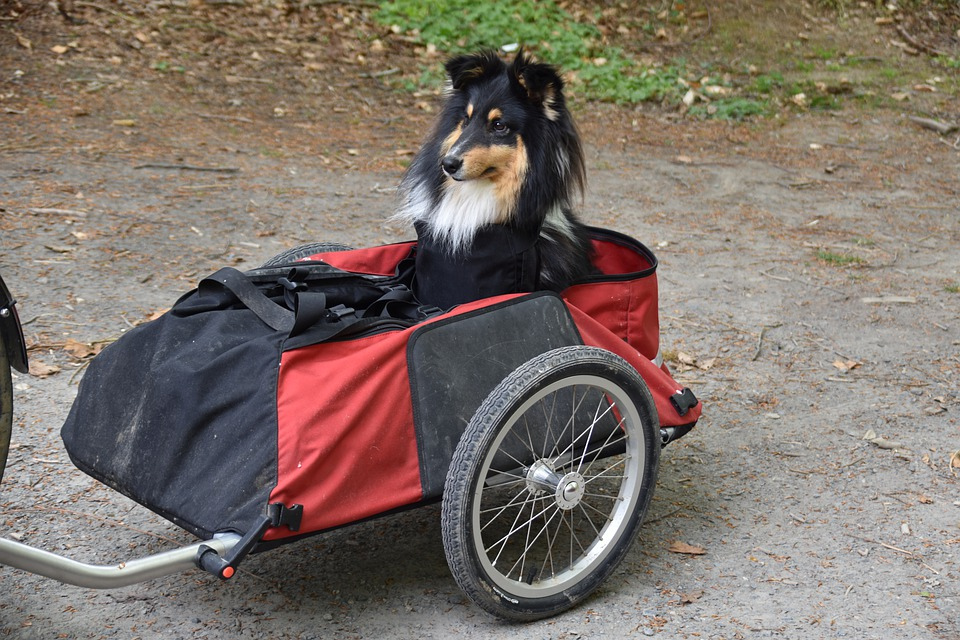
First, I'd like to introduce two basic training methods.
Toilet Training
The first week after your dog comes home is crucial for toilet training.
The key to successful training is to create an environment that makes it easy for your dog to use the toilet.
Know when your dog is about to defecate so you can always put him in the playpen. Praise him immediately if he defecates properly on the toilet sheet.
Key Points
①Never scold your dog if he fails to defecate on the toilet sheet.
Your dog may not understand why it was scolded, become timid, and stop defecating in front of you. Sometimes, your dog may be intentionally defecating somewhere other than the toilet sheet to get your attention.
If your dog defecates somewhere other than the toilet sheet, don't scold them. Instead, clean up the area without your dog noticing.
②By receiving praise from you, your dog will learn that "defecating on the toilet sheet is a good thing," and will repeat that behavior.
Spread the toilet sheet tightly inside the playpen, so that you can praise your dog no matter where he defecates. By increasing opportunities for success rather than failure, your dog will quickly learn that "it goes on the toilet sheet."
③ Observe your dog's behavior to determine when it's time to defecate, and put your dog in the pen before it defecates.
If your dog fidgets or sniffs the floor, it's a sign that it's time to defecate. They often defecate after waking up, after eating, or after playing.
How to Toilet Train
Prepare a toilet area by covering it with a pet sheet.
At first, wait until your dog is ready to go and take him to the toilet frequently.
① When you take your dog out of the house, or when you observe your dog's behavior and notice signs that he might need to go, wait until the right timing is right to put him in the toilet area.
② Leave your pet in the litter box until it defecates.
③ Once your pet defecates, praise it by saying "Good boy!" and then take it out of the litter box.
After repeating steps 1 through 3, your pet will eventually defecate if you put it in the litter box.
Once your pet learns to defecate in the litter box, practice going to the litter box and defecate on your own.
① Once your dog has learned to use the toilet, leave part of the playpen open so that it can go to the toilet on its own.
② This will encourage your dog to go to the toilet on its own. Once your dog has completely learned to use the toilet, remove the playpen and try using a toilet tray with a pet sheet on it.
Crate Training
Some people avoid crates, thinking it's cruel to confine a dog in a small space. However, for dogs that are used to living in dens, a small, dark crate is actually a very relaxing place.
A crate is essential for dogs to sleep in, take them in the car, and take them to the vet, so it's important to get them used to it from a young age.
Key Points
① Never force your dog into a crate if it doesn't want to, or lock it in the crate as punishment.
② Putting your dog in a crate for long periods of time can cause it to hold its bladder, which is cruel. As your dog grows, the intervals between urinations will become longer, so if you're leaving your dog alone for long periods of time, use a playpen with a toilet sheet and a dog bed inside.
How to Crate Train
①First, use your dog's favorite treat to lure him into the crate.
Let your dog sniff the treat, then place it at the back of the crate. When your dog enters the crate of his own accord and turns around at the back, give him another treat and praise him for being good.
② Gently tap the floor to encourage your dog to go outside. When your dog comes out at your command, praise him again by saying "good boy."
③ Once your dog is used to being in the crate, slowly close the door. If your dog is quiet inside, give him a treat through the door to teach him that being quiet in the crate will bring him good things.
④ After your dog has been in the crate for a while, open the door, say "OK," and let him out.
⑤ Place a treat inside the crate. As your dog begins to move toward the crate, say "house."
By repeating this practice, your dog will learn to enter the crate when you say "house" without a treat.
⑥ Repeat steps 1 through 5 until your dog enters the crate when you say "house" and leaves when you say "OK."
About Discipline and Training

To live a comfortable and enjoyable life with your dog, it's important for you to be a leader that your dog can trust.
It's said that dogs have the blood of wolves, who live in packs. Wolves have a leader who is responsible for ensuring the pack's safety and food.
This need for a leader has been passed down to your dog.
Dogs without a trusted leader become anxious and restless, and are more likely to exhibit problem behaviors like aggression and excessive barking.
Of course, they won't listen to instructions from their owner if they're not the leader.
Under these circumstances, it's hard to imagine a happy life with your dog.
To become a leader, you need to convince your dog through your everyday behavior that "this person is superior to me and can be trusted."
To ensure a comfortable life with your dog, it is also necessary to teach it the rules of human society through training.
Training should begin the day your dog arrives.
After your dog has grown up being selfish, it becomes difficult to correct problem behaviors.
Training should be especially focused on during the first three months after your dog arrives.
It's no exaggeration to say that if you can properly train your dog in those three months, it will grow into a dog that requires very little care.
Make sure to train your dog with love and strictness at times.
How to praise and scold a dog
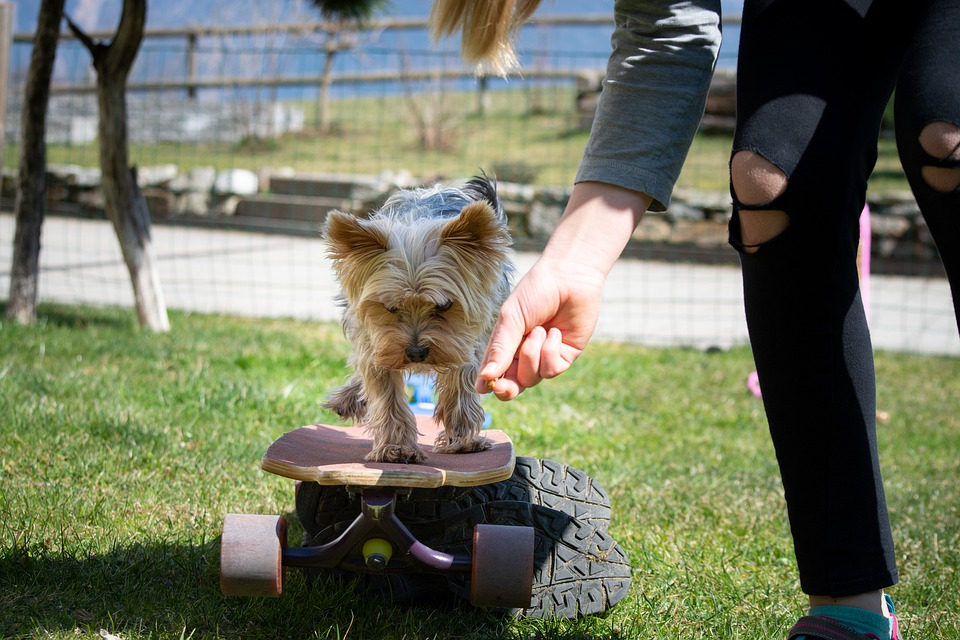
Praise your dog when it exhibits desirable behavior. Praise makes your dog happy and encourages it to repeat the behavior.
It's also important to scold your dog when it exhibits undesirable behavior. When doing so, never use physical punishment.
How to Praise Your Dog
Praise Your Dog Verbally
Praise your dog as loudly and in a high-pitched voice as possible so that he can hear you. You can also praise your dog by petting him or using words like "good boy."
Praise with Treats
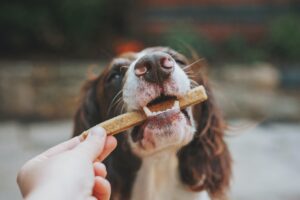
Use your dog's favorite treats. Give them immediately after or while your dog is doing something good. Don't forget to break the treats into small pieces to prevent your dog from gaining weight.
Praise with Pets
Pat your dog's neck or back to show your appreciation.
How to scold your dog
Scold with your voice
Use a firm, low-pitched voice to tell your dog what not to do.
Scold with a strong, low-pitched "Ah!"
The key to pronouncing "Ah!" is to slightly muffle the "a" sound.
Physical punishment, such as hitting or squeezing the neck or muzzle (the dog's nose), will destroy the trust between you and your pet.
Never do this, as it will make your dog wary of you and avoid you.
Summary

What do you think?
Training your dog isn't difficult. It's never too late to start, no matter what age you are.
There are many training methods we couldn't cover here, but dogs are intelligent and loyal creatures. With the right training, your dog will be a wonderful addition to your family.
To raise a well-behaved dog, it's important to make sure he understands that he's the youngest in the family. If he understands that he's the youngest, he'll be loved by everyone and will happily obey.
And he'll be able to live happily with his family and everyone he interacts with.
Always think about and devise ways to live happily with your dog, and treat him with love and sometimes strictness.
We hope this article helps owners and their beloved dogs live happily together.






![Dog diet [exercise]](https://with-my-dog.com/wp-content/uploads/2022/07/image2-37-150x150.jpg)

![[Detailed explanation] How much does it cost to neuter a dog? Can insurance be used?](https://with-my-dog.com/wp-content/uploads/2022/03/22930207_sのコピー-150x150.jpg)








![[Popular dog food rankings] Recommended dog food and how to choose it](https://with-my-dog.com/wp-content/uploads/2021/10/入れ替え_5枚目-300x200.jpeg)