

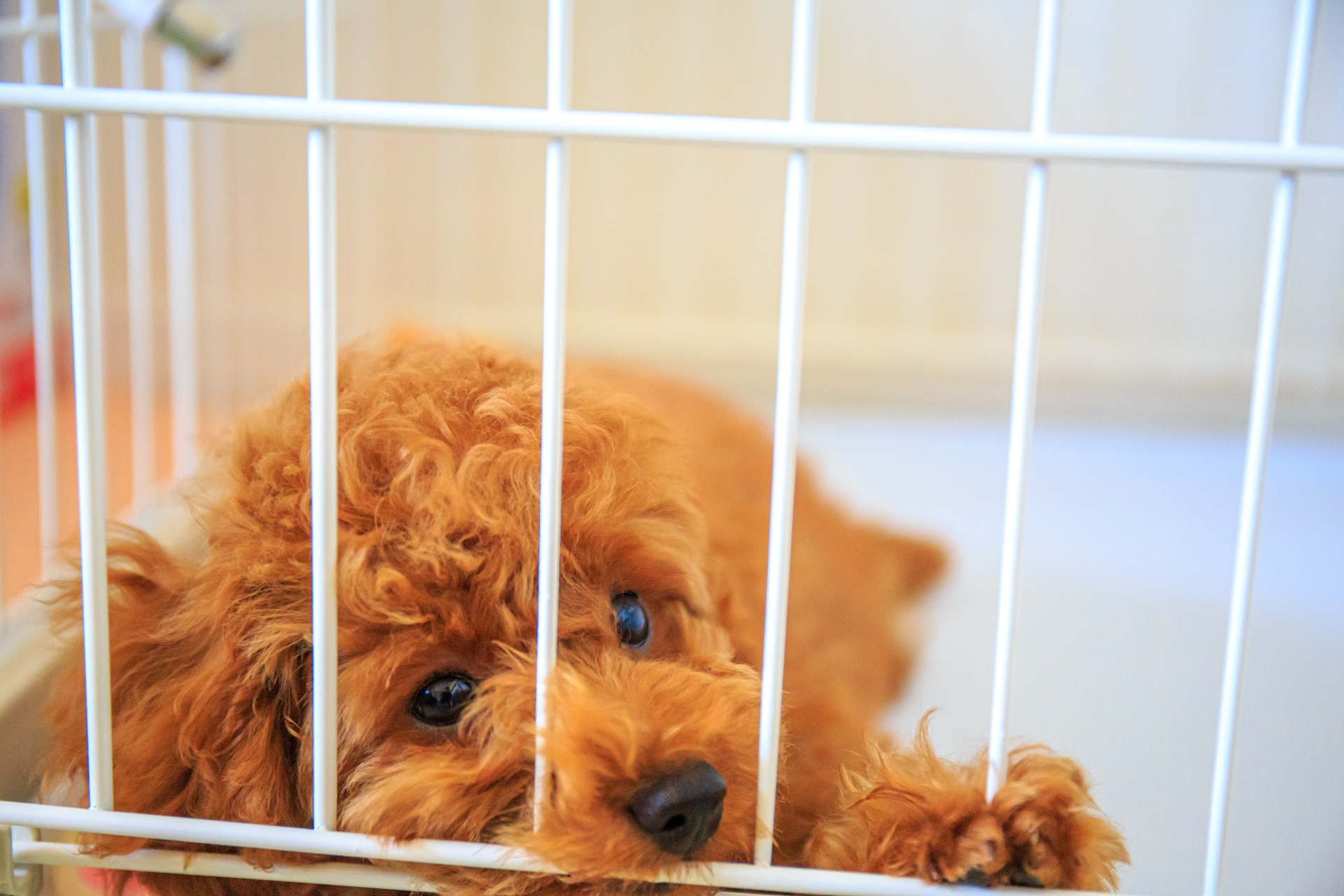
For indoor dogs, the issue of dog toileting is unavoidable.
"I've got a puppy, but I'm not sure what kind of litter box I should prepare for him."
"I don't know when my puppy should go to the toilet."
First-time puppy owners often have questions about dog toileting.
This article will explain how to choose the best litter box for your puppy and provide detailed information about puppy toileting.
If you're a puppy owner who's unsure of how to help your puppy go to the toilet, please use this article as a reference.
Things to do when you bring a puppy home
When you bring your puppy home, there are two things you should do:
- Choosing the Best Potty for Your Puppy
- Toilet Training
Your puppy will start using the toilet from the day you bring him home.
So, make sure you have a toilet ready at home when you bring your puppy home.
Choosing the Best Litter Box for Your Puppy
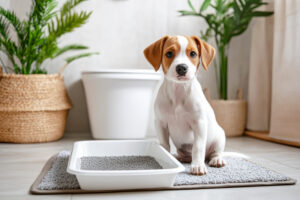
Once you've decided to adopt a puppy, the first thing you need to do is select the best litter box for your puppy.
The optimal size varies depending on the puppy's breed and size.
In addition, highly functional litter boxes are now available on the market.
Toilet Size
When choosing a litter box, make sure it's the right size for your dog.
Dogs tend to defecate more easily in larger litter boxes.
When choosing a litter box, consider your puppy's size when it becomes an adult.
For example, even though extra-small dogs are very small, it's a good idea to provide them with a "regular size" litter box, which is slightly larger than their body size.
Small and medium-sized dogs should also use a "wide size" litter box, which is slightly larger than their body size.
Large and extra-large dogs should use a litter box that's "large size or larger."
One of the reasons dogs have toilet accidents is that the litter box size is not right for them.
Therefore, choose a slightly larger size to create an environment that makes it easier for your dog to defecate.
Toilet Functions
Recently, highly functional toilets have been sold to make toileting easier for dogs.
The following are the two main toilet functions designed for dogs.
- With non-slip surface
- Wall-mounted
A non-slip toilet has a non-slip surface on the bottom of the toilet tray.
This prevents your puppy from slipping and falling in the toilet.
Falling can lead to injury for puppies, so having a non-slip surface is a good idea.
The wall-mounted toilet is L-shaped and is for males.
Male dogs may lift one leg to urinate when they reach sexual maturity.
If a male dog lifts one leg in a regular toilet, the wall may get dirty and urine may splash onto the floor, making cleaning a hassle for the owner.
However, with a wall-mounted litter box, even if a male dog urinates with one leg raised, only the toilet sheet attached to the wall will get soiled.
Therefore, if your dog urinates with one leg raised, a wall-mounted litter box is highly recommended.
However, be sure to choose a litter box with walls that are not easily knocked over so that the wall does not fall on your dog.
When to Replace Your Dog's Litter Box
When the litter tray becomes cracked or broken, or when it becomes dirty or smells bad, it's time to replace your dog's litter box.
Continuing to use a broken litter box can cause injury to your dog.
Furthermore, continuing to use a litter box that doesn't clean properly is also unhygienic.
When the litter tray starts to deteriorate, consider replacing it.
Toilet Training
Once you've prepared the perfect litter box for your puppy, it's time to start potty training.
The key to potty training a puppy is to give them a chance to gain experience.
When your puppy successfully uses the toilet, praise him profusely.
First, when your puppy needs to go to the toilet, he will start sniffing the floor and fidgeting.
This behavior is a sign that he needs to go, so lead your puppy to the toilet.
Then, when your puppy successfully uses the toilet, praise your puppy generously.
This will help users realize that using the toilet here brings good things.
Puppy toilet situation
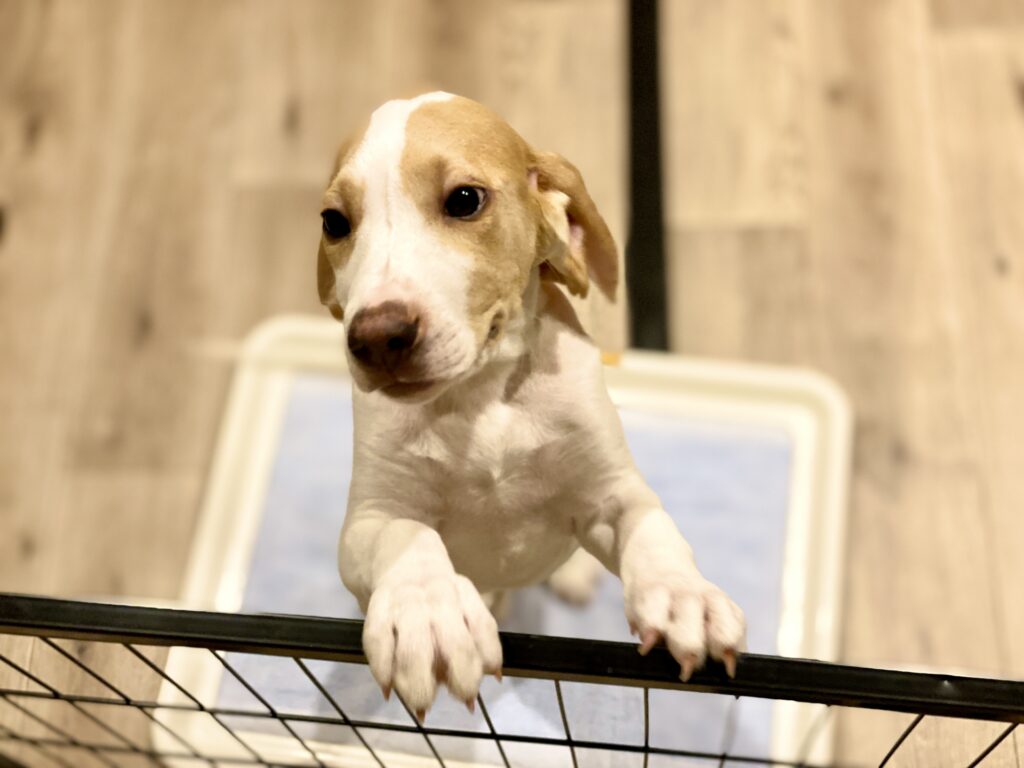
Next, we'll introduce you to puppy toilet habits.
- Toilet Frequency
- Toilet Timing
The above two points are important information for ensuring your puppy properly uses the toilet, so owners should be aware of them.
Toilet Frequency
While puppies vary in frequency per day, they generally go to the toilet more frequently than adult dogs.
The average number of times a puppy goes to the toilet is about 6 times a day.
Puppies' bladders are still developing, so they can't hold their pee for long.
It's said that a puppy can hold its pee for about 1 hour plus its age in months. A 3-month-old can only hold it for about 4 hours.
After 6 months of age, your dog's urination frequency will gradually decrease, and as an adult, he will be able to hold it in for longer periods of time.
An adult dog will urinate approximately 3-4 times a day.
Puppies also poop frequently, averaging approximately 5 times a day.
Once they reach adulthood, this number will decrease to approximately 2-3 times a day.
Puppies tend to use the litter box frequently, making it prone to becoming soiled.
For this reason, be sure to clean the litter box regularly and change the pet sheet if it becomes soiled.
Timing for Pottying
Puppies will go to the toilet approximately once every 3 to 4 hours.
The following are five times when puppies typically go to the toilet.
- When they wake up
- After eating
- When they drink water
- After a walk or exercise
- When they come back from an outing
Puppies usually go to the toilet at these times, so this is your chance to potty train.
The following behaviors are especially signs that your puppy wants to go to the toilet.
- Sniffing the floor
- Starting to circle around
- Becoming restless
Don't overlook these signs, and be sure to guide your puppy to the toilet.
5 Common Puppy Potty Mistakes
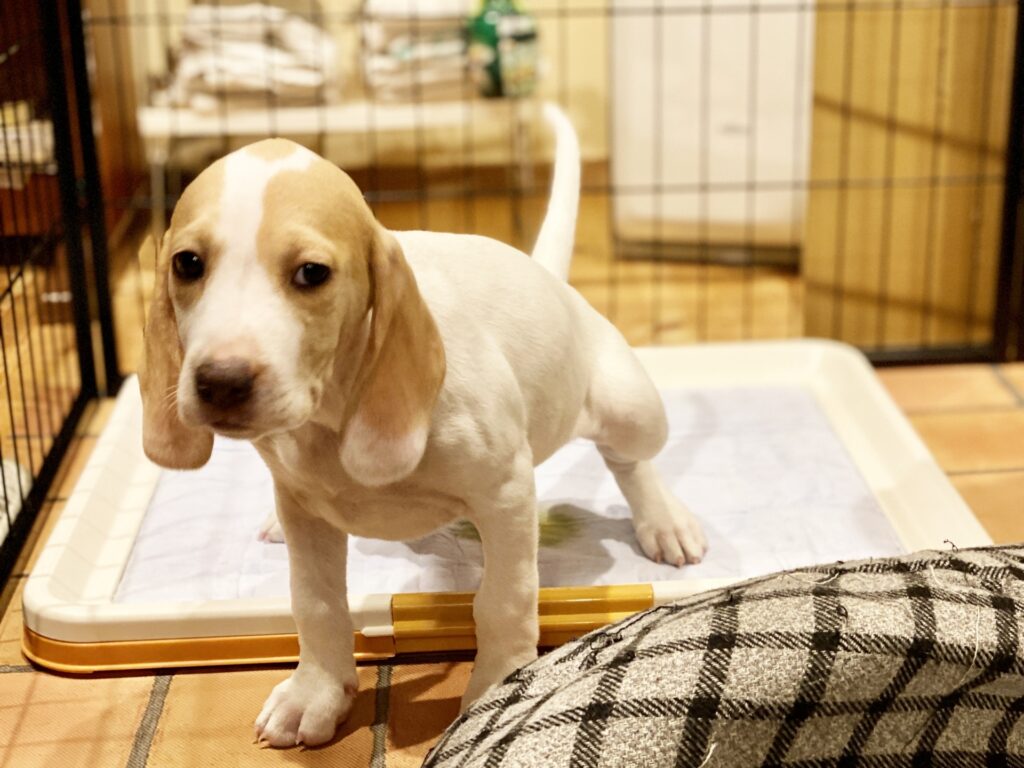
Here are five common puppy toilet mistakes.
- Has an accident when out of the crate
- Doesn't go to the toilet even when taken to the toilet
- Always goes to the same place
- Goes to the toilet all over the room
- Has an accident even though he thought he'd learned to use the toilet
If your dog is making similar mistakes, please refer to these solutions.
① My puppy has toilet accidents when he's out of the playpen
"He's able to use the toilet in his playpen, but when I let him out, he defecates somewhere else."
This is a common problem for puppies.
The toilet in his playpen smells of his own feces, so your puppy will recognize it as the toilet and defecate there without any problems.
However, puppies may mistake not only their own scent but also soft surfaces like carpets for toileting.
If they toilet on carpet, the odor will easily become ingrained, increasing the likelihood of them re-occurring in the same spot.
For this reason, until your puppy has reliably learned where the toilet is, it's a good idea to eliminate soft materials, such as fabric, from your puppy's area of activity.
It's also recommended to lay down floor mats to make cleaning easier if they make an accident.
② Not defecating even when taken to the toilet
If your puppy doesn't defecate even when you take him to the toilet, you may become anxious because you don't know where he'll go.
If your puppy doesn't defecate even when you take him to the toilet, he may not recognize the place as a toilet.
You'll need to let him defecate in that spot several times to help him recognize it as a toilet.
This may not be a quick fix, but with patience, your puppy will eventually learn where the toilet is.
Gradually build up successful toilet experiences.
③ Always Eliminating in the Same Place
Always eliminating in the same place, like on the carpet or sofa, instead of the toilet is a common mistake.
That spot is probably a comfortable environment for your puppy to use the toilet.
If your puppy has used the toilet there several times, the smell of his own feces may have become ingrained in it.
If your puppy always uses the toilet in the same wrong place, thoroughly deodorize the area.
Then, try to prevent your puppy from physically approaching the area by placing an object or putting up a fence.
When your puppy is about to go to the toilet, guide him to the correct toilet location.
④ Eliminating in various places around the room
If your puppy is eliminating in various places around the room, it may not have yet learned where the toilet is.
Therefore, let your puppy experience elimination on the toilet.
If your puppy is allowed to urinate freely in the room, cover the area where he is likely to defecate with toilet sheets.
If your puppy is in a playpen, cover the entire playpen with toilet sheets.
By covering the entire playpen with toilet sheets, your puppy will always defecate on the sheets.
When this happens, give him lots of praise and help him build the experience that "good things happen when you use the toilet on the sheets."
⑤ Accidents even though you thought your dog had learned to use the toilet
If your dog has accidents even though you thought it had, it may not have actually learned to use the toilet yet.
Even if your dog has successfully used the toilet several times, if you give up training halfway through, it may fail again.
Therefore, continue potty training until you can achieve a 100% success rate for multiple consecutive days.
Even if you think your dog has mastered using the toilet, we recommend continuing to praise him every time he successfully uses the toilet.
Summary
We've introduced how to choose a litter box for your puppy and toilet training issues.
When you bring your puppy home, start toilet training it the very same day.
Puppies will start toilet training from the day they arrive at your home.
Ensure your puppy has many successful toilet experiences so that it will remember where the toilet is.
And nowadays, litter boxes with a variety of features are available on the market.
Consider your dog's size as an adult and the size of the room, and choose the optimal size litter box.
Properly toilet train your dog to ensure a comfortable stay for both you and your dog.





![[Chihuahua] How to choose dog food without making a mistake and 6 recommendations!](https://with-my-dog.com/wp-content/uploads/2022/07/image1-8-150x150.jpg)



![Dog diet [exercise]](https://with-my-dog.com/wp-content/uploads/2022/07/image2-37-150x150.jpg)








![[Funny Dog & Cat Videos] Tips for Filming to Bring Out Their Charm and Make Your Dog Look Like That!](https://with-my-dog.com/wp-content/uploads/2022/04/3015452_s-300x200.jpg)