How much should a puppy be fed? How often, when, and what should they not be fed? What is the recommended dog food for puppies and how should you choose it?

To all of you who have welcomed a puppy into your family!
You're probably still learning how to raise and interact with your puppy.
So, this time, we'll focus on what to feed your puppy!
1. Up to what age is a puppy considered a pet?

First of all, dogs have a much shorter lifespan than humans. The average lifespan of a dog is 10-12 years for large dogs and 13-15 years for small dogs.
While the puppy stage varies depending on the breed, it is generally considered to be between 10 months and 18 months of age.
Puppies also have stages.
- The neonatal stage is from birth to two weeks after birth.
- The transitional stage is from three weeks after birth.
- The socialization stage is from 13 weeks after birth.
- The juvenile stage is from six months after birth.
The amount, frequency, and content of food will also vary depending on the season, living environment, and breed of dog, so we will introduce these below.
2. How much and how often should I feed my puppy?
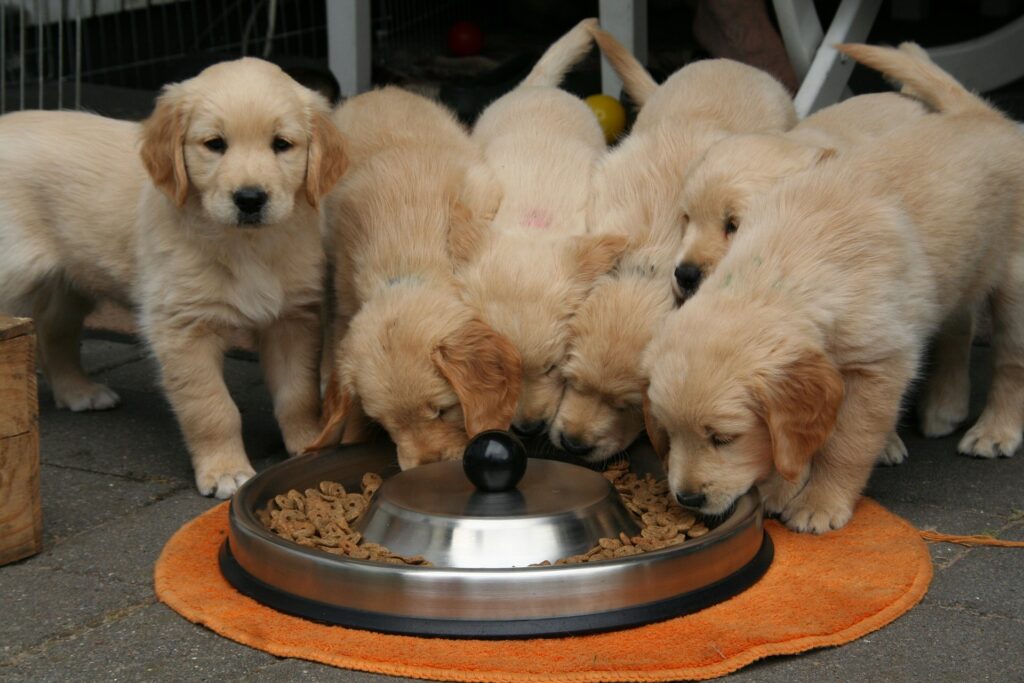
First, as a basic guide to your puppy's diet,
It takes time for puppies' digestive systems to develop, so it's important to feed them small amounts frequently.
So, how often and how much should you actually feed your puppy?
First, in terms of frequency,
- Until 3 months of age, 3-5 times per day
- 3-6 months, 3-4 times per day
- 6 months to 1 year, 2-3 times per day
The following is the recommended feeding frequency.
It's important to let your puppy eat as much as it wants without worrying about obesity.
However, overfeeding can cause rapid growth and potentially lead to skeletal problems.
The amount you should feed your puppy will depend on its breed and size (large, small, etc.).
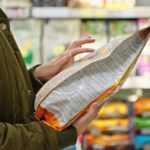
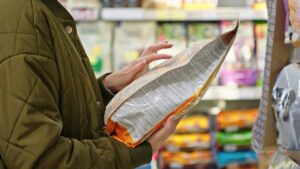
Read the label on the dog food you are feeding it to and consult a veterinarian or specialist.
3. What should a puppy eat?
Now that we know how often and how much to feed your puppy, let's take a look at what to feed them!
・Weaning food until 3 months of age
_Steamed dog food in lukewarm water or baby food with a high moisture content
※Do not use mineral water when steaming
・Switch to dry food between 3 and 6 months of age
_The moisture content of food decreases, and the digestive system is developing.
No need to steam dog food
- Dry food from 6 months to 1 year of age
As you can see, the food your puppy eats will vary depending on their stage.
4. What should you not feed your puppy?
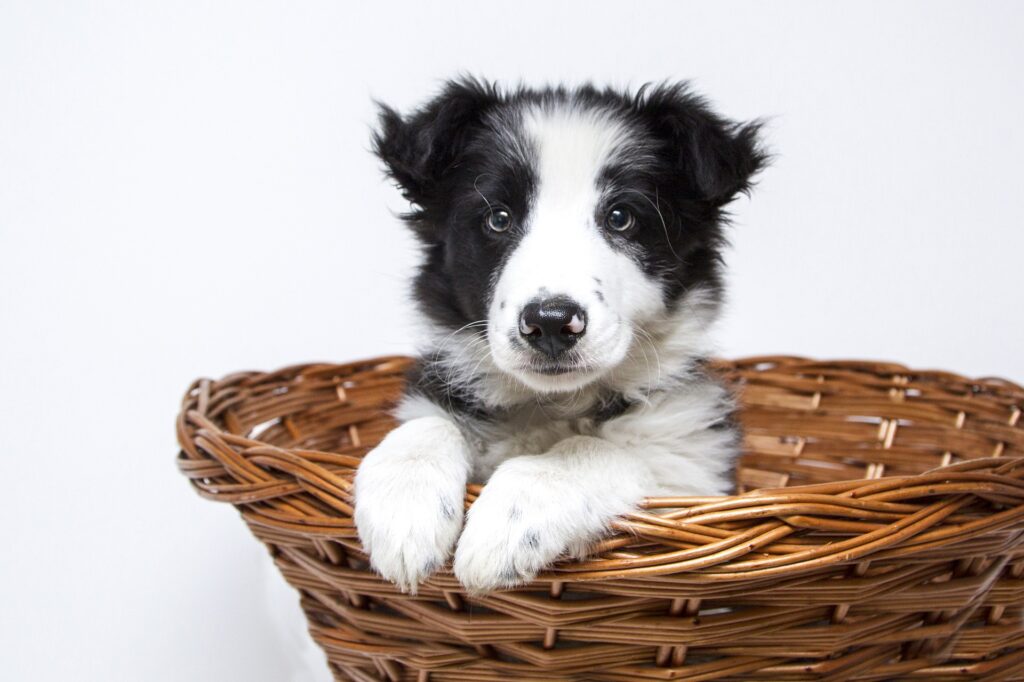
As newborns, puppies are quite delicate and require careful attention, especially when it comes to food.
So, what foods should you avoid giving to puppies?
・Onions
_Contains ingredients that destroy red blood cells in the blood, which can cause bloody urine, diarrhea, vomiting, etc.
・Spices (pepper, wasabi, chili peppers, etc.)
_Spices irritate the stomach and intestines, potentially causing diarrhea.
It may also cause numbness.
・Chocolate
The ingredients in cocoa can cause vomiting, diarrhea, and chocolate poisoning, leading to shock and acute heart failure.
The higher the cocoa content, the more dangerous it can be, so be careful.
Grapes
_Grapes can cause poisoning and kidney damage. Grape skins are particularly dangerous, as are raisins.
Dairy products
_Dairy products can be difficult to digest and can cause diarrhea and vomiting. When giving milk, use milk designed for puppies.
Raw crustaceans (shrimp, crab, etc.), squid, and shellfish
May cause vitamin B1 deficiency.
Squid may also cause indigestion.
Nuts
May cause indigestion.
Chicken bones
Chicken bones can pierce and injure the esophagus or digestive tract.
Raw eggs
The enzyme "avidin" contained in the egg white can cause stunted growth.
Vegetables
Raw vegetables are virtually indigestible, leading to diarrhea and vomiting.
And many more.
Pay particular attention when feeding your puppy.
5. How to Choose Puppy Food
Just because a food product is labeled for puppies doesn't mean it's actually good for them.
To avoid choosing dog food that's bad for your puppy, keep the following points in mind.
- Balanced nutrition
Puppies' bodies and all of their functions develop rapidly.
If this growth is hindered, they will be prone to illnesses as they grow older, so make sure to feed them a nutritionally balanced diet.
The five major nutrients—lipids, minerals, protein, carbohydrates, and vitamins—as well as water, are especially important.
- No ingredients that are difficult to digest
_Puppies' digestive systems are not yet fully developed, so feeding them food that strains their stomachs can cause indigestion, diarrhea, and vomiting.
It is recommended to feed them food that contains animal protein as the main ingredient.
Furthermore, food that is difficult to digest can strain the internal organs and make the body more prone to fatigue.
Feed your dog easy-to-digest food to help build a strong immune system.
・No added ingredients that require caution
_Although this is not limited to puppies, it is best to use food that does not contain ingredients that are difficult to consider safe.
For example, synthetic preservatives, fragrances, colorings, BHA, BHT, etc.
These ingredients are not essential for a dog's health, so be sure to keep them in mind when choosing dog food.
6. Recommended Dog Food for Puppies
・Nutro Japan Supremo All Breed Puppy Food, Small Grains, 3kg

Reference source: Amazon
・Royal Canin Mini Puppy Wet Food (Wet Food for Small Dogs, for Puppies)
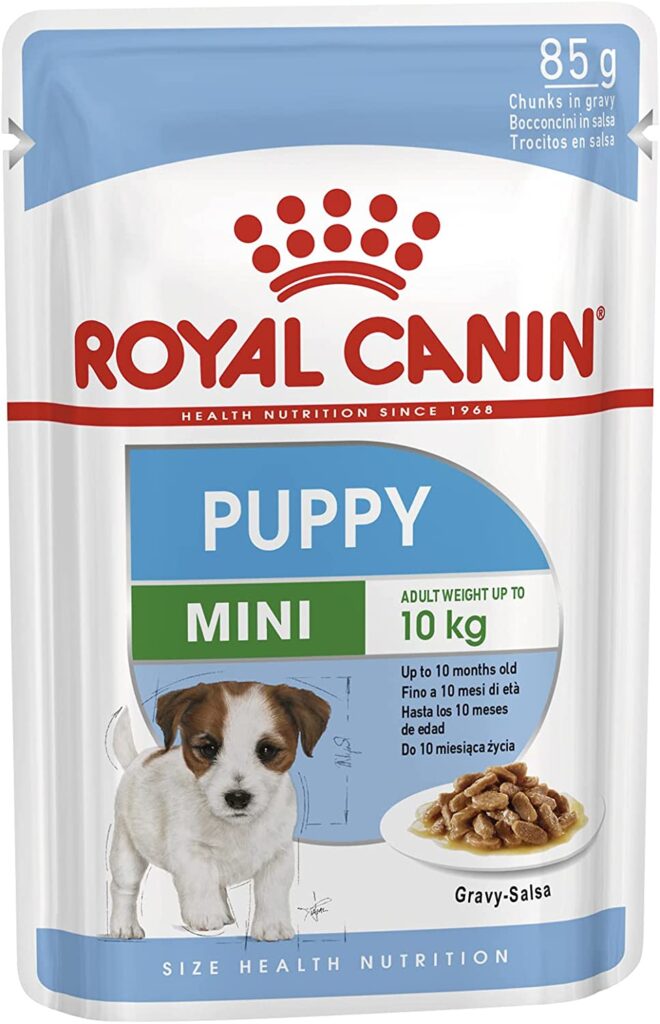
Reference source: Amazon
Artemis Fresh Mix Small Breed Puppy
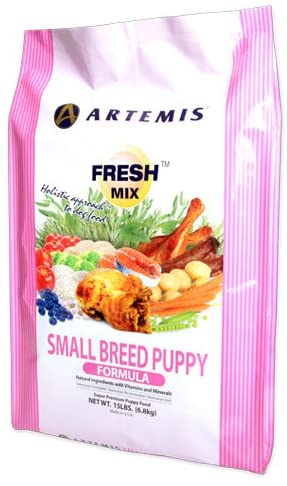
Source: Amazon
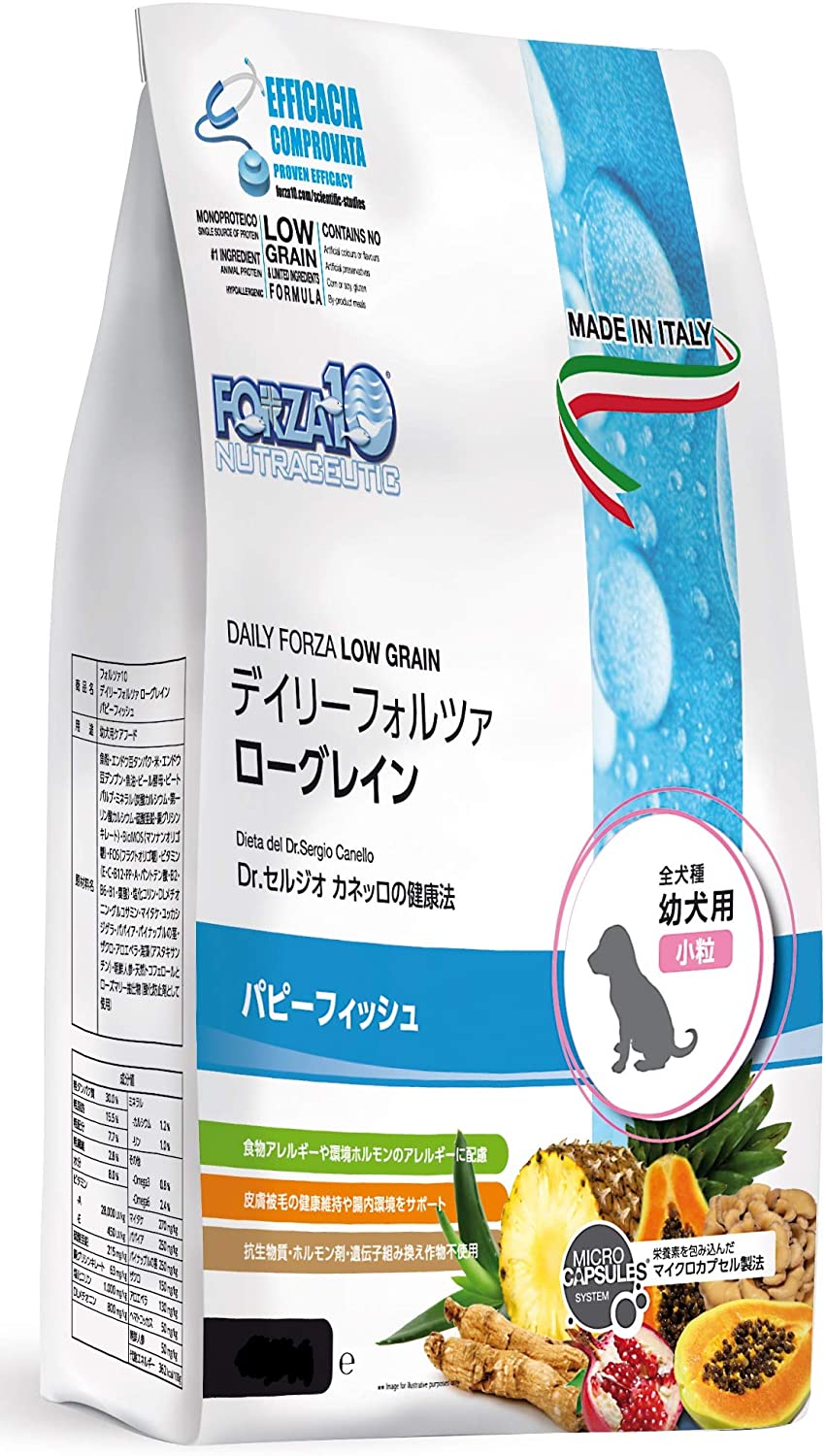
Daily Forza Puppy Fish

Reference source: Amazon
・Nutro Japan Natural Choice [For Extra Small to Medium Dogs] Puppy Chicken & Brown Rice

Reference source: Amazon
7.Summary
What did you think?
This time, we focused on puppy feeding.
Puppies are very delicate, and their diet is key to maintaining their health and growth.
To ensure your puppy's healthy growth, be sure to carefully manage the amount, frequency, and content of their feeding!!