
Shiba Inu, a Japanese breed, is calm and stubborn, yet obedient and loyal to its trusted owners and family. While they will faithfully obey those they recognize as their master, it's not uncommon for them to be unfriendly with anyone other than their owner.
They retain a strong wild animal trait, so if they're wary, they may bark in hostility at strangers who try to touch them. Because of their stubborn nature, this breed is one where many owners face training challenges.
Some people may struggle with toilet training, barking, and biting. However, by building a master-servant relationship with your dog and taking firm leadership, their loyalty will turn them into an obedient and faithful companion.
[Shiba Inu toilet situation]
Shiba Inu dogs were originally kept outdoors, so as they grow older, they often develop the habit of defecating outside. For this reason, toilet training methods tend to differ from those for other dog breeds.
For example, if defecating outside becomes a habit, they may stop defecating indoors. This means you have to go outside just to defecate. This also means you have to hold it in when you're away from home, which can be a huge burden for both you and your dog.
To avoid these situations, it's important to start potty training your dog from an early age.
【Toilet Training a Shiba Inu】
The most important thing when toilet training a Shiba Inu is creating the right environment. For puppies with short retention times, limiting their range of movement and knowing when they need to defecate can increase the chances of success.
First, prepare the toilet. Prepare a house, cage, or special cushion bed to create a special area for your dog.
Providing a special area with your dog's own scent will make toilet training go more smoothly. Start preparing, taking into consideration your dog's size and personality.
*The location and layout of the litter box are important
You might think, "Anywhere is fine as long as there's a litter box," but dogs are very clean, so if the litter box is too close to their sleeping area, they'll feel stressed and won't be able to sleep peacefully. This can also lead to accidents.
For this reason, it's best to place the litter box and sleeping area as far apart as possible. If possible, separate them into separate rooms. If this is difficult, consider surrounding the litter box with cardboard or a board. A quiet area with little traffic is effective for the litter box.
However, avoid locations that are too far away or difficult to reach.
*Don't miss the toilet signals
Dogs have toilet signals. Observe your dog carefully and make sure you don't miss the timing and signs of when it's time to go to the toilet.
- Resistent
- Focusing on his rear end
- Sniffing the floor
- Awkward movements of his hind legs
If your dog exhibits these behaviors, immediately guide him to the toilet.
*Speak to your dog when it's time to relieve itself
When it's time to relieve yourself, continue to speak to your dog the words you've chosen. Simple phrases like "one, one" or "one, two, one, two" are fine.
Once your dog gets used to this routine, he'll associate words with the act of defecation, and eventually, he'll defecate on cue.
One thing to remember is to speak gently. Avoid yelling or putting pressure on your dog. This will make him feel intimidated and stop him from going.
The basic rule is to use soft, background music-like verbal cues, casually and with your eyes averted from your dog.
*Praise generously
Praise your dog generously when he successfully eliminates. Praise him with a bright, high-pitched voice and loud movements, using words like "Great!" or "Great!" to make him happy.
Once your dog understands why he's being praised, he'll recognize the designated toilet area and begin to relieve himself there. Praise him generously when he successfully eliminates in that area.
【Important Points for Potty Training】
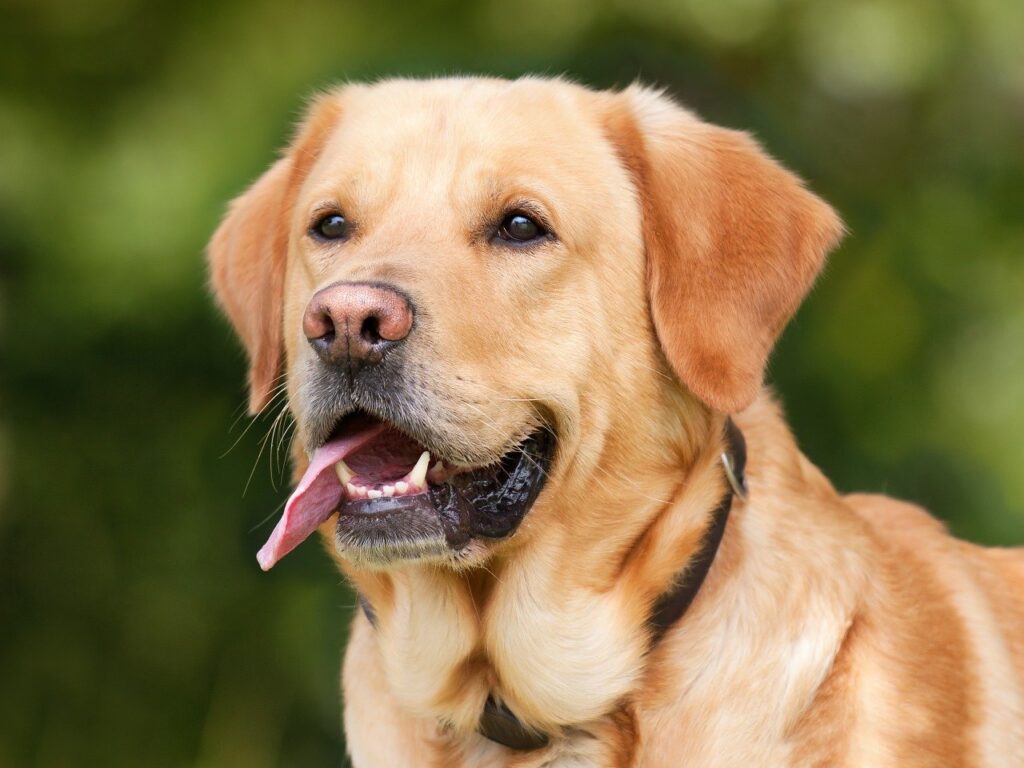
*Never scold your dog even if it makes a mistake
If your dog makes an accident somewhere other than on the toilet sheet, don't scold it. Instead, wipe the area thoroughly to remove any odor and clean it up. Elimination is a natural process, so if you scold your dog, it will be confused and won't understand why you scolded it.
A stubborn dog may develop resentment toward its owner and may even attack. Nervous dogs may interpret elimination as a bad thing and hold it in, which can lead to cystitis, so caution is required.
*Keep the litter box clean
Dogs love cleanliness, so keep the litter box clean. If you leave the litter box clean, they won't try to defecate in the same place again. Therefore, change the litter box sheet after each use. Clean the litter box tray frequently to keep it clean.
*Basically, no litter boxes during walks
Dogs' defecation behavior also serves as a form of scent marking. By marking, your dog asserts its territory to other dogs. If this behavior becomes a habit, it may begin to defecate in any location.
To prevent this, make sure your dog uses the toilet at home before going for a walk, and try not to defecate while on a walk. If your dog absolutely needs to relieve itself outside, make sure it learns to defecate only when you give it permission.
【If your dog is having trouble learning】
The same training method doesn't guarantee success for all dogs. However, there's always a reason for failure, and it often all tends to be some kind of problem on the owner's side.
Even a slight misstep in timing can cause your dog to interpret it differently than you intended, so if your dog is having trouble remembering, it might be a good idea to reassess your training methods.
【Summary】
Toilet training is one of the highest priorities for your child's training. Because toileting is a daily routine, you want to master it as quickly as possible. If you're unsure of your child's daily toileting rhythm, it's effective to carefully observe and keep a record of their toileting.
Also, if you absolutely don't want your dog to defecate in an area, try to fence it off to minimize the risk of your dog failing. Creating an environment that's conducive to success will make potty training easier.
And above all, when your dog succeeds, it's important to praise him enthusiastically. Don't just praise him or pet him, but pet him and give him lots of praise while petting him and interacting with him.





![[Ticks and Sarcoptic Mange] Symptoms and Treatment of Ticks that Harm Dogs](https://with-my-dog.com/wp-content/uploads/2022/01/4ab096d074c35f99ad05687eccf70c28-500x332-1-150x150.jpg)



![[Popular dog food rankings] Recommended dog food and how to choose it](https://with-my-dog.com/wp-content/uploads/2021/10/入れ替え_5枚目-150x150.jpeg)




![[Shiba Inu Lovers Must-See] Why are Shiba Inu so cute? A summary of their cute points](https://with-my-dog.com/wp-content/uploads/2022/07/image2-26-300x200.jpg)