Does neutering change a dog's personality? Three things to keep in mind when caring for your dog after neutering

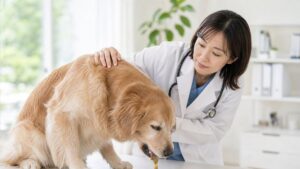
Neutering can be a stressful experience for dogs.
Even though we know there are many benefits to neutering, hearing stories of dogs' personalities changing after surgery can make owners anxious.
So, what kind of changes occur after neutering? This article answers various questions to help you visualize the changes in your dog's appearance and personality after neutering.
We'll also explain key points for post-neuter care, so please refer to this article.
Does neutering change a dog's personality?
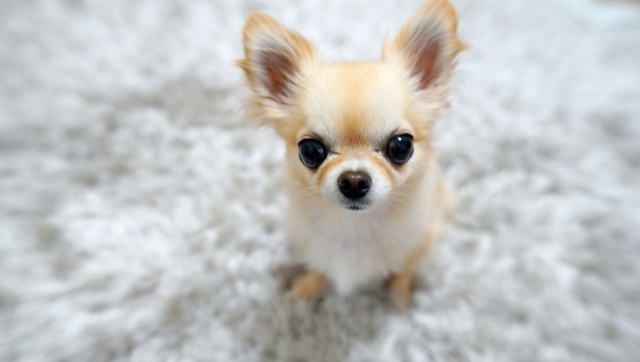
Have you ever heard that neutering your dog can make it more gentle and easier to care for?
First of all, why does neutering sometimes change your dog's personality?
Here, we'll explain why neutering can change a dog's personality and what specific changes can be expected.
Problem behaviors can be reduced
The following are some of the problem behaviors in male dogs that are influenced by male hormones:
- Escapes in pursuit of estrus-inducing females
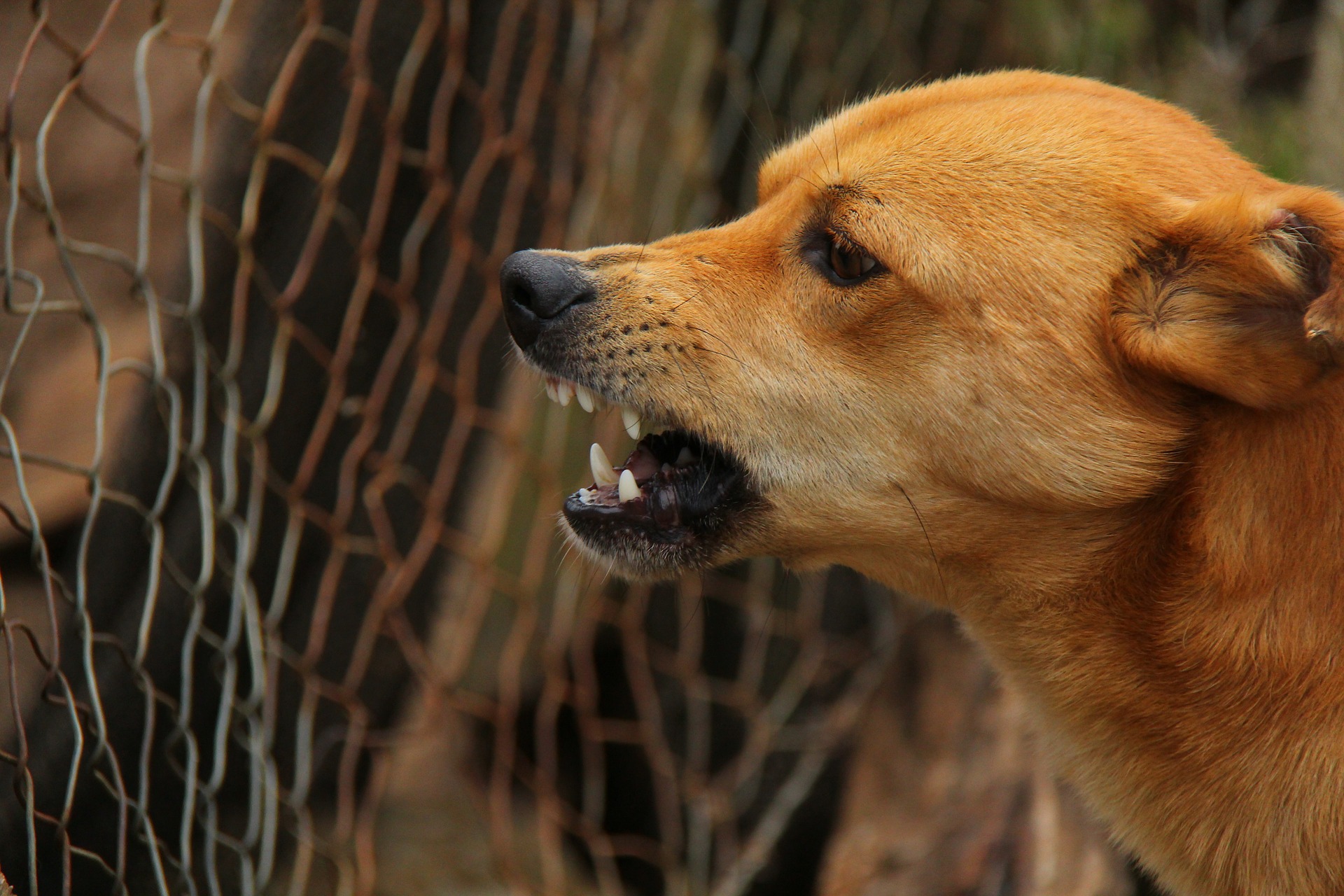
- Increased territorial awareness leads to increased fighting
- Raising one leg to urinate and mark the area
Furthermore, neutering surgery suppresses the secretion of the male hormone "testosterone," thereby reducing problematic behaviors influenced by male hormones.
Becoming Timid
Males are naturally active and playful, and many are loyal to their owners and brave enough to stand up when the time comes. Despite their active nature, male dogs can also be affectionate and lonely, which is what makes them so adorable.
However, after neutering, the secretion of male hormones, which affect their activity, is suppressed, which can cause them to lose confidence or become timid.
If your dog is naturally timid, it's a good idea to build up his confidence through prior discipline and training before considering neutering.
Changes May Be Temporary
Neutered dogs may experience significant stress immediately after surgery due to fear of the hospital itself or the procedures required for surgery, or the shock of being left alone at the hospital. Therefore, it's possible that any changes in personality after neutering are temporary and caused by immediate stress. I've heard from experienced owners that they didn't notice any changes in their dog's personality, or if they did, they were only temporary.
As mentioned above, your dog's personality and behavior may change after surgery due to shock. In such cases, please monitor the situation for a while.
Just as each dog has its own unique personality, post-operative changes will also vary. If you have any concerns, it is a good idea to consult a veterinarian or trainer.
Can neutering cure my dog's problems?
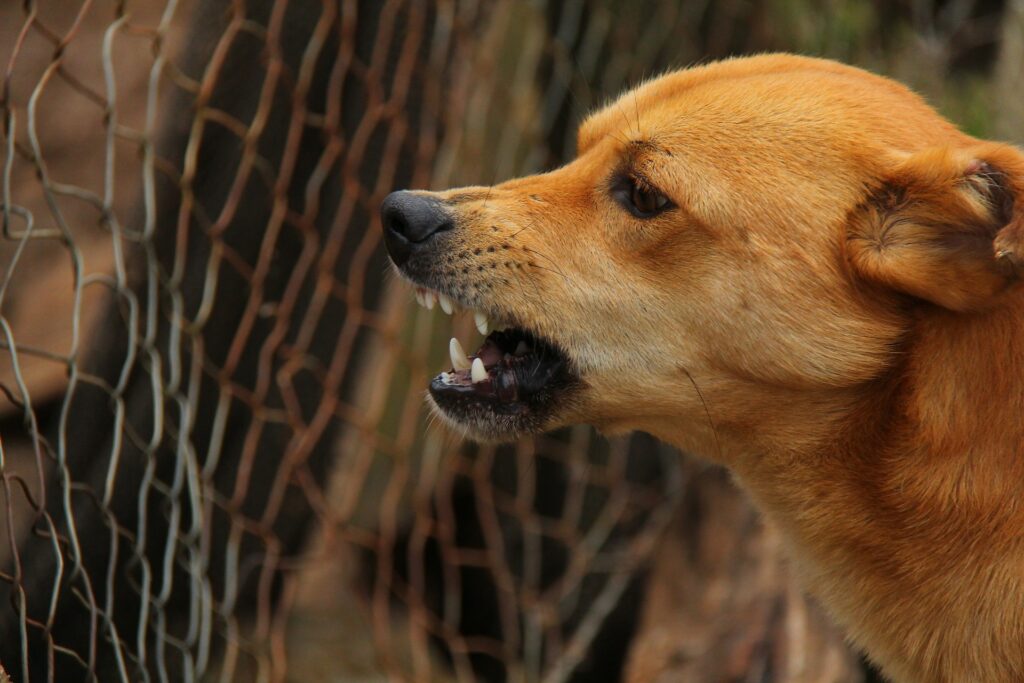
The behavioral and personality changes that occur after castration are primarily due to the suppression of male hormones.
Therefore, if the "troublesome" behavior is due to factors other than male hormones, it is unlikely that the behavior can be controlled.
So, is it possible that neutering your dog's current troublesome behavior can be cured?
Here, we will explain problem behaviors that can be cured by neutering and those that are difficult to cure.
Is it difficult to cure mounting and peeing on one leg?
Behaviors influenced by male hormones generally decrease or disappear when hormone secretion is suppressed. However, even behaviors caused by male hormones, such as mounting and urinating with one leg raised, may not be cured by neutering.
For example, for dogs that already mount or that mount as a play activity, neutering may be difficult to cure the mounting behavior. The same is true for urinating with one leg raised; it is difficult to cure a dog that has already developed a habit.
Therefore, if you want to prevent your dog from mounting or lifting one leg to urinate, you need to have him neutered before the habit becomes established. If you bring a male pup into your home, it's a good idea to consult with your veterinarian as soon as possible.
Reasons for Aggression toward People and Dogs
Aggression in dogs is not just caused by male hormones.
- Pedigree
- How the Owner Treats the Dog
- Living Environment
Various factors, such as:
Problem behaviors caused by male hormones often subside after neutering. For example, fights between unneutered males over estrous females or sudden matings will no longer occur.
However, if the problem behavior is due to the breed, the owner's behavior, or the living environment, neutering will not improve the behavior. In such cases, it is important to first change the owner's behavior and living environment. Then, improve the behavior through discipline and training.
If you notice any behavior that concerns you, it is a good idea to consult a veterinarian or professional trainer.
Three Important Points to Keep in Mind When Caring for Your Dog After Neutering
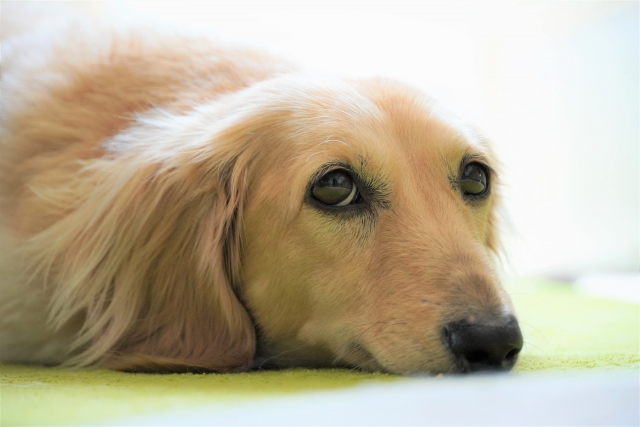
Neutering surgery is often performed on an outpatient basis to minimize postoperative stress. If there are no problems, the dog will be discharged and the owner will be responsible for postoperative care at home.
What should owners pay attention to when their dog is exhausted after surgery? Here are three important points to keep in mind when caring for your dog after neutering.
Physical Care: Rest in Mind
The period from when you return home until the stitches are removed is a period of rest.
In particular, avoid walks as much as possible on the day of surgery. Also, since there is a risk of the wound reopening, avoid strenuous exercise until the stitches are removed. Do not let your dog run during walks, and avoid taking it to the dog park.
Also, because your dog will be under anesthesia, there is no need to force him to eat on the day. Give him water little by little.
After neutering, your dog's metabolism slows down, making him more likely to gain weight. Therefore, even if your dog wants to eat, continue to feed him the same amount of food as before. If he is gaining weight, it may be a good idea to consult your veterinarian and switch to a specialized food.
In addition, we will introduce how to care for your dog after neutering in the next article.
The process and recovery process for your dog after castration. Just pay attention to these points and you'll be safe!
Mental Care: Focus on Relaxation
After surgery, your dog will likely be experiencing some emotional stress. They may be frightened by unfamiliar people and surroundings, the procedures required for surgery, or the shock of being left behind at the hospital.
Some puppies may be so affected that they stop eating.
Especially on the day of surgery, give your pup plenty of physical contact and their favorite treats to gradually ease their emotions.
However, from the day after surgery, there is no need to pamper them. Return to your usual interactions and routine.
Dietary Care: Beware of Obesity
Neutering causes hormonal imbalances and a slower metabolism, making your pet more susceptible to weight gain. Furthermore, the stress caused by estrus is eliminated, which may increase your pet's appetite more than before surgery.
Therefore, after neutering, it is important to properly manage your pet's diet to prevent excessive weight gain and encourage active exercise to build muscle. If you are still concerned or your pet is gaining weight, we recommend consulting your veterinarian and switching to specialized food.
Obesity can lead to injury and illness in dogs, too. For your dog's health, please keep your dog's weight under control.
Summary
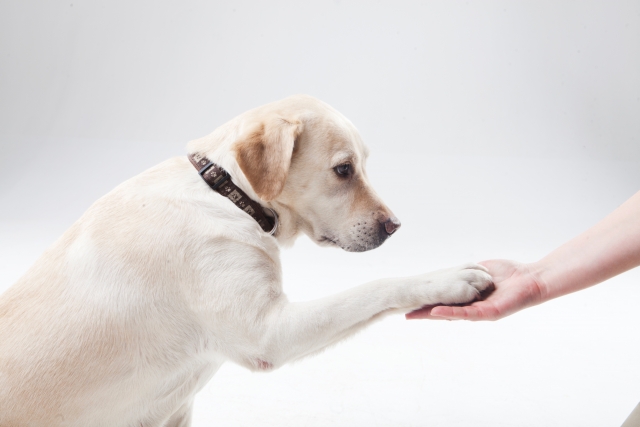
Neutering can be a stressful experience for your dog.
Even if you make the decision after considering the benefits, you'll likely experience a lot of anxiety. Your anxiety will be transmitted to your dog. Knowing in advance what type of surgery will be performed and what to be careful of afterward will help you remain calm.
Post-operative care can be stressful or even difficult, but please make sure to provide your dog with the proper care after undergoing such a major surgical procedure.
Even if you feel like your pet's personality has changed after neutering, please continue to treat it with the same love and affection as before.



![Want to see cute dog photos? A collection of popular sites [including free stock images]](https://with-my-dog.com/wp-content/uploads/2022/07/image4-11-150x150.jpg)
![5 sites for finding foster homes for rescued dogs and cats [Basic information before rescuing]](https://with-my-dog.com/wp-content/uploads/2021/09/andriyko-podilnyk-M4NYOsSre6g-unsplash-150x150.jpg)



![[Sheltie puppies] Check breeder information for baby dogs](https://with-my-dog.com/wp-content/uploads/2022/01/image1-300x199.jpg)