What should I be careful about when walking my dog, feeding her, etc. after she has been spayed or neutered?

Many people are probably thinking, "I'm planning to spay/neuter my dog, but I'm not sure how to live with him afterward."
Spaying your dog is an effective way to prevent disease, but there are also some things you need to be aware of due to changes in hormone balance.
Reading this article will give you accurate information about spay/neuter surgery. Use the information in this article to learn about a lifestyle that puts as little strain on your dog as possible.
How to Walk Your Dog Immediately After Spaying/Neutering
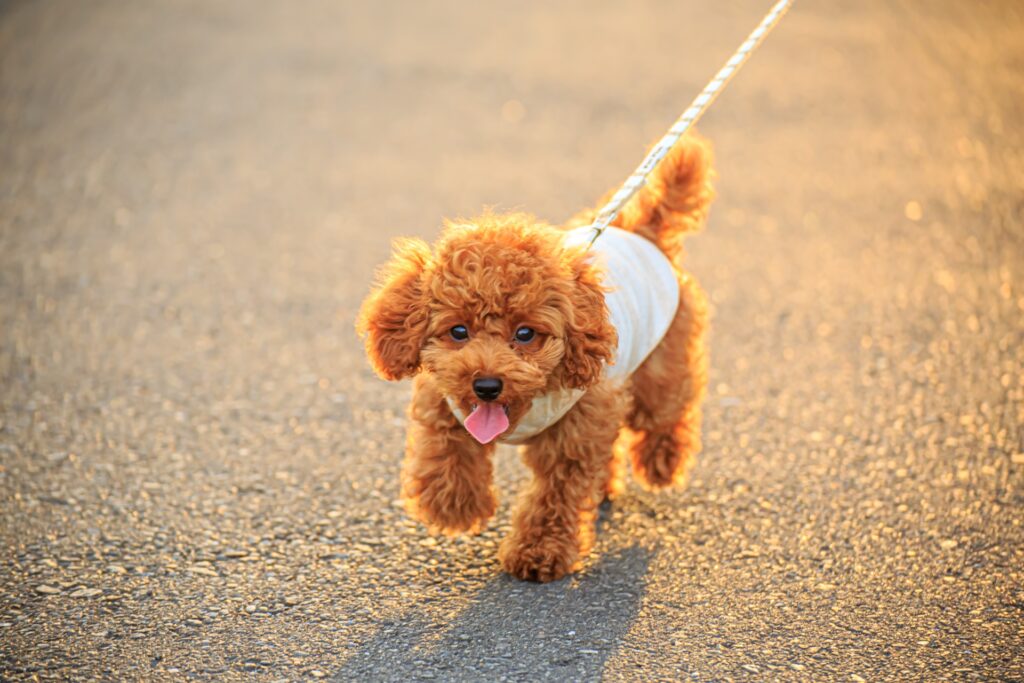
After spaying or neutering, the wound may open up and bacteria may enter through the wound, so it's best to avoid walking your pet. The length of time to refrain from walks varies depending on your veterinarian, but 1 to 5 days is generally recommended.
Here are some things to keep in mind when walking your pet after spaying/neutering:
- Avoid strenuous exercise
- Do not go in bad weather
Strong exercise can open wounds and increase pain, and bad weather can cause bacteria to enter the wound, causing it to pus. Generally, there's no need to take your pet for walks right away, but if your pet wants to go for walks or only defecates outside, check with your veterinarian and take them for short walks.
Walk Frequency
After spaying, refrain from walks for 1-5 days, then check the wound. If there are no problems, resume regular walks.
If your dog appears to be in pain or the redness persists, there's no need to force yourself to take them for walks. If this condition persists for a long time, it's possible that bacteria have entered the wound and caused it to become infected, so take them to the vet immediately.
Walk Time
If your dog only relieves itself outside after spaying, a short walk until it relieves itself is sufficient.
Forcing your dog to move can worsen the wound, so walk at a slow pace. Dogs get excited about going for a walk and may become overexcited and move around violently. In this case, calm them down with commands like "sit" or "stay" before going for a walk.
If the wound is in good condition, gradually increase the length of walks. For the first one to two days after tooth extraction, you will need to adjust the length of walks depending on your dog's condition.
What should I feed my dog after spaying it?
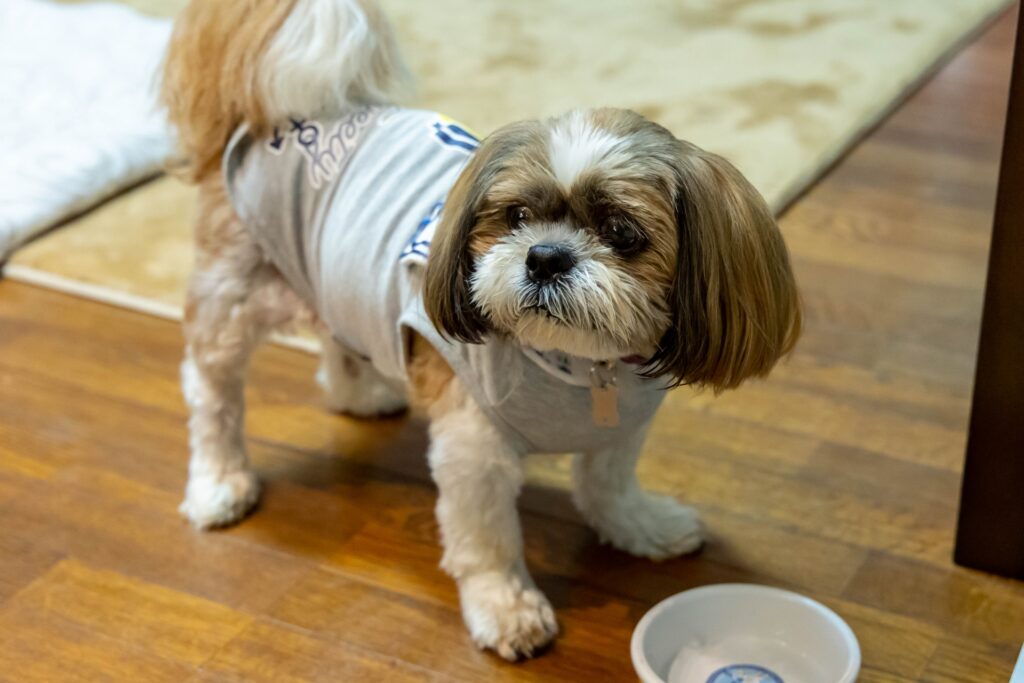
After spaying, your pet may be less energetic and have a lower appetite than usual due to the effects of general anesthesia and surgery. After surgery, do not give your pet the usual amount of water all at once. Start with about a quarter to a fifth of the usual amount, and only add more water after making sure your pet does not choke or vomit.
As your pet will be fasting the day before surgery due to general anesthesia, suddenly eating a large amount may cause vomiting or diarrhea. Therefore, after returning home, give your pet about two-thirds of the usual amount of food, monitoring its condition.
Common Post-Spaying Symptoms
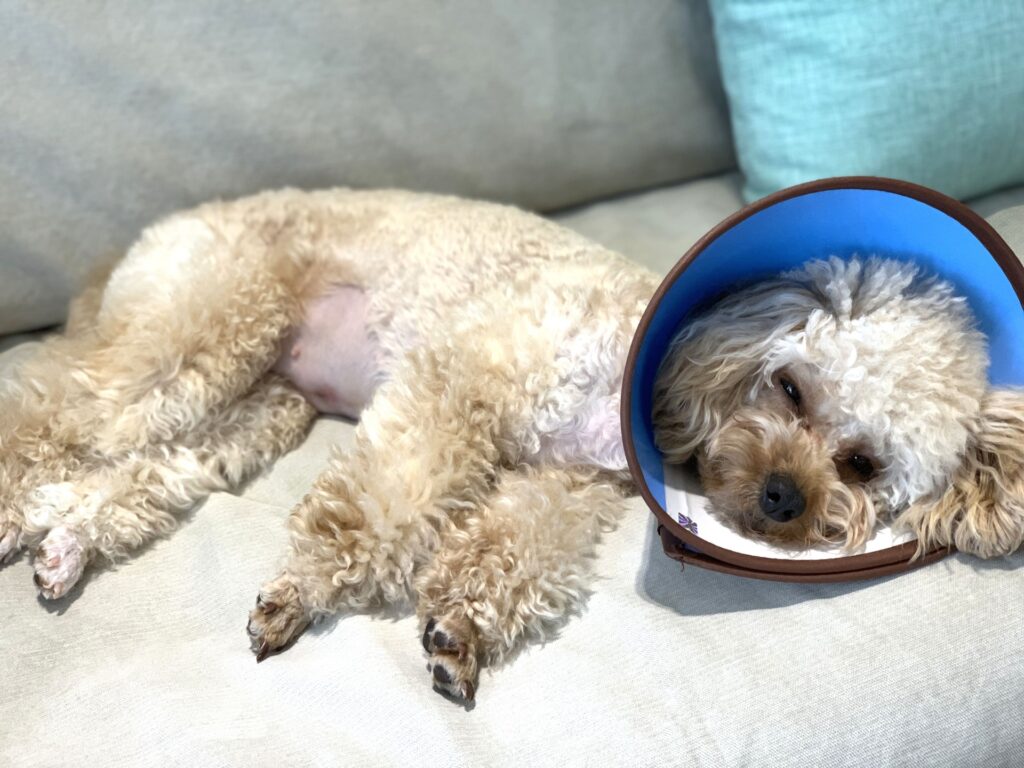
General anesthesia, surgery, and overnight stays at the hospital. No doubt, your beloved dog has experienced something new and frightening. Of course, it's a new experience for you as well, but if you're anxious, your dog will sense it and become anxious.
Knowing what often happens after spaying or neutering can help reassure your anxious dog after surgery.
Shivering
After surgery, your dog may be shivering when you pick him up from the hospital or even some time after he gets home. There are several possible reasons for this:
- Pain or numbness
- Fear of surgery
Pain or numbness
Shivering is the involuntary shivering of the body when it's cold. Shivering can also occur when your pet is in pain or numb, so it's possible that your pet is shivering after the anesthesia wears off and the pain from surgery is starting to set in.
Numbness may indicate a nerve problem, so if it persists after 2-3 days, consult a veterinarian.
Afraid of the Surgery
For a dog, being in an unfamiliar place and without its owner is enough to make it anxious. On top of that, being surrounded by strangers, receiving an anesthetic injection, and waking up to a drowsy state are undoubtedly frightening experiences for the dog. It's possible that this fear has traumatized the dog, causing it to tremble.
In such cases, it's important to first make your dog feel safe in your home by controlling the room temperature, placing a house or bed nearby, speaking to your dog gently, and providing your dog with its favorite foods.
Slow to urinate
The day before surgery, your pet will be fasted for general anesthesia. This disrupts its bowel rhythm, and it may not defecate or urinate for about a day after surgery. It's not uncommon for the anesthesia to wear off, so continue to provide water and food as usual and wait for it to defecate.
Also, straining or squatting can cause pain and make it difficult to urinate. However, if your pet is unable to urinate for more than a day, this could be due to uremia or other problems, so consult a veterinarian immediately.
Toilet Accidents
Toilet accidents are common after spaying. One reason for these accidents may be weakened muscles around the urethra due to hormonal changes caused by spaying. Therefore, do not scold your pet if it has a toilet accident after spaying.
If your pet continues to have toilet accidents for about one to two weeks after surgery, keep an eye on it. If it continues to have accidents after that, try toilet training it again or modifying the toilet.
If the problem is due to hormonal imbalance, treatment with sex hormones or medication may be effective. If your pet simply cannot use the toilet, consult your veterinarian.
Increased Body Fat
After spaying or neutering, a pet's body fat tends to increase due to a disruption in hormonal balance. Even feeding the same amount of food as usual can increase body fat, leading to obesity. Obesity can lead to various illnesses, so it's important to consciously prevent your pet from becoming overweight.
To prevent your dog from gaining weight, do the following:
- Switch to low-calorie foods
- Exercise regularly
- Monitor your weight and body shape regularly
Summary
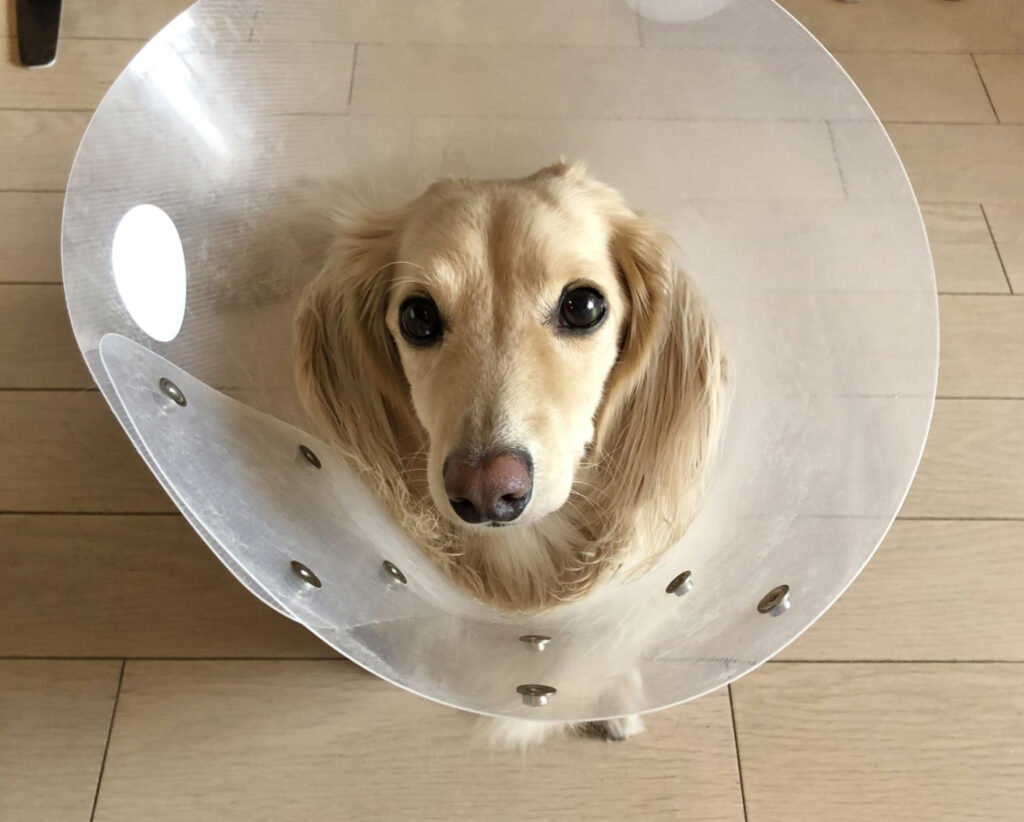
For the first few days after spaying or neutering, avoid walking your dog to prevent the wound from reopening. Walk slowly if your dog is not defecating. If your dog is excited, calm him down and avoid strenuous exercise. Also, gradually introduce water and food to your dog, monitoring his condition to prevent vomiting.
After surgery, due to trauma, pain, and discomfort from the wound, your dog may be very frightened or have toilet accidents, which can cause abnormal behavior. Even in such cases, owners should take appropriate measures to reassure their dog.





![[Dog Food Storage] How to store dog food](https://with-my-dog.com/wp-content/uploads/2022/09/pumpkin-hokkaido-gd74954bb8_1920-150x150.jpg)