

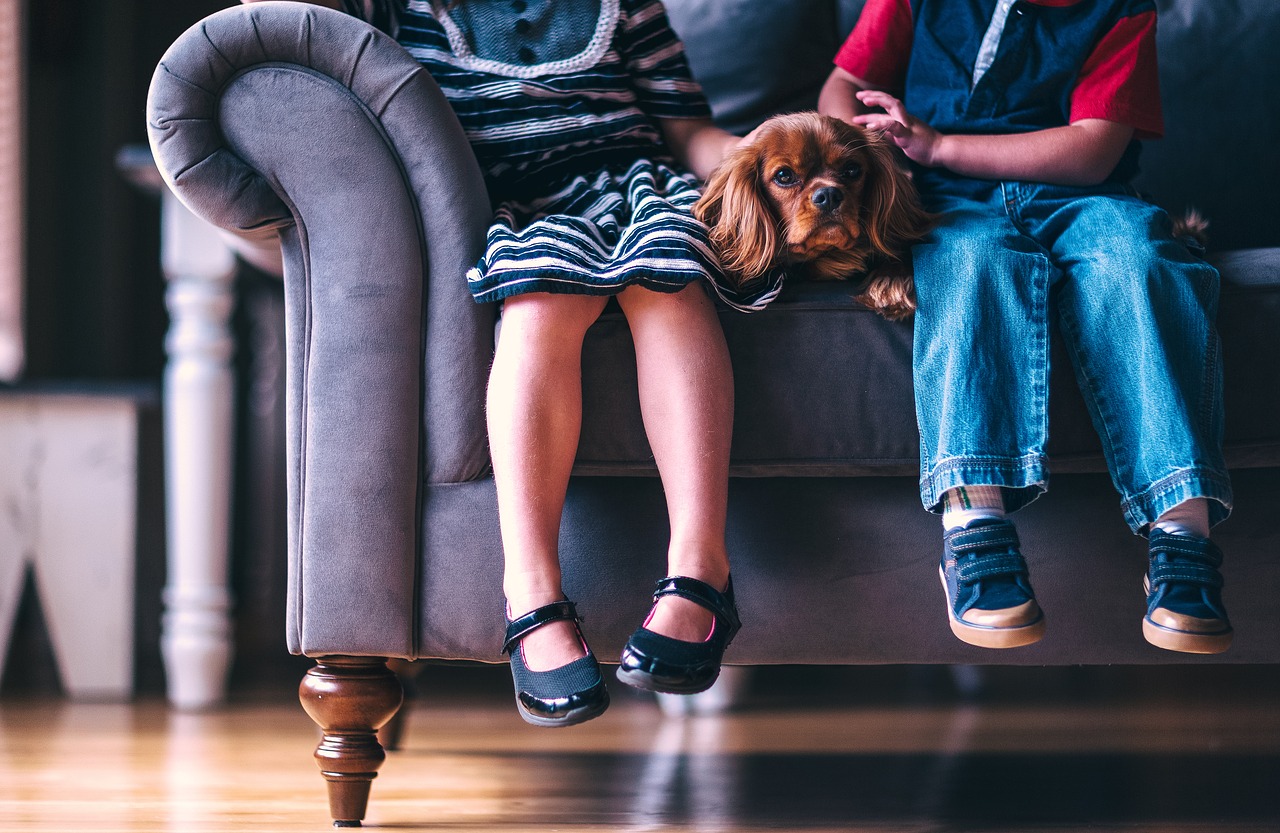
Hello! Today, I'd like to introduce you to toilet training for adult dogs.
If you train your dog to use the toilet as a puppy, it will remain accustomed to it and will continue to use the toilet without any problems even after it becomes an adult or senior dog. However, it is very difficult to change a dog's toilet habits, which are based on your lifestyle until it becomes an adult. Starting toilet training for an adult dog requires patience. It's hard to train, but never scold him if he fails. Take your time and don't rush!
Understanding Your Dog's Behaviors
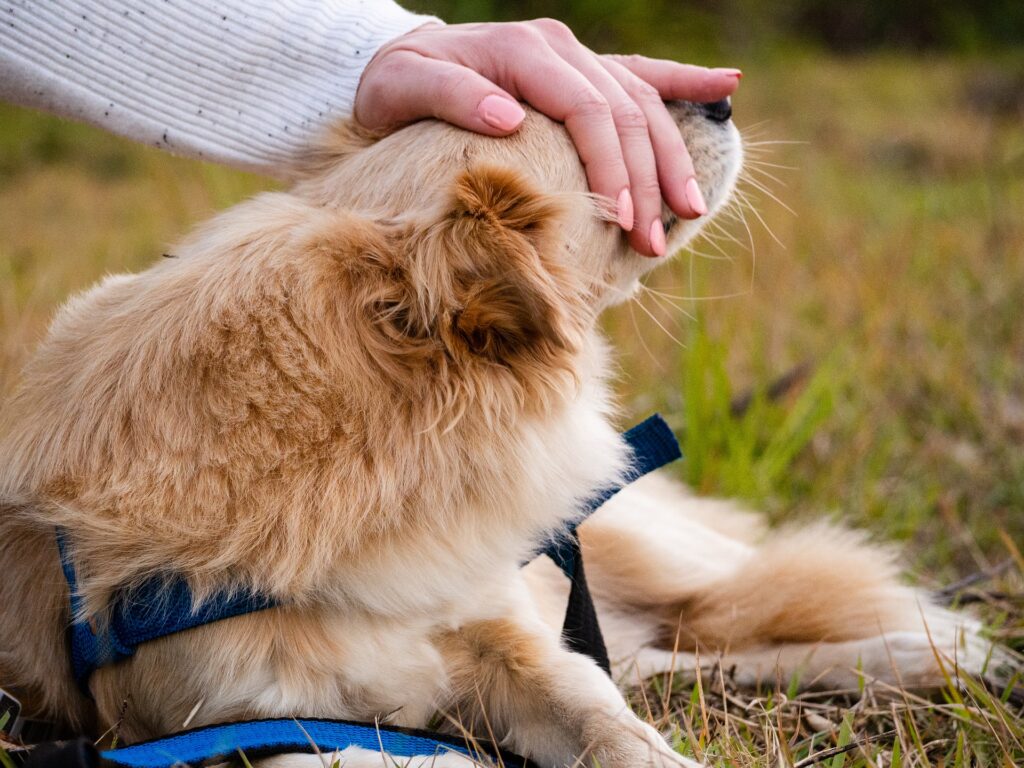
First, let's talk about dog habits.
By understanding their habits, you can help them learn what they need to know.
- They like to go to the bathroom in soft, fluffy places.
- They use comfortable places as toilet areas.
- They go to the bathroom in designated areas.
They instinctively like to go to the bathroom in soft, fluffy places.
At first, you may find them frequently going to the bathroom on blankets or bath mats. Make sure your dog knows that the area with the pet sheet is the toilet.
Dogs typically use the toilet on the ground or in a designated location during walks. This is based on dog behavior. They instinctively use the toilet a little away from their usual living space. They also prefer a comfortable, predator-free environment. Because they are defenseless while using the toilet, they prefer a quiet, predator-free location.
Dogs remember where the toilet is by smell, so using a toilet-attracting spray with an ammonia scent in the toilet area can be effective in helping them remember the location.
Training a dog that usually toilets outside
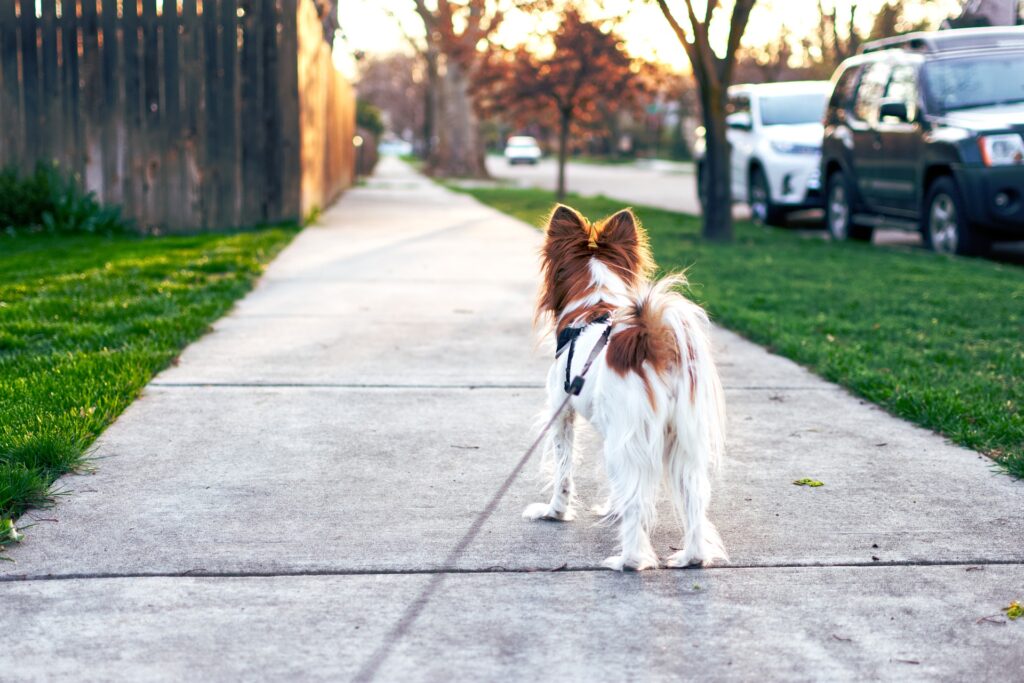
If your dog usually toilets outside, check where he usually does so.
Sand? Dirt? Concrete? Telegraph pole? Dogs learn where the toilet is by the feel of their feet and smell.
Once you've confirmed the location, the next step is to learn the cue sound. Help your dog learn a cue sound, such as "tsk-tsk," "shi-shi," or "toilet," that won't startle him while he's toileting. Once he's used to this sound and starts to toilet when he hears it, try laying a large pet sheet down before he goes to the toilet and having him toilet on it.
If your dog does manage to use the toilet, praise him lavishly. Don't scold him if he fails. Scolding him for failing can cause him to think he was being scolded for using the toilet, and some dogs may stop using the toilet. Train your dog without scolding him.
If your dog is successful, he'll gradually learn to use the toilet by feeling his paws (the pet sheet), so try it indoors too. After his meal, take him to the toilet and guide him onto the sheet. Then, make a signal sound and wait for him to use the toilet on the sheet. Again, don't scold him if he fails; slowly get him used to it!
However, just because he's successful outdoors doesn't mean he'll necessarily be successful indoors. Here too, you'll need to be patient and continue training.
I recommend setting up a playpen as a toilet area. Simply lay a sheet inside the playpen and wait until your dog is ready to use the toilet.
If you lay a sheet inside, it's almost impossible for your dog to fail, and it's a great way to relax, especially considering the hassle of cleaning up afterward.
Training your dog to go to the toilet outside the litter box
If your cat is usually able to do this but suddenly stops, try to find the cause.
Depending on the cause, the behavior may suddenly stop.
There are many possible reasons for this, but it could be psychological stress. It may also be caused by changing the carpet. It seems to occur when the surface feels similar to the litter box.
Marking behavior may also be instinctive. In some cases, it may be triggered by a change in environment. Living in an unfamiliar place, such as a new house, can make your cat feel anxious because it's outside its territory. In that case, it may be a good idea to place things around the house that smell like you or your dog's usual toys.
Some marking behavior occurs when a strong master-servant relationship has not been established between the owner and dog. To establish this relationship, it is recommended to end the activity by playing with a toy or other item first.
If your dog continues to mark all over the house despite having established a strong relationship of trust, it may be a good idea to have it neutered. Neutering may not be effective unless it is done early, so it's best to neuter it as soon as possible.
If this behavior occurred after you suddenly changed the location of the litter box, re-training your dog may help.
We also recommend inexpensive anti-marking sprays. These sprays contain fragrances that dogs dislike, so they will avoid places with unpleasant odors. This will prevent dogs from marking in those areas, so we recommend using them. Cheap ones start at around 500 yen, so it might be worth giving one of them a try.
Summary
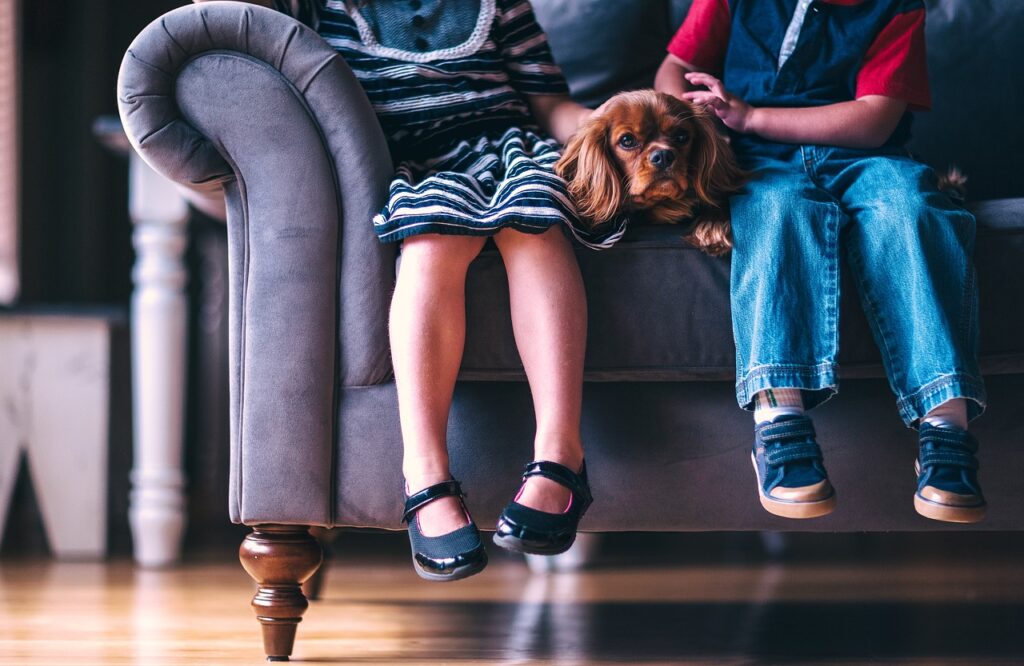
Dogs have a habit of using the toilet in "comfortable," "scheduled," and "soft" places. Creating such an environment indoors will increase the chances of success.
For dogs that usually use the toilet outside, decide on a toilet cue sound. Once they've mastered it, have them learn the feeling of stepping on a sheet. When they start fidgeting after the cue, lay down the sheet, and praise them profusely if they succeed. Never scold them if they fail. They may mistake using the toilet for being scolded and stop using the toilet. This can lead to illnesses such as cystitis.
If your dog has recently started having accidents, try to determine whether the environment has changed or if they're experiencing stress.
If your dog is marking due to stress caused by a change in environment, keep things with your scent everywhere and spend plenty of time interacting with it through toys and walks. Make sure your dog understands that the new environment is not dangerous.
Also, marking behavior can be improved with neutering or anti-marking spray.
If your dog has not established a master-servant relationship with its owner, it may mark all over the house. Communicating with your dog regularly and building a master-servant and trusting relationship will reduce marking behavior, so be sure to communicate with your dog regularly.
That concludes our guide to potty training an adult dog. We hope this information is helpful!






![[Shiba Inu Lovers Must-See] Why are Shiba Inu so cute? A summary of their cute points](https://with-my-dog.com/wp-content/uploads/2022/07/image2-26-150x150.jpg)








![[Dog Diet] How to Adjust Your Diet? Introducing Healthy Foods](https://with-my-dog.com/wp-content/uploads/2022/08/image4-e1660552565726-300x191.jpg)



![[Sheltie puppies] Check breeder information for baby dogs](https://with-my-dog.com/wp-content/uploads/2022/01/image1-300x199.jpg)