
Have you ever wondered, "My dog's ears are leaking a strange fluid. I don't know why." Ear discharge in dogs should not be ignored. If not treated promptly, the condition will worsen and cause stress to your dog.
In addition, cleaning ears incorrectly carries the following risks:
- Further worsening the condition
- Damage to the eardrum
By reading this article, you'll learn how to treat and cause ear discharge in dogs, helping you provide your dog with a more comfortable life. Please refer to it!
What does ear discharge in dogs mean?
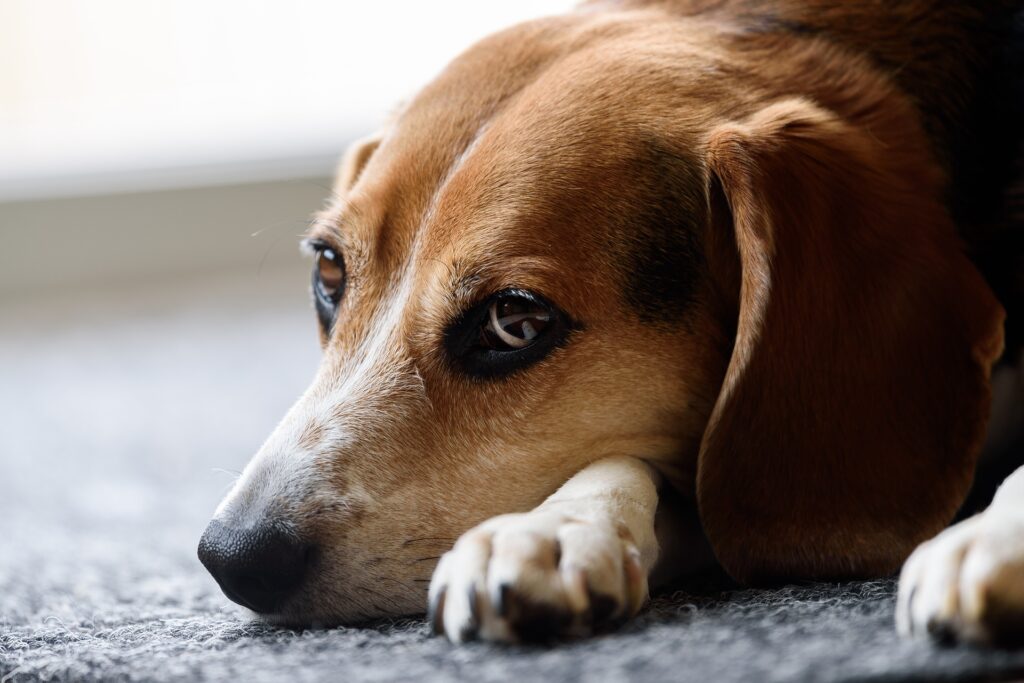
"Ear discharge in dogs" refers to fluid leaking from the ear. It's also called otorrhoea. While ear discharge in dogs isn't uncommon, it can worsen if left untreated, so caution is advised. First, let's learn about ear discharge in dogs.
Ear Discharge Color
If you wipe the inside or around your dog's ear and find a discharge, it's ear discharge.
Ear discharge can be yellow, brown, or black. The color and amount vary depending on the cause of infection, such as bacteria, fungi, or mites. When wiping around your dog's ears, be gentle as it may be painful if your dog is sick.
Smell of Ear Discharge
Turn your dog's ear and smell it. If it smells bad, you should be concerned. This may be a sign of some kind of illness.
To quickly notice any abnormalities in your dog, it's important to regularly check your dog's body. Smell your dog's ears and get a sense of what a normal smell is.
Texture of Ear Discharge
Ear discharge has a sticky, liquid-like texture. As the condition worsens, it can become thick and viscous. In more severe cases, the discharge may contain blood.
List of Possible Diseases from Ear Discharge

Here are some possible illnesses that can be caused by ear discharge in dogs. Even if your dog seems fine, don't ignore the ear discharge. The following illnesses often worsen or recur, so immediate treatment is required.
Otitis Externa
The most common cause of ear discharge in dogs is otitis externa. A dog's ear has a canal that begins at the entrance of the ear, called the "external ear," and then passes through the eardrum to the "middle ear" and "internal ear." Inflammation of the "external ear," the part of the ear closest to the entrance, is called "otitis externa."
If you wipe your dog's ears and find thick, yellow discharge, it may be due to a bacterial otitis externa infection, which will have a pus-like odor. Brown discharge is due to a fungal infection and has a distinctive odor, while a large amount of black discharge is likely due to ear mites.
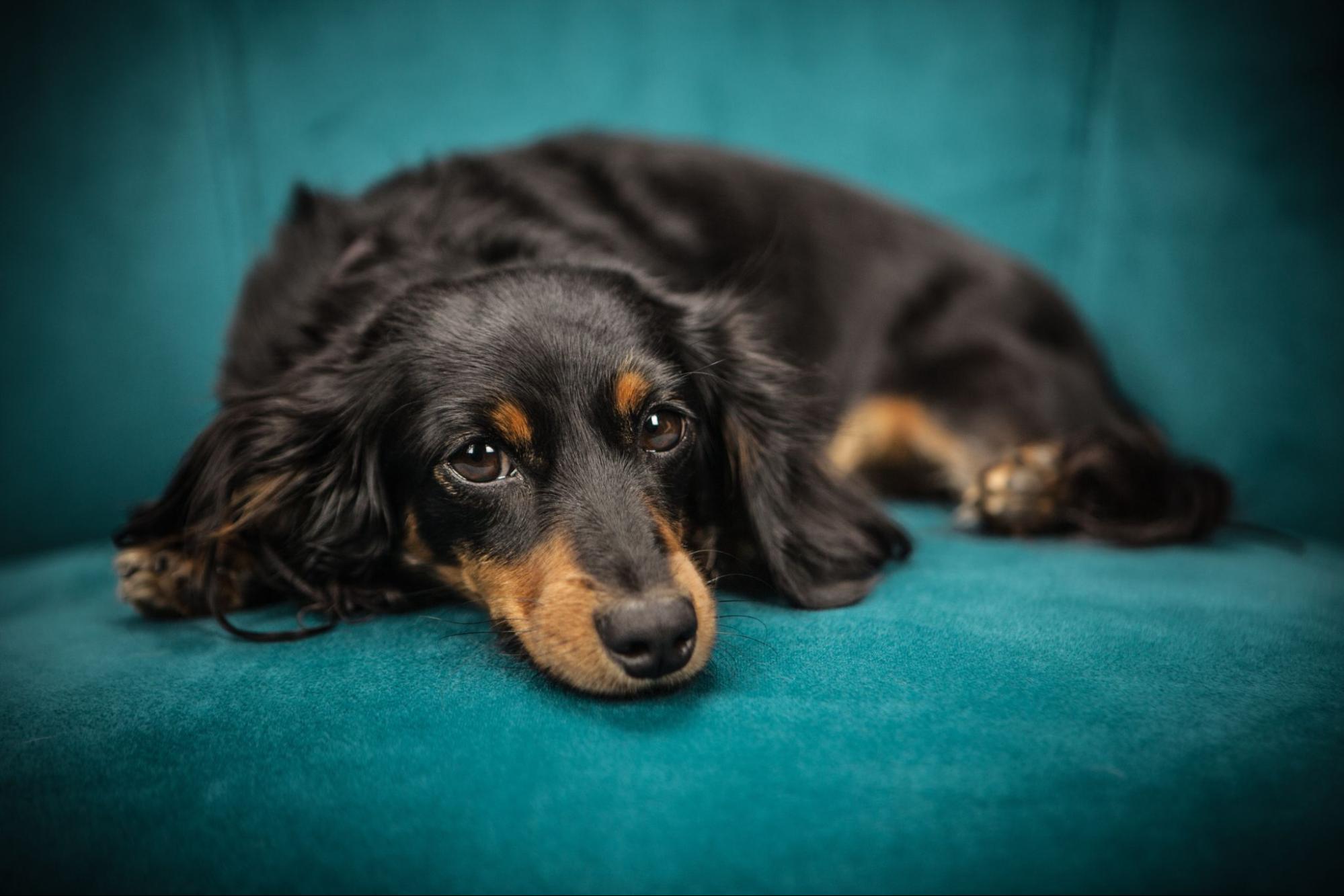
The following floppy-eared dog breeds are particularly susceptible to otitis externa:
- Dachshund
- Toy Poodle
- Cocker
- Retriever
Otitis externa occurs when the ears remain moist for a long time, leading to bacterial growth. Dog breeds with droopy ears are particularly prone to poor ventilation and moisture buildup, so regular cleaning and maintenance is required.
Symptoms of otitis externa include itchy and painful ears. The pain can make your dog aggressive, preventing you from touching its ears. Other common signs of ear discomfort include shaking the head, scratching behind the ear with a paw, and tilting the head with the ear facing down.
It can develop into otitis media or interna.
When otitis externa worsens, it often progresses through the eardrum and develops into otitis media or interna. Otitis media and interna often cause more severe itching and pain than otitis externa, and because it involves the inside of the eardrum, treatment is difficult and time-consuming.
When inflammation occurs in the middle ear, which is located further back than the outer ear, it becomes otitis media.
If your pet has otitis media, the following symptoms will be present, so immediately visit a veterinarian.
- A foul odor
- Severe itching and pain
- Red, swollen ears
- Eczema
In mild cases, symptoms are similar to those of otitis externa. However, in severe cases, the pain caused by the intense inflammation can lead to the following symptoms:
- They may become reluctant to have their ears touched.
- The ear canal may become blocked due to swelling.
- Pus may leak from inside the ear.
The main cause of otitis media is a worsening of otitis externa. Therefore, it is important to completely cure otitis externa as soon as possible.
Inflammation of the inner ear, located further inside the middle ear, is called "internal otitis." Otitis media usually becomes chronic and develops into otitis interna.
Symptoms of labyrinthitis include the following:
- Severe itching and pain
- Facial nerve paralysis
- Hearing loss
In addition, eye symptoms such as unequal pupil size and a protruding third eyelid may also be observed. Laying labyrinthitis can cause severe stress for your dog, and hospitalization may be necessary if the infection is severe.
Home Remedies for Ear Discharge
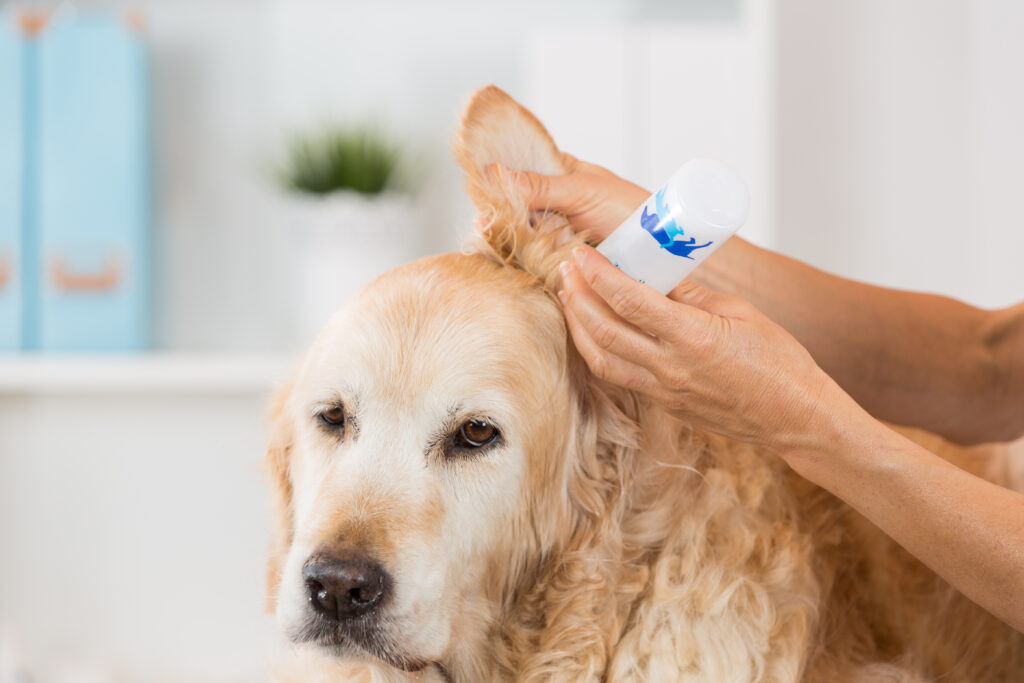
Here are some ways to prevent ear discharge at home to prevent otitis externa, otitis media, and otitis interna.
How to Treat
If your dog shows symptoms of ear discharge, gently wipe it away with cotton or other items to avoid causing pain. Then, take your dog to the vet as soon as possible. It will help things go more smoothly if you tell your veterinarian about the color of the ear discharge and your dog's condition. You can also bring the cotton used to wipe the ear discharge with you.
Prevention
Ears have a "self-cleaning" mechanism that expels earwax from the front to the back, so ear cleaning is generally not necessary. Also, incorrect ear cleaning can lead to otitis externa. Therefore, the basic ear cleaning technique is not to remove all earwax, but simply wipe away any visible dirt that has been removed by the self-cleaning mechanism. Avoid using cotton swabs to clean your dog's ears, as this can damage the eardrum.
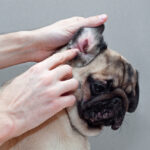
Inspect your dog's ears about once a week. If earwax has come out, gently wipe away any debris with a dry cotton ball or a cotton ball moistened with ear cleaner. If your dog's ears are red and inflamed, even touching them may cause pain. In this case, refrain from cleaning the ears and consult a veterinarian.
Otitis externa in dogs is prone to recurrence, so it's also recommended to clean the ears by injecting liquid ear cleaner into the ears. However, the method will vary depending on your dog's symptoms and personality, so consult your veterinarian for advice.
Summary
If your dog's ears are dripping,
- Otitis externa
- Otitis media
- Otitis interna
It may be that your dog has otitis externa.
Take your dog to the vet as soon as possible. Even if the symptoms of otitis externa are relatively mild, if left untreated, the fluid can pass through the eardrum and develop into otitis media or interna. Otitis media or interna can be painful and cause significant stress for your dog.
Ear discharge is common in dog breeds with floppy ears. The main cause is bacteria that develops from moisture inside the ears. Check your dog's ears about once a week to check for earwax and odor. Be especially careful during the rainy season, when humidity can easily cause ears to become humid.
Dogs cannot speak, so they have no way of communicating itching or pain. If your dog has ear discharge, a foul odor from its ears, frequently scratches its ears, or dislikes having its ears touched, it could be suffering from otitis externa, otitis media, or otitis interna. Owners should carefully monitor and manage their pet's skin to prevent itching and pain.