
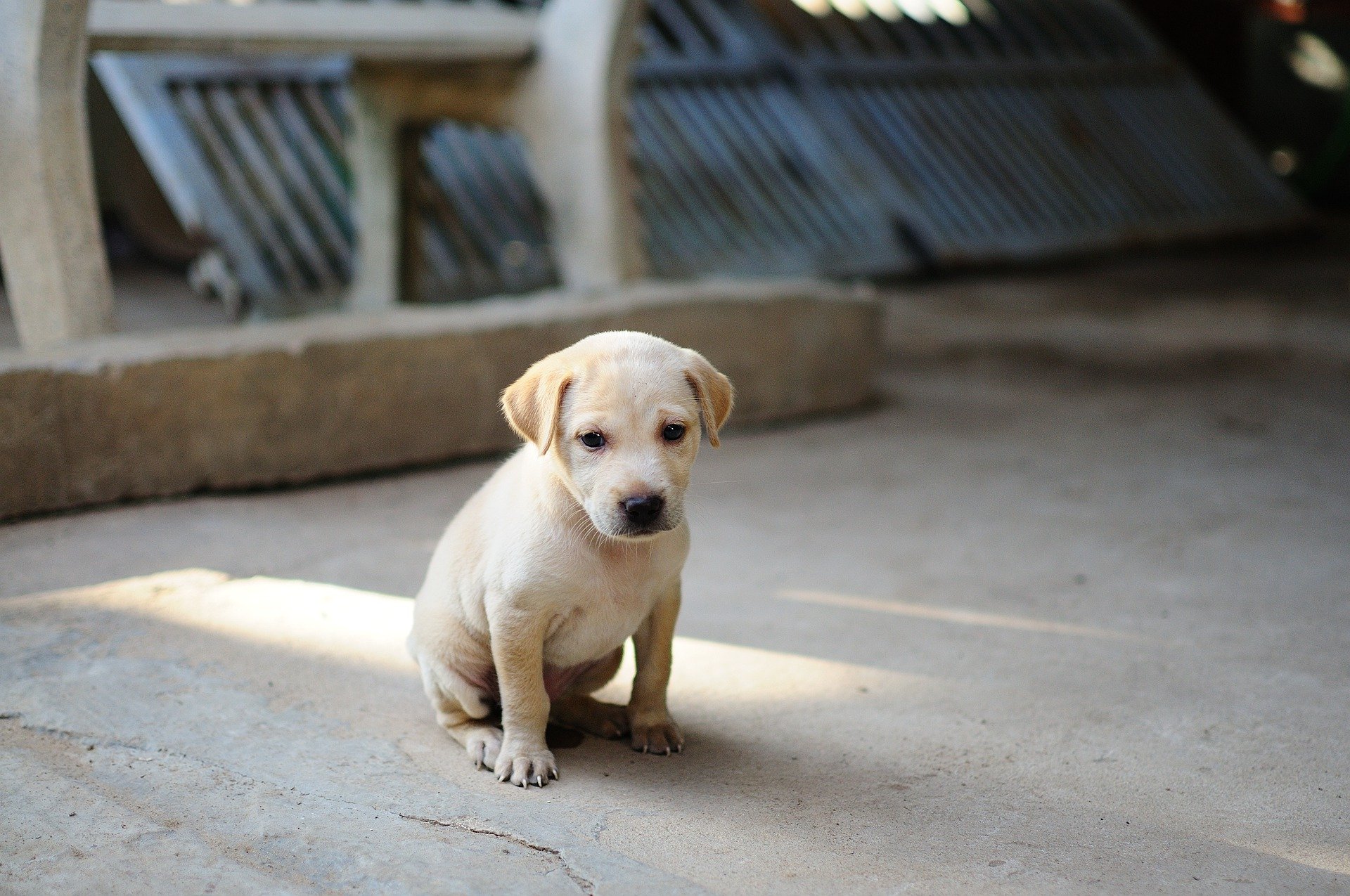
This article explains the process of a dog growing from a baby to a puppy to an adult, and how to train it.
Growth from Baby to Adult Dog
Birth

At birth, both eyes and ears of a puppy's eyes are closed. Therefore, they rely on their sense of smell and touch to sense the warmth of their mother and siblings and to navigate in search of nutrition (breast milk).
Breast milk (colostrum), the first thing a puppy receives, contains substances that strengthen the pup's immune system, so it's important to introduce breast milk (colostrum) as soon as possible.
During this initial stage, babies spend most of their time sleeping.
Of course, you won't be disciplining them at this stage, but since newborns' thermoregulation mechanisms are not fully developed, they need to be kept in an appropriate environment.
Preferably, a place with a temperature between 30°C and 32°C and good ventilation is best.
Nursing period
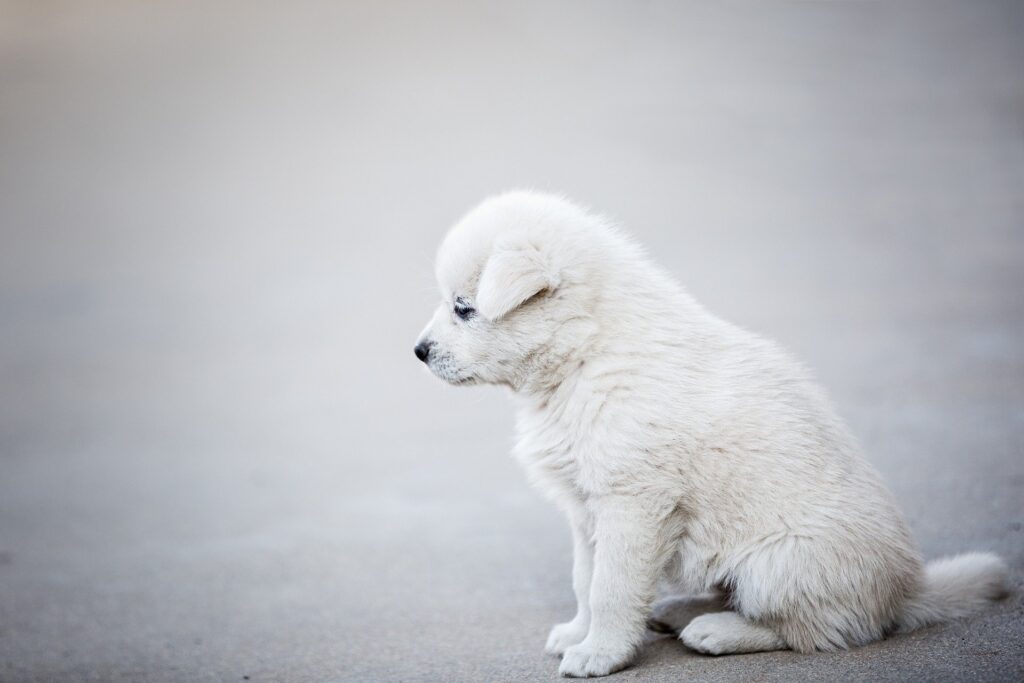
The nursing period lasts for about three weeks from birth. During this period, puppies spend most of their time sleeping and nursing.
Puppies' eyes finally open after about two weeks, and their ears open by the second half of the third week.
Once their ears open, the nursing period ends. Until then, they are building their bodies through sleep and breastfeeding.
There is no training during this period, but by properly exposing them to humans, they will be able to effectively cope with interactions with humans in their future lives.
It's a good idea to interact with them to a degree that doesn't cause stress.
Weaning period
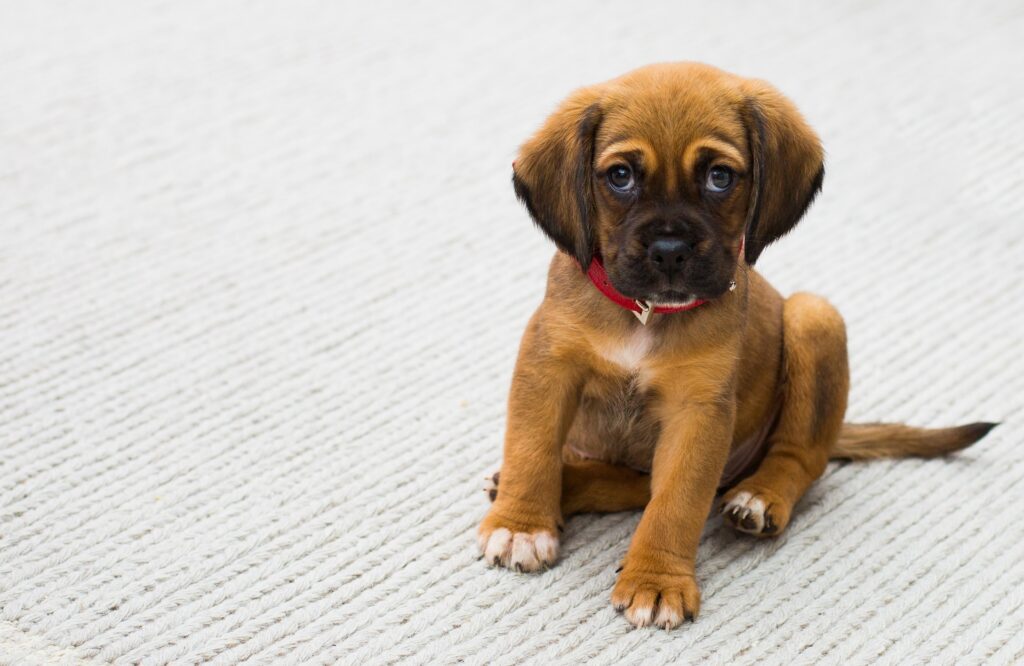
The weaning period lasts for about 4 to 8 weeks.
This weaning period is also the time when puppies become independent of their mothers.
Once they finish toddling, puppies begin to play and fight with their siblings. Their eyes and ears begin to function to a certain extent, allowing them to react to sounds and lights.
This is when they become independent of their mothers. Around this time, they begin to be able to defecate independently. While still breastfeeding, they also become interested in their mothers' food and can drink water from a bowl.
growth period
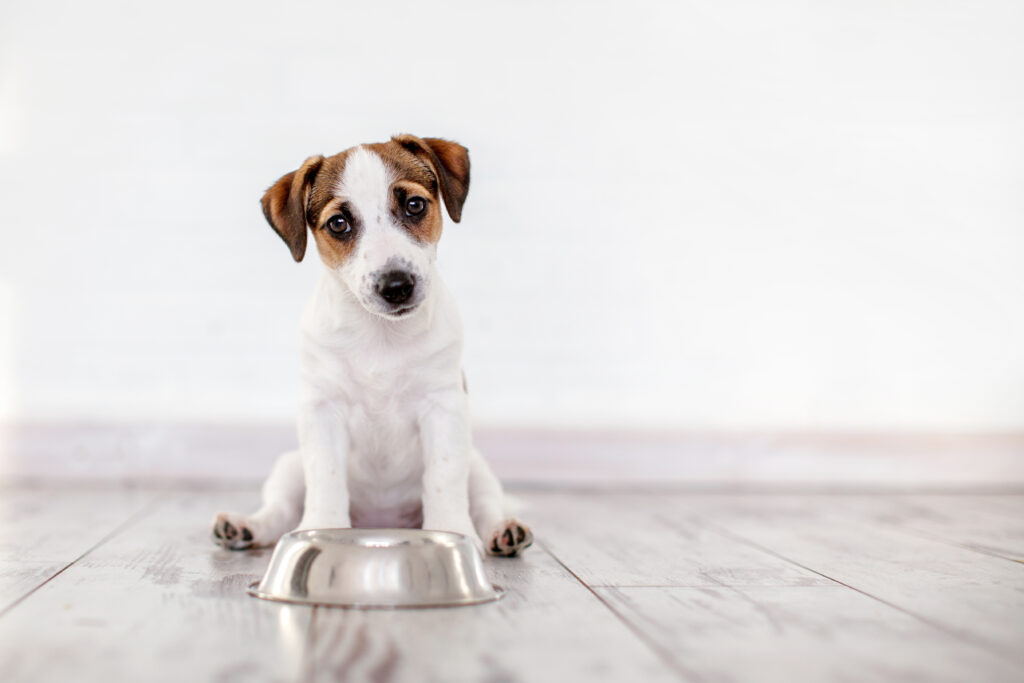
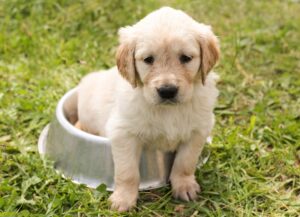
The growth period begins at 8 weeks.
From this point on, puppies begin to recognize their connection to the world around them.
The length of this growth period varies depending on the breed. Small dogs may last about 8 months, while large dogs may last up to 2 years.
Once they reach the growth period, they are born with the ability to learn.
Proper discipline and training during this period will solidify these traits. The order in which training should be performed will be explained later.
This is a time when your puppy will learn and remember so much. By designating a sleeping and eating area for your puppy, you can help them learn the rules of the house. Taking them outdoors for new experiences will stimulate their desire to learn and help them gain confidence.
Proper discipline and training during this time will help build a strong bond with your puppy.
maturity
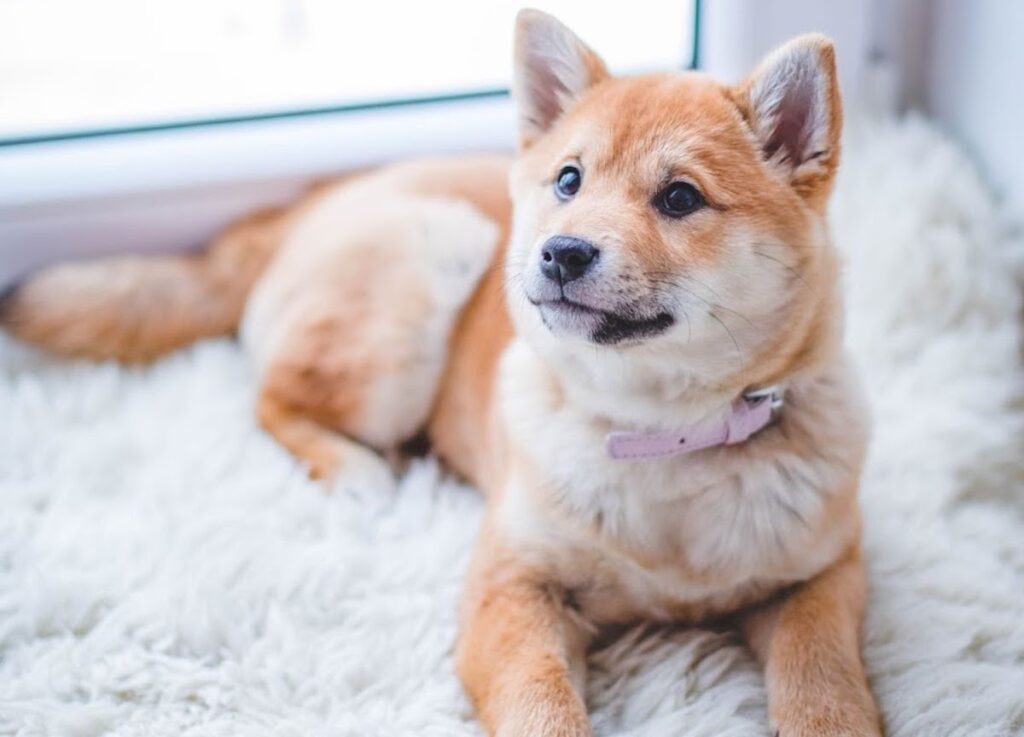
As explained above, maturity is determined by the length of the growth period.
Varies from 8 months to 2 years depending on the breed.
Once your dog reaches this stage, it's a fully grown adult.
When to Train
As explained above, the best time to start training your dog is during its developmental stage.
Before that, the first three months of life are known as the socialization period. Because their brains are still underdeveloped, they won't understand what you're saying even if you're training them.
It's a good idea to focus on showering as much love as possible on your puppy until they reach maturity, deepening your bond with them.
Training is a very important tool for communicating with your dog. Some people may find it pitiful, but it's extremely important for both of you to live stress-free lives.
We'll explain the appropriate timing and training methods.
Training before the dog grows
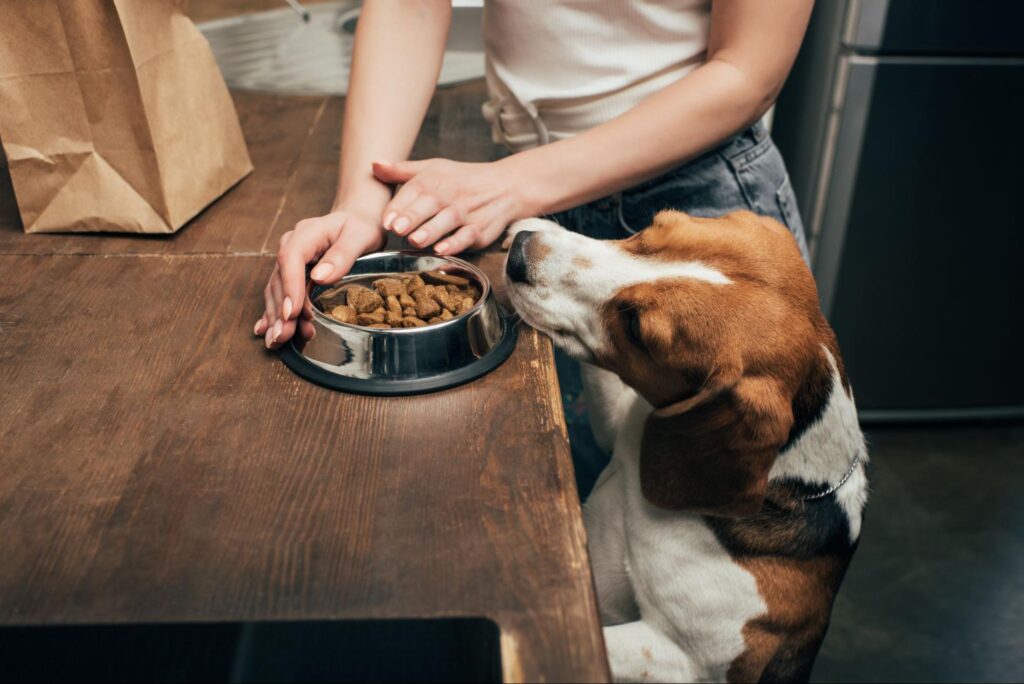
I said it's best to start training your puppy during its puberty.
There are two things you can do before the puberty begins.
① Teach your puppy its name
You can start training your puppy to learn its name once its ears start to open.
As explained above, its ears will open at about three weeks of age, so from that point on, you should try to help it learn its name as much as possible.
The simple solution is to use a fixed name when talking to your dog. The key is to use a fixed name.
For example, let's say your dog's name is "Pochi." If different people call him "Pochi," "Po-chan," or "Pochi," your dog will become confused.
The same applies when calling your dog's owner's name. If your owner's name is "Taro," calling him "Taro," "Ta-chan," or "Takkun" will make it difficult for your dog to remember his name.
So, to help your dog learn its name, make sure everyone calls it "Pochi" (for example, "Pochi"), or call your owner "Taro" (for example, "Taro"). This will help your dog remember its name.
If your dog still isn't learning its name, one strategy is to give it a treat when it responds to its name properly.
②Toilet Training
It's okay to start toilet training early on.
Make sure your puppy has a toilet-friendly environment and gets used to using the toilet there.
Also, there's no need to force training on puppies under 2-3 months old; you can teach them at the same time you're teaching them to sit.
Once they've become accustomed to their new home
Once your puppy has become accustomed to its new home, you can start training it to calm its excitement, such as "down" and "sit."
Once your puppy learns the "down" and "sit" commands, you can curb behaviors like barking at unfamiliar objects or animals, or running away on your own.
Also, around this time, you'll be handling your puppy more often, so make sure he gets used to being touched.
He may not listen at first, but it's important to continue training him slowly and with a long-term perspective.
Before a Walk Outside
Once your dog gets used to living indoors, it's time for its first walk!
However, there are many dangerous things outside. If your dog has learned commands like "stay" and "come here," you can avoid these dangers, so train it before your first walk.
Also, after a walk, you'll need to clean its dirty paws, so it's a good idea to use a sounding bell to make sure it doesn't mind being touched.
When he starts letting you touch him freely
Once you've gotten this far, it's time to finally try brushing his teeth! Getting him used to it from a young age will help prevent periodontal disease when he grows up.
Start by brushing his mouth once a day, making sure he's as relaxed as possible.
He may resist brushing, but try to go at his own pace and be patient without rushing him.
Points to Remember When Disciplining Your Dog
Finally, here are four points to keep in mind when training your dog.
①Train for 1-3 minutes
Training for too long can be stressful for your puppy.
Training can sometimes have the opposite effect, so try to train for short periods every day rather than for long periods.
② Use consistent commands
As mentioned when helping your dog learn its name, you need to use the same commands for "stay" and "sit" as well, otherwise your dog won't remember them properly.
Try to use the same commands whenever possible.
③ Don't get angry right after reading your name or while using the toilet
This is a conditioned reflex, as in the story of Pavlov's dog.
Being scolded after a certain behavior will cause your child to associate it with the previous behavior.
Because being called by name or using the toilet will cause your child to associate these actions with unpleasant behaviors, try not to get angry after the things you want them to remember.
④ Train your puppy with love
This may be the most important thing of all. Make sure to make eye contact with your puppy and praise him when he does so.
Training is about ensuring a stress-free life for both of you, so train your puppy with love and care.





![Feed your puppy softened dog food! [Feeding Tips]](https://with-my-dog.com/wp-content/uploads/2022/04/image1-150x150.jpg)

![[Ticks and Sarcoptic Mange] Symptoms and Treatment of Ticks that Harm Dogs](https://with-my-dog.com/wp-content/uploads/2022/01/4ab096d074c35f99ad05687eccf70c28-500x332-1-150x150.jpg)



![[I love both!] Can you keep dogs and cats together? Here are some tips and tricks to keep in mind](https://with-my-dog.com/wp-content/uploads/2022/07/image3-18-150x150.jpg)