

As a pet owner, every dog's ear health is a concern.
However, because human and dog ears are structurally different, cleaning your dog's ears yourself can be dangerous!
Learn the correct information to keep your dog's ears hygienic and prevent your pet from suffering from ear problems in Japan's humid environment!
What is the structure of a dog's ear?
Before we discuss ear cleaning, let's first understand the fundamental differences between dog and human ear structure!
Once you understand the structure, you'll know how to care for your ears properly!
Differences in Ear Structure Between Humans and Dogs
When you insert a human ear pick or cotton swab, it goes straight into the ear.
However, in dogs, the eardrum is not straight from the ear canal, but is angled at an L-shape.
Even if you insert a cotton swab, it may get stuck halfway and hit the L-shaped wall, potentially damaging the inside of the ear.
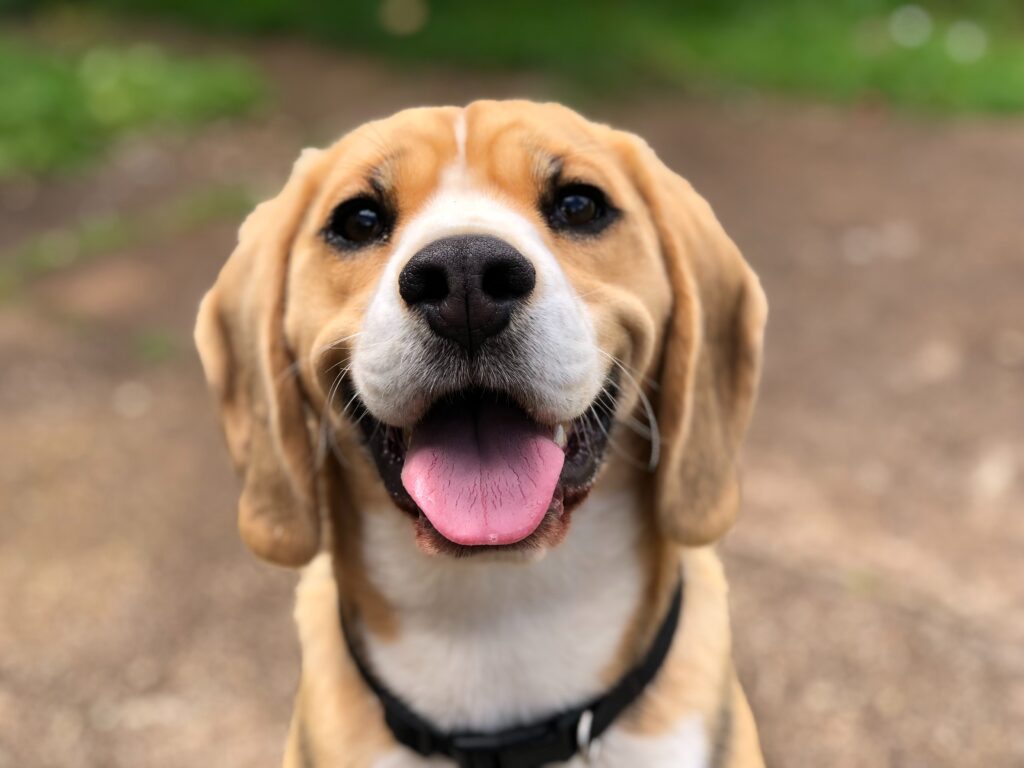
Characteristics of Dog Ears Vary by Breed
Toy poodles and other breeds that require grooming have ear hair growing in their ear canals.
Leaving ear hair behind can cause it to clog the ear canal, so it's important to trim it.
First of all, is ear cleaning necessary?
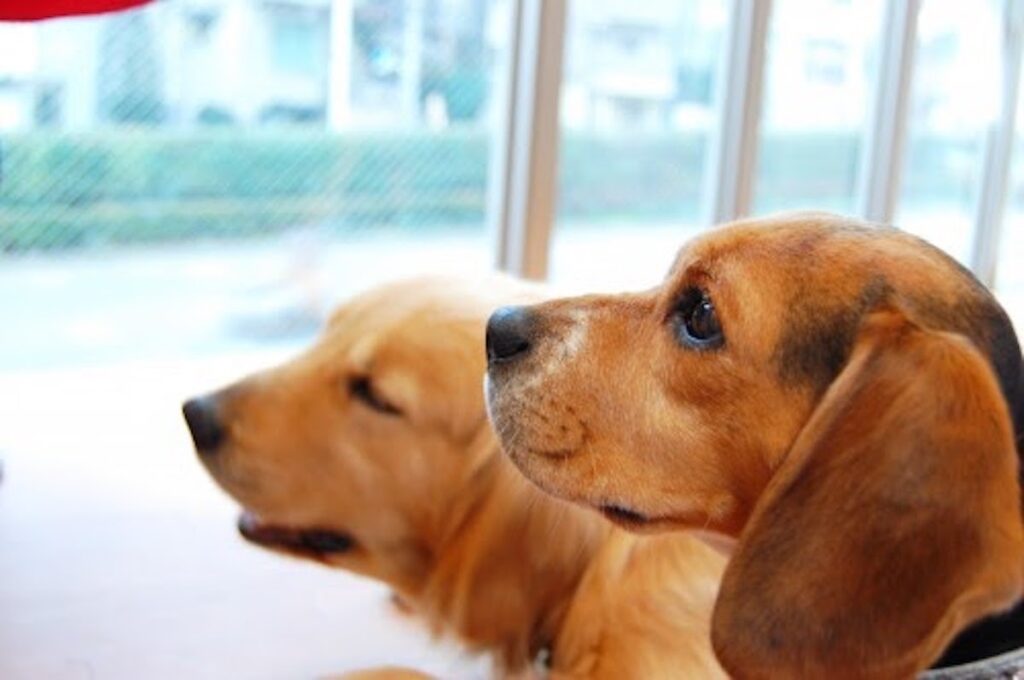
Just as wild animals don't clean or shampoo their ears, dogs without ear discomfort or illnesses rarely need ear cleaning, even though it's a basic rule.
Why?! Dogs' ears actually have a "self-cleaning" mechanism that expels earwax that builds up deep inside.
On the other hand, improper ear cleaning that inhibits the ear's natural "self-cleaning" mechanism can lead to otitis externa, so be careful.
However, in Japan's humid climate, dogs' ears can become steamy and prone to bacterial growth, so if they appear noticeably dirty, it's a good idea to clean them.
What tools do I need?

Proper ear cleaning starts with the right tools!
Here's what you'll need:
- Cotton balls and pads
- Cotton swabs
Cotton swabs can be used to clean the outer ear folds and other small areas, but rubbing too hard even if you can't remove the dirt is a big no-no.
- Ear cleaning solution (ear cleaner)
- Towel
- Ear lotion, if needed
Ear cleaning procedure
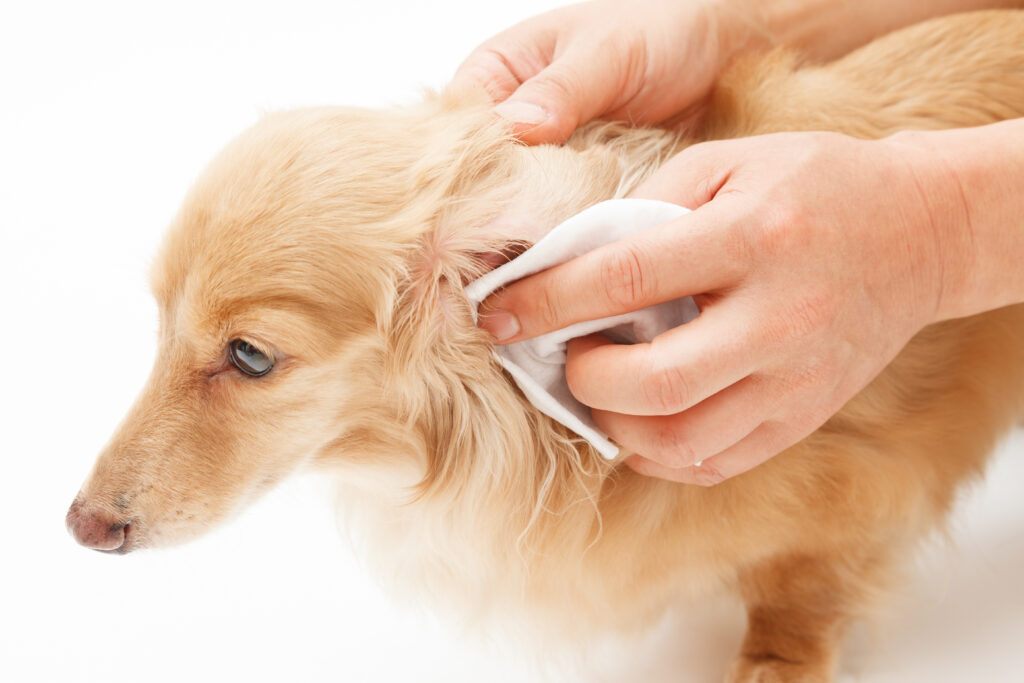
Please note: Do not touch too deep into the ear, and it is very important not to injure the inside of the ear!
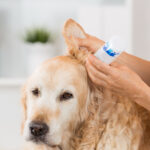
Use a cleaner or similar product on the visible areas of the ear folds and lightly wipe them with a cotton ball.
1. First, check the condition of the ears.
First, carefully check how dirty the inside of the ears are.
Make sure there's no strong odor and no redness of the skin.
2. Put your dog in a relaxed position.
It's best to do this in a relaxed state.
If your dog struggles or bites, gently hold its mouth.
First, have it sit on your lap, gently hold its mouth, and place it over your face.
3. Wipe the inside of its ears carefully and thoroughly
It's best to lightly test the cleaning solution (ear cleaner) used to moisten the cotton balls before cleaning to make sure there are no changes such as itching or redness in your dog's ears.
Wet a cotton ball with ear cleaner or other cleaning solution or lukewarm water, and gently and carefully wipe away any dirt, even if it's only in the visible areas.
Many people worry about how thoroughly to clean, but it's fine to just clean as much as you can see, without going too deep.
Wet wipes used by humans often contain alcohol, which can be harsh on dogs, so avoid them.
You can also use ear lotion or oil!
You can also use ear lotion, a liquid specifically designed for cleaning ears, instead of water. It's highly recommended because it's volatile. ♪
Tips for Easy Ear Cleaning

If your dog bites your hand or becomes violent when you try to clean its ears, try gradually getting it used to having its ears touched.
Try giving it something to chew on, like hard jerky, to help it eliminate the negative association of having its ears touched.
With patience, you'll likely be able to touch and even clean its ears!
A dog's ear canal runs much deeper than you can see.
If you notice itching, redness, or bleeding, or if your dog becomes restless and irritated, immediately stop grooming! !
Some dogs with short ears or thin fur may require simple cleaning, such as a light wipe.
On the other hand, dogs with droopy ears or thick fur around the ears may require more thorough inspection and grooming at least every other week.
Knowing the basics is essential for caring for your beloved dog!
Regular ear care will help protect your dog's hearing and ensure their ears stay healthy for a lifetime!
Frequently Asked Questions

Q. When should I start cleaning my puppy's ears?
There's no particular time to worry about.
If your puppy's ears are itchy or feel strange, first check to see if they're dirty.
If there's noticeable dirt in the ears or a noticeable odor, clean them!
Q. Can you tell if your puppy's ears are dirty by the smell?
If you smell something unusual or unpleasant when you smell the inside of your ear, it's likely that dirt has accumulated inside.
However, it's also possible that you have some kind of illness, so if you suspect something is wrong, it's important to see a doctor before attempting to clean it yourself!
In Closing!
Ear care that owners can provide for their dogs:
- Daily ear checks
- Be sure to consult your veterinarian about the best ear care method for your individual dog
That's it!
Even when it comes to something as simple as ear cleaning, not all dogs are good in the same way.
We hope you finish cleaning as quickly as possible, praise your dog plenty when it's done, and then enjoy some fun skin-to-skin time with your beloved dog!






![[Funny Dog & Cat Videos] Tips for Filming to Bring Out Their Charm and Make Your Dog Look Like That!](https://with-my-dog.com/wp-content/uploads/2022/04/3015452_s-300x200.jpg)