

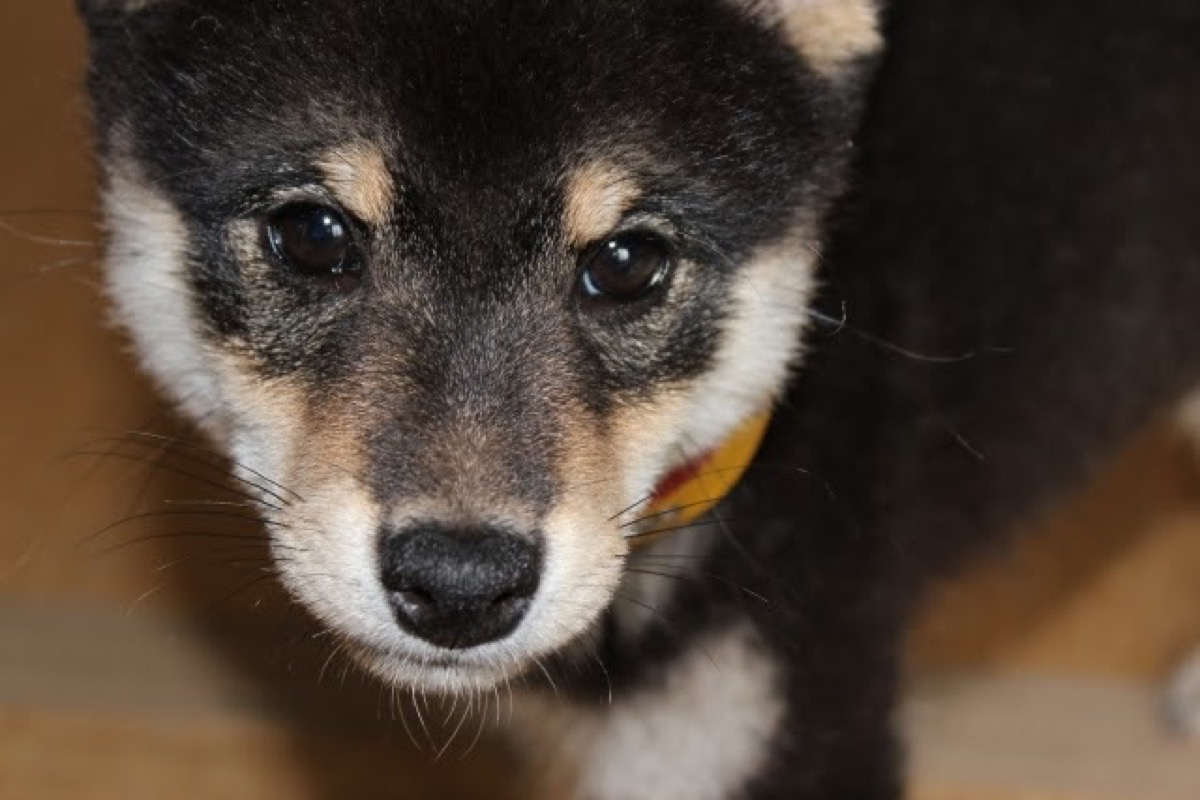
Ear cleaning is an essential part of dog care!
In this article, we'll introduce basic information about the correct frequency of cleaning and what to watch out for when dealing with ear problems like otitis externa.
Why should you clean your dog's ears? To prevent the growth of germs!

The main reason for cleaning your dog's ears is to prevent the growth of germs and maintain hygiene.
In humid environments such as the rainy season, or after shampooing, ears tend to become steamy and produce more oil, which serves as a source of nutrition for bacteria.
The proliferation of such bacteria can cause inflammation and lead to otitis externa. Cleaning your dog's ears is an effective way to prevent otitis externa.
How often should you clean your dog's ears?

The frequency of brushing your dog's ears will vary slightly depending on the breed and how easily their ears get dirty. Brushing your dog's ears more frequently is recommended for breeds with droopy ears or lots of hair inside.
However, many people don't know this, but dogs' ears have a self-cleaning mechanism.
Earwax is naturally expelled from their body through movement, so cleaning doesn't need to be done very often.
Cleaning their ears too frequently can cause damage and lead to otitis externa, so be careful not to overdo it.
Once a week to once every two weeks, or about once a month if your dog's ears aren't dirty, should be fine.
A dog's ears are structured differently from humans'. The ear canal, which runs from the ear to the eardrum, is L-shaped, making it impossible to see deep inside. Because of this structure, if water gets into the ear, it can become steamy, bacteria can grow, earwax can build up, and illnesses can result.
To avoid these problems, regular ear cleaning and ear checks are an important part of maintaining your beloved dog's ears.
Things to keep in mind when cleaning your dog's ears
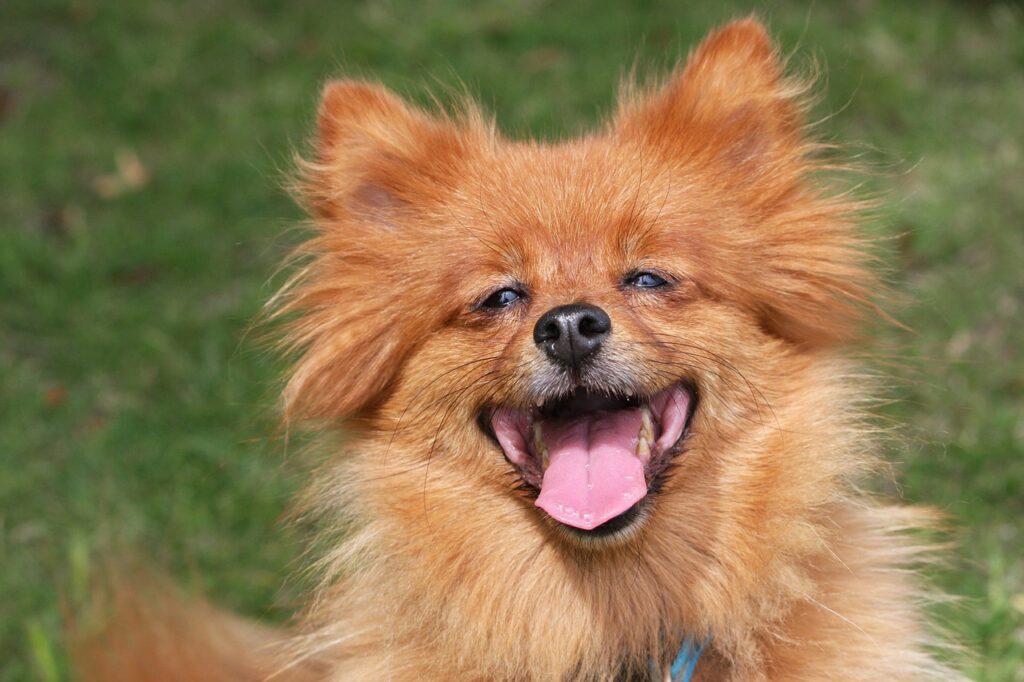
≪Be careful not to use too much force≫
Rubbing too hard can cause damage and lead to otitis externa. Gently and carefully clean only the visible areas.
≪Don't insert the cotton swab too far in≫
It's important to keep your dog's ears clean, but inserting the cotton swab too far can actually push dirt deeper into the ear.
For cleaning, it's best to simply wipe away dirt from areas you can reach with a damp cotton ball or similar.
≪Check for illness or other conditions before using ear cleaners≫
If your pet has an inner ear infection, pouring ear cleaner into it may worsen the condition.
Before using ear cleaners, consult your veterinarian and check for illness or other conditions.
There are many cleaning solutions available, but some dogs dislike those containing alcohol. A cleaning solution containing natural ingredients that is gentle on the skin is recommended.
Cleaning ears at home requires skill, so it may take some time to get used to it.
If you're having trouble, consult your veterinarian first.
What are ear diseases in dogs?

Earwax is produced in the outer ear. Therefore, ear problems are most common in the outer ear.
The main symptoms of otitis externa to watch out for are as follows.
・ Masellatia Otitis Externa
Changes in the ear environment due to increased earwax or food allergies can lead to an increase in the resident yeast called Masellatia, causing sticky black or brown earwax and a foul odor.
・ Bacterial Otitis Externa
Bacterial otitis externa can develop when bacteria normally present on a dog's skin overgrow abnormally.
It's important to be aware that macellatian otitis externa and bacterial otitis externa can occur together.
・Otitis externa caused by foreign objects
If a foreign object or rainwater gets into your dog's ear while you're out for a walk, the irritation can cause otitis externa.
Dogs are naturally curious and may stick their heads into bushes or other areas to explore, so be sure to keep an eye on them when taking them for walks.
・Otitis Interna
If treatment for otitis externa is delayed and symptoms worsen, the condition may develop into otitis interna.
The inner ear not only provides hearing, but also maintains balance, so developing otitis interna can lead to various sensory disorders.
Symptoms such as loss of balance and frequent nausea may occur. If the inflammation worsens, it may lead to serious symptoms such as facial nerve paralysis, so caution is advised.
・Otitis Media
If abnormalities occur in the eardrum, otitis media may develop. Otitis media can cause neurological symptoms, and the child may dislike having their ears touched.
If facial disorders develop due to abnormalities in the sympathetic nerves of the eyes, your pet may choke on one side of the mouth or appear to have drooping lips. If you notice any of these symptoms, take your pet to the vet and seek medical advice immediately!
Summary

This article provides detailed information on recommended frequency, precautions, and basic information about ear problems like otitis externa.
While cleaning your dog's ears doesn't need to be done frequently, checking the condition of earwax can help you assess your dog's health. In addition, checking for signs of illness can help you detect them early.
If ear problems like otitis externa, otitis media, and otitis media are left untreated, they can worsen and become more serious, even interfering with your dog's daily life.
Therefore, if you notice any symptoms that seem to be caused by these factors, it is important not to ignore them and to have your dog examined by a veterinarian as soon as possible.
If you find it difficult to clean your dog's ears yourself, you can have a veterinarian at a veterinarian perform a health check to check for any diseases you should be aware of, and even check for fleas and ticks.
If you have a regular veterinarian, you can receive immediate treatment in the unlikely event of an ear infection, so it is important to make it a habit to regularly have your dog examined by a veterinarian at a veterinarian.







![[Free] 5 dog foods you can try! Depending on your dog's growth and preferences](https://with-my-dog.com/wp-content/uploads/2022/07/image7-12-150x150.jpg)






![Popular names!? [Popular dog names ranking]](https://with-my-dog.com/wp-content/uploads/2022/07/image3-45-300x200.jpg)