

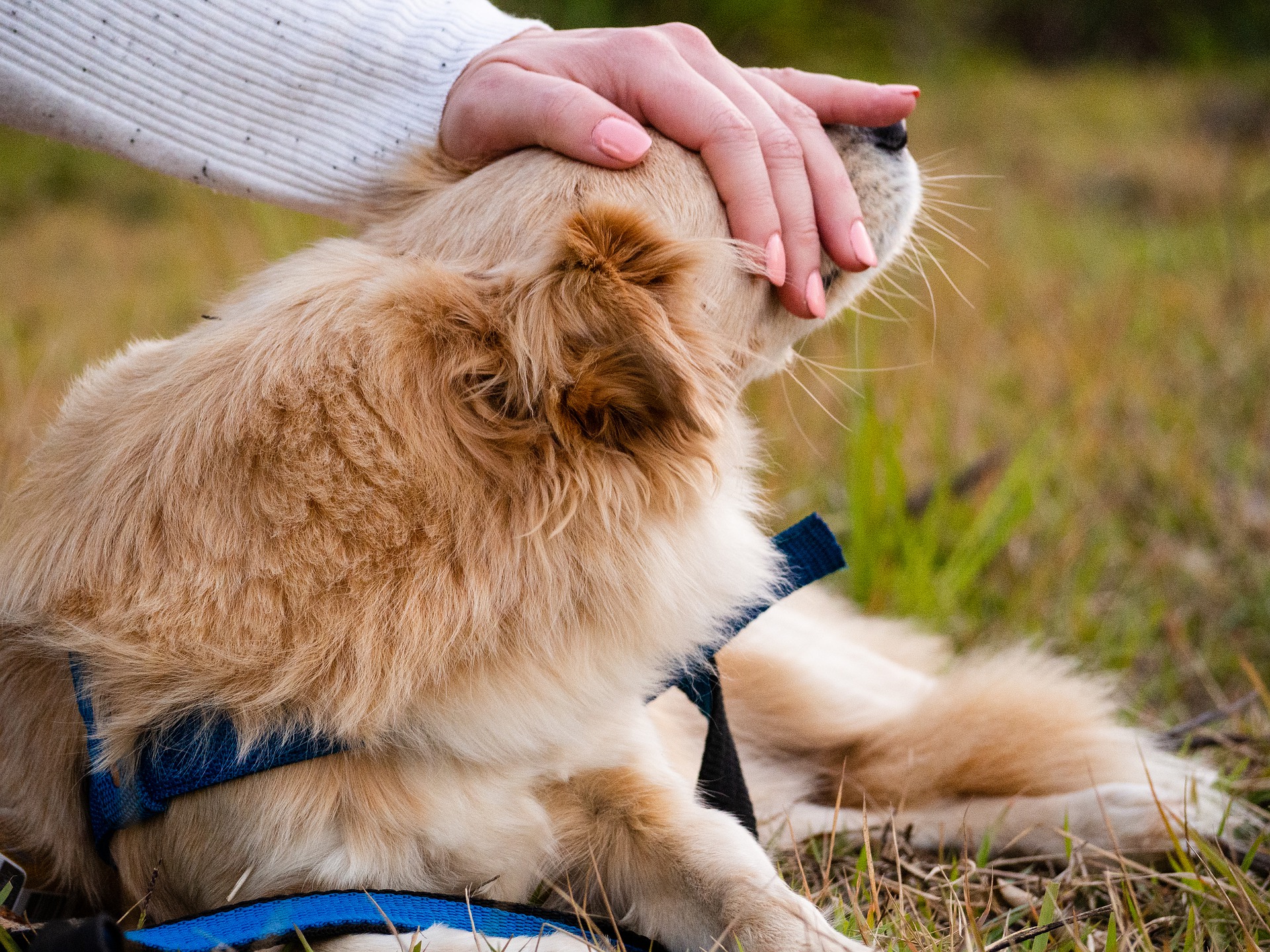
Puppies begin to go into heat around six months of age.
The percentage of people who actually neuter their dogs is quite low, and it may seem unnecessary, but there are actually many benefits to neutering.
This time, I'd like to focus on the benefits of neutering male dogs, as well as the disadvantages!
When can dogs be neutered?
Puppies reach physical maturity and are able to mate at six months of age.
Unlike female dogs, male dogs do not have a set estrus cycle, so early action is necessary to prevent stress from external stimuli.
The best time to neuter a dog is between six months and eight months of age. Of course, it's okay to neuter a dog after this time.
However, there's a chance that a dog may begin to exhibit male-specific behaviors, such as marking, all over the house.
To avoid these male-specific behaviors, it's recommended to neuter a dog after about six months of age.
Neutering of male dogs requires an appointment
Prior to surgery, preparations are necessary for both the owner and the dog, as well as the hospital. It's nearly impossible to just show up and have the surgery performed on the day of surgery.
Once you've decided on the surgery date, call the hospital to make an appointment. The hospital will ask you for any requests you have the day before, the day of surgery, and what you need to bring, so be sure to take notes before calling to schedule an appointment.
It's also a good idea to ask your veterinarian when administering vaccinations, etc. They'll be able to answer any questions or concerns you might have and provide advice, which is much more reassuring than making an appointment over the phone and receiving a brief explanation.
The procedure involves removing the male's testicles under general anesthesia. Because general anesthesia is required, it is physically draining. For this reason, it is best to perform the neutering procedure when the dog is healthy and still fertile.
Cost of Neutering a Male Dog
Neutering costs vary depending on the hospital, but the average cost is between ¥15,000 and ¥30,000.
If you include pre-operative testing, neutering, procedures, and hospitalization, you should expect to pay around 30,000 to 50,000 yen for a small dog and 50,000 to 70,000 yen for a large dog.
Benefits of Neutering Male Dogs

Let's explain the benefits of neutering!
- Disease prevention
- Less marking
- Moral calmness and stability
- Disables fertility, eliminating the anxiety of raising multiple pets
These are some of the benefits. We'll explain each one.
Diseases Specific to Male Dogs That Can Be Prevented by Neutering
- Testicular tumor
- Benign prostatic hyperplasia
- Perineal hernia
- Perianal adenoma
- Orchitis
And more.
Avoiding illness and stress as much as possible and staying healthy may lead to a longer life.
Neutering Reduces Marking
Once they reach maturity, they will develop a territorial instinct and defecate in various places.
This would be fine if it were limited to the outside, but some cats seem to mark all over the house. They even mark higher places to show off their size.
Early neutering can prevent cats from lifting their legs to defecate. If neutering is delayed, this habit can become permanent.
Neutering makes dogs calmer and more stable
Neutering reduces the male hormone (testosterone). Since testosterone is involved in aggression in dogs, it seems that "less testosterone = calmer".
Neutering relieves anxiety about keeping multiple dogs
For example, if a female dog is in heat, an intact dog will sense it. Even if you keep them in separate rooms, it can be quite stressful for male dogs.
It can also be difficult if they have children, so if you have multiple dogs, it's a good idea to have them spayed or neutered.
Disadvantages of castration

Because this is a surgical procedure that requires general anesthesia, there are inevitably some disadvantages and concerns. Although the safety of anesthesia used in veterinary clinics for dogs has improved significantly, it cannot be said with certainty that accidents caused by general anesthesia will never occur. In addition to anesthesia-related deaths, there is also the possibility of postoperative kidney or respiratory failure.
I would like to explain some of the disadvantages.
Major Disadvantages of Castration
- Poor Health After Surgery
- More Likely to Gain Weight
- Inability to Reproduce
About Poor Health After Castration
Castration is performed under general anesthesia, but in rare cases, a drop in blood pressure or other ailments may occur during the procedure.
However, the rate of ill health is extremely low, at 0.1% to 0.2%, and preoperative tests such as blood tests and X-rays will be performed to determine the possibility of ill health, so there is no need to worry too much.
However, it is still worrying because it is not 0%. If you are still concerned even with this figure, it may be best not to have the surgery.
Gaining Weight After Surgery Is More Likely
Due to changes in hormone balance, feeding your dog the same food as before may result in weight gain.
There are commercially available foods for neutered dogs, so we recommend switching to that.
Small dogs, in particular, have weak joints and are prone to joint diseases caused by obesity. Neutering your dog and reducing preventable illnesses can be pointless if the number of diseases they develop due to obesity increases.
Regarding the inability to breed
Neutering your dog will, of course, prevent it from breeding.
Neutering is not recommended if you have a clear reason for wanting to have puppies, such as a pet dog. It is dangerous to have a vague desire to have puppies without a clear reason, and we do not recommend it.
Summary
The major benefits of neutering are overall calmer behavior and the prevention of certain diseases.
Early neutering can also prevent marking behaviors, which can make housecleaning difficult, so neutering within 6 to 8 months of age is recommended.
So, should you neuter your male dog? We've covered the pros and cons.
Overall, I believe neutering often benefits the dog's mental and physical well-being.
There's no one rule that says you have to do it or you can't do it, so it's best to make a decision taking into account the risks.






![[2022 Edition] What is the safest dog food? Survey of recommended popular products](https://with-my-dog.com/wp-content/uploads/2021/10/puppy-ged828c55e_1920-150x150.jpg)

![[Recommended for males] Cool dog names](https://with-my-dog.com/wp-content/uploads/2022/07/image1-36-150x150.jpg)








![[So cute!] How dogs and cats show affection](https://with-my-dog.com/wp-content/uploads/2021/09/2093449_m-300x200.jpg)
![Feed your puppy softened dog food! [Feeding Tips]](https://with-my-dog.com/wp-content/uploads/2022/04/image1-300x200.jpg)