
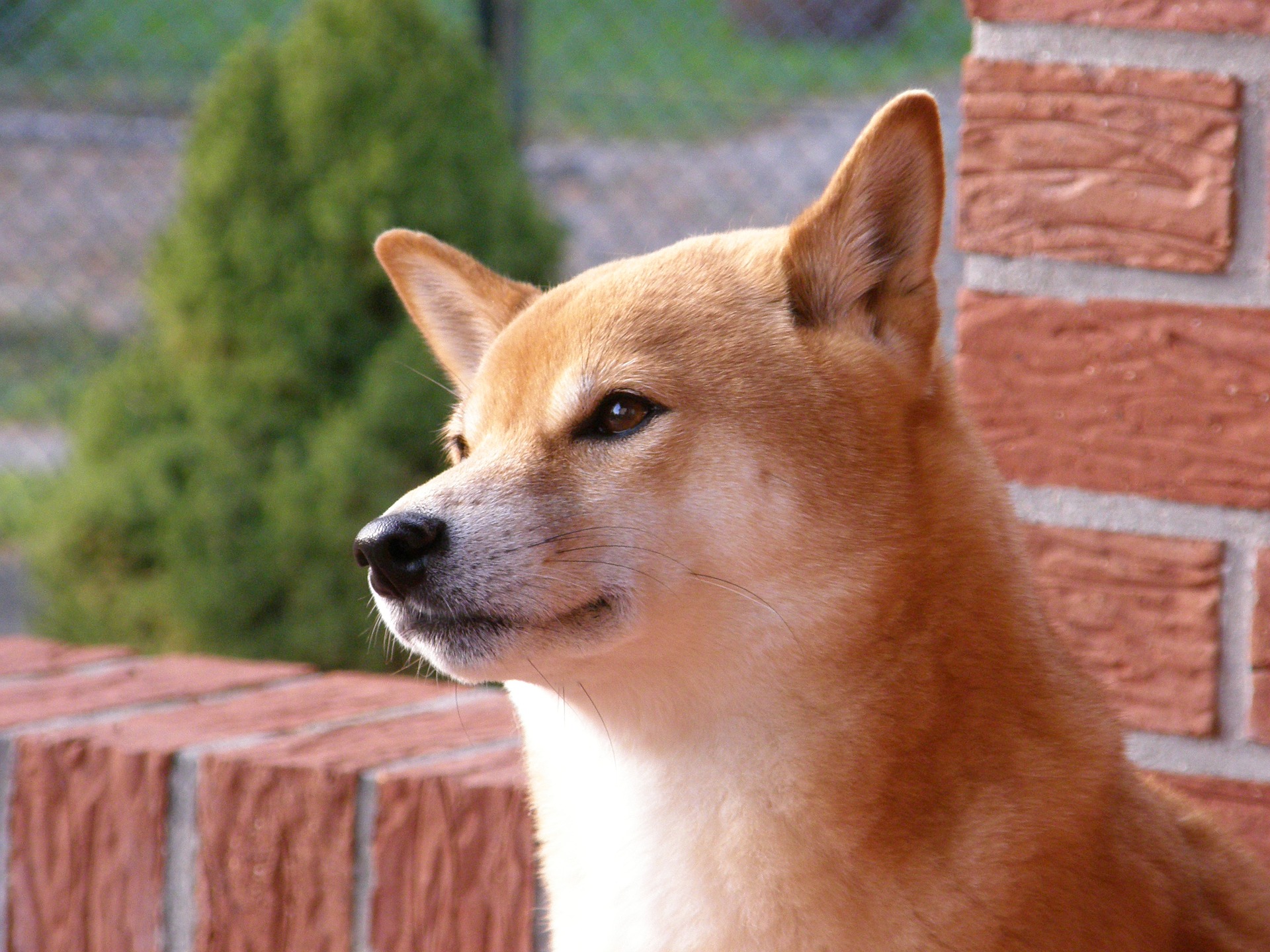
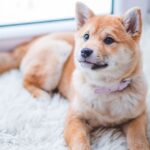
Did you know that Shiba Inu dogs have a double coat? They have both a long, protective overcoat (top coat) and a moisturizing undercoat (bottom coat)?
The highly moisturizing undercoat is no longer needed in summer, so it sheds in large quantities in spring and grows back. In winter, the undercoat is needed, so the dog changes into its winter coat around autumn.
As a result, Shiba Inu dogs are known to shed a lot, and proper grooming is important to prevent shedding.
This article focuses on bathing Shiba Inu dogs.
When to Bath Your Shiba Inu

Many owners wonder when they should start bathing their puppies.
Newborn puppies have weak immune systems and are unable to regulate their body temperature well. Therefore, it is recommended that you give your puppy its first bath at least two weeks after receiving its vaccinations at around two months of age.
If your puppy gets dirty before then, you can wipe it off with wet wipes or a damp towel!
Showing Your Shiba Inu: Why and How Often?

In addition to visible parasites like fleas and ticks, dogs' skin is also infested with tiny mites that can only be seen under a microscope. These can cause dermatitis, which can lead to further infection. Shampooing your dog at home is very effective in preventing this.
The frequency of shampooing your dog depends on the breed and how dirty their coat is.
Shiba Inu dogs shed a lot, but they also have a relatively low odor, so a rough guideline is to shampoo them about once or twice a month. Shampooing too frequently can actually irritate their skin and strip them of essential sebum, causing damage, so care should be taken.
Bathing can be quite a physically demanding process, so be careful.
If your pet gets dirty during a walk or outside play, wipe it off with a wet towel.
However, if your pet has skin problems, it's best to consult with your veterinarian about the shampoo and frequency of bathing before giving your pet a bath.
What you need when shampooing

- Dog shampoo
- Dog treatment
- A slicker brush or other brush (use with care as improper use can damage the skin.)
- Large towels (about three are recommended)
- Hair dryer
How to shampoo
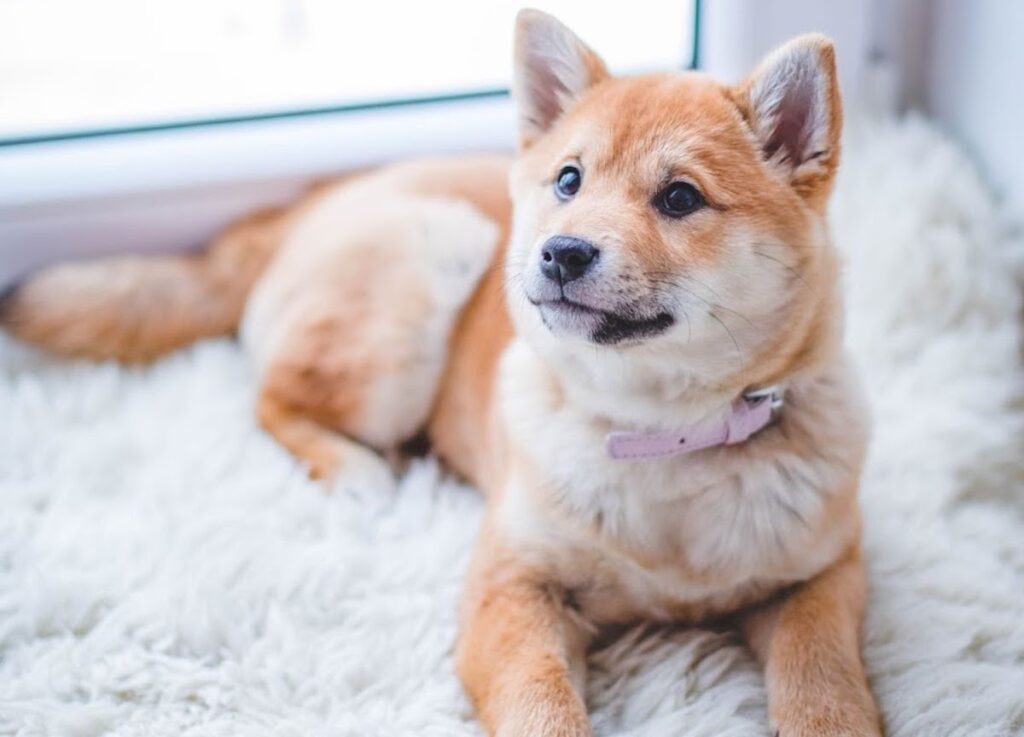
① Brushing the whole body
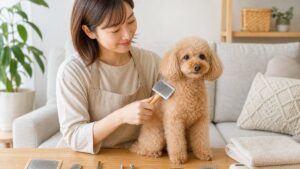
Brushing your Shiba Inu before shampooing will remove any loose hair. Thorough brushing will make washing easier and reduce the time it takes to dry your dog.
When brushing, brush against the grain of the fur. Check the condition of the dog's skin at the same time.
② Wet the Body
Be sure to thoroughly wet the body before shampooing.
Be careful of the water pressure in the shower, and use lukewarm water (about 35-37°C). Shiba Inus will be startled if the shower head is too forceful, so when showering, make sure to hold the shower head close to their body. If the shower head is too far from their body, the sound of the water will be loud and may scare them, so be careful.
First, wet the body from the back to the buttocks, then shower the legs, head, and face. Many Shiba Inu dogs dislike having water splashed on their heads or faces, so use a gentle shower and be careful not to get water in their ears.
③ Shampoo
First, lather the shampoo and gently wash the dog's fur, working the lather into it. Massage the shampoo into the dog's fur, rather than scrubbing too hard.
Shiba Inu dogs have double coats, so it's important to thoroughly wash the skin beneath the undercoat. The area around the face is the area they dislike the most, but wash it little by little.
For Shiba Inus with thick fur, we recommend shampooing twice!
After rinsing the first wash, lather the shampoo again and thoroughly wash the areas behind the ears, underarms, inner thighs, and between the toes.
④ Rinse Shampoo Thoroughly
When rinsing, it's important to start washing around your face. When rinsing shampoo from your face, be careful not to get it in your eyes or ears. It's also recommended to wipe it off with gauze soaked in plenty of warm water.
Incomplete shampoo removal can cause itching and dermatitis, so be sure to rinse thoroughly to remove all of it. Be especially careful in areas where shampoo is likely to remain, such as your ears, armpits, and between your fingers.
⑤ Apply treatment.
When applying treatment, do not apply directly to the skin. Instead, dilute it with warm water and apply it little by little, or soak a soft sponge in it and apply it to the hair.
⑥ Rinse off the treatment.
As with shampoo, gently rinse from around the face. Be sure to rinse thoroughly.
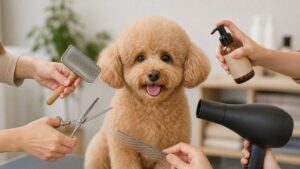
⑦ Drying with a Hair Dryer
To dry your dog thoroughly with a towel before using a hair dryer, you can shorten the drying time. Wipe the face and inside of the ears thoroughly, then dry the entire body thoroughly.
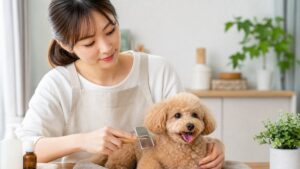
When drying your dog with a hair dryer, brush it with a slicker brush or similar while directing the dryer's air at the roots of the hair.
To prevent the body from getting cold, it's a good idea to start drying from areas close to the internal organs, such as the stomach and back. Hold the hair dryer about 20-30cm away from your dog and check to see if its body is getting too hot while drying. Once it's completely dry, it's done!
Note: Immediately after using the hair dryer, it's difficult to tell if the dog's hair is completely dry because of the heat. After using the hair dryer, wait about 10 minutes, then touch the roots of the hair to check if it's completely dry.
Finally

If your pet doesn't like being shampooed, try gradually wetting it with a towel soaked in warm water while observing its behavior. If you force it the first time, it will dislike bathing, so gradually get it used to it.
If you find it difficult to bathe your pet yourself or if your pet just doesn't like being shampooed, we recommend hiring a professional!
Use the appropriate method for each pet!



![[Small dogs are very popular] Survey on cute dog rankings](https://with-my-dog.com/wp-content/uploads/2022/07/image4-26-300x225.jpg)