When your puppy has a toilet accident: 3 things to consider and what you should do to prepare

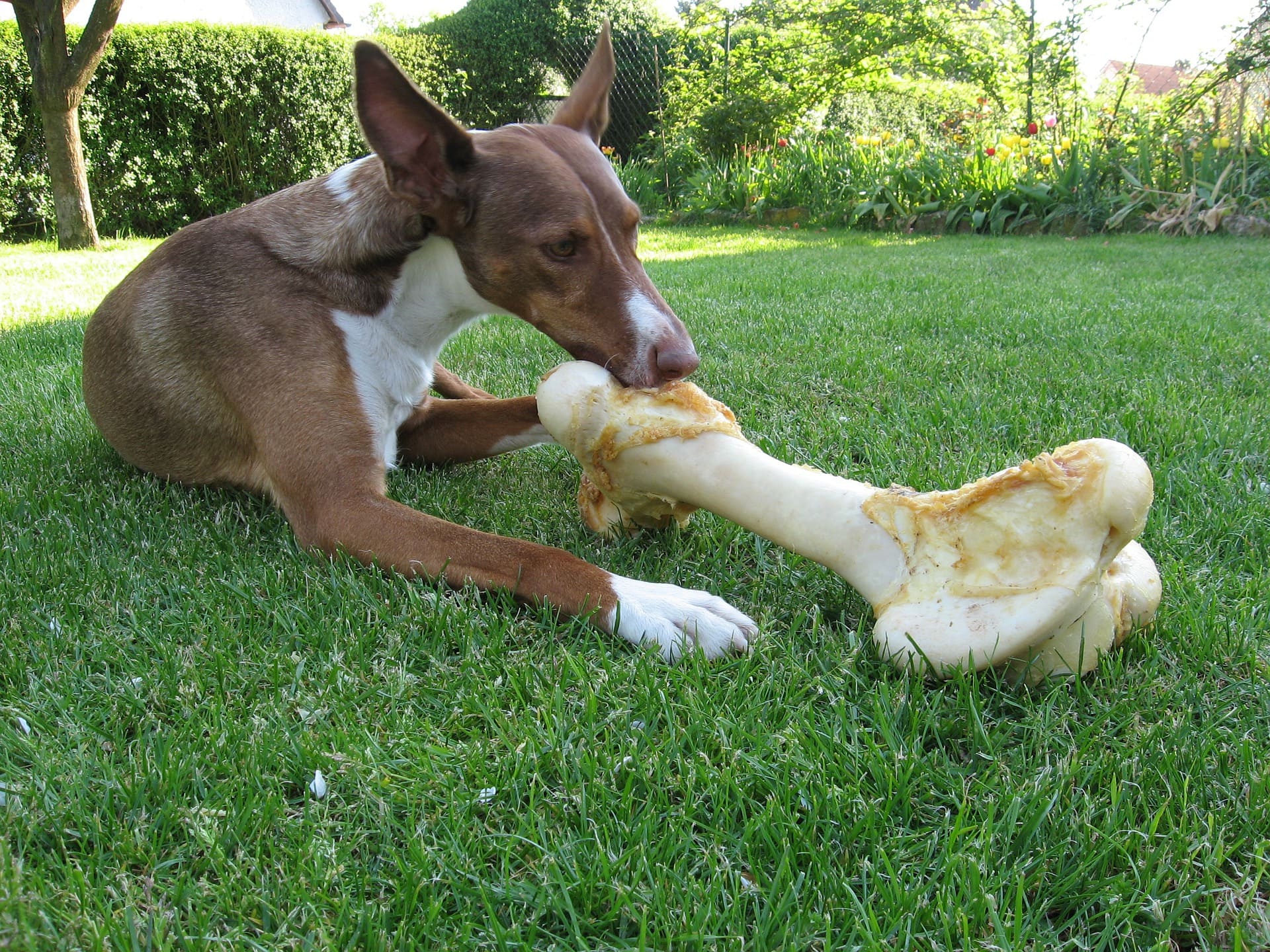
When you bring a puppy home, the first thing you do is probably toilet train it.
"I've got a puppy, but I'm worried because he keeps having toilet accidents no matter how much I train him."
"He keeps making accidents, so I can't help but scold him."
"Is there something I'm missing in the process?"
For those concerned, this article explains what owners should and shouldn't do when their puppy has an accident, as well as the mindset you need to have when toilet training your puppy.
Dogs aren't naturally used to toileting in one place, so if you don't teach them to use the toilet, they'll do it anywhere.
Toilet training takes time, but some puppies can learn quickly if you keep these points in mind.
The following points are key to successfully toilet training your puppy.
- Owners should observe and supervise their puppies and not miss any signs of toileting.
- Do not scold them if they fail.
- Do not place soft rugs that are difficult to distinguish from toilet sheets.
It's also important for owners to be prepared to help their puppies successfully toilet train.
Read this article to ensure successful toilet training and a comfortable and enjoyable pet life.
Dogs naturally have the habit of using the toilet in various places
When you go out for a walk with your puppy, he'll probably defecate all over the place.
Dogs don't naturally defecate in one place.
So, if you're living with your puppy indoors, you'll need to toilet train him.
They won't learn unless you teach them
Puppies don't know that they need to use the litter box, so if you don't teach them, they'll go to the toilet all over the place.
They won't learn to use the litter box just by providing one, so you have to teach them. Puppies tend to go to the litter box more frequently than adult dogs, so there are plenty of opportunities to help them develop the habit of using the litter box.
Toilet Training Steps Review
Toilet training is a natural process, so to ensure your dog is able to use the toilet comfortably, train it without scolding.
The key is to teach your dog where to eliminate and what good things will happen.
If you understand your puppy's toilet timing, training will be easier.
For more information on toilet training supplies and training steps, please see here.
Three Things to Consider When Using Your Puppy's Toilet
If you're having trouble toilet training your puppy, there's often a reason for it.
Pet owners should take a look at the following points.
① Are you observing and supervising?
Keep an eye on your puppy and supervise him closely
To successfully potty train your puppy, you need to observe him closely.
When puppies need to go to the bathroom, they will spin around or behave differently than usual.
It's important to keep an eye on your puppy so you don't miss these potty cues.
When you leave your eye on a puppy who hasn't yet mastered the toilet routine, place them in a crate or cage for a while.
If your dog makes mistakes all over the house while you're not watching, the smell will spread everywhere, making it even more difficult for him to remember.
However, if you leave your dog in the crate or cage for a long period of time, he may defecate in it, so please limit his time there.
For more information on toilet signs, please read this.
Is your dog not toileting properly? Things to do when you first get a dog
② Are you getting angry when your puppy fails?
If toilet training isn't going well, you might be tempted to get angry at your puppy, but constantly getting angry will only slow down training progress.
Few puppies understand that they were scolded because they failed; they think they were scolded because they did defecate.
When this happens, your puppy will try to defecate in secret.
Also, if you yell "no" at them, they'll think you're happy. Clean up quietly even if your dog makes a mistake.
Furthermore, taking your dog to the toilet after an accident and scolding him may cause him to dislike the toilet.
After an accident, his bladder is empty, so he is unlikely to use the toilet.
If you are scolding your dog in this way, it is best to stop immediately.
③ Make sure there are no soft surfaces nearby.
Puppies prefer soft surfaces like dirt or grass.
If there are cushions or mats on the floor, your puppy may not be able to distinguish them from the toilet sheet before learning to use the toilet.
Until your puppy is fully toilet trained, avoid placing soft rugs on the floor to distinguish them from the toilet sheet.
We recommend these because you can quickly wipe them up if they make a mistake.
Pet Owner's Attitude
In order to successfully toilet train a puppy, it is important for the owner to have an open-minded attitude.
Check the points below and be patient as you continue potty training your puppy.
Failure is an opportunity for success
Puppies love to be praised, so praise them generously when they successfully use the toilet.
It's important to give them plenty of successes.
However, when praising, keep it brief and only use it when they successfully use the toilet.
Be careful not to praise them too much, as they may not understand what you're praising them for and may just get excited.
If your dog makes a mistake, gently pat the new toilet sheet with the towel or tissue used to wipe the excrement to leave a scent.
Leaving the scent behind will make it easier for your dog to find the toilet the next time, so try to guide it to ensure success.
Reconsider the toilet environment
Dogs have a habit of keeping their living space clean, so they tend to defecate outside of their living space.
They probably won't make an accident on their bed, etc.
If the litter box is close to the living space, move it farther away. If the living space itself is unsanitary, your dog will not learn to use the toilet.
However, puppies who share their toilet and living space shortly after birth may not have developed the habit of using the toilet.
In this case, make the toilet higher so that it's clearly distinguishable from the rest of the room.
Keep a Record
If you have trouble understanding the toilet signal, keeping a record of the number of times and time spent urinating will help you understand the intervals between urination and review them.
You may not see immediate results, but this may help increase owner motivation, such as fewer failures compared to the past.
Summary
If your puppy keeps having toilet accidents, it can be disheartening and stressful for you.
However, constantly scolding your puppy can make them more frightened and more likely to have accidents.
Let's start by reviewing the points we've introduced.
The training period will vary from puppy to puppy. However, they will definitely be able to do it, so please be patient and approach them with patience.




![[Dog Diet] How to Adjust Your Diet? Introducing Healthy Foods](https://with-my-dog.com/wp-content/uploads/2022/08/image4-e1660552565726-150x150.jpg)

![[Chihuahua] How to choose dog food without making a mistake and 6 recommendations!](https://with-my-dog.com/wp-content/uploads/2022/07/image1-8-150x150.jpg)


![[Latest] French Dog Names: A Guide to Cool and Stylish Names](https://with-my-dog.com/wp-content/uploads/2022/04/image1-150x150.jpg)






![[Dog Allergies] Do dogs have allergies? Explaining safe foods!](https://with-my-dog.com/wp-content/uploads/2021/10/3029373_m-300x200.jpg)