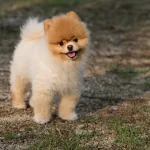

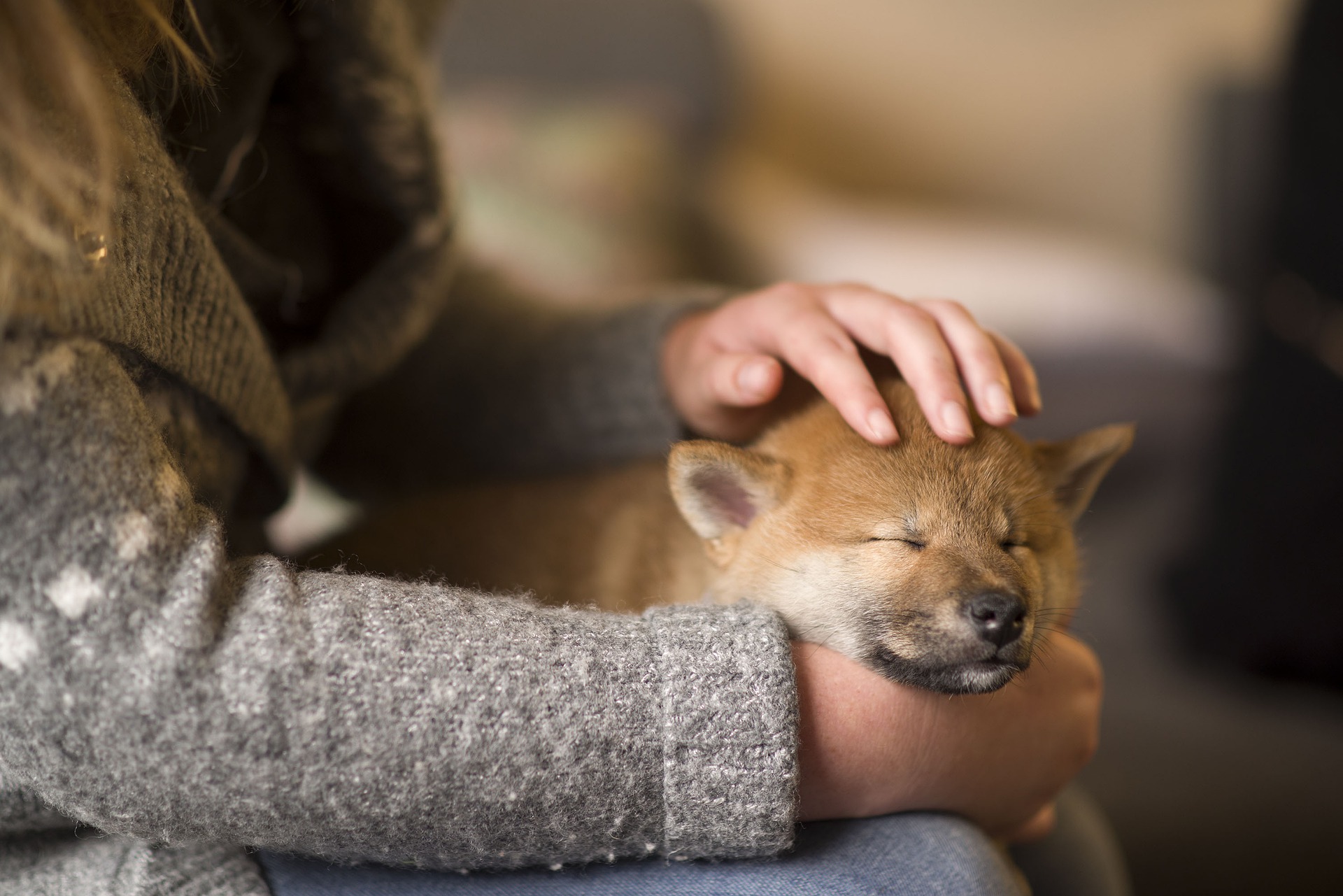
Hello, dog lovers! Which puppy do you think is the cutest?
Of course, I'm sure you've all decided that "my dog is the cutest" (lol).
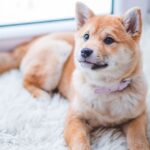
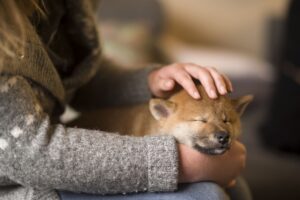
But if I had to choose, I'd say it's definitely the Shiba Inu! They're so fluffy and cuddly...too cute...
Shiba Inu always tops the cutest dog breed rankings by a long way, but just because they're cute doesn't mean you're spoiling them too much?
When you own a dog, training them is an absolute necessity. Toilet training is especially important. Toilet training for Shiba Inu dogs is a little different from other breeds. Today, we'll be introducing potty training for Shiba Inu puppies.
No matter how cute they are, overindulging them is a no-no! This is a must-read for anyone considering adopting a puppy!
Shiba Inu Toileting Situation
Shiba Inu are originally a breed that was kept outdoors, so as they grow older, they often develop a habit of defecating outside. For this reason, the potty training method is different from other dog breeds.
For example, if your dog becomes used to defecating outside, it may become less likely to do so indoors. This means you have to go out just to defecate. This can be a huge burden on both you and your dog, as they may have to hold it in when you're away from home.
To avoid this situation, it's important to start potty training early and reliably.
Toilet Training a Shiba Inu
The most important thing when toilet training a Shiba Inu is creating the right environment. For puppies that can only hold their urine for a short time, limiting their range of movement and knowing when they need to defecate will increase your chances of success.
First, prepare the litter box.
Install it away from the sleeping area
Small dogs typically have their litter box installed within their sleeping area, but for Shiba Inu dogs, the litter box should be installed away from their sleeping area. This is because Shiba Inu dogs rarely defecate in their sleeping area.
This is thought to be a self-protective habit, influenced by their time in the wild, designed to prevent predators from discovering their nest. Shiba Inu dogs are also very clean animals and don't want to soil their nest.
Ideally, separate rooms are used for the litter box and the sleeping area, but having separate playpens for the sleeping area and the litter box is also effective. If you can't provide a litter box, you can create a space in some way and surround the litter box with cardboard or a board.
Make sure the litter box is large enough for your Shiba Inu to move around inside. A quiet place with little traffic is effective for the litter box. However, avoid a place that is too far away or difficult to reach.
Don't miss the toilet signals
Dogs have toilet signals. Observe your dog carefully and don't miss the timing or signals of when they need to go to the toilet.
- Resistible
- Focused on their rear end
- Sniffing the floor
- Awkward movements of their hind legs
If your dog exhibits any of these behaviors, immediately guide them to the toilet area.
Speak to your dog when it's time to relieve itself
When it's time to relieve yourself, keep repeating the words you've decided on to your dog. Simple words like "one, two, two" or "one, two, one, two" are fine.
Once your dog gets used to this routine, they'll associate the words with the act of elimination, and eventually they'll begin to relieve themselves on cue.
One thing to note is that you should speak gently. Speaking loudly can put pressure on your dog, which can make them feel intimidated and stop them from urinating. The key is to use soft verbal cues, like background music, casually, while looking away from your dog.
Praise generously
Praise your dog generously when he successfully eliminates. Praise him with a bright, high-pitched voice and loud movements, using words like "Great!" or "Great!" to make him happy.
Once your dog understands why he's being praised, he'll recognize the designated toilet area and begin to relieve himself there. Praise him generously when he successfully uses the toilet area.
Important Things to Remember When Toilet Training
Never Scold Your Child for a Mistake
If your child makes an accident somewhere other than on the toilet sheet, don't scold them. Instead, wipe the area thoroughly to remove any odors and clean up the mess.
Since excretion is a physiological phenomenon, if a dog is scolded, it will become confused and not understand why it was scolded.
A stubborn dog may develop resentment toward its owner and may even attack. Nervous dogs may perceive excretion as a bad thing and hold it in, which can lead to cystitis, so care must be taken.
Keep the litter box clean
Dogs like to be clean, so make sure to keep the litter box clean.
If you leave the litter box clean, they will not try to excrete in the same place again. Be sure to change the toilet sheet after each use. Clean the toilet tray frequently to keep it clean.
Basically, no peeing during walks
Dogs also use scent marking to assert their territory to other dogs. If this behavior becomes a habit, they may begin to urinate in all sorts of places.
To prevent this, make sure your dog uses the toilet at home before going on walks, and control your dog from peeing during walks. If your dog absolutely needs to relieve itself outside, make sure it learns to do so only when you give it permission.
Summary
Toilet training is one of the highest-priority training tasks.
Since toileting is a daily activity, it's important to master it as quickly as possible. If you're unsure of your dog's daily toileting rhythm, it's effective to carefully observe and keep a record of its toileting.
Also, if you absolutely don't want your dog to defecate in a certain area, try enclosing it to prevent your dog from entering, to minimize the risk of failure. Creating an environment that encourages your dog to succeed will make toilet training easier.
And above all, it's important to praise your dog enthusiastically when he succeeds. Don't just praise or pet your pet; give lots of praise while petting and interacting with it.