
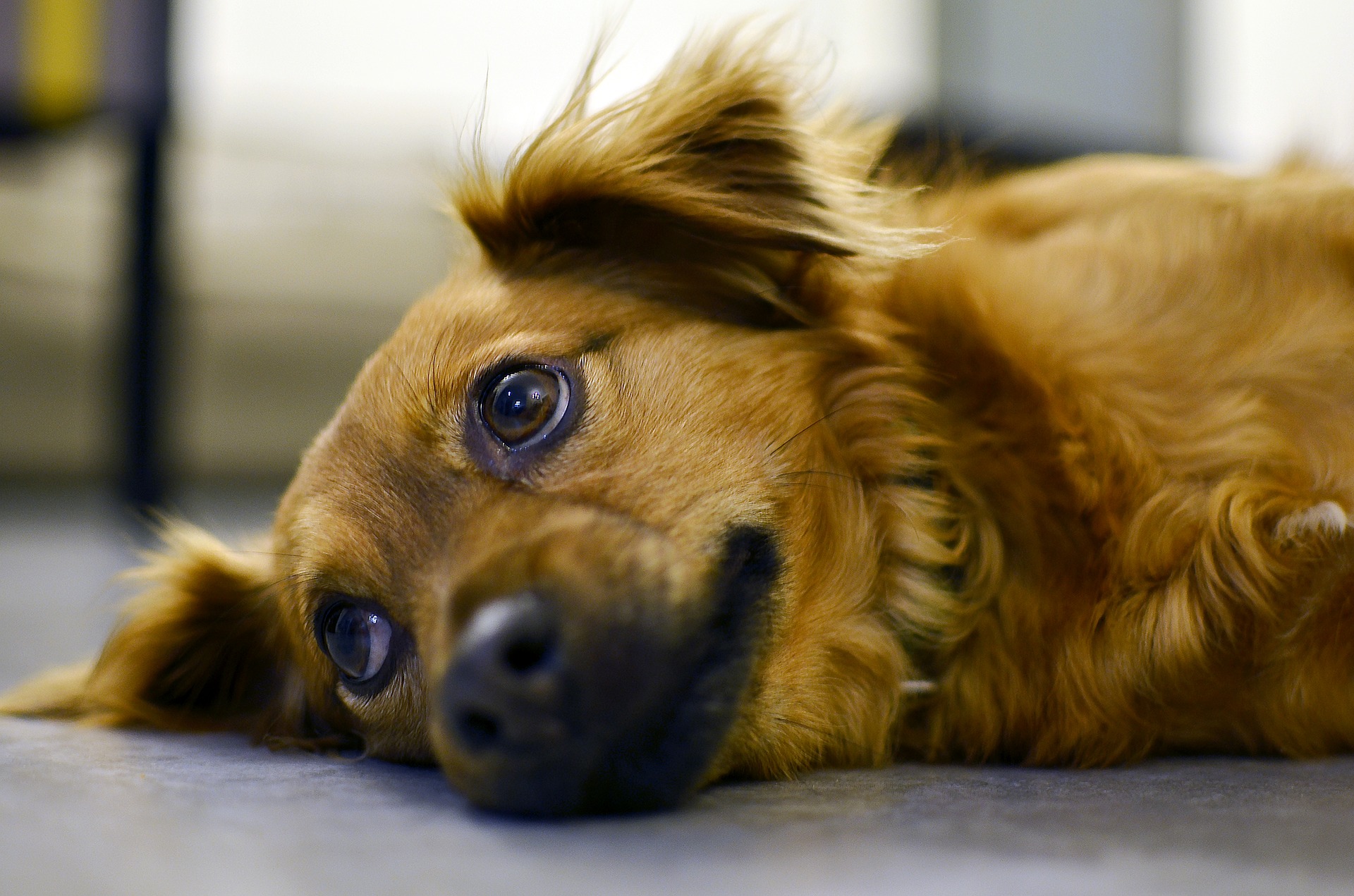
Japanese dogs are said to be genetically prone to allergies. It's estimated that 8 out of 10 dogs will develop an allergic reaction. That's a pretty high rate...
Due to their history of consuming fish on a daily basis, Japanese dogs are thought to require a higher intake of omega-3 fatty acids, which are abundant in fish, than other dog breeds. One theory is that omega-3 fatty acids are difficult to obtain from commercially available dog food, which is why they develop allergies.
Knowing about allergies will help you calmly deal with them when they do occur. This time, we'll introduce skin problems, allergy foods, and allergic reactions!
Allergic Dermatitis: Common in Shiba Inu Dogs
The most common skin problem in Shiba Inu dogs is allergic dermatitis. Symptoms include not only itchy skin, but also redness, otitis externa, and diarrhea.
This allergy develops when allergens come into contact with the skin or are ingested. If an allergy test at a vet reveals that the allergy is caused by food, you should immediately switch your dog's regular dog food to a diet specifically designed for allergies.
Once an allergy develops, there is currently no cure. Medication and steroids are the primary treatments for suppressing symptoms.
If the allergy is caused by skin contact, identify the likely cause and replace or wash it.
If you're not sure what the cause is, look at the items your dog uses nearby. Mold or dust mites may be the cause. In many cases, replacing or washing blankets and toys and keeping your dog's surroundings clean will often resolve the issue!
Food Allergies Common in Shiba Inu Dogs
Food allergies that develop from long-term consumption may not be caused by allergens, but by additives such as food colorings.
Does your dog food contain a lot of artificial additives, such as red food colorings? Please check.
While preservatives are important in dog food, food colorings are completely unnecessary. This is because dogs don't care about the color of their food. It's best to feed your dog high-quality dog food that doesn't contain unnecessary colorings or artificial additives, and rotate the food to avoid feeding the same food twice.
Other foods that commonly cause allergies include eggs, beef, dairy products, and chicken. If your dog develops an allergic reaction, stop feeding it to them and feed them a protein source that doesn't contain any of these. Don't force your dog to eat food that's just been opened!
Maybe I'm Allergic? If you notice any itching, check to see if your dog is showing any signs of itching.
Shiba Inus are prone to skin allergies, so if your dog is constantly biting your hands or showing signs of itching around its eyes, be wary.
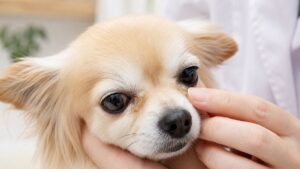
If your dog is scratching frequently, part its fur and check its skin. You may notice hair loss or redness. In such cases, take your dog to the vet immediately and have an allergy test performed to determine the cause.
If it's a food allergy, change its food. If it's a skin allergy, keep your dog's surroundings clean and tidy.
Do Shiba Inu's skin problems make shampooing difficult?
Shiba Inu are said to be a breed that doesn't do well in water. Relatively few Shiba Inu enjoy playing in water. Therefore, each shampooing can be physically and mentally taxing for Shiba Inu's skin problems.
Shiba Inu's double coat is resistant to cold weather, and shedding is noticeable during shedding season. However, there are also disadvantages to shampooing, such as water not penetrating the coat and making it difficult for it to dry.
Skin problems can occur due to incomplete washing. Shampoo your Shiba Inu thoroughly and take your time to ensure no shampoo or areas are left behind!
Mild and Severe Allergy Symptoms
If an allergy does develop, mild cases usually result in redness, itching, and diarrhea. However, severe cases can lead to respiratory distress and cardiac arrest. Take immediate action as soon as symptoms are detected.
Mild Symptoms
- Itchy skin
- Redness and dandruff
- Hair loss
- Frequent ear infections
Severe Symptoms
- Vomiting
- Dizziness
- Difficulty breathing
Symptoms are not that different from human allergic reactions. Prolonged allergic symptoms can weaken the body, and in severe cases, anaphylactic shock can be life-threatening.
What is anaphylactic shock?
This condition manifests throughout the body immediately after the onset of an allergic reaction, causing a drop in blood pressure and loss of consciousness, which can become a life-threatening condition.
Severe symptoms can be life-threatening, so if any allergy-like symptoms appear, take your child to the hospital immediately. If your child has been prescribed oral allergy medication, please administer it.
Summary
Here's a quick summary of the key points of this blog!
・Shiba Inu dogs are prone to allergies!
Japanese dogs require a higher intake of omega-3 fatty acids, which are found in abundance in fish, than other breeds. One theory is that this is difficult to obtain from commercially available dog food, leading to allergies.
・Shiba Inu dogs are prone to "allergic dermatitis"
Symptoms include itchy and red skin, otitis externa, and diarrhea. Since there is currently no cure for allergies once they develop, the main approach is to suppress symptoms with medication or steroids.
Food allergies: Allergies that develop through long-term consumption.
Foods that commonly cause allergies include eggs, beef, dairy products, and chicken. Food additives and colorings may be the cause. It's best to feed your dog high-quality dog food that doesn't contain unnecessary colorings or artificial additives, and to rotate the food so that it doesn't overlap.
This concludes our introduction to Shiba Inu allergies.
Whether you already live with a Shiba Inu or are planning to get one, this information is worth knowing, so be sure to understand it!







![[Free] 5 dog foods you can try! Depending on your dog's growth and preferences](https://with-my-dog.com/wp-content/uploads/2022/07/image7-12-150x150.jpg)