
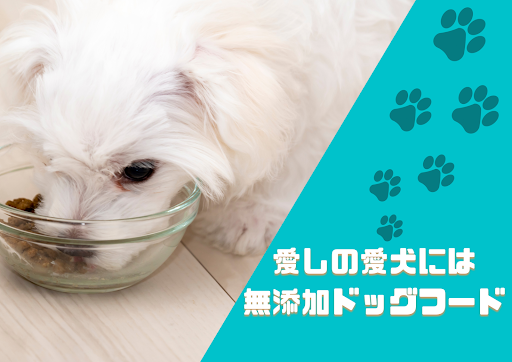
When you first get a dog, you're probably surprised by its voracious appetite.
However, just like humans, overeating is not good for dogs' health. There's also a risk of them becoming obese.
When humans gain weight, they go on a diet by restricting their food intake and exercising, but many pet owners may not know what to do if their beloved dog becomes overweight.
So, in this article,
"At what weight do dogs need to lose weight?"
"Does obesity really put your dog at risk for illness and shortened lifespan?"
"What kind of diet methods are available?"
For those of you wondering about this, we'll explain in detail the body types of dogs that need to lose weight, the risks of obesity, and specific diet methods.
If you're worried about your dog gaining weight, please take a look at this article.
What weight and body type should a dog start dieting?
If your dog is over its ideal weight, it may be a good idea to start a diet.
The ideal weight varies by breed, so be sure to check with your veterinarian.
Dogs' weights are measured in 10-gram increments, so having them weighed at a veterinarian will ensure accurate measurements.
When you visit a veterinarian, we recommend having your dog weighed and checked for its ideal weight at the same time.
You can also measure your dog's weight by holding it on the scale and subtracting its weight. However, since most human scales do not measure in 10-gram increments, this should only be used as a rough guide.
There are also ways to measure your dog's obesity level based on its body shape rather than its weight.
The Ministry of the Environment's Body Condition Score (BCS) is as follows.
| BCS 1 (Lean) | The ribs, lumbar vertebrae, and pelvis are easily visible from the outside. No fat is detectable by touch. The waist is clearly narrow and the abdomen is prominent. |
| BCS 2 (Slightly Lean) | The ribs are easily palpable. The waist is clearly narrow when viewed from above, and the abdomen is clearly prominent. |
| BCS 3 (Ideal Weight) | The ribs are palpable, without excess fat. A waistline is visible behind the ribs when viewed from above. A raised abdomen is visible when viewed from the side. |
| BCS 4 (Slightly Obese) | Somewhat excessive fat is present, but the ribs are palpable. A waistline is visible but not pronounced when viewed from above. A slightly raised abdomen is visible. |
| BCS 5 (Obese) | The ribs are difficult to feel due to the thick layer of fat. Fat is also present in the lumbar spine and tailbone. There is no or barely a waistline. The abdomen is not raised or is rather droopy. |
Source: "Pet Food Guidelines for Owners: Maintaining the Health of Dogs and Cats" 4. Health Management
The ideal body type is a score of 3.
Have your dog stand and look at its body shape from above and from the side, and even feel it for yourself.
To ensure your dog's health, be sure to understand its ideal weight and body shape.
What are the risks of obesity for dogs?
Obesity in dogs puts them at risk for various illnesses.
For your dog's health, you want to maintain a healthy weight without putting too much strain on it.
Next, we'll introduce the causes of obesity in dogs and the diseases that obesity increases the risk of.
Causes of Obesity in Dogs
The leading cause of obesity is overeating dog food.
If your dog eats too much high-calorie dog food or treats, it will take in more calories than it burns, resulting in weight gain.
For this reason, the most important thing to pay attention to is how your dog eats.
For dogs on a diet, it's best to feed them food that's as low in calories, low in fat, and high in protein as possible.
Other reasons your dog may gain weight include:
- Lack of exercise
- Stress
- Hormonal changes
- Illness
- Effects of castration or neutering
You should be especially careful about obesity caused by illness.
Diseases that can lead to obesity include:
- Hyperadrenocorticism (Cushing's syndrome)
- Hypothyroidism
These include:
Diseases Increased by Obesity in Dogs
Obese dogs are at increased risk of the following diseases:
- Cardiac dysfunction
- Ventilatory impairment
- High blood pressure
- Osteoarthritis
- Herniated disc
- Diabetes
- Fatty liver, etc.
Gaining weight puts a lot of strain on joints, making you more susceptible to osteoarthritis and herniated discs. Once these conditions develop, you may experience intense pain and become even more reluctant to exercise.
There's also the risk of falling into a vicious cycle of weight gain due to dieting despite not exercising.
Other factors include increased susceptibility to skin diseases and diabetes, and increased strain on the heart.
If a brachycephalic breed like a pug becomes overweight, the subcutaneous fat around the neck can compress the airway, causing breathing difficulties, which can be dangerous.
Being obese is almost never beneficial for dogs, so if you notice your dog gaining weight, it's best to start dieting as soon as possible.
How to Diet Your Dog: What Should You Do?
When dieting your dog, keep the following three tips in mind.
- Change your dog's diet while keeping calories in mind
- Effectively incorporate exercise, such as walks
- Pay attention to your dog's stress
From here, we'll explain each point in more detail.
Change your dog's diet while keeping calories in mind
When feeding your dog, be mindful of reducing calorie intake.
To reduce calorie intake, we recommend low-calorie, low-fat dog food.
Furthermore, it's best if the food is high in protein, such as from lean meat.
However, if you suddenly change your dog's dog food, your dog may be surprised by the change in taste and stop eating.
Therefore, it's best to gradually switch your dog's food by gradually mixing in the new food.
Another effective method is to reduce the amount of food your dog eats each day and feed it low-calorie meals multiple times a day.
Although this will reduce the amount of food your dog eats each day, dividing it into multiple meals increases the number of times your dog eats and shortens the time it feels hungry.
Effectively Incorporate Exercise Such as Walking
While your dog is dieting, be sure to effectively incorporate exercise such as walking and swimming.
Even simply taking a long, leisurely walk with your dog can be effective exercise for your dog.
It's also more effective to walk your dog up hills in addition to flat roads.
However, suddenly engaging in intense exercise can put strain on the joints and cause injury.
Gradually increase the intensity of exercise while monitoring your dog's condition.
In addition, swimming in a pool or river is gentle on joints and makes an effective weight-loss exercise.
While the buoyancy of water reduces strain on joints, there is always a risk of accidents in the water.
To prevent any accidents, please always supervise your dog while swimming.
Don't push yourself! Be careful of stress
Dieting is tough for humans too. Dogs can also feel stressed by sudden changes, or become negative when they sense the burden on their owners.
When dieting your dog, try to enjoy it together.
For example, even when going for a walk, if the owner feels obligated to take their dog, the dog will sense this and not enjoy the walk.
If the owner feels happy about going out with their dog, the dog will sense this and enjoy the walk and exercise.
Also, never force your dog to exercise excessively or suddenly reduce its food intake.
If your dog is suddenly unable to eat as usual or forced to exercise, it may become very stressed and develop problematic behaviors.
Don't expect immediate results; make a long-term plan and approach the diet patiently.
If you enjoy the diet with your dog, he will likely be more enthusiastic about it.
I'm having trouble losing weight. What should I do in this situation?
- Can I ask someone to help me exercise my dog?
- Can dogs get personal training?
We'll answer questions like these.
Can I ask someone to help me exercise my dog?
For example, if you're unable to walk your dog due to injury, illness, work, or other reasons, you can hire a pet sitter to walk your dog.
Hiring a pet sitter to walk your dog has the following benefits:
- You can take your dog for walks
- Your dog can get enough exercise
- It reduces the burden on the owner
On the other hand,
- It's expensive
- Your dog may not be satisfied with the amount of time spent walking
There are also other disadvantages, so be aware of them.
Generally, walking services are divided into 30-minute intervals.
For large dogs, 30 minutes may not be enough time for a walk, so you may need to ask your dog to endure the extra time, take the dog with you, or extend the walking service.
However, having someone walk your dog for you reduces the burden on you, so if you absolutely cannot take your dog with you, you may want to consider using a pet sitter.
Can dogs get personal training?
In some areas, there are fitness gyms specifically for dogs.
At fitness gyms specifically for dogs, you can effectively exercise your dog to maintain its health and lose weight.
In addition, some facilities offer professional trainers who can create a customized exercise plan tailored to your dog's physical condition and health.
An exercise plan created with expert knowledge can help you lose weight efficiently.
You can rest assured knowing that your dog's exercise will be monitored closely by a professional trainer.
Summary (Dog Diet Methods)
The main reason dogs get overweight is overeating.
While dieting is fundamental to your dog's overall health, you should never push them too hard suddenly.
Depending on the exercise, the weight of your dog's body can strain their joints, so gradually increase the intensity.
Suddenly increasing exercise or drastically reducing food can cause significant stress to your dog.
Don't rush for immediate results. Make a long-term plan and continue to make adjustments to slowly approach your ideal body shape.
If you enjoy dieting your dog, your dog will likely enjoy it too.







![[Bone fracture in dogs] Sometimes they don't show any pain? Explaining symptoms and treatment](https://with-my-dog.com/wp-content/uploads/2021/10/犬 アレルギー 薬 3枚目-150x150.webp)