
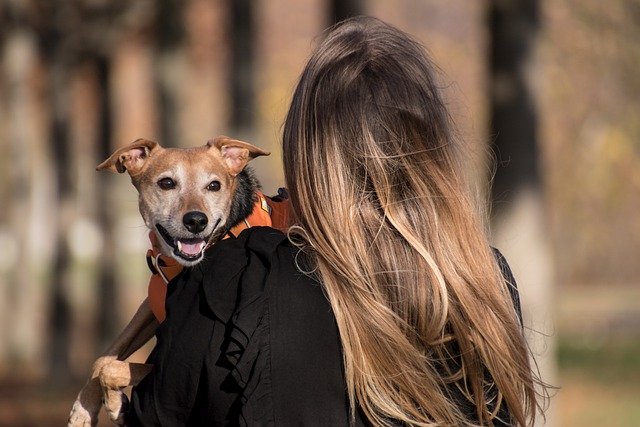
Dogs undergo various training when they are puppies, but there may be circumstances that lead to bringing an adult dog into your home.
In that case, toilet training is probably one of your concerns.
If your dog can use the toilet indoors, you won't have to force yourself to take them for walks on bad weather or when they're not feeling well, so it's best to let them use the toilet as much as possible.
- Can adult dogs be toilet trained?
- What are the specific training steps?
- What are some tips and things to keep in mind when training an adult dog?
This article explains key points for toilet training and discipline for adult dogs.
Can adult dogs be toilet trained?
You've probably heard that toilet training an adult dog is difficult.
The main reason why toilet training adult dogs is difficult is that they defecate less frequently than puppies.
There are no special training methods for adult dogs; just like with puppies, you'll need to be patient and continue training until they learn. It will take longer than with puppies, but prepare a playpen and toilet mats and be patient and train them until they learn.
How to Potty Train an Adult Dog
Before starting potty training for your adult dog, be sure to review the preparations and procedures.
Preparation Before Training
Before starting training, first decide on a location for your dog's toilet. Dogs don't like to use their sleeping area, so place the toilet away from their sleeping area. We recommend a quiet place, such as a corner of a room, where few people pass by.
Once you've decided on a location, create an enclosure with a playpen or similar to help your dog recognize it as a toilet.
Step 1: Observe the timing of your dog's toilet movements
When your dog needs to go to the toilet, it will spin around and fidget. If you can guide it to the toilet at this time, you'll be more likely to succeed, so be sure to observe your dog's timing carefully.
Once they reach adulthood, some dogs only defecate twice a day, morning and evening, although this varies from dog to dog. Right after waking up is the best time for them to defecate, so take them to the toilet as soon as you take them out of their crate.
Step 2: Guide them to the toilet
Once you've confirmed when your dog defecates, guide your dog to the toilet. It's also recommended to use a set phrase, such as "toilet" or "shi-shi-shi," to guide your dog. Your dog will learn to use the toilet when you give it a signal.
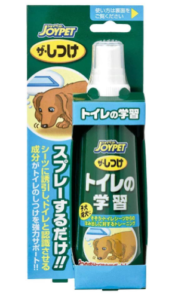
When guiding your dog to the toilet, you can place a sheet with dog urine on it near the toilet to make it easier to identify by scent.
Step 3: Praise enthusiastically
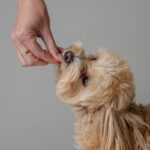
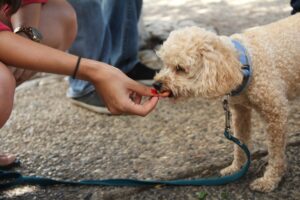
It's important to praise enthusiastically when your dog uses the toilet. Being praised also makes your dog feel happy about its success. Giving a treat as a reward when it succeeds is also effective. Once your dog learns to want to go to the toilet on its own, failures will decrease.
Never get angry or hit your dog if it has an accident. If your dog starts hiding out of fear, potty training will not progress. It may also become afraid of your hand and start biting.
【Toilet Training Adult Dogs】What to Do in These Situations?
It takes time to get an adult dog that has only ever gone outside to use the toilet in the house. Dogs are likely motivated to go to the toilet by the smell of the outdoors and the stimulation of their paws.
The most important thing is to get your dog used to your home. Forcing your dog to use the toilet pad will cause stress, so don't do it.
If your dog refuses to defecate indoors, initially set up the litter box in an outdoor location, such as a garden or balcony. Placing tree branches or leaves on top of the litter box sheet to simulate the outdoors is also effective.
Once your dog gets used to defecation, try using only the litter box sheet and no tree branches.
Also, do not scold your dog if it repeatedly makes an accident. Clean up immediately after an accident to prevent any lingering odors. Leaving the odor lingering can lead to the dog re-using the same spot.
Carpets and other surfaces can irritate your dog's paws and lead to defecation. It's recommended that you avoid carpets and other surfaces until training is complete.
【Adult Dog Training】Points and Cautions
Adult dogs generally take time to train, even beyond toilet training.
If you're feeling impatient, your dog will sense it, so be sure to understand the key points of training and remain calm as you train.
Basic Training Points
The key to training your dog is to make it fun. Keep in mind that each dog's personality is different, so some dogs learn quickly and others slowly.
First, communicate well with your dog and proceed with training at your dog's pace.
Physical punishment is counterproductive and not recommended
When your dog fails to use the toilet no matter how many times you teach it, you may become frustrated. However, please never punish your dog physically, such as by hitting it.Dogs will not understand why they were hit.
If your dog views excretion as a bad thing, it can have a negative impact on its health. It may also become aggressive toward its owner.
You Can Also Hire a Professional
If you're having trouble toilet training your adult dog, we recommend hiring a professional, such as a dog trainer. By hiring a professional, you can learn about your dog's personality traits that you may not have noticed, which will help you succeed in toilet training and other aspects of your dog's life. Knowing your dog's likes and dislikes will make communication easier.
You can also get advice on the room environment, such as where to place the litter box.
Summary (Toilet Training an Adult Dog)
What did you think of this introduction to toilet training adult dogs?
Even when your dog becomes an adult, the process is basically the same as training a puppy. It will take time, but be sure to carefully assess your dog's personality and make toilet training fun.
Whether your child is toilet trained or not, remember to praise them enthusiastically when they do it and avoid physical punishment.









![[2022 Edition] What is the safest dog food? Survey of recommended popular products](https://with-my-dog.com/wp-content/uploads/2021/10/puppy-ged828c55e_1920-150x150.jpg)