For your dog's health! Low-fat dog food that's good for dieting! Here are some criteria and points to consider when choosing!

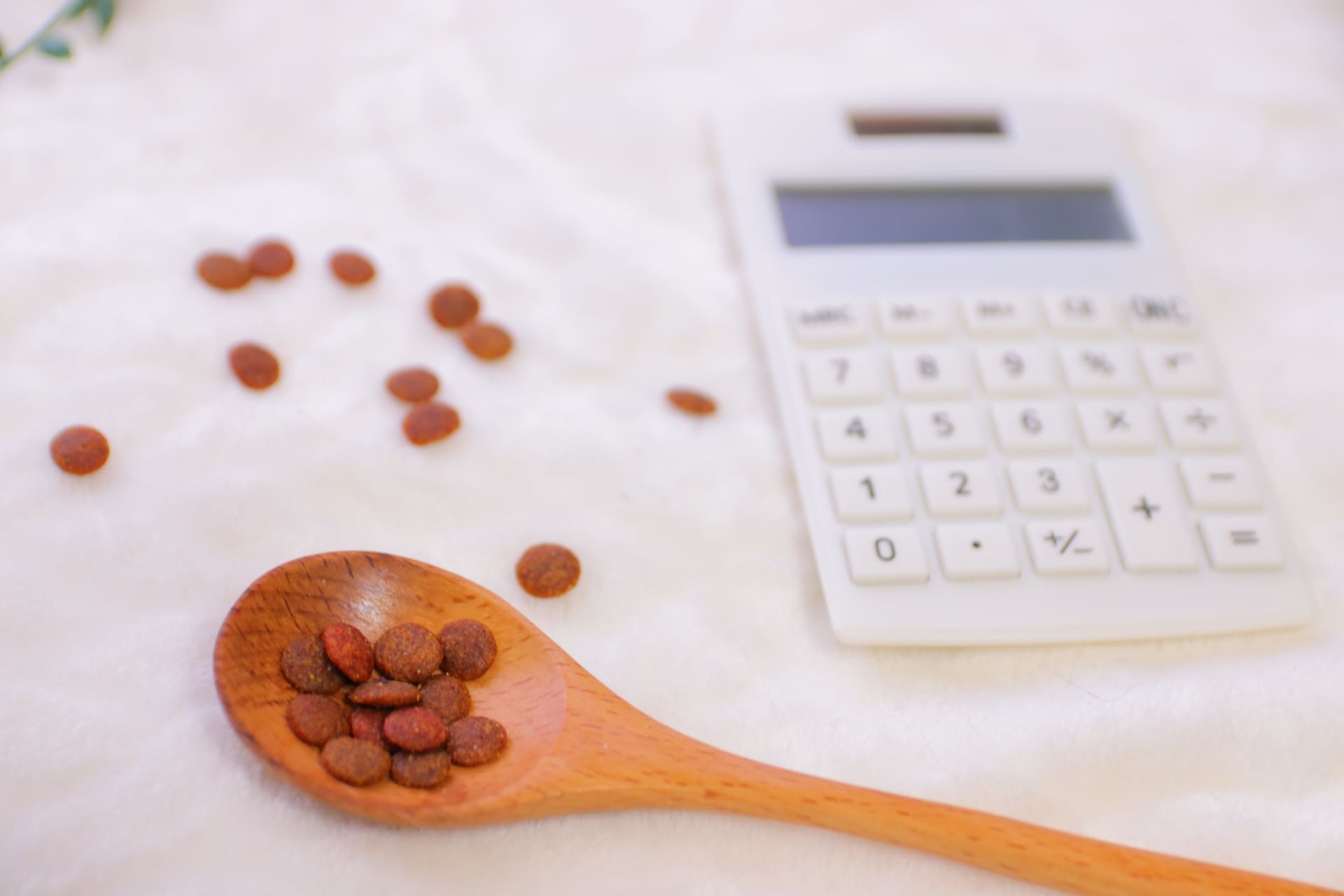
Owners looking for low-fat dog food likely have various concerns and goals, and are wondering if it's time to reassess their feeding environment.
The fat content of commercially available dog foods varies, from as low as 5% to as high as 35% or more!
Let's take a closer look at how to choose low-fat dog food, along with some key points.
What is the role of "fat" in dogs?
Fat is a nutrient that dogs convert into energy more efficiently than carbohydrates or protein. It's even been said that if a dog's food contains enough protein and carbohydrates, fat as an energy source isn't necessary.
Fats in all foods have the following functions:
- Aids in the absorption of fat-soluble vitamins.
- Increases the palatability of the animal's diet.
- Provides a source of essential fatty acids.
Although it's often said that "fat makes you fat" or "fat is bad," consuming a moderate amount of fat actually has a positive effect on your dog's body.
However, excessive fat intake can lead to obesity, pancreatic disease, liver disease, and other illnesses, so caution is required.
The key point to note is the calorie content of fat.
Carbohydrates: 3.5 calories per gram
Protein: 3.5 calories per gram
Fat: 8.5 calories per gram
While carbohydrates and protein each provide 3.5 calories per gram, fat provides 8.5 calories per gram, more than twice as many calories.
Although a dog's body preferentially uses lipids for energy, it's important to control the amount of lipids in their diet based on their age, body type, living environment, and exercise level.
Points to Consider When Choosing Low-Fat Dog Food
Choose a Low-Fat Dog Food Rich in Protein
Even when choosing low-fat dog food, make sure to check the main ingredient—human-grade animal protein—to help your dog build a healthy, strong body!
Protein is an important nutrient that builds the body, including muscles, bones, and skin.
Thus, while too much protein can be a burden, there's no need to restrict it excessively.
Aim for a diet with less than 10% fat
The worry about obesity in dogs is the strain it places on the body, including the heart and joints.
The average fat content of commercially available dog food is said to be 13-14%.
Therefore, generally speaking, a fat content of 12% or less is considered moderate or low-fat.
It's a good idea to aim for a fat content of around 10%, not just for the purpose of preventing future illness or dieting!
Also, with low-fat, low-calorie dog food, you can increase the portion size, ensuring your dog's satisfaction even more!
Choose additive-free, easily digestible, low-fat dog food
If you choose based on fat content alone, you may overlook additives and ingredients that are considered harmful to dogs.
Make sure to choose additive-free food that does not contain artificial ingredients such as preservatives or colorings.
Carefully check the ingredients and nutritional information on the back of the package.
Low-fat dry food also tends to lack essential fatty acids.
Omega-3 fatty acids (DHA and EPA), especially those found in high amounts in fish, are nutrients that dogs cannot synthesize themselves. Therefore, even if a high-fat diet isn't necessary, dogs should still be provided with healthy oils.
Good oils are said to have beneficial effects, such as reducing inflammation in the body.
Choose based on whether or not ingredients that cause food allergies are used
The last thing to keep in mind is whether or not the food contains ingredients that can cause allergies.
Even if you choose the right dog food for your dog, if it contains ingredients that cause food allergies, it could cause various problems and illnesses.
Foods Known to Cause Food Allergies
- Beef
- Pork
- Chicken Eggs
- Soybeans
- Wheat, etc.
In recent years, a wide variety of dog foods have been developed, including gluten-free and grain-free varieties.
Also, your dog may be allergic to certain ingredients, so please consult your veterinarian.
Is it okay to feed this to puppies and senior dogs?
It is very dangerous to choose low-fat dog food simply because it's healthy. Depending on your dog's age, activity level, and lifestyle, low-fat dog food may not be suitable for them, so be careful.
For Puppies
Puppies require a lot of energy, about twice the calorie intake of an adult dog.
If you feed your puppy low-fat dog food from an early age, it may impair bone and muscle formation, so be careful.
Unless your veterinarian has prescribed a diet, it's best to feed your puppy a nutritious puppy or all-age dog food.
For Senior Dogs
Their activity and exercise levels naturally decrease, and their basal metabolic rate also drops.
As their calorie needs decrease, continuing to consume the same amount of calories as an adult dog can increase their risk of obesity and illness.
However, switching to an extremely low-fat dog food is also dangerous.
Be careful, as this can severely reduce the necessary fat content, leading to symptoms such as dry skin, dandruff, and hair loss.
How to check your dog's obesity level and ideal body shape!
Use the BCS (Body Condition Score) as a reference for determining the level of fat.
BCS is a five-point scale ranging from "underweight" to "overweight."
Today, we'll introduce the characteristics of "normal," "slightly overweight," and "overweight" based on the five-point scale. Check it out!
BCS3: Standard
- Ribs palpable without excess fat
- Slight waistline defined behind ribs from above
- Side view reveals abdominal lift
BCS4: Overweight
- Slightly excessive fat deposits, ribs difficult to palpate
- From above, waistline is visible but not pronounced
- Slightly sagging abdomen
BCS5: Overweight
- Thick layer of fat covering ribs, unable to feel
- Fat deposits around lumbar spine and buttocks
- None or barely visible waistline
- Slightly sagging abdomen
If your dog falls into the BSC4 or BSC5 category, aim for a standard body type!
If your dog falls into the BSC5 category, be sure to consult your veterinarian before changing its food.
Summary

So, what do you think? The following dogs are recommended for low-fat dog food.
- I want to support the health of small dogs and adult or older dogs.
- I'm concerned about obesity due to low exercise.
- My dog is prone to stomach upset and I'm concerned about its intestinal environment.
- I'm concerned about the dietary environment of adult and senior dogs.
The reasons for switching to low-fat dog food vary depending on your dog's condition and your own personal preferences.
If you need to choose low-fat dog food due to an illness, it's important to consult with your veterinarian.








![Want to see cute dog photos? A collection of popular sites [including free stock images]](https://with-my-dog.com/wp-content/uploads/2022/07/image4-11-150x150.jpg)









![[Photos] Fat dogs are cute! Be careful not to get too fat](https://with-my-dog.com/wp-content/uploads/2022/07/image10-5-300x203.jpg)