
Do you know at what age a dog is considered senior?
Generally, a dog is considered senior, or an elderly dog, from about 7 years old. Puppies are full of energy and adorable, but senior dogs, having lived with us for so long, are also incredibly adorable in every move they make.
First, let's talk about the adorable behaviors of senior dogs!
The Adorable Behaviors of Older Dogs
Their Faces Become Gentler
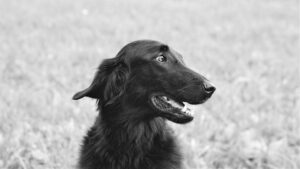
As they age, their faces become gentler. Even dogs that were sharp as adults develop droopy ears and tails, wrinkles, and slightly droopy eyes, giving them an overall softer appearance. As their physical strength declines, their emotions also tend to become more mellow.
Movements become slower
Compared to when they were younger, their physical strength has declined and their joints have weakened. As a result, their overall movements become slower. Starting to walk, climbing stairs, and eating all become slower. This is a difficult task for a dog, but it also seems like they're trying hard, which makes them seem more endearing.
They'll start sleeping more
As their physical strength declines, they become easily tired even from slight movements. This leads to them sleeping longer. Dogs naturally tend to sleep longer than humans, but this becomes even more pronounced as they get older. Older dogs look happy and comfortable when they sleep, which is another reason why they're so endearing.
They'll eat their food more slowly
When they're young, they'll gobble down their food and quickly empty their bowl, but as they get older, they'll chew and swallow more slowly. They'll even take breaks occasionally while eating. You'll notice their overall movements become slower and gentler.
Here are some tips to help your adorable dog live a long life!
The Secret to Longevity in Older Dogs
The Guinness World Record for Longest Living Dogs is an astounding 30 years!
While this may vary depending on the breed, this Guinness World Record is more than double the average.
First, here are three tips to help your dog live a long life.
- Diet
- Environment
- Exercise
These three things are extremely important. I'll explain them!
First of all, there's no shortcut to a long life for either dogs or humans, such as "just eat this" or "do that." Small, everyday "healthy things" accumulate and lead to a long life.
Diet
Diet is the foundation of a healthy body. The same is true for dogs. Their bodies are made up of what they eat. It's no exaggeration to say that a good diet will extend their lifespan, while a poor diet will limit their longevity.
In the days when human food equaled dog food, the average dog lifespan was less than half of today's average (the current average is 14.2 years). Human food contains many ingredients that should not be fed to dogs. However, research was not advanced at the time, and dogs were fed large amounts of ingredients that should not be fed to dogs, which is likely why their average lifespan was so short.
Forty years ago, the average lifespan of a dog was a mere three years. This was likely due to feeding them foods containing ingredients that should not be given to dogs.
Recently, dog food manufacturers have conducted research and many foods have carefully selected ingredients that are good for dogs' health, which seems to have significantly increased the average lifespan.
In particular, there is data showing that dogs fed homemade food rather than dog food live approximately three years longer.
- Homemade food uses fresher ingredients and has a higher nutrient absorption rate.
- Commercial food loses nutrients during high-temperature heating and molding.
- Commercial food contains unnecessary additives.
These are some of the issues being discussed. It's not necessarily true that homemade food is 100% better and dog food is bad for your pet! Homemade food is more difficult to make and there are many other things you need to be careful about, so there's no need to force yourself to use homemade food!
Environment
In the past, it was common for dogs to be kept in kennels outside, but these days, indoor pet ownership has become the norm. This is inevitable, given the recent temperature fluctuations.
Keeping your pet indoors isn't always a good idea; there are many hidden dangers, including accidental ingestion and heatstroke in the summer. If you can't keep a close eye on your pet and immediately notice any abnormalities, it's no different from keeping your pet outside.
Ensure your dog's health and safety.
Exercise
To stay healthy, dogs need to do the same, just like people.
It's important for dogs to eat well, sleep well, and play well.
When it comes to exercise for dogs, walking is probably the first thing that comes to mind, but what do you think?
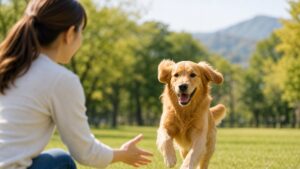
Walking not only provides exercise, but also stimulation through the smells. Outside, dogs can discover new things they can't discover inside the house, which helps them relieve stress. Playing also helps relieve stress, so be sure to give them plenty of playtime.
Summary
When you've been with your dog for a long time, you'll find every behavior endearing.
As they age, their facial features become gentler, and their movements become gentler and slower overall.
Because their physical strength declines, the sight of them taking a break after a short activity can be somewhat endearing.
Even though they're such adorable dogs, someday we'll have to say goodbye. Here are some tips to help them live as long as possible:
- Diet
Diet is the foundation of good health. The same is true for dogs. Your body is made up of what you eat. It's no exaggeration to say that a good diet will extend your lifespan, while a poor diet will limit your chances of survival.
- Environment
In the past, it was common for dogs to be kept in kennels outside, but these days, indoor pet ownership has become the norm. This is perhaps inevitable, given the recent fluctuations in temperature.
Keeping your dog indoors isn't always enough; there are many lurking dangers, including accidental ingestion and heatstroke in the summer. Ensure your dog's health and safety.
- Exercise
When you think of dog exercise, walking is probably the first thing that comes to mind. Is that correct?
Walking not only provides exercise, but also stimulates your dog by exercising through scents. There are new discoveries outside that dogs can't make at home, and this helps relieve stress. Playing also helps relieve stress, so make sure to play with your dog as much as you can.
Keep these three things in mind.