


**Dog and cat allergies** can turn life with a beloved pet into a daily struggle of sneezing, itching, and discomfort. Many owners aren't sure whether they're reacting to fur, dander, saliva, or something else entirely—and that confusion can make it hard to find relief.
This simple guide from DogsCats breaks down **what dog and cat allergies really are**, how to recognize the signs in both humans and pets, and what **practical steps owners can take** to reduce symptoms. From understanding common triggers to exploring treatment options and everyday home adjustments, the goal is to help people and their pets live together more comfortably.
Whether someone is dealing with their own allergies, suspects their dog or cat may be allergic to something, or is just planning ahead before bringing a new pet home, this article offers **clear, straightforward information** to support better decisions and healthier, happier households.
What are dog and cat allergies?

An allergy to dogs or cats is the immune system overreacting to proteins from a pet. The body mistakes harmless particles for dangerous invaders and launches a defense, which causes familiar allergy symptoms such as sneezing, itchy eyes, or rashes.
In people, the main culprits are proteins found in:
- Dander (tiny flakes of skin)
- Saliva (dried saliva on fur and surfaces)
- Urine (especially in litter boxes or soiled areas)
- Occasionally fur and hair, when they carry dander and other allergens
When someone with a pet allergy breathes in or comes into contact with these proteins, the immune system releases chemicals like histamine. Histamine triggers swelling, itching, mucus production and sometimes breathing problems.
Dog and cat allergies can range from mild, occasional irritation to significant, daily symptoms that affect sleep, work and overall quality of life. Some people react only after close contact, while others notice symptoms as soon as they enter a home where a dog or cat lives.
Allergies do not mean the body is weak; they mean the immune system is overprotective toward certain pet-related proteins.
Allergies to pets vs allergies in pets
Allergies involving dogs and cats can be confusing, because they go in two directions: people can be allergic to pets, and pets can have allergies themselves.
In people, a pet allergy means the immune system overreacts to proteins from an animal’s dander, saliva, or urine. Common results are sneezing, itchy eyes, a stuffy or runny nose, skin rashes, and in some individuals, asthma symptoms. The problem is the human immune system, not the pet’s health.
In dogs and cats, allergies usually show up very differently. Instead of sneezing and watery eyes, pets more often develop itchy skin, ear infections, chewing or licking the paws, and recurrent skin infections. Triggers can include flea bites, food ingredients, pollen, dust mites, or even contact with certain materials.
A simple way to keep it straight:
- Allergies to pets: a person reacts to allergens from a dog or cat.
- Allergies in pets: a dog or cat reacts to allergens in the environment, food, or parasites.
Understanding which type of allergy is involved helps determine whether a doctor, a vet, or often both should be involved in care.
Dog vs cat allergens: what’s different?
Dog and cat allergies share a lot in common, but the main allergen sources and how long they linger can be quite different.
In both species, the problem is usually not the fur itself. The key triggers are proteins in dander (dead skin flakes), saliva and urine that stick to hair and spread through the home.
| Feature | Dog allergens | Cat allergens |
|---|---|---|
| Main known proteins | Can f 1, Can f 2, others | Fel d 1 (dominant), Fel d 2, others |
| Strength & stickiness | Significant, but variable by dog | Often more potent and very sticky |
| How far they spread | Mostly in the home and car | Easily become airborne and spread to public places |
| How long they persist | Days to weeks on surfaces | Weeks to months in dust, fabrics and air |
Cat allergen Fel d 1 is tiny and very light, so it floats in the air for a long time, clings to clothing and can be found in schools, offices and public transport even where no cats live. Dog allergens tend to be heavier and more localized, so some people with dog allergies notice fewer symptoms if cleaning is consistent.
Because cat allergens are so persistent, people who react to cats often have symptoms more quickly and in more places, while dog-allergic individuals may react mainly at home or right after contact.
Common signs you are allergic to your pet
Allergies to dogs and cats can look like a lingering cold or a mild skin problem, so they are easy to overlook. Common clues usually appear soon after contact with the animal or time spent in a space where the animal lives.
Typical signs include:
- Sneezing that comes in fits, especially when petting the animal or cleaning the home
- Stuffy or runny nose that keeps returning around pets
- Itchy, red or watery eyes after being near the dog or cat
- Scratchy throat or mild cough that improves away from animals
- Itchy skin where the pet licks, scratches or rubs
- Red patches, hives or eczema flares after contact with fur, saliva or bedding
- Feeling short of breath, tight in the chest or wheezy, particularly in people with asthma
Some people notice symptoms only with certain activities, such as brushing, bathing or allowing the pet on the bed. Others react even in homes where a dog or cat lived months earlier. Any pattern of symptoms that improves when away from pets and returns when near them is a strong hint of a pet allergy and is worth discussing with a doctor.
Nose, eye and breathing symptoms
Dog and cat allergies often start with nose and eye symptoms. These can appear within minutes of contact or build up over hours.
Common nasal and eye signs include:
- Sneezing fits, especially in certain rooms or after pet contact
- Runny or stuffy nose that feels like a long‑lasting cold
- Itchy nose or throat
- Itchy, red, or watery eyes (allergic conjunctivitis)
- Swollen, puffy eyelids
Symptoms usually worsen:
- After petting, grooming, or hugging a dog or cat
- In rooms where pets sleep or carpets, sofas, and bedding collect dander
- When cleaning areas with a lot of pet hair and dust
Pet allergens can also irritate the lower airways and trigger asthma‑like problems.
Breathing warning signs include:
- Coughing, especially at night or after being around pets
- Tightness in the chest
- Wheezing (a whistling sound when breathing out)
- Shortness of breath or feeling unable to take a full breath
A cold typically clears within 7–10 days, while allergy symptoms tend to persist as long as exposure continues. Anyone who develops breathing trouble, chest tightness, or wheezing around dogs or cats should speak with a doctor promptly; sudden severe breathing difficulty is an emergency and requires urgent care.
Skin symptoms, itching and rashes
Dog and cat allergies often affect the skin as much as the nose and eyes. Itchy, irritated skin that appears or worsens after contact with pets is a key warning sign.
Common skin symptoms include:
- Itchy skin on the face, neck, chest, arms or hands after touching or holding a pet
- Red, bumpy rashes where fur, saliva or paws have touched the skin
- Hives (urticaria) – raised, red or skin‑colored welts that itch or burn and may appear within minutes of exposure
- Eczema flare‑ups – dry, scaly, or oozing patches that worsen after time with a dog or cat
- Swollen eyelids or lips if allergen gets on the face or near the eyes and mouth
Symptoms may appear right away or a few hours after exposure and can last from minutes to several days. Skin reactions that spread quickly, involve the face or throat, or come with trouble breathing require urgent medical care, as they may signal a more serious allergic reaction.
Why dogs and cats trigger allergies

Dogs and cats do not cause allergies because of their fur length or breed alone. The problem is how the immune system reacts to certain proteins that pets naturally produce.
In people with pet allergies, the immune system mistakes harmless pet proteins for dangerous germs. The body then:
- Produces allergy antibodies (IgE) against pet proteins
- Releases histamine and other chemicals when exposed again
- Creates inflammation in the nose, eyes, lungs, or skin
Key pet proteins that often trigger this response include:
- On the skin and dander – tiny flakes that easily become airborne
- In saliva – left on fur and skin after licking
- In urine and gland secretions – spread in litter boxes or outdoor areas
Once these proteins are in the air or on household surfaces, they are easy to breathe in or to transfer to the eyes, nose, and skin. Even very small amounts can trigger symptoms in sensitive people, which is why allergy problems can continue long after a pet has left a home.
Dander, saliva, urine and fur explained
Allergic reactions to dogs and cats are usually blamed on fur, but fur alone is not the main problem. The real triggers are tiny proteins found in dander, saliva and urine that end up on fur and in the air.
Dander (skin flakes): Dander is made of microscopic flakes of skin. Dogs and cats constantly shed dander, and it sticks to furniture, clothing and dust. Because the particles are so light, dander stays airborne for a long time and is one of the strongest triggers for pet-allergic people.
Saliva and urine: Proteins in dog and cat saliva and urine are also major allergens. When pets lick their fur, the saliva dries and the allergen becomes airborne or transfers to human skin and fabrics. Litter boxes, puppy pads and soiled areas can release urine allergens into the air, especially when disturbed.
Fur and hair: Fur or hair mainly act as carriers. Fur traps dander, dried saliva, dust and pollen and spreads them around the home. Even short-haired or frequently groomed animals can cause symptoms if allergen levels on their skin and coat remain high.
Are there really hypoallergenic breeds?
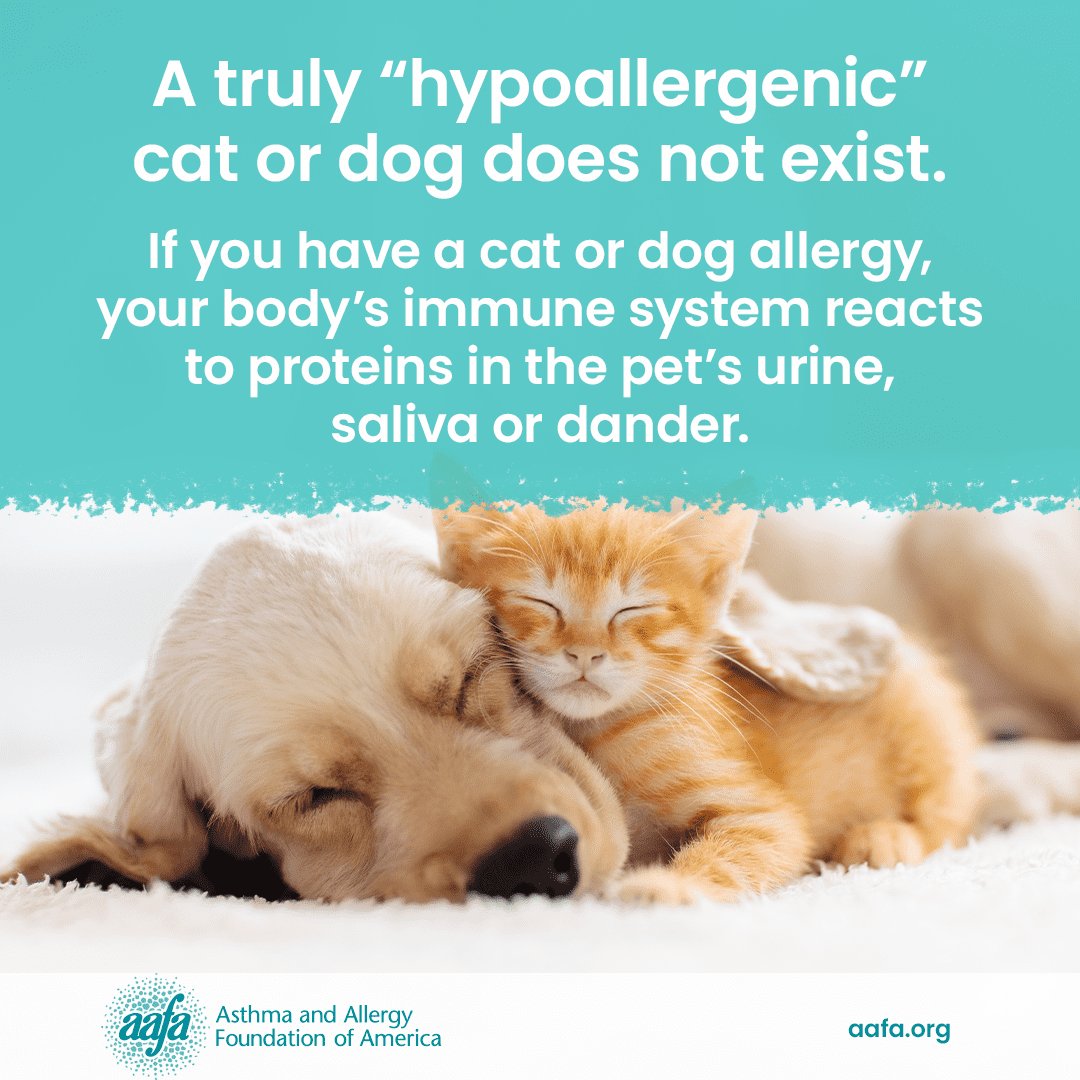
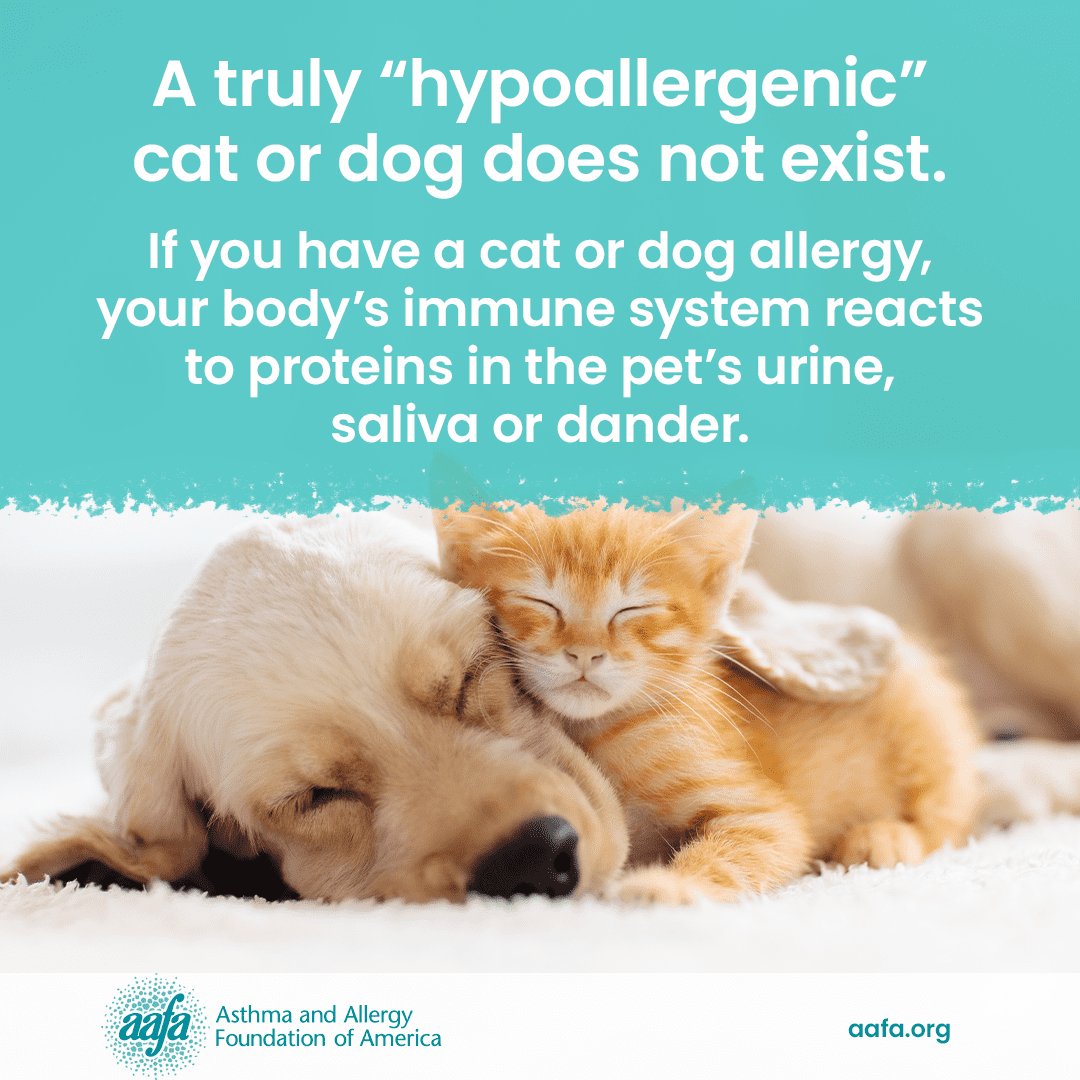
Many owners hope a "hypoallergenic" dog or cat will solve allergy problems. In reality, no breed is 100% hypoallergenic. All dogs and cats produce the proteins that trigger allergies, mainly from skin (dander), saliva and urine.
Where breeds differ is in how much allergen spreads into the environment, and how easily it becomes airborne. Some breeds often marketed as lower-allergy include poodles, bichon frise, schnauzers and certain hairless or short-coated cats. These animals may:
- Shed less visible hair
- Trap less dander in thick undercoats
- Drool less, so less saliva dries on fur and furniture
However, studies have found similar levels of dog and cat allergens in many homes, regardless of breed. Individual animals within the same breed can also vary widely.
For people with allergies, it is safer to think in terms of lower-allergen individuals, not magic breeds. Spending time with a specific dog or cat before adoption and combining careful grooming and cleaning usually makes more difference than breed choice alone.
How doctors diagnose pet allergies in people

Doctors combine symptoms, exam findings, and allergy tests to diagnose pet allergies in people. The goal is to confirm that dog or cat proteins are actually causing the reactions, not just dust, pollen, or a virus.
Key steps doctors use to confirm a pet allergy
Most clinicians follow a similar process:
- Detailed questions about symptoms
- When symptoms started and how long they last.
- Whether problems worsen around specific dogs or cats, in certain rooms, or after visiting homes with pets.
-
Night-time or early-morning symptoms that may suggest allergens in the bedroom.
-
Physical examination
The doctor checks the nose, throat, lungs, eyes, and skin for signs of allergic inflammation such as nasal swelling, red itchy eyes, or eczema. -
Review of environment and other triggers
Doctors ask about carpets, bedding, smoking, mold, and outdoor allergies. This helps separate true pet allergy from other common causes of congestion or rashes. -
Allergy testing if needed
If the story strongly suggests pet allergy, doctors usually order skin prick tests or blood tests for dog and cat dander, sometimes alongside dust mite, pollen, and mold. A positive test plus typical symptoms around pets is considered strong evidence of allergy.
Medical history and what happens at the visit
During an allergy evaluation, the doctor starts with a detailed medical history. For dog and cat allergies, the key questions focus on when and where symptoms appear and how they relate to pet exposure.
Typical points the doctor covers include:
- What symptoms occur (sneezing, itchy eyes, wheeze, skin rash) and how often
- Whether symptoms worsen around specific dogs or cats or in certain homes
- How quickly symptoms start after contact and how long they last
- Home environment: number of pets, indoor/outdoor access, bedroom rules, cleaning habits
- History of asthma, eczema, hay fever, or other allergies in the patient or family
- Current medicines and what has or has not helped
The physical exam usually includes:
- Nose and throat check for swelling, mucus, or polyps
- Eye exam for redness and tearing
- Lung exam for wheezing or reduced airflow
- Skin check for hives, eczema, or scratching
Based on this visit, the doctor decides whether pet allergy is likely and which tests (such as skin prick or blood tests) are appropriate next.
Allergy testing: skin prick and blood tests for dog and cat allergies
Allergy tests help confirm whether pet dander is really the problem and how strong the allergy is. Doctors usually use two types of tests: skin prick tests and blood tests. Sometimes both are used together for a clearer picture.
Skin prick tests are often the first choice because they are quick and very sensitive.
- A small drop of liquid allergen (dog or cat dander extract) is placed on the skin, usually the forearm or upper back.
- The skin under each drop is gently pricked so the allergen enters the top layer.
- After about 15–20 minutes, the doctor measures any raised, red bumps.
A larger, itchier bump usually means a stronger allergy. Skin tests are not done if the skin is very irritated, if certain medications cannot be stopped, or if there is a high risk of a severe reaction.
Blood tests (specific IgE tests) measure allergy antibodies (IgE) to dog and cat allergens in a blood sample. The sample is sent to a lab, and results come back in days, not minutes.
Blood tests are useful when:
- Skin testing is not possible (severe eczema, dermatographism, or widespread rash).
- Antihistamines or other medicines cannot be stopped.
- There is a history of severe reactions.
Results are reported as levels or classes; higher levels generally indicate higher sensitivity, but they must be interpreted along with symptoms and medical history.
Treatment options for people with pet allergies

Managing dog and cat allergies usually requires a mix of medical treatment and allergen reduction rather than a single cure. A doctor will tailor options to symptom type, severity, and how important it is to keep the pet.
Key treatment paths include:
-
Avoidance and reduction of exposure: Reducing allergen levels is the foundation of care, even when medicines are used. Strategies include keeping pets out of the bedroom, using HEPA air cleaners, and cleaning fabrics frequently. Later sections of this guide explain these steps in detail.
-
Medications for symptom relief: Many people do well with antihistamines, nasal steroid sprays, eye drops, or inhalers for asthma. These do not remove the allergy but control day‑to‑day symptoms.
-
Allergen immunotherapy (allergy shots or tablets): For some people, especially with persistent symptoms or asthma, immunotherapy can reduce sensitivity to pet allergens over time. This is a long‑term approach, usually considered when medicines and home changes are not enough.
-
Combined plans for asthma or chronic sinus issues: People with lower lung function, frequent wheeze, or recurrent sinus infections often need a more structured plan, sometimes involving a specialist such as an allergist or pulmonologist.
The most effective approach is usually a personalized combination of these options, reviewed regularly as symptoms and living situations change.
Over-the-counter and prescription medicines
For many people with dog and cat allergies, mild to moderate symptoms can be controlled with over-the-counter (OTC) medicines. Always read labels carefully and check with a health professional if there are other medical conditions.
Typical OTC choices include:
- Antihistamine tablets (cetirizine, loratadine, fexofenadine, levocetirizine) – reduce sneezing, runny nose, itchy eyes, and hives with relatively little drowsiness.
- Older antihistamines (diphenhydramine, chlorpheniramine) – work quickly but often cause strong drowsiness and impaired focus.
- Antihistamine eye drops – ease itchy, watery, red eyes.
- Nasal steroid sprays (fluticasone, mometasone, budesonide) – decrease nasal inflammation and congestion; best when used daily during exposure.
- Decongestants (pseudoephedrine tablets, oxymetazoline sprays) – relieve stuffiness short term but should not be used for more than a few days for sprays, or long term for tablets, due to side effects.
OTC products are useful for occasional contact with dogs and cats, or as part of a broader allergy plan.
When OTC medicines are not enough, a clinician may recommend stronger or more targeted prescriptions, especially for people who live with pets full time or have asthma.
Common prescription options include:
- Stronger nasal steroid sprays or combinations with antihistamines.
- Prescription antihistamines – sometimes longer-acting or better tolerated than OTC versions.
- Leukotriene receptor antagonists (such as montelukast) – tablets that help some patients with both nasal and lower-airway symptoms.
- Inhalers for asthma – including daily controller inhalers (inhaled corticosteroids, sometimes combined with long-acting bronchodilators) plus rescue inhalers for sudden breathing trouble.
- Short courses of oral corticosteroids – reserved for severe flares because of long-term side effects.
Prescription treatment is often combined with environmental control measures and, in some cases, allergy shots or other long-term therapies.
Allergy shots and other long-term therapies
Allergy shots (allergen immunotherapy) are a long‑term treatment that trains the immune system to react less strongly to dog and cat allergens. Tiny amounts of purified allergen are injected under the skin on a regular schedule. Over time, the dose is slowly increased until a "maintenance" level is reached.
Allergy shots are usually considered when:
- Symptoms are moderate to severe or year‑round
- Medicines + environmental control are not enough
- The person wants to keep living with a dog or cat
Benefits often appear after 6–12 months, and the full course usually lasts 3–5 years.
During the build‑up phase, injections are given weekly (sometimes twice weekly) for several months. In the maintenance phase, visits are spaced out, often every 3–4 weeks. Each injection requires a short observation period in the clinic to watch for side effects such as redness, itching, or, rarely, more serious reactions.
Allergy shots do not help everyone, but they can reduce symptoms, lower medicine needs, and may prevent asthma from worsening in some people.
For people who cannot commit to injections or who live far from a clinic, other options may include:
- Sublingual immunotherapy (SLIT): allergen tablets or drops dissolved under the tongue. Fewer products are approved for pet allergies, so availability varies by country.
- Biologic medicines: injections such as anti‑IgE or anti‑inflammatory antibodies used for severe asthma or chronic sinus disease linked to allergies. These are usually reserved for patients with significant symptoms despite standard treatment.
Any long‑term therapy should be chosen with an allergist, who can weigh potential benefits, costs, and safety in the context of daily life with a dog or cat.
Managing asthma and sinus problems
For people whose dog and cat allergies trigger asthma, controlling airway inflammation is critical. A written asthma action plan from a doctor helps clarify which medicines to use daily and which to use for flare‑ups. Daily inhaled corticosteroids or combination inhalers reduce airway swelling, while quick‑relief inhalers (short‑acting bronchodilators) open the airways fast during symptoms.
Common asthma warning signs around pets include:
- Coughing, especially at night or after playing with a pet
- Wheezing or a whistling sound when breathing out
- Chest tightness or shortness of breath
Anyone who needs a rescue inhaler more than twice a week or wakes at night with symptoms should speak to a doctor about adjusting treatment.
Pet allergens often worsen chronic sinus congestion and postnasal drip. Treatment usually combines:
- Intranasal corticosteroid sprays to reduce deep nasal and sinus inflammation
- Saline rinses (neti pot or squeeze bottle) to wash out dander and mucus
- Antihistamines or leukotriene modifiers if allergies are a major trigger
Some people develop recurrent sinus infections when allergies are poorly controlled. Persistent facial pain, thick colored discharge, or fever around pets warrants medical review and possibly imaging or antibiotics.
Living with dogs and cats when you have allergies

Living with pet allergies does not always mean rehoming a dog or cat. Many people manage to stay comfortable by combining medical treatment with practical home strategies.
A key principle is allergen zoning. Ideally, the bedroom should be a strict pet‑free room so the body has several uninterrupted hours each night with lower exposure. Keeping pets off soft furniture, using washable throws on sofas and choosing easy‑to‑clean flooring in main living areas can also reduce build‑up.
Ventilation and air cleaning matter. Opening windows when pollen or outdoor pollution is low, using kitchen and bathroom exhaust fans, and running a HEPA air purifier in the bedroom or main living room can help remove airborne dander. Regularly changing HVAC filters to an allergen‑rated type adds another layer of control.
Personal habits are just as important:
- Wash hands and forearms after playing with pets.
- Avoid touching the face, especially eyes and nose, during contact.
- Change clothes after heavy cuddling or brushing sessions.
For many owners, consistent routines plus appropriate allergy medicines allow a comfortable life with beloved dogs and cats instead of giving them up.
Grooming routines that reduce allergens on pets
Regular grooming helps remove loose hair, dander and dried saliva before allergens spread around the home.
Key routine steps:
- Brush dogs and cats at least 3–4 times per week (daily is ideal for high‑shed pets).
- Use a slicker or de‑shedding brush that reaches the undercoat for double‑coated breeds.
- Brush outdoors or on a washable surface to keep allergens out of the air indoors.
- Wipe fur after walks or play with damp microfiber cloths or pet wipes to pick up pollen and dust.
Allergy‑prone owners should ask a family member without allergies to do most grooming, or wear a mask and gloves and change clothes immediately afterward.
Bathing can temporarily reduce allergen levels on dogs and, to a lesser extent, on cats:
- Bathe dogs about every 1–2 weeks using a gentle, moisturizing pet shampoo; over‑bathing may dry the skin and increase dander.
- Most cats do not need full baths; instead, use vet‑approved dander‑reducing sprays or wipes if tolerated.
- Choose fragrance‑free, hypoallergenic formulas to avoid irritating human or pet skin.
Any new product should be patch‑tested on a small area of the pet's skin and introduced gradually, and bathing frequency should be adjusted with veterinary guidance if the pet has skin problems.
Cleaning your home to lower allergen levels
Pet allergens are sticky and light, so they cling to fabrics and float in the air. Regular, targeted cleaning can significantly lower allergen levels, even if pets stay indoors.
- Vacuum floors and upholstery 2–3 times a week with a vacuum that has a true HEPA filter. Standard vacuums can blow allergens back into the room.
- Damp-dust hard surfaces (shelves, baseboards, window sills, TV stands) instead of dry dusting, which spreads allergens into the air.
- Wash bedding often:
- Human bedding: hot water (at least 130°F / 54°C) weekly.
- Pet beds, blankets and soft toys: hot cycle weekly if the fabric allows.
- Limit fabrics that trap allergens in main living areas. If possible, choose leather or faux leather furniture and wash curtains regularly.
- Use a HEPA air purifier in the bedroom or main living room to reduce airborne dander and hair.
- Create an "allergy-safe" room (often the bedroom) where pets are not allowed, and clean this space more thoroughly than the rest of the home.
Consistent cleaning matters more than "deep cleans." Small, regular tasks before symptoms flare usually help owners feel better around dogs and cats.
Daily habits that help you feel better around pets
Daily routines can make a big difference in how someone with allergies feels around dogs and cats. Small, consistent habits often reduce symptoms more than occasional big cleaning days.
Smart interaction habits:
- Keep pets off the face and neck. Avoid letting dogs or cats lick the face, and try not to cuddle right up against the nose and mouth.
- Change into "pet clothes" for playtime, then switch to clean clothes when symptoms tend to be worse.
- Wash hands and forearms with soap and water after touching pets, their toys, or bedding.
- Use a dedicated blanket or throw on sofas and beds where pets sit, and wash it frequently in hot water.
- If symptoms spike after brushing or playing, use a saline nasal rinse or shower to remove allergens from skin and hair.
Daily health habits that reduce reactions:
- Take prescribed or recommended allergy medicines at the same time every day for steadier control.
- Use a saline nasal spray or rinse once or twice daily during high-symptom periods.
- Keep bedroom windows closed in high-pollen seasons so allergens do not combine with pet dander.
- Avoid smoking or vaping around pets; irritated airways react more strongly to pet allergens.
- Support general health with good sleep, hydration and regular exercise, which can help the body manage inflammation more effectively.
Allergies in dogs and cats themselves

Dogs and cats do not only cause allergies in people; they can be allergic themselves. In pets, "allergy" usually means the immune system is overreacting to something harmless, such as flea bites, food proteins, pollens, grasses, molds, or house dust mites.
In dogs and cats, allergies most often show up on the skin rather than as sneezing and watery eyes. The medical term many vets use is allergic dermatitis. The skin barrier becomes inflamed and itchy, which leads to scratching, licking, chewing, and rubbing. Over time, this can cause hair loss, red or darkened skin, and secondary infections with bacteria or yeast.
Common allergy types in pets include:
- Flea allergy – extreme reaction to flea saliva, often with intense itching over the lower back and tail base.
- Environmental (atopic) allergy – sensitivity to pollens, molds, or dust, often seasonal at first.
- Food allergy – immune reaction to ingredients such as beef, chicken, dairy, or fish.
Recognizing that a pet may also be allergic is important, because untreated allergies greatly affect comfort and quality of life and often require long‑term management with a veterinarian.
Typical allergy signs in dogs and cats
Dogs and cats rarely sneeze and wheeze from allergies the way people do. Instead, most allergic pets show skin and ear problems, and many owners miss the connection.
Typical allergy signs include:
- Itching and scratching: persistent licking, chewing or scratching at paws, belly, armpits, groin, or base of the tail.
- Red, inflamed skin: pink or bright red patches, especially where the fur is thin.
- Recurrent ear issues: frequent head shaking, smelly or waxy ears, and repeated ear infections are classic for allergic dogs and cats.
- Hair loss and overgrooming: bald spots, broken hairs, or cats grooming until the fur is thin or the skin is raw.
- Recurrent skin infections: oozing or crusty sores, hot spots, and scabs that keep returning despite treatment.
- Face and paw issues: rubbing the face on furniture or the floor, swollen or stained paws from constant licking.
Any itchiness that lasts more than a few weeks, or keeps coming back, is a warning sign of allergies. Early veterinary assessment helps prevent chronic pain, skin damage, and resistant infections.
Common triggers: fleas, food, pollen and dust
Dogs and cats often react to a cluster of everyday allergens rather than a single cause. Understanding the main triggers helps owners work with the vet on a targeted plan.
Flea allergy dermatitis is one of the most common skin allergies in pets. A dog or cat is not reacting to the bite itself, but to proteins in flea saliva. In sensitive animals, even one or two bites can cause intense itching, especially over the back, tail base and thighs, red bumps, scabs and hair loss, and secondary skin infections from scratching. Year-round, vet-approved flea control is usually essential for allergic pets.
Food allergies usually involve proteins (for example beef, chicken, dairy, egg, fish or soy). Signs often include persistent itching, face and paw licking, ear infections, and sometimes vomiting or diarrhea. Diagnosis typically requires a strict elimination diet using a novel or hydrolyzed protein.
Environmental allergies (often called atopy) are triggered by airborne allergens such as tree, grass and weed pollens, house dust and dust mites, and molds. Pets inhale or absorb these particles through the skin, leading to seasonal or year‑round itching, red skin, ear and paw problems. Many allergic dogs and cats react to a mix of fleas, food and environmental allergens, so careful veterinary investigation is important.
How vets diagnose and treat allergic pets
Vets start with a detailed history and physical exam. Owners are usually asked when the itching or skin/ear problems started, whether signs are seasonal, what the pet eats, flea control used, and whether other pets are affected. The vet then checks the whole body, looking for patterns of hair loss, redness, ear infections and flea dirt.
To sort out common causes, vets may treat any obvious fleas and use strict flea control, try a strict elimination diet (usually a prescription diet) for 6–8 weeks to look for food allergy, and note whether signs worsen in pollen seasons, pointing toward environmental allergies (atopy). Skin scrapings, cytology (microscope checks of skin/ear swabs) and sometimes fungal cultures help rule out infections or mites that can look like allergies.
Treatment options usually combine several approaches rather than one "magic" cure. Depending on cause and severity, vets may recommend:
- Flea control: year‑round, fast-acting products for all pets in the home
- Anti-itch medicines: such as oclacitinib (Apoquel), lokivetmab (Cytopoint injection), short courses of steroids, or antihistamines
- Topical care: medicated shampoos, wipes and ear cleaners to remove allergens and treat secondary infections
- Diet changes: long‑term hypoallergenic or limited-ingredient diets for confirmed food allergy
- Allergy shots or drops (immunotherapy): customized to the pet's test results, aiming to reduce long‑term sensitivity to pollen, dust mites or mold
Regular rechecks are important so the vet can adjust treatment and keep the pet comfortable with the lowest effective dose of medications.
Choosing a dog or cat in an allergic household
Choosing a pet in an allergic household means planning first, falling in love second. A rushed choice can make symptoms worse for allergic family members and for the pet that may later need rehoming.
Key points to consider before choosing a pet
Start by clarifying who is allergic and how severe the reactions are:
- Mild, seasonal symptoms may be manageable with medicines and strict cleaning routines.
- Persistent or asthma‑related symptoms often need medical advice before committing to a pet.
Next, think about species and lifestyle:
- Cats usually trigger allergies more strongly than dogs, so a dog may be the safer choice in a very allergic home.
- Long coat vs short coat matters less than how much dander and saliva spread; heavy shedders and droolers are often harder for allergy sufferers.
- One pet generally creates fewer allergens than multiple pets.
Also consider practical limits:
- Are family members willing to follow grooming, cleaning and bedroom "pet‑free" rules every day?
- Can the household afford vet care, allergy medications and possible environmental changes such as air purifiers?
When in doubt, speak with a doctor or allergist before choosing a dog or cat so expectations and risks are clear from the start.
Questions to ask before bringing a pet home
Bringing a dog or cat into an allergic household requires careful planning. Before choosing an animal, it helps to prepare a list of questions for shelters, breeders or current owners. Key topics include health history, grooming needs and how much direct contact the pet will expect.
Useful questions include:
- About the animal and home environment
- Has the animal lived with allergy- or asthma-prone people before?
- How much does the pet shed, and how often?
-
What grooming or bathing routine is the animal used to?
-
Health and behavior
- Has the dog or cat ever shown signs of skin disease, parasites or allergies?
- Is there any history of respiratory illness?
-
Is the animal anxious or highly active (more movement can spread more dander)?
-
Fit with your household
- How much indoor time and lap-time does the pet typically want?
- Can the pet be kept out of bedrooms or off furniture if needed?
- Is there a trial or foster-to-adopt option in case allergy symptoms become severe?
Clear answers to these questions help owners judge both allergy risk and whether the pet's needs match the home.
How to meet animals and test your reaction safely with practical steps
Before committing to a dog or cat, it helps to deliberately expose the allergic person to animals in a controlled way. Aim for several short visits on different days, because allergy symptoms can build up over time.
Safe ways to meet animals include:
- Visit a friend or family member who has a well-groomed dog or cat and a reasonably clean home.
- Ask a shelter or breeder for multiple meet-and-greet visits instead of deciding on the first day.
- Limit the first visit to 30–60 minutes, then stay alert for symptoms over the next 24 hours.
During a test visit:
- Keep the animal out of the face area; avoid kissing, face rubbing, or letting the pet sleep on clothes.
- Wash hands and exposed skin with soap and water immediately after contact.
- Change clothes and shower soon after going home to remove dander.
- Note any nasal congestion, sneezing, itchy eyes, wheezing, cough or hives and how long they last.
If there is a history of asthma or severe reactions, consulting an allergist before test visits and carrying prescribed emergency medicine is strongly recommended.
When to see a doctor or vet urgently

When urgent care for people or pets is needed
Allergies to dogs and cats are usually mild to moderate, but sometimes they become emergencies for either the person or the animal. Recognizing those moments early can be life‑saving.
Seek same‑day medical advice for a person if:
- Allergy or asthma medicines suddenly stop working as usual.
- Breathing feels tight or wheezy around pets more often.
- There is frequent nighttime coughing, chest tightness or shortness of breath.
- Eye or sinus symptoms are severe enough to affect work, school or sleep.
Seek urgent veterinary advice for a dog or cat if:
- Scratching, licking or head‑shaking becomes constant or breaks the skin.
- Skin looks very red, swollen, oozing or has a bad smell.
- The pet has repeated ear infections or paw chewing.
- Vomiting or diarrhea keeps returning after eating certain foods.
Emergency warning signs for people and pets are covered in the next sections. If there is ever doubt about how serious an allergic reaction is, contacting a doctor, nurse line or vet clinic immediately is safer than waiting.
Red-flag symptoms in people that need fast care
Red-flag allergy symptoms in people need immediate medical attention, not a wait-and-see approach. Call emergency services or go to the nearest ER/urgent care if any of the following occur after contact with a dog or cat:
- Trouble breathing: fast, shallow, or labored breathing, using chest or neck muscles to breathe, or feeling unable to get enough air.
- Swelling of the face or throat: puffy lips, tongue, eyelids, or a feeling that the throat is tightening or closing.
- Wheezing or severe coughing that starts suddenly or worsens quickly, especially in anyone with asthma.
- Chest tightness or pain, or a whistling sound when exhaling.
- Widespread hives or a rapidly spreading rash, especially if combined with any breathing difficulty.
- Dizziness, confusion, or fainting; feeling weak, cold, or as if about to pass out.
- Pale, clammy, or blotchy skin and a very fast or very weak pulse.
These can be signs of anaphylaxis, a life-threatening allergic reaction. Do not drive yourself if you feel faint or short of breath. Use an epinephrine auto-injector immediately if prescribed, then seek emergency care even if symptoms improve.
Emergency signs of severe allergies in pets
Severe allergic reactions in dogs and cats can progress quickly and become life‑threatening. Any sudden, dramatic change after a sting, new food, vaccine, or medicine warrants urgent care.
Watch for:
- Swollen face, lips, eyelids or muzzle that appears over minutes to an hour
- Hives or raised bumps over the body, often with frantic scratching or restlessness
- Vomiting or diarrhea, especially repeated or combined with other signs
- Pale gums, weakness, or collapse, which may indicate shock
- Trouble breathing: fast or labored breathing, open‑mouth breathing in cats, noisy breathing, or stretching the neck to inhale
- Excess drooling, disorientation, or seizures
If any of the following occur, treat as an emergency and go to a vet or 24‑hour emergency clinic immediately:
- Rapidly worsening swelling (especially around the mouth or throat)
- Difficulty breathing or collapse
- More than one body system involved (for example, skin hives plus vomiting)
Do not give human allergy medicines without veterinary advice, and do not wait to "see if it gets better." Prompt treatment can be lifesaving for dogs and cats in anaphylactic reactions.
Summary and key takeaways

Quick recap
Dog and cat allergies affect both people and pets. In people, pet dander, saliva and urine are the main culprits; in dogs and cats, common triggers include fleas, food ingredients and environmental allergens such as pollen and dust.
Recognising symptoms early is crucial. In people, watch for sneezing, itchy eyes, congestion, wheeze and skin rashes. In pets, look for persistent itch, ear infections, paw licking, hotspots, hair loss or breathing changes.
Diagnosis usually involves history plus tests:
- People: medical interview, exam, and skin prick or blood tests for specific IgE.
- Pets: detailed history, skin exams, flea control trials, diet trials and, in some cases, allergy testing.
Management rarely relies on a single step. The most effective plans combine:
- Medicines (antihistamines, nasal sprays, inhalers, vet-prescribed therapies)
- Allergen immunotherapy (allergy shots or drops) for selected cases
- Allergen reduction at home: grooming, cleaning, filters, and smart daily habits
Emergency care is needed immediately for trouble breathing, facial or throat swelling, severe wheeze, collapse or sudden extreme lethargy in either people or pets.
With informed choices and consistent routines, many allergic households can safely enjoy life with dogs and cats while keeping symptoms under reasonable control.
This article offers a clear, practical guide to **dog and cat allergies** for both people and pets. It begins by explaining what dog and cat allergies are, distinguishing between being allergic to pets and pets themselves suffering from allergies. It outlines the main differences between dog and cat allergens, then describes **common symptoms in humans**, including nose, eye, breathing, and skin reactions such as sneezing, congestion, itchy eyes, wheezing, and rashes.
The article explains why dogs and cats trigger allergies, focusing on **dander, saliva, urine, and fur**, and addresses the reality behind so-called hypoallergenic breeds. It walks readers through how doctors diagnose pet allergies with medical history, skin prick tests, and blood tests, then reviews **treatment options** such as over-the-counter and prescription medications, allergy shots, and strategies for managing asthma and sinus issues.
Practical sections cover **how to live with pets despite allergies**, including grooming routines, home cleaning tips, and daily habits that reduce allergen exposure. The article also covers allergies in dogs and cats themselves, typical signs, common triggers like fleas, food, pollen, and dust, and how vets diagnose and treat these issues. Finally, it offers guidance on **choosing a pet in an allergic household**, safely testing reactions before adoption, and recognizing red-flag symptoms in both people and pets that require urgent medical or veterinary care. The key takeaway: **with the right knowledge, treatment, and management, many people and pets can live together comfortably despite allergies**.




















![[Latest] French Dog Names: A Guide to Cool and Stylish Names](https://with-my-dog.com/wp-content/uploads/2022/04/image1-300x200.jpg)