

Starting a puppy’s feeding and training without a clear plan can often lead to challenges down the road. In this article, we’ve selected 7 essential tips for "Puppy Nutrition and Training" that even first-time owners can easily put into practice. From establishing a healthy feeding routine to the basics of potty and crate training, use this beginner-friendly guide to help you get started right away.
Understanding your puppy’s basic needs
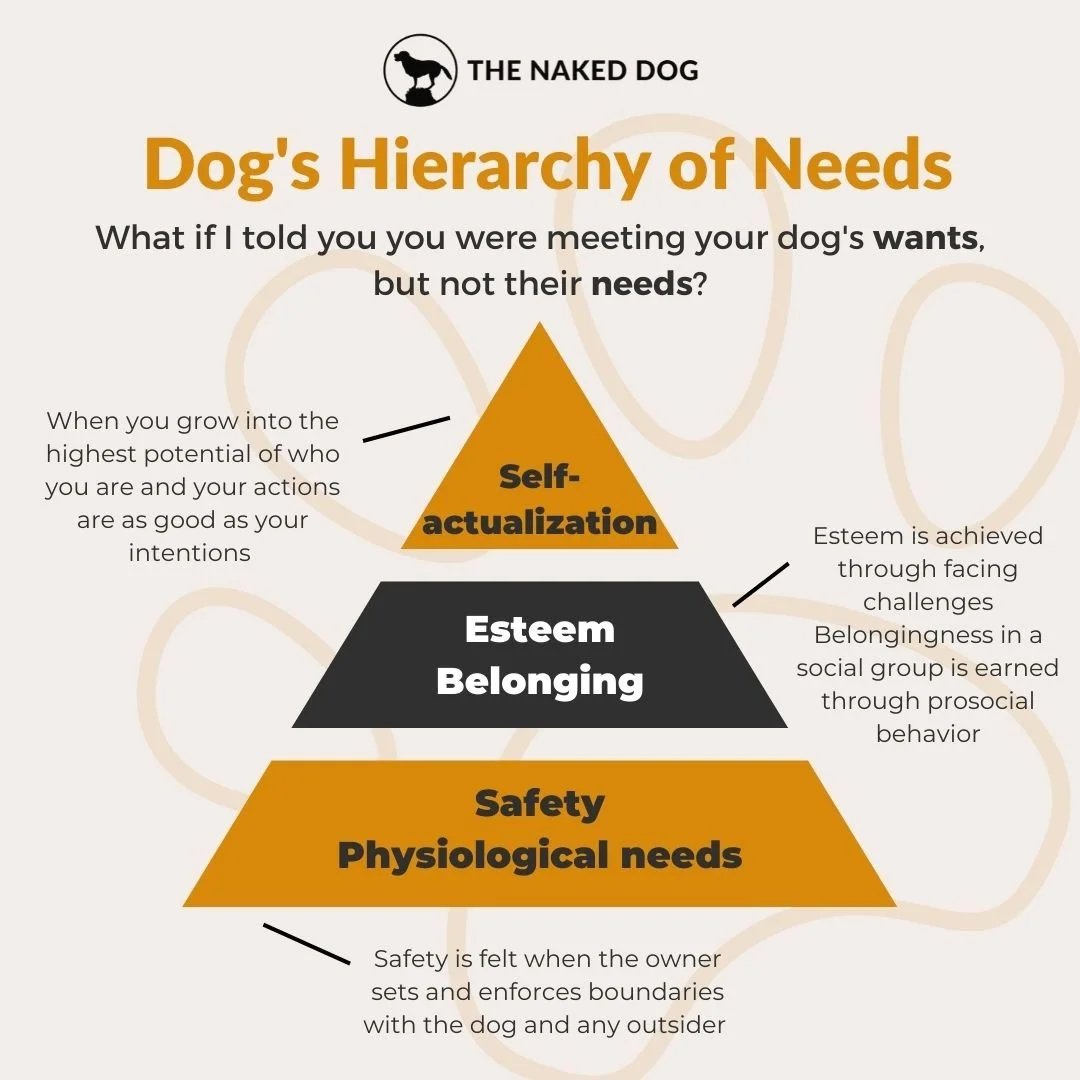
A young puppy has a few non‑negotiable needs that directly shape both feeding and training success. Understanding these foundations helps prevent many common behaviour and health problems.
Puppies require:
- Consistent nutrition – A complete, balanced puppy food, divided into several small meals per day, supports rapid growth and brain development.
- Fresh water at all times – Dehydration can appear quickly in small bodies, especially during active play or warm weather.
- Predictable routines – Regular meal, potty, play and sleep schedules help puppies feel secure and make house training far easier.
- Plenty of sleep – Many puppies need 18–20 hours of rest per day. Overtired puppies are more likely to bite, bark and ignore training cues.
- Safe spaces – A crate or pen offers a calm area for naps, prevents accidents and becomes a valuable aid in both feeding control and toilet training.
- Social contact and gentle guidance – Frequent, positive interactions with people (and later, other dogs) teach confidence and good manners.
When nutrition, rest, safety and routine are in place, a puppy is calmer, more focused and far more ready to learn basic commands and good mealtime behaviour.
How age, breed and size affect feeding and training
Age, breed, and size all shape how a puppy eats, learns, and responds to training.
Very young puppies (8–12 weeks) need frequent, small meals to maintain energy and blood sugar. Training at this stage should focus on short, positive sessions and gentle socialisation, as concentration is limited. As puppies grow into adolescence, meals can be reduced to 2–3 times daily, and training can become more structured and slightly longer.
Breed and size influence both nutritional needs and learning style:
- Toy and small breeds often need more calorie-dense food and may require an extra meal to avoid low blood sugar. Training should be gentle, with care taken not to overwhelm them physically.
- Large and giant breeds grow more slowly and benefit from controlled-calorie puppy food to protect joints. Training should emphasise calm behaviour early, as adult size and strength will increase quickly.
- Working and herding breeds typically have high energy and strong instincts. They respond well to frequent mental challenges and consistent training routines.
Adjusting feeding schedules, portion sizes, and training intensity to match a puppy's age, breed, and size supports healthy growth and better behaviour.
Creating a calm home environment for learning
A calm, predictable home environment helps a puppy relax enough to eat well and focus during training. Nervous or overstimulated puppies are more likely to pick at food, have tummy upsets, or ignore cues.
Controlling sensory overload is important. Keep food and water bowls in a quiet corner away from doors, televisions, and children's play areas. Reduce sudden loud noises during mealtimes and short training sessions. Limit strong household odors around feeding times, such as heavy cooking smells or strong cleaning products.
Consistency helps puppies learn faster when routines stay the same. Use the same area for feeding and most training sessions. Keep sessions short (2–5 minutes) and end on a positive note. Provide a comfortable rest spot, such as a crate or bed, where the puppy can retreat after eating or learning.
Family members should agree on basic rules and cue words. When everyone responds to behavior in a similar way and uses the same commands, the home feels more predictable, which encourages steady appetite, better digestion, and smoother early training.
Tip 1: Set up a simple puppy feeding schedule
A consistent feeding schedule helps a puppy feel secure and makes house training much easier. Food in the body follows a predictable pattern out of the body, so regular meal times quickly create a routine for toilet breaks and training sessions.
Start by deciding on fixed meal windows rather than feeding "whenever the puppy seems hungry." For example, meals can be tied to daily anchor points such as waking up, midday, and early evening. Keep those times as steady as possible, even on weekends.
For each meal:
- Offer food in a quiet spot away from distractions.
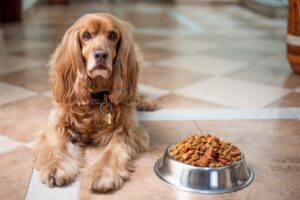
- Put the bowl down for 15–20 minutes, then remove any leftovers.
- Provide fresh water at all times, separate from the food bowl.
Avoid free-feeding (leaving food out all day). Scheduled meals:
- Support better digestion and growth.
- Allow owners to predict toilet needs.
- Make food more valuable as a training reward.
Once a basic schedule is in place, it can be adjusted for age, breed size, and veterinarian guidance, but the key is consistency from day one.
How many meals a day and at what times
For most young puppies, aim for three to four meals per day spread evenly across waking hours. Frequent, smaller meals are easier on a developing digestive system and help keep energy and blood sugar stable.
A simple guideline by age is:
- 8–12 weeks: 4 meals per day
- 3–6 months: 3 meals per day
- 6–12 months: 2 meals per day (transition gradually)
Try to feed at roughly the same times every day, such as:
- Morning: around 7–8 a.m.
- Midday: around 12–1 p.m.
- Late afternoon: around 4–5 p.m.
- Optional evening meal (for very young or tiny breeds): around 7–8 p.m.
Allow at least 2–3 hours between the last meal and bedtime so the puppy has time to digest and eliminate before sleeping. Consistent timing not only supports healthy digestion, it also makes toilet training easier because bathroom needs become more predictable.
Portion sizes and watching your puppy’s body condition
Portion sizes should be based on the puppy's current weight, expected adult size, and age. Start with the feeding guide on the puppy food label, which usually gives a daily total in grams or cups according to weight. Split that total evenly between the scheduled meals.
For more accuracy:
- Weigh food on a kitchen scale instead of using scoops
- Adjust weekly based on weight changes and veterinary advice
- Stick to one complete, balanced puppy food rather than mixing brands
Numbers on the packet are only a starting point. A puppy's body condition gives better feedback than the food bowl. In general:
- Ribs should be easy to feel with light pressure but not visibly sticking out
- There should be a visible waist when viewed from above
- The tummy should tuck up slightly when viewed from the side
Regular weigh‑ins at the vet or on a home scale, combined with a body condition score chart, help keep growth steady, not rushed.
Water access and preventing tummy upsets
Puppies need constant access to fresh, clean water to stay hydrated and support healthy growth. A shallow, tip-resistant bowl is usually safest, and water should be refreshed at least a few times per day.
To reduce tummy upsets:
- Offer water at room temperature, not very cold from the fridge
- After intense play or training, let the puppy calm down for a few minutes before allowing a big drink
- Encourage frequent small sips instead of long, frantic gulps
Keep a gap of around 15–20 minutes between main meals and vigorous play. For deep-chested or large-breed puppies, speak to a vet about extra steps to reduce the risk of bloat. If vomiting, diarrhea, or a bloated, painful belly appear, remove food for a short period, allow small amounts of water, and contact a vet promptly.
Tip 2: Choose healthy puppy food and training treats
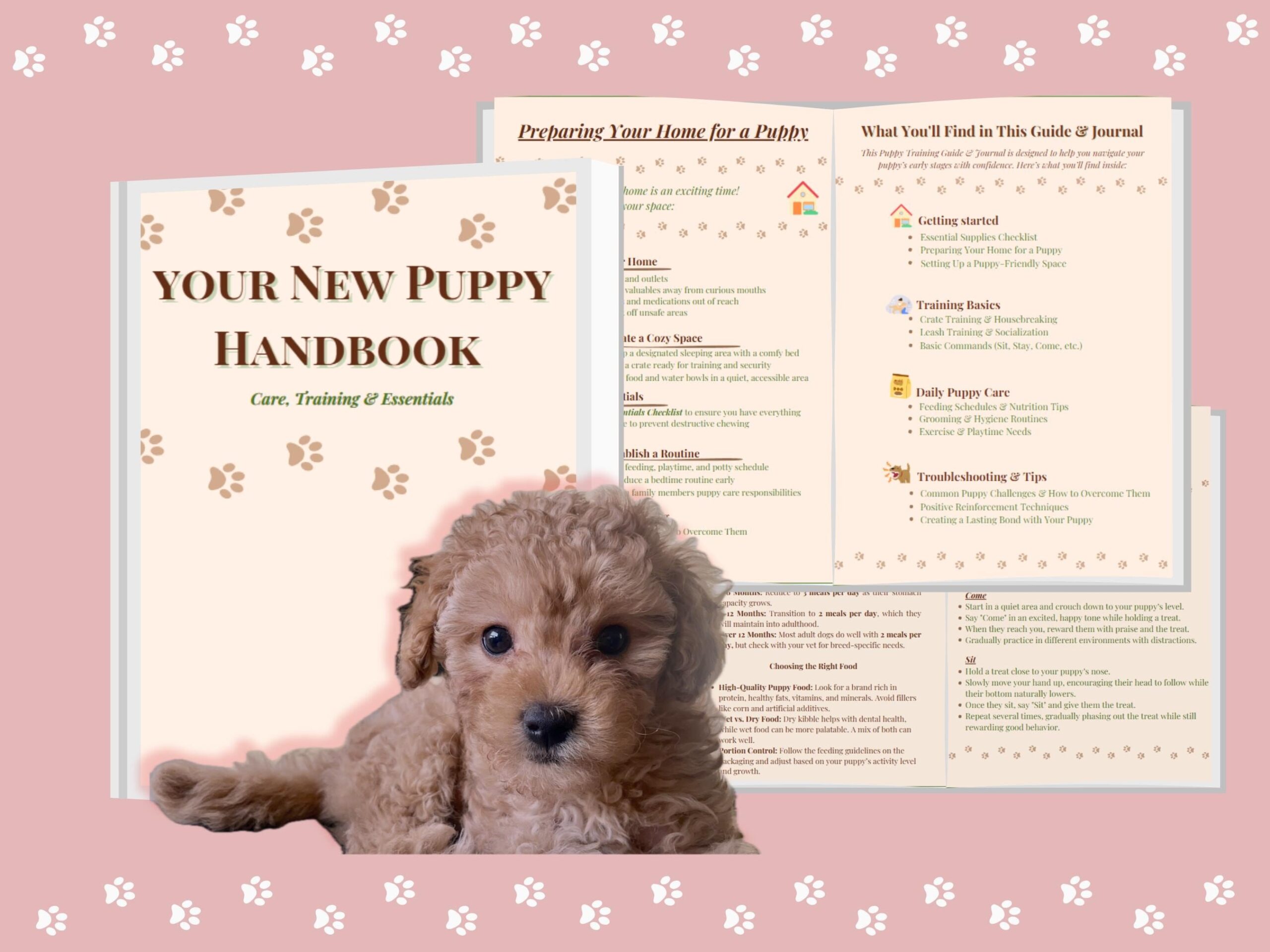
Healthy food and treats lay the groundwork for both growth and good behaviour. Puppies need calorie‑dense, balanced meals, but many popular snacks are high in sugar, fat, or salt and can upset a sensitive stomach.
Choose a complete puppy food as the main diet, then use treats sparingly for training. Helpful guidelines include:
- Prefer small, soft training treats that are easy to chew and swallow quickly.
- Check the ingredient list for named meats (for example, chicken, lamb) as the primary protein source.
- Avoid treats with added sugar, artificial colours, or strong preservatives when possible.
- Pick purpose‑made puppy treats rather than rich biscuits or table scraps.
- Break larger treats into tiny pieces so the puppy can enjoy many rewards without overeating.
Treats should form only a small percentage of daily calories. On heavy training days, slightly reduce meal portions to keep the overall intake balanced and to reduce the risk of weight gain or digestive upset.
What to look for in complete puppy food
A complete puppy food should provide everything a growing dog needs without extra supplements. Look for products labelled "complete and balanced" for puppies and checked against AAFCO or FEDIAF guidelines.
Key points to check on the label:
- Life stage: Food should state "for growth" or "for puppies," not "for adult dogs only."
- Protein quality: A named animal protein (such as chicken, turkey, salmon, lamb) should appear as the first ingredient.
- Appropriate fat content: Enough fat to support energy and brain development, without being excessively high for the breed and activity level.
- Controlled calcium and phosphorus: Especially important for medium and large breeds to support steady bone growth.
- Digestibility: Limited fillers and clearly identified ingredients help reduce tummy upsets and loose stools.
- Added nutrients: DHA or fish oil for brain and eye development, plus vitamins, minerals, and antioxidants.
Owners of large or giant breeds should consider a large-breed puppy formula, which usually has slightly lower energy density and carefully balanced minerals to avoid overly rapid growth.
Using kibble versus special treats for rewards
For many puppies, regular kibble can be used as training rewards, especially during everyday sessions at home. Using part of the daily food allowance helps prevent overfeeding and keeps calorie intake under control.
Kibble pieces can be measured out from the daily ration before meals and used for easy cues the puppy already understands. Higher-value treats work better when distractions are strong or a new skill is being introduced. Soft, small training treats are usually easier to chew and more exciting than dry kibble.
A practical approach combines both options: rely on kibble for most repetitions and save special treats for important breakthroughs. The total amount of food from kibble and treats should be adjusted so that the puppy's daily calorie needs are not exceeded.
Safe human foods and what to avoid completely
Puppies can enjoy a few safe human foods in tiny amounts, but many common items are dangerous and should never be used as training rewards.
Safe options in small amounts include plain cooked chicken or turkey (no bones, skin, or seasoning), small pieces of carrot or green beans, and tiny bits of apple or banana (no seeds or core). Any new food should be introduced slowly to monitor for stomach upset.
Some foods are toxic and must be avoided completely: chocolate, grapes and raisins, onions and garlic, xylitol (in sugar-free products), alcohol, caffeine, and cooked bones. If a puppy eats a suspect food or shows vomiting or lethargy after eating, contact a veterinarian immediately.
Tip 3: Use food wisely as a training reward
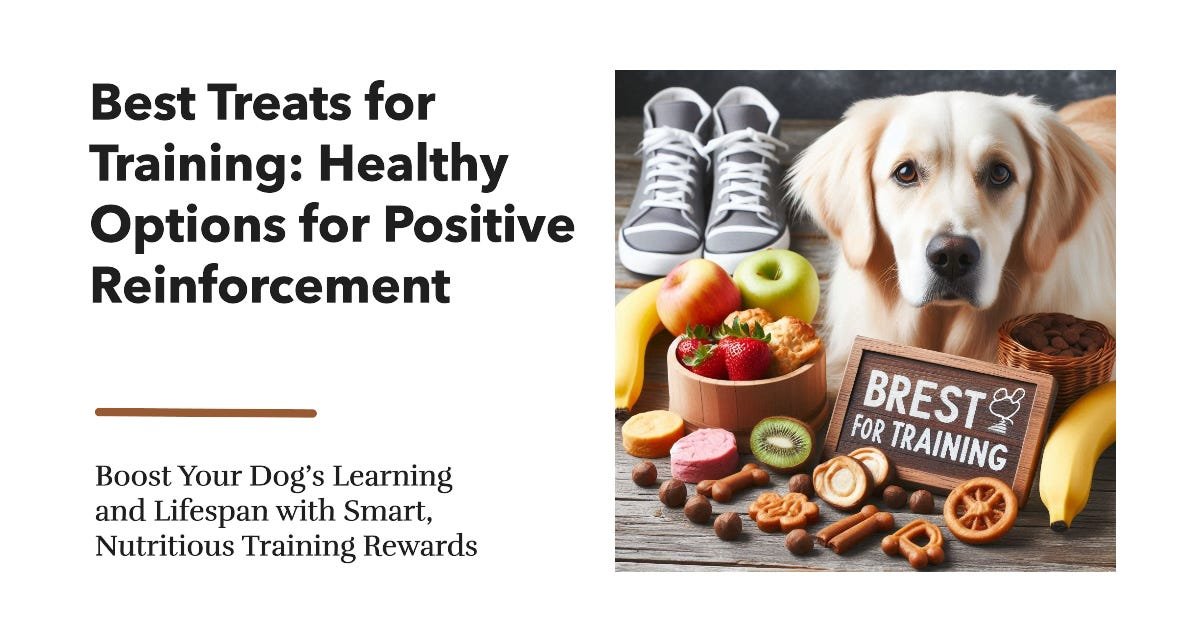
Food can be a powerful training tool when used with a clear plan rather than as constant snacking. Start by reserving a portion of the puppy's daily food allowance for training sessions.
Why food motivates puppies and speeds up learning
Food taps into a puppy's most basic survival drive, making it a powerful way to capture and keep attention. A hungry, curious puppy is naturally inclined to work for tiny bites of something tasty, which makes training feel like a fun game instead of a chore.
Food also creates a strong positive association with whatever the puppy is learning. When a cue such as "sit" or "come" is consistently followed by a small reward, the puppy's brain links the behavior to a good outcome.
Reward timing, placement and fading out food lures
Reward timing matters more than reward size. For effective puppy feeding and training, the treat should arrive within 1–2 seconds of the desired behaviour. Any longer and the puppy may link the food to jumping, barking, or wandering away instead of the cue.
A simple sequence is: Give the cue, puppy performs the behaviour, mark the moment with "yes" or a clicker, then deliver the treat straight to the puppy's mouth.
Food should quickly move from a visible lure to a hidden reward. After a few successful repetitions, give the same hand signal without food in the hand, then reward from the other hand or a pouch after the behaviour.
Balancing treat calories with daily meals
Puppy training treats should fit inside the overall daily calorie budget, not sit on top of it. A simple guideline is to keep training treats to about 10% of daily calories.
Practical ways to balance meals and treats include using part of the daily kibble as "treats" during training, pre-measuring the day's food in the morning, and choosing tiny, soft treats that are easy to swallow.
Tip 4: Build a daily routine that links feeding and training
A predictable routine helps puppies understand when to eat, play, rest, and learn. Linking feeding and training turns everyday moments into structured learning opportunities.
Aim to repeat the same general sequence each day. Wake-up leads to a quick toilet break, then a short training session, then breakfast. Midday follows with a toilet break, 3–5 minutes of basic cues like sit or come, then the meal. Evening includes calm play and training with kibble or low-calorie treats, followed by dinner and quiet time.
Feeding immediately after a short training session rewards focus and creates a strong positive association with learning. Using part of the regular meal as training rewards also helps keep total calories under control.
Keep sessions short and upbeat, especially for young puppies with limited attention spans. If a puppy appears tired or overstimulated, prioritize rest and gentle handling over further training.
Over time, a consistent pattern of toilet → training → feeding → rest helps regulate digestion, supports house-training, and makes a puppy more responsive.
Sample daily schedule for young puppies
A predictable daily schedule helps puppies feel secure and accelerates both feeding and training progress. Young puppies (8–12 weeks) usually thrive on 4–6 feeding and potty breaks spread evenly across the day.
A sample weekday schedule might include wake-up at 6:30–7:00 with a potty break and short calm play, followed by breakfast and brief settle time. Training sessions of 3–5 minutes can occur at 8:00, using simple cues like sit or responding to name. Regular potty breaks continue every 2–3 hours, with meals spaced throughout the day and a final potty break before bedtime.
Owners can adjust the exact times as long as the sequence of feed–potty–train–rest remains consistent from day to day.
Short training sessions around mealtimes
Short training sessions linked to meals help puppies learn faster and feel secure. Food serves as a powerful motivator, making good manners more rewarding when paired with breakfast, lunch and dinner.
Aim for 3–5 minute sessions before or after each meal. Focus on one or two simple skills at a time, such as responding to name, sit and down, coming when called indoors, or waiting politely while the bowl is placed on the floor.
Using part of the daily food allowance as rewards prevents overfeeding and reinforces that calm behaviour earns meals. Kibble can be given one piece at a time for correct responses, with the remainder served in the bowl.
For very young puppies, keep training low-pressure and positive by stopping while the puppy remains interested, ignoring mistakes, and rewarding small improvements.
Managing rest, play, toilet breaks and meals
A young puppy thrives on a predictable daily rhythm that prevents overtiredness, toilet accidents and frantic behaviour around food.
Aim for a repeating cycle: wake up and toilet break, followed by a short 5–10 minute play or training session, then the meal with leftovers removed after 15–20 minutes, and finally quiet rest or nap time in a crate, pen or bed.
Very young puppies typically need 3–4 meals per day, a toilet break every 1–2 hours when awake, and several naps of 1–2 hours. Gentle play before feeding, followed by calm rest afterwards, supports digestion and teaches the puppy to settle.
Keeping rest, play, toilet breaks and meals in consistent order also makes house‑training easier, because the puppy begins to anticipate when and where to go to the toilet.
Tip 5: Start with simple obedience cues at home
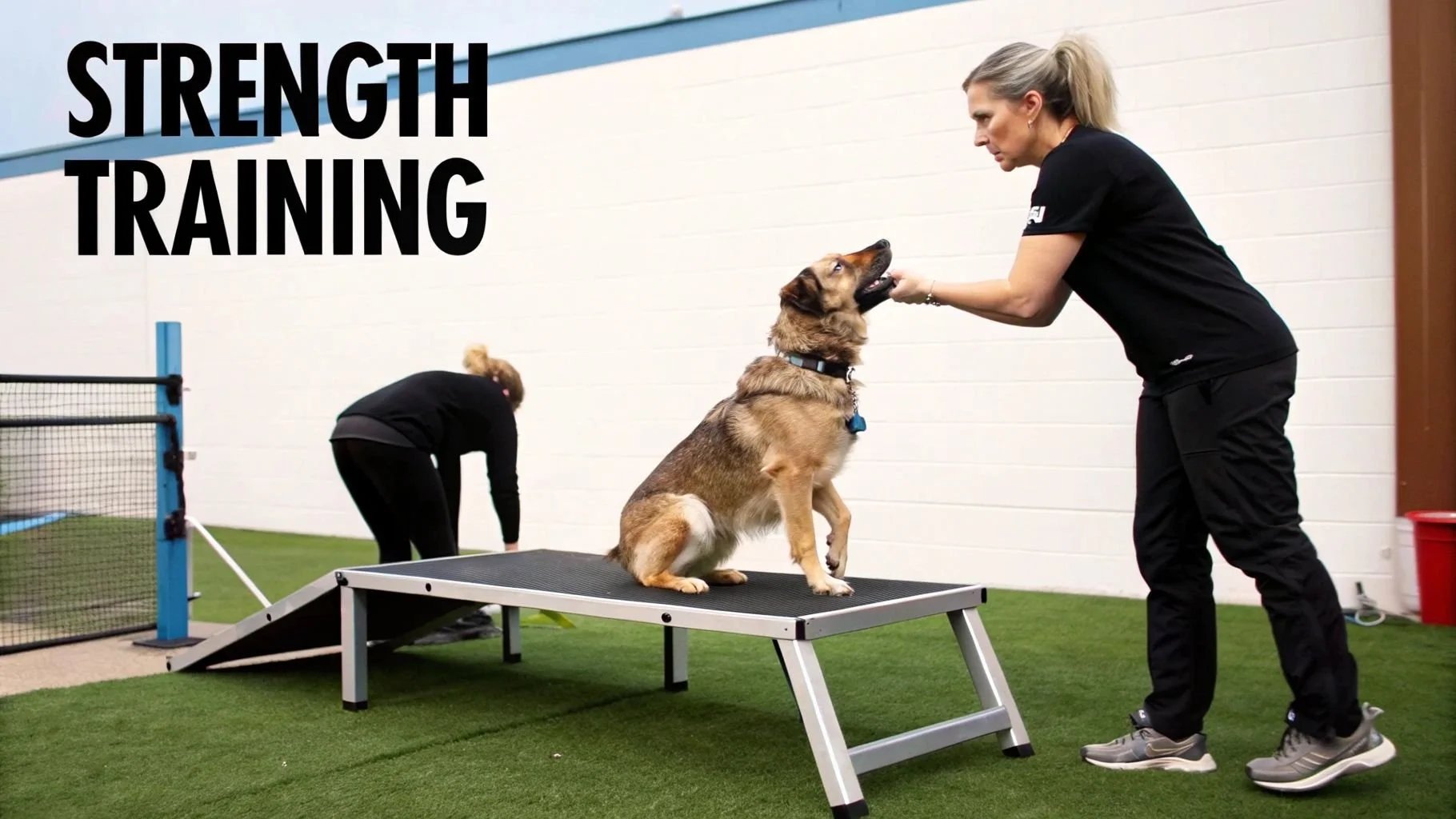
Simple obedience cues can begin as soon as a puppy has settled into the home routine. Short, fun sessions help a puppy understand how to earn rewards and pay attention, without overwhelming a young mind.
Start in a quiet, low-distraction room so the puppy can focus. Before asking for any cue, let the puppy discover that looking at the handler or moving towards the handler makes good things happen. A few pieces of kibble or a small, soft treat can be enough.
Effective early cues include:
- Name recognition – say the puppy's name once, then reward any eye contact.
- Follow or "let's go" – step backwards, encourage the puppy to move towards the handler, then reward.
- Gentle handling – pair brief touches on paws, ears, and collar with food, to prepare for grooming and vet care.
Keep sessions very short: 1–3 minutes, several times per day, often around meal or toilet-break times. End while the puppy is still engaged. The goal at this stage is not perfect obedience, but building a positive pattern: listen, try a behavior, earn food or praise.
Teaching sit, down and come using kibble
Use a portion of the puppy's regular kibble as training rewards so that feeding and training work together.
Begin in a quiet room with the puppy on a leash or in a small area. Hold 3–5 pieces of kibble in one hand and follow this pattern:
- Sit
- Move a piece of kibble slowly from the puppy's nose up over the head.
- As the puppy's rear naturally lowers, calmly say "Sit."
- The moment the bottom hits the floor, mark with "Yes" or a click, then give the kibble.
- Down
- From a sit, bring a kibble from the puppy's nose straight down to the floor between the front paws.
- Slowly move the kibble away along the floor; as the puppy lies down, say "Down."
- Mark and feed 2–3 small pieces of kibble to reinforce staying down.
- Come
- In a short distance, squat low and say the puppy's name once, then "Come."
- Gently encourage the puppy with a happy tone and a visible kibble reward.
- When the puppy reaches the handler, mark, feed several kibbles, and briefly hold the collar to prevent running off immediately.
Keep sessions very short—1–3 minutes—and end with a small handful of kibble from the meal to keep the experience positive and prevent overfeeding.
Rewarding calm behavior before feeding time
A puppy that explodes with excitement before meals often grows into an adult dog that begs, jumps and demands food. Meal times are an ideal opportunity to reward calm behavior and build self‑control.
Start by preparing the food out of reach so the puppy cannot rehearse jumping or barking. If the puppy becomes overexcited, simply pause movement of the bowl or step away. The moment the puppy offers any calm behavior—four paws on the floor, quiet sitting, or even briefly looking away from the bowl—mark it with a calm "yes" and move the bowl closer.
Many owners find the following routine effective:
- Ask for a simple cue such as sit.
- Wait for stillness and soft body language (no pawing, barking or wriggling).
- Lower the bowl slowly; if the puppy breaks the sit or jumps, lift the bowl and reset.
- When the puppy remains calm as the bowl touches the floor, say a release cue such as "OK" and allow eating.
Practiced consistently, the puppy learns that calm behavior makes food appear, while overexcitement makes the meal wait.
Preventing jumping, grabbing and bowl guarding
Many puppies jump, grab, or bark as the bowl appears because excitement is high and manners are still undeveloped. Feeding time is an opportunity to teach calm self‑control.
To reduce jumping and grabbing:
- Ask for a simple cue such as sit or down before lowering the bowl.
- If the puppy jumps, calmly lift the bowl back up and wait for paws on the floor.
- Mark the calm moment (with a click or a word like "yes") and place the bowl down again.
- Repeat at every meal so the puppy learns that only calm behavior makes food appear.
To prevent bowl guarding from developing:
- Feed the puppy in a quiet area away from competition with other pets.
- Occasionally walk past and drop a higher‑value treat into the bowl, then move away.
- Avoid taking the bowl away mid‑meal unless necessary; instead, trade for something better when removal is required.
- Supervise children and teach them not to disturb the puppy while eating.
Early, consistent practice helps the puppy associate people approaching the bowl with good things, encouraging relaxed, safe mealtimes.
Tip 6: Use feeding to support potty and crate training
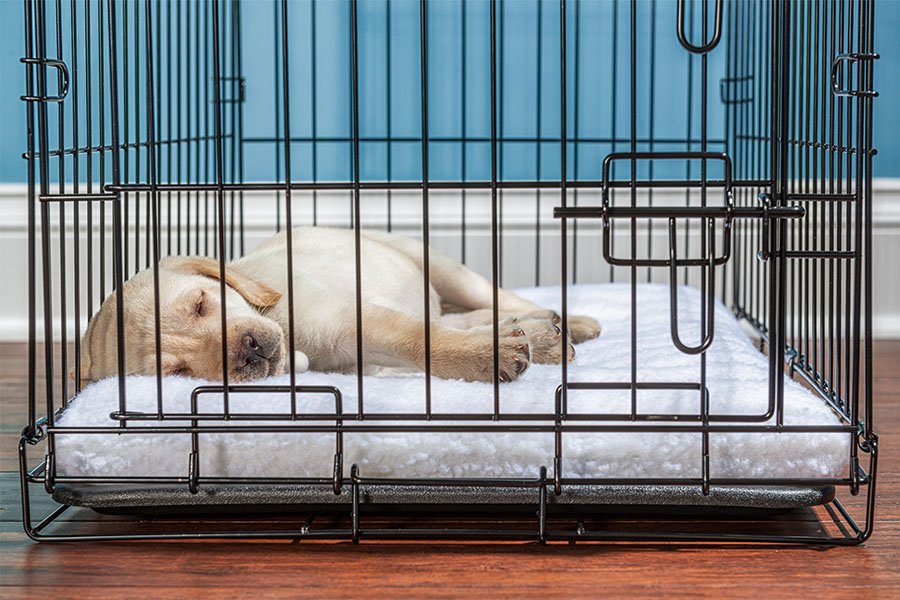
Feeding schedules can quietly shape a puppy's potty and crate training habits. Regular meals create predictable bathroom times, which makes house training faster and less stressful.
At each meal:
- Offer food in the crate or just at the crate door so the puppy learns the crate is a positive, safe place linked with good experiences.
- Remove the bowl after 10–15 minutes so snacking does not spread out digestion and bathroom needs across the entire day.
- Take the puppy outside immediately after eating and drinking, and wait calmly until the puppy eliminates. Reward with quiet praise and a small treat.
For crate training, feeding in or near the crate helps the puppy associate the space with comfort rather than isolation. A chew or food-stuffed toy given in the crate after meals can encourage the puppy to settle and nap instead of whining or barking.
Over time, consistent patterns of eat → go outside → rest in the crate teach the puppy where to toilet, when to relax, and how to feel secure in the crate environment.
Timing meals to reduce indoor accidents
Timing meals strategically can dramatically reduce indoor accidents. Puppies usually need to eliminate shortly after eating, so predictable feeding times create predictable potty times.
For most young puppies:
- Offer meals 3–4 times per day at consistent times.
- Take the puppy outside immediately after each meal, then again 15–30 minutes later.
- Avoid giving free access to food; remove the bowl after 15–20 minutes if the puppy walks away.
Evening timing is especially important. To reduce nighttime accidents:
- Feed the last full meal 3–4 hours before bedtime.
- Limit large water intake 1–2 hours before sleep (never fully restrict; offer small, frequent sips instead).
- Schedule a final potty trip right before bed.
A simple schedule might look like:
| Age | Meals per day | Example times |
|-----------|---------------|--------------------------||
| 8–12 weeks| 4 | 7 am, 11 am, 3 pm, 7 pm |
| 3–6 months| 3 | 7 am, 1 pm, 7 pm |
Consistent timing helps the puppy's digestive system regulate, making elimination more predictable and allowing caretakers to proactively prevent accidents indoors.
Feeding in the crate to build positive feelings
Feeding a puppy inside the crate can create strong positive associations with the space, turning it into a safe, happy spot rather than a place of confinement.
Start by placing the food bowl just inside the crate door. If the puppy shows interest and eats comfortably, gradually move the bowl further back over several meals. For very nervous puppies, allow the door to remain open at first so the puppy can enter and exit freely.
To deepen the positive connection with the crate, owners can:
- Offer part of each meal in a slow feeder or food-stuffed toy inside the crate
- Reserve the most high-value treats (chicken, cheese, or special puppy treats) for crate time
- Feed on a predictable schedule so the puppy learns when to expect pleasant crate sessions
Avoid pushing or forcing the puppy into the crate for meals, as this can create anxiety. The goal is for the puppy to choose to go in because good things reliably happen there. Over time, a puppy that eats and relaxes in the crate is more likely to settle quietly, making future crate training, travel, and vet visits significantly easier.
Night-time routines and when to stop water
A predictable evening routine helps a puppy settle and reduces accidents. Aim for a quiet wind‑down period during the last 60–90 minutes before bed: gentle play, a short training review, and calm cuddling rather than rough games.
Take the puppy out for a final toilet break right before bedtime. Use the same spot and cue word to reinforce the toilet habit. After coming back inside, head directly to the crate or sleeping area to avoid overstimulation.
Keep lights low and voices soft. Consistency signals to the puppy that night-time means sleep, not more play.
Healthy puppies should have free access to fresh water during the day. To reduce night-time accidents, many trainers suggest:
- Offering plenty of water up to early evening
- Gradually limiting access about 2 hours before sleep for most puppies
- Giving a small final drink if the puppy has been very active, then removing the bowl
Very young puppies may still need a scheduled night-time toilet trip. Any change in water restriction should be discussed with a veterinarian, especially for brachycephalic breeds, very small puppies, or any puppy with health concerns.
Tip 7: Keep training fun, safe and gradually more challenging

Training sessions should feel like a game for a puppy, not a test. Keep sessions short (3–5 minutes), end on a success, and use plenty of calm praise and small food rewards to maintain enthusiasm and focus.
Aim for a balance between easy wins and new challenges:
- Start in a quiet room with minimal distractions.
- Once a cue is reliable, gradually add mild distractions (TV on, a family member walking past).
- Increase difficulty slowly: change environments, add distance, or ask for slightly longer durations (for example, a 3–5 second sit-stay).
Safety is essential. Avoid:
- High jumps or stairs for young puppies with developing joints.
- Rough play or "scare-based" corrections.
- Overfeeding during training; use part of the daily food allowance as rewards.
Watch for stress signals such as yawning, lip licking, turning away, or sudden loss of interest. If a puppy shows these signs, reduce the difficulty, shorten the session, or switch to an easier behavior so the puppy can finish confident and relaxed.
Using food puzzles and enrichment instead of free feeding
Food puzzles and other enrichment tools help puppies work for their meals instead of grazing from a constantly full bowl. This encourages natural foraging behavior, provides mental stimulation, and helps prevent boredom-related problem behaviors such as chewing or barking.
Free feeding (leaving food out all day) can make toilet training harder, encourage picky eating, and reduce the value of food as a training reward. Scheduled meals make it easier to track appetite, support house training, and keep the puppy interested in rewards during training sessions.
Owners can replace some or all bowl feeding with:
- Slow-feeder bowls – add mild challenge and reduce gulping
- Snuffle mats – encourage sniffing and searching for kibble
- Kongs or treat-dispensing toys – stuff with part of the meal, sometimes mixed with a little wet food
- Scatter feeding – toss kibble across a safe floor or yard for the puppy to find
Start with easy puzzles so the puppy wins quickly. Gradually increase difficulty while monitoring to prevent frustration, guarding, or overexcitement.
When and how to reduce treat use over time
Treats are essential in early training, but the aim is not to rely on food forever. As the puppy understands cues, treats can be replaced with everyday rewards such as play, praise, or access to valued activities.
A simple progression works best:
- Build the behavior: Reward every correct response with a small treat and calm praise.
- Confirm reliability: Once the puppy responds quickly in low-distraction areas, keep rewarding but start to vary the schedule.
- Fade treats gradually: Introduce other rewards and reduce food, especially for easy, well-learned cues.
A gradual reduction often works best:
- Week 1–2 (learning stage): Treat every time the puppy responds.
- Week 3–4 (getting fluent): Treat 3–4 out of 5 correct responses; always offer verbal praise.
- After 1 month (maintenance): Treat randomly for known cues, but use high-value treats for difficult tasks or distracting environments.
Food can remain in use for life as an occasional "jackpot" reward, especially when the puppy chooses excellent behavior in a challenging situation.
Warning signs to call your vet or trainer
Puppy owners can usually manage minor bumps in feeding and training, but some changes signal a need for professional help.
Contact a vet promptly if a puppy shows:
- Refusal to eat or drink for more than 12–24 hours
- Repeated vomiting or diarrhea, especially with blood or dark, tarry stool
- Rapid weight loss, bloated belly, or visible ribs despite regular feeding
- Lethargy, weakness, or collapse around mealtimes
- Sudden aggression around food combined with physical signs like pain when touched
- Difficulty chewing or swallowing, drooling, or pawing at the mouth
Any puppy under 16 weeks with digestive issues should be seen sooner rather than later.
A qualified trainer or veterinary behaviorist is important if a puppy shows:
- Escalating food guarding: growling, snapping, or biting when people or pets approach the bowl
- Severe fear during training sessions (cowering, hiding, shaking, shutting down)
- Persistent mouthing or biting that breaks skin, despite gentle, consistent training
- No progress in basic skills after several weeks of short, daily sessions
Early intervention usually makes feeding and training difficulties much easier to resolve.
Frequently asked questions on feeding and training puppies

Puppy owners often have questions about establishing healthy feeding routines alongside effective training practices.
What to do if your puppy is not interested in food
A puppy that shows no interest in food may be distracted, stressed, or experiencing underlying health issues that require attention.
Before assuming problems with the food itself, check basic factors that affect appetite. Consistent meal timing helps establish routine, while feeding in quiet areas reduces distractions from children, other pets, and household noise. Fresh kibble and clean bowls also encourage eating, as does avoiding sudden dietary changes that can upset sensitive stomachs.
Simple strategies often improve appetite quickly. Offer meals for 15-20 minutes only, then remove the bowl until the next scheduled feeding. Slightly warming kibble or adding warm water enhances aroma and palatability. Using portions of regular meals as training rewards for basic cues like "sit" and "come" can also increase food motivation.
Contact a veterinarian promptly if the puppy refuses two or more consecutive meals, shows vomiting, diarrhea, lethargy, or pain. Puppies can deteriorate rapidly when normal eating and drinking patterns stop.
How to handle a very food‑obsessed puppy
Puppies with intense food obsession typically have strong appetites combined with poor impulse control, but early management prevents problematic behaviors from developing.
Structured mealtimes form the foundation of management. Feed on fixed schedules rather than leaving food available constantly, use measured portions appropriate for age and weight, and remove leftovers after 15-20 minutes.
Teaching calm manners before feeding reduces frantic behavior. Ask for a basic cue such as "sit," hold the bowl while waiting quietly if the puppy jumps or barks, and lower the bowl only when four paws remain on the floor. Lift the bowl again if excitement returns and repeat the process.
Food guarding tendencies can be addressed through positive bowl interactions. Drop extra kibbles into the bowl during meals so human hands predict better food rather than loss. Hand-feeding portions of each meal while rewarding eye contact, sits, or recalls also builds positive associations.
Adjusting routine as your puppy grows up
Feeding and training routines require regular adjustments as puppies develop, with schedules changing significantly during the first year of life.
Young puppies typically need 3-4 smaller meals daily with many brief training sessions. By approximately 6 months, most can transition to 2 meals per day with slightly longer, more focused training periods.
Reviewing routines every few weeks ensures age-appropriate practices. Gradually reduce meal frequency following veterinary and manufacturer guidelines, increase portion sizes slowly to match growth and activity levels, and extend training sessions from 2-3 minutes to 5-10 minutes as attention spans improve.
Behavioral expectations should also evolve over time. Actions once tolerated in very young puppies, such as jumping, mouthing, and begging, require consistent redirection as maturity develops. Flexible routines that adapt with age support steady progress in both feeding habits and training outcomes.
In this article, we’ve summarized seven essential tips for first-time owners to support their puppy’s healthy growth through proper nutrition and basic training. We cover everything from choosing the right food for each developmental stage and setting feeding schedules to using mealtime as a powerful training tool. By thoughtfully combining nutrition and training, you can help your puppy grow into a healthy, well-adjusted adult dog that truly enjoys life by your side.













![[Dog Food Storage] How to store dog food](https://with-my-dog.com/wp-content/uploads/2022/09/pumpkin-hokkaido-gd74954bb8_1920-300x201.jpg)