

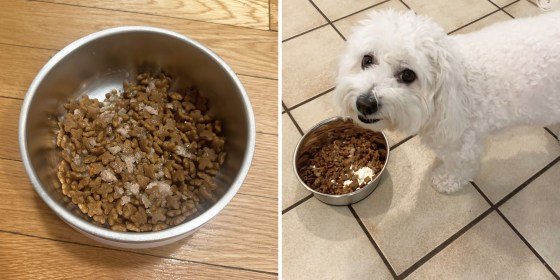
愛犬の健康を考える飼い主にとって、「どのフードを選ぶか」は大きな悩みどころです。とくにアメリカには多くのプレミアムブランドがあり、原材料や成分、安全性など、チェックすべきポイントも多くなっています。本記事では、数ある中から厳選した「アメリカの人気・信頼できるドッグフードブランド11選」を紹介しながら、選び方の基本もあわせて解説します。愛犬にとって本当に安心できるフード選びのヒントとして、参考になる内容となっています。
Why Dog Food Quality Matters

Dog food quality directly shapes a dog’s health, lifespan, and daily comfort. High‑quality food provides balanced protein, fats, carbohydrates, vitamins, and minerals that support energy, immunity, and healthy growth. In contrast, low‑quality food may rely on vague meat sources, excess fillers, or artificial additives that can contribute to digestive upset, dull coat, weight gain, or long‑term disease risk. Choosing safe, well‑formulated food is one of the most effective ways to care for a dog’s body from the inside out.
How nutrition affects your dog’s health
Good nutrition supports every part of a dog’s body. High‑quality protein helps build and maintain muscles, organs, and a healthy immune system. Balanced fat, especially omega‑3 and omega‑6, supports skin, coat shine, and brain function. Digestible carbohydrates and fiber keep energy stable and aid digestion.
Vitamins and minerals are essential for strong bones, teeth, vision, and heart function. Antioxidants from quality ingredients help protect cells and may reduce the risk of chronic disease. In contrast, unbalanced or low‑quality food can lead to weight gain, dull coat, digestive upset, and lower overall vitality.
Signs your dog’s food isn’t a good fit
Every dog reacts differently to a recipe, butいくつかのサインは「今のフードが合っていない」可能性を示します。代表的なのは、軟便・下痢・便秘・ガスが増えるなどの消化トラブルです。さらに、かゆみ・耳の汚れ・涙やけ・フケ・被毛のパサつきが続く場合も要注意ポイントとなります。
食欲不振や急な体重増減、落ち着きのなさ、元気の低下も、フードが体質やライフステージに合っていないサインになり得ます。数週間続けて気になる変化が見られる場合は、一度獣医師に相談し、フードの見直しを検討することが大切です。
Why Choose Dog Food Made in the USA
Choosing dog food made in the USA gives owners more transparency and control over what their dogs eat. The United States has clear manufacturing standards, labeling rules, and recall systems, so unsafe products are more likely to be caught and removed quickly. Many USA brands also focus on high‑quality proteins, traceable ingredients, and ongoing safety testing. For owners who care about origin and oversight, USA‑made dog food offers an extra layer of reassurance about daily nutrition and long‑term health.
Ingredient sourcing and safety rules
Dog food made in the USA must follow FDA and AAFCO regulations, which set standards for nutrients, labeling, and basic safety. Many reputable brands also prioritize domestic or carefully vetted imported ingredients to reduce risk. Owners should look for clearly named meat sources (like chicken or salmon), avoid vague terms such as “meat by‑product,” and prefer foods that disclose where ingredients are sourced or highlight USDA‑inspected or human‑grade materials.
Recalls, testing, and quality control
Quality control in dog food means constant testing for safety and consistency, not only reacting after problems occur. Responsible USA brands perform checks on raw ingredients, monitor cooking temperatures, and test finished batches for bacteria such as Salmonella and E. coli. Many also retain samples from each lot for future testing and track products by batch number.
Recalls occur when food may harm dogs or fail regulations. Brands with strong programs often:
| Point | What careful brands do |
|---|---|
| Microbial tests | Screen for harmful bacteria before shipping |
| Nutrient checks | Confirm protein, fat, and vitamin levels match labels |
| Traceability | Use clear batch codes to remove affected bags quickly |
Owners can protect dogs by registering food with the manufacturer, watching recall alerts, and contacting customer support if any unusual odor, color, or texture is noticed.
How to Pick the Right Food for Your Dog

Choosing the right food starts with your own dog’s needs, not the brand name. First, confirm the food meets AAFCO standards for your dog’s life stage (puppy, adult, senior). Next, consider breed size and activity level; active or working dogs often need higher calories and protein, while small indoor dogs may need fewer. Check for clear animal protein sources, adequate fat, and digestible carbohydrates. For dogs with allergies or sensitive stomachs, simple recipes with fewer ingredients are often safer. When in doubt, pet owners are recommended to discuss options with a veterinarian or veterinary nutritionist.
Reading and understanding dog food labels
Understanding dog food labels helps owners choose safe, balanced food for their dogs. First, check for an AAFCO nutritional adequacy statement; it confirms the food is complete and balanced for a specific life stage. Next, look at the ingredient list: named animal proteins (chicken, beef, salmon) should appear near the top, while vague terms like “meat by‑product” or many artificial colors are better avoided. Guaranteed analysis shows protein, fat, fiber, and moisture; compare values between brands on a dry‑matter basis when possible. Finally, review the feeding guidelines as a starting point only, then adjust based on body condition and activity level.
Life stage, size, and activity level
Dog food must match a dog’s life stage, body size, and daily activity for balanced nutrition.
| Factor | What to choose | Key points |
|---|---|---|
| Life stage | Puppy, adult, senior formulas | Puppies need extra calories and DHA; seniors often need fewer calories and joint support |
| Size | Small, medium, large breed | Small‑breed food has smaller kibble; large‑breed formulas control calcium and calories to protect joints |
| Activity level | Low, normal, high energy | Couch‑potato dogs need fewer calories; working or very active dogs benefit from higher protein and fat |
Choosing a formula tailored to these elements helps maintain ideal weight and supports long‑term health.
Special needs: allergies and sensitivities
Dogs with allergies or sensitivities often react to specific proteins, grains, or additives. Common signs include itchy skin, ear infections, paw licking, soft stool, gas, or chronic diarrhea. In such cases, a limited‑ingredient or hypoallergenic formula can help.
Possible approaches include:
- Choosing a single‑protein diet (e.g., turkey only)
- Trying novel proteins like duck or venison
- Selecting grain‑free or grain‑inclusive based on veterinary advice
- Avoiding artificial colors, flavors, and excess fillers
For ongoing symptoms, consulting a veterinarian or veterinary dermatologist is strongly recommended before major diet changes.
Overview of the 11 Top USA Dog Food Brands
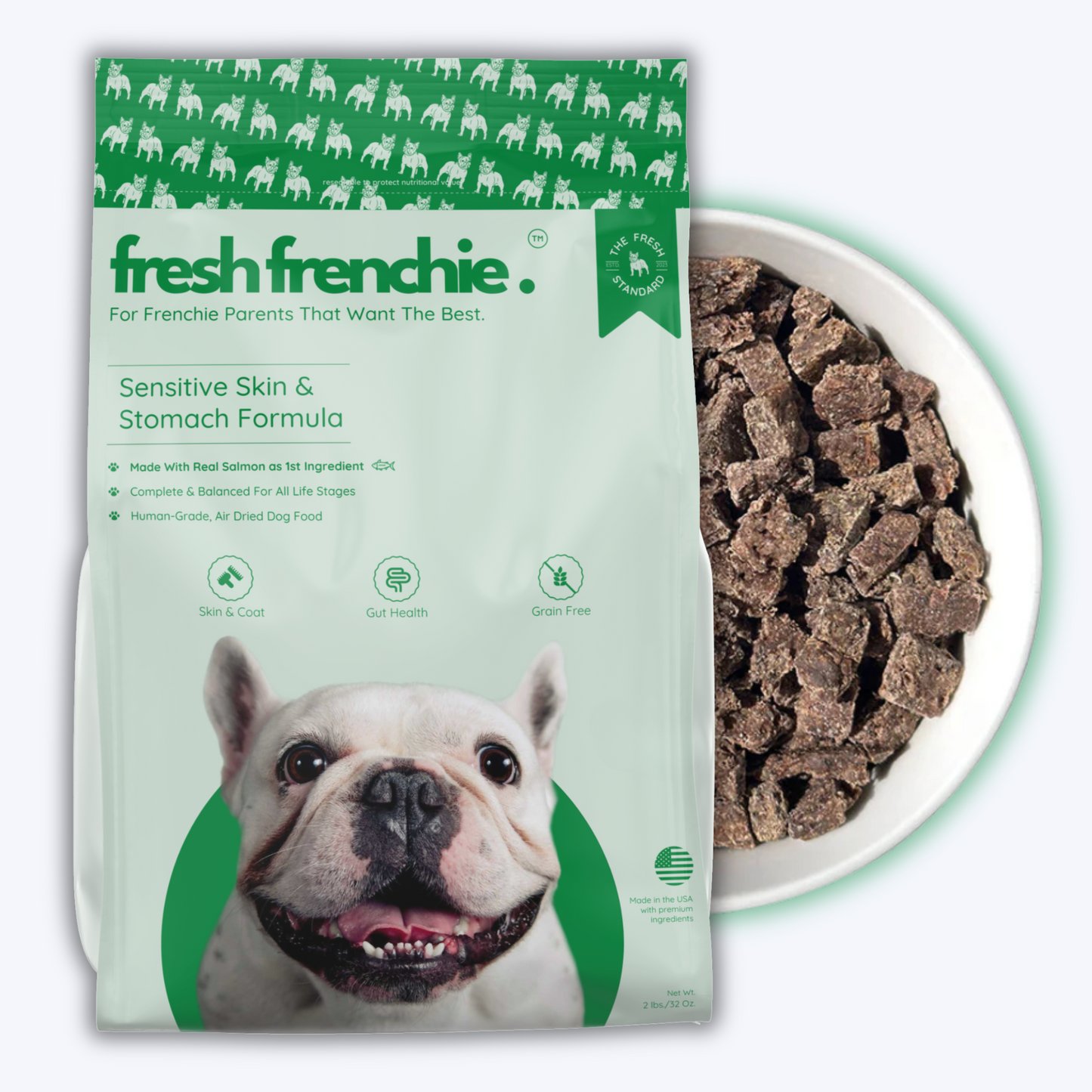
Before looking at each company in detail, it is helpful to see how the 11 best dog food brands in the USA differ. They cover a wide range of needs: fresh human‑grade meals, gently cooked subscriptions, everyday kibble, grain‑inclusive and grain‑free, limited‑ingredient diets, budget‑friendly formulas, and specialty or prescription options. By comparing type of food, protein focus, price range, and typical health goals, owners can quickly narrow the brands that match a dog’s age, size, activity level, and sensitivities.
Brand 1: Fresh and Human‑Grade Options
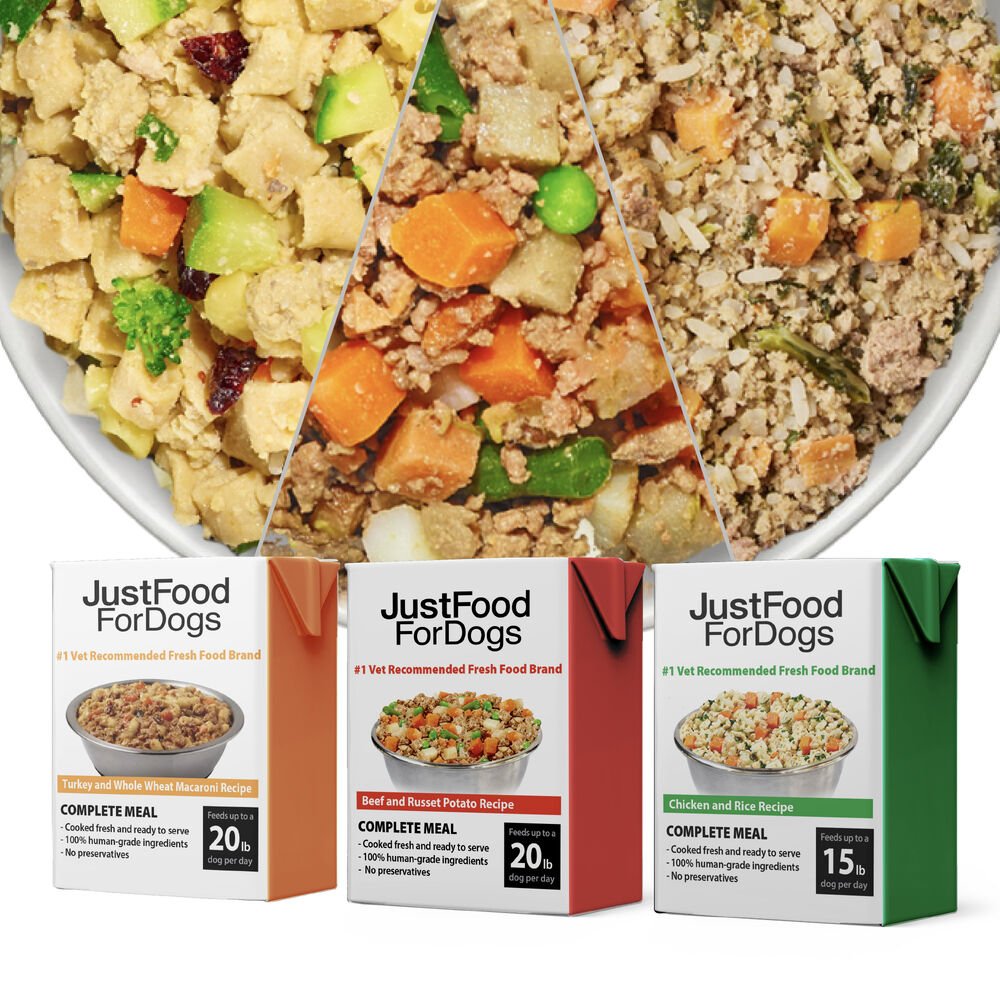
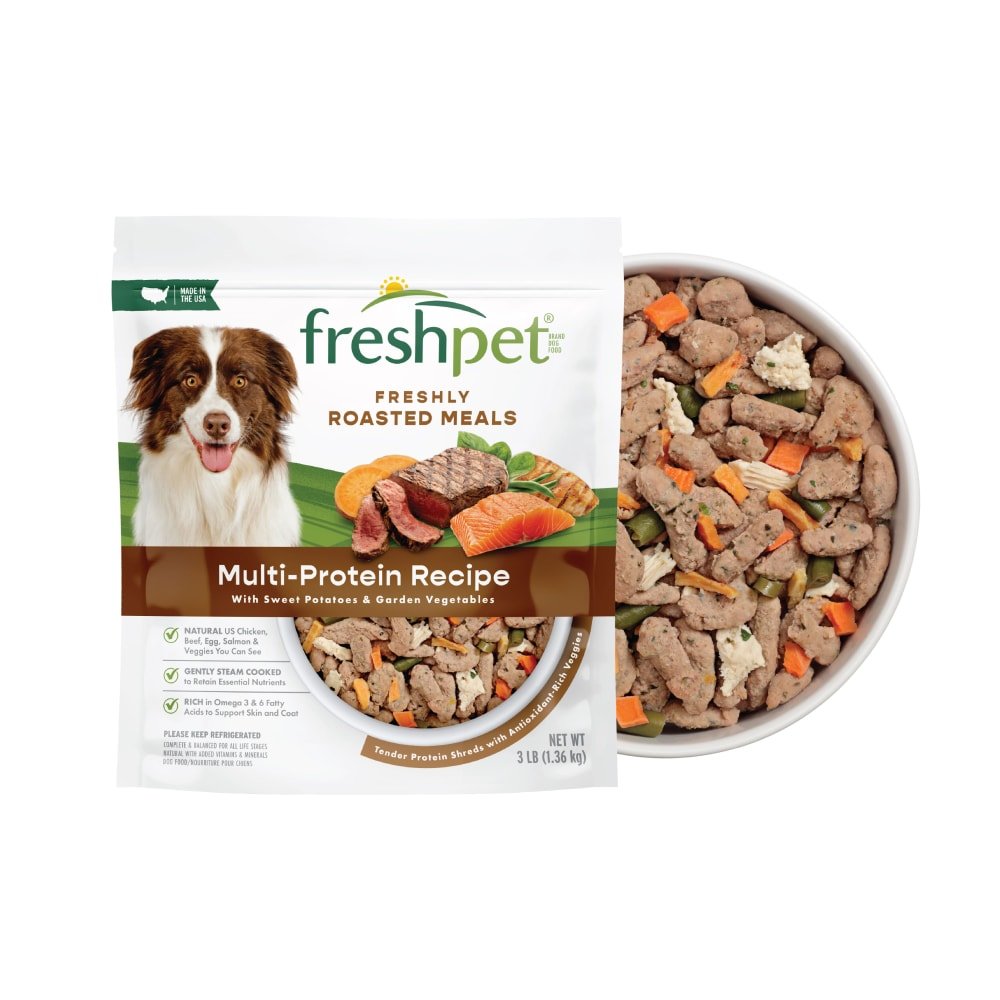
Many owners searching for the best dog food brands in the USA are drawn to fresh, human‑grade meals. In this category, leading brands focus on gently cooked recipes made in USDA‑inspected kitchens, using meats and vegetables that are safe for human consumption. Human‑grade dog food aims to offer high digestibility, fewer fillers, and very clear ingredient lists, which can support better stool quality, skin condition, and overall energy in many dogs.
Who this brand is best for
This type of fresh, human‑grade brand is ideal for owners who want minimally processed meals with clearly recognizable ingredients. It suits adult dogs with normal activity levels, picky eaters, and many dogs with mild tummy or skin issues. Busy households that prefer convenient pre‑portioned packs also benefit. However, very large dogs or tight budgets may find daily costs relatively high compared with kibble.
Key ingredients and recipes
Representative recipes usually feature fresh, human‑grade meat as the first ingredient, such as chicken, turkey, beef, or lamb. Formulas are often paired with gently cooked vegetables (like carrots, spinach, or green beans) and easily digestible carbohydrates such as rice, barley, or sweet potato. Many recipes avoid artificial colors, flavors, and preservatives, and some lines offer grain‑free or single‑protein options for sensitive dogs.
Pros, cons, and price range
主なメリットは、素材への安心感と嗜好性の高さです。人用と同等レベルのキッチンで調理されるため、安全性を重視する飼い主にとって大きな魅力となります。また水分量が多く、偏食気味の犬やシニア犬でも食べやすい点も長所です。
一方で、コストと保存性がデメリットになりやすいです。ドライフードに比べて1食あたりの価格が高く、冷蔵・冷凍保存のスペースも必要です。旅行や長時間の外出時には携帯しにくい場合があります。
価格帯は、小型犬で1日あたりおおよそ数ドル程度から、中〜大型犬では月額1〜数百ドル程度になることが多く、一般的な乾燥フードより高めの設定です。家計とのバランスを見ながら、おやつ的なトッピング利用から試す方法もあります。
Brand 2: Vet‑Formulated Fresh Meals
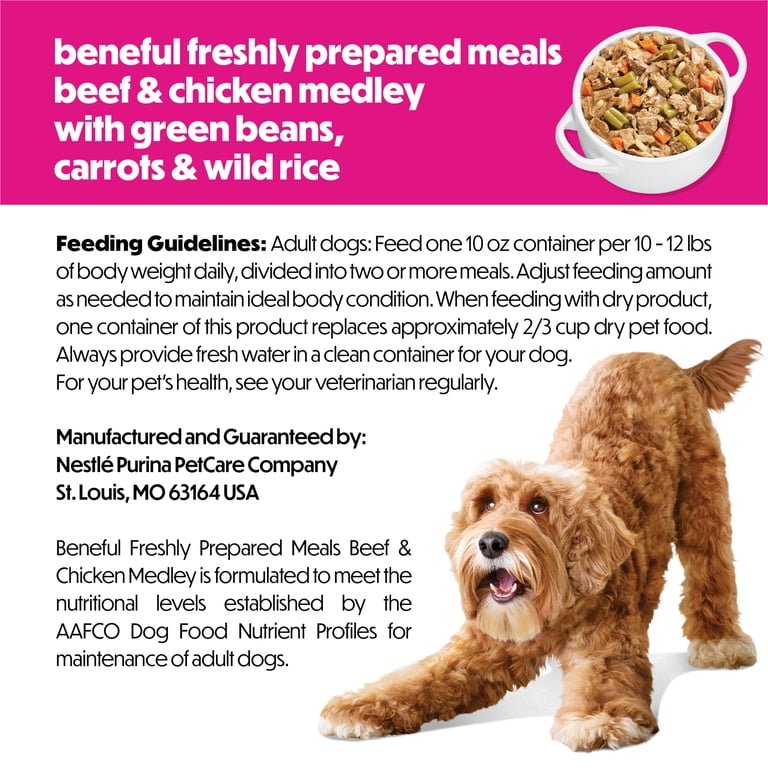
Vet‑formulated fresh‑meal brands focus on gently cooked recipes designed by veterinarians and veterinary nutritionists. Meals are typically pre‑portioned according to each dog’s age, weight and activity level, which helps keep calories and nutrients in balance. Recipes often meet AAFCO standards through feeding trials, and many brands offer ongoing support to adjust portions over time. For owners seeking convenient, science‑based fresh food, vet‑designed plans provide strong nutritional reassurance.
Who this brand is best for
Vet‑formulated fresh meals are ideal for owners who prioritize tailored nutrition and clear ingredients.
- Busy owners who want portioned meals delivered and ready to serve
- Dogs with sensitive stomachs, skin issues, or mild allergies
- Puppies, seniors, or dogs with specific calorie needs
- Owners who prefer food that looks and smells like real, home‑cooked meals
Budget‑conscious households may find daily feeding costs higher than kibble, so the brand suits families willing to invest more in fresh food quality.
Key ingredients and recipes
主なレシピは、高品質のヒューマングレード肉と野菜を中心に構成されます。代表的なメイン食材は、鶏肉・牛肉・七面鳥・ラムなどの単一たんぱく源と、サツマイモ、カボチャ、インゲン、人参、ほうれん草などの野菜です。穀物は不使用、またはオーツ麦や玄米などの消化に配慮した穀物が少量使われる程度です。人工香料・人工保存料・着色料は原則不使用で、オメガオイルや亜鉛など皮膚や被毛の健康を支える栄養素も追加されています。
Pros, cons, and price range
主要なメリットは、人間用と同等グレードの食材を使い、低温調理で栄養と香りを保っている点です。香りが良く食いつきがよい傾向があり、消化しやすく軟便やガスが減るケースも多いです。またレシピがシンプルなため、食物アレルギーの原因特定にも役立ちます。
一方で、冷蔵・冷凍保管が必要で保存性に劣り、旅行や長時間の留守にはやや不便です。さらに価格はプレミアム帯に入り、一般的なドライフードよりコストがかかります。
目安の価格帯は、小型犬で1日あたり約300〜600円、中型犬で約500〜900円、大型犬では1,000円以上になる場合もあると考えると分かりやすいです。家計とのバランスを見ながら、完全切り替えかトッピング利用かを検討するとよいでしょう。
Brand 3: Gently Cooked Subscription Food
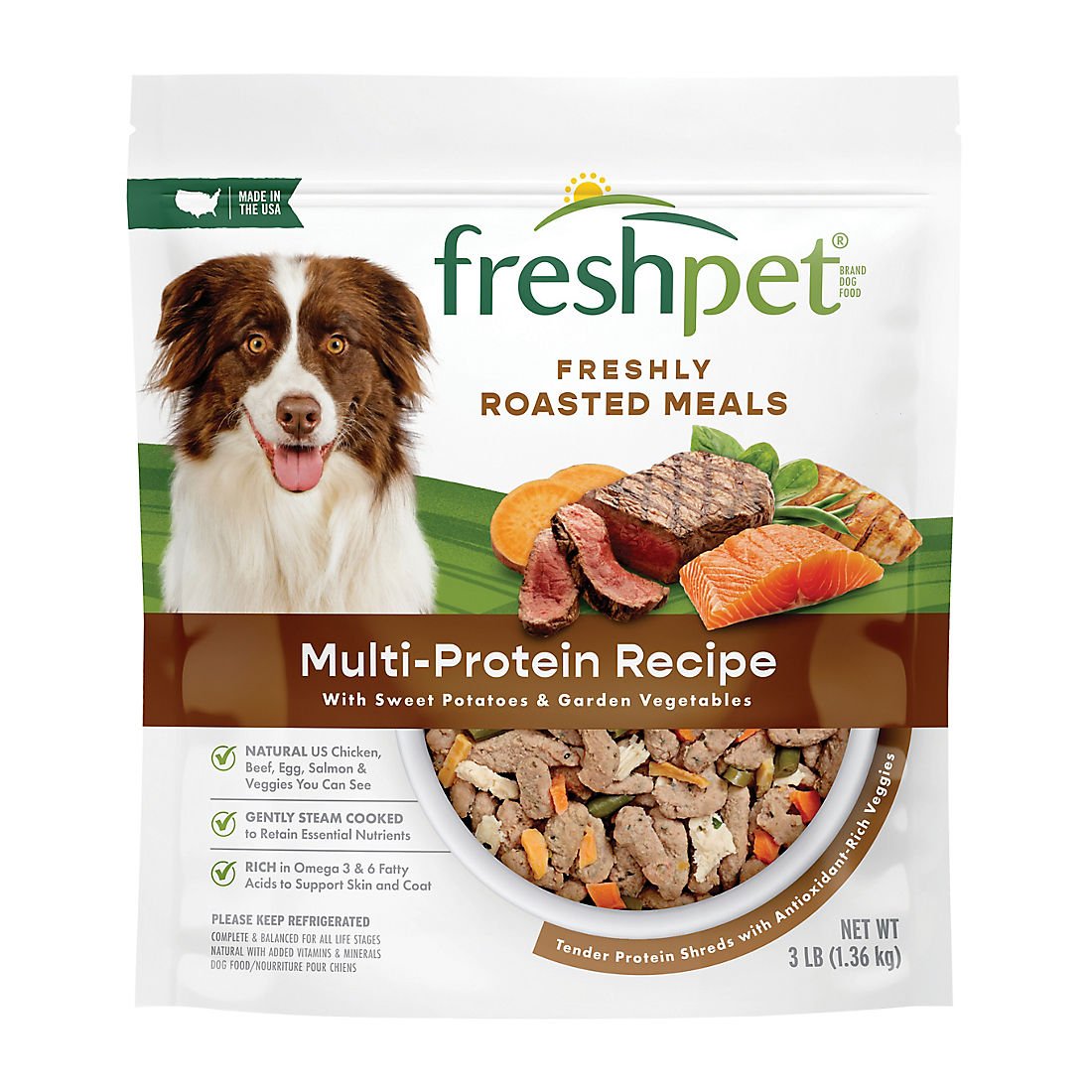
A gently cooked subscription brand typically prepares meals in small batches at low temperatures, then freezes or refrigerates them for shipping. The goal is to preserve nutrients better than high‑heat kibble while offering convenience. Owners complete an online profile, and the company builds a custom plan based on age, weight, and activity. Portions usually arrive pre‑measured, which helps support healthy weight and more predictable digestion for many dogs.
Who this brand is best for
Gently cooked subscription food is ideal for owners who want fresh, minimally processed meals without home‑cooking every day. It suits picky eaters, small to medium breeds, and dogs with mild digestive issues or dull coats that may improve on higher‑quality ingredients. Busy families who appreciate automatic deliveries and portioned meals benefit most, while very large dogs or strict budget shoppers may prefer more economical options.
Key ingredients and recipes
主要レシピでは新鮮なヒューマングレード肉を第一原材料として使用し、鶏・牛・七面鳥・ラムなど複数のタンパク源から選べます。穀物は使用せず、代わりにサツマイモやエンドウ豆、ニンジン、ほうれん草などの野菜と果物で炭水化物と食物繊維を補います。合成香料・着色料は避け、オイル類でオメガ脂肪酸を加えることで、皮膚と被毛の健康維持も意識した構成になっています。
Pros, cons, and price range
主なメリットは、人が食べられるレベルの新鮮素材を使い、加工を最小限に抑えている点です。香りが良く、食いつきも期待しやすく、消化吸収のしやすさも長所といえます。完全栄養レシピであれば、トッピングだけでなく総合栄養食としても利用しやすいです。
一方で、コストが高く、冷蔵・冷凍保存や解凍の手間がかかる点がデメリットになりやすいです。旅行や預け先での給餌が少し難しい場合もあります。
価格帯の目安は、中型犬成犬で1日あたり約400〜900円前後が多く、一般的なドライフードより高めですが、その分「素材の質」と「食べやすさ」を重視したい家庭に向いた選択肢といえます。
Brand 4: Fresh Food Delivered to You
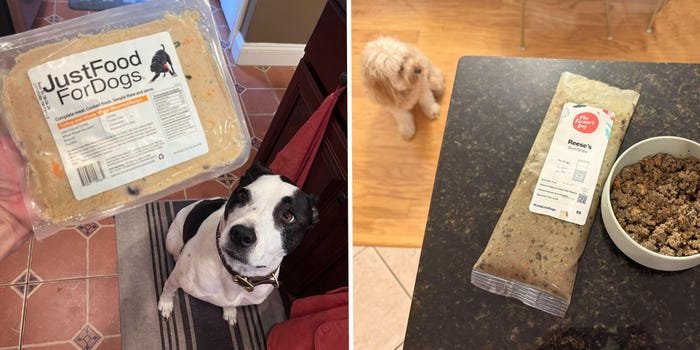
Many USA fresh-food services offer pre-portioned meals shipped on a set schedule. Food is gently cooked, then frozen or chilled to lock in nutrients. Owners only need to thaw, portion, and serve. Made-to-order meals often use human‑grade meat and vegetables, with clear labels and minimal processing. For busy families who still want fresh food quality, home delivery can reduce shopping, prep time, and guesswork about how much to feed.
Who this brand is best for
This fresh‑food delivery brand is ideal for owners who want human‑grade meals cooked in small batches and delivered on a schedule. It suits adult dogs and seniors who benefit from softer textures and clearly listed ingredients. The brand is especially helpful for picky eaters and guardians who prefer pre‑portioned meals tailored to weight and activity level for easier, more accurate feeding.
Key ingredients and recipes
主な原材料は新鮮な骨抜き肉(鶏・牛・七面鳥・羊など)を第一原料とした人間用グレード食材です。野菜はにんじん・インゲン・ほうれん草などの低GI食材、炭水化物源として玄米やサツマイモを使用するレシピが多く見られます。シンプルな単一たんぱく質レシピや、パピー用・体重管理用・シニア用などライフステージ別のメニュー構成も特徴です。
Pros, cons, and price range
Pros
- Human‑grade ingredients and gentle cooking support high digestibility and palatability.
- Personalized meal plans can help with weight control and picky eating.
- Often shipped frozen or chilled for convenience and freshness.
Cons
- Requires freezer or fridge space and handling like human food.
- Shorter shelf life than dry kibble.
- Not ideal for owners needing a very low‑maintenance feeding style.
Typical price range (USA)
- Small dogs: about $2–$4 per day
- Medium dogs: about $3–$6 per day
- Large dogs: about $5–$10+ per day, depending on recipe and feeding amount.
Brand 5: Popular Everyday Kibble
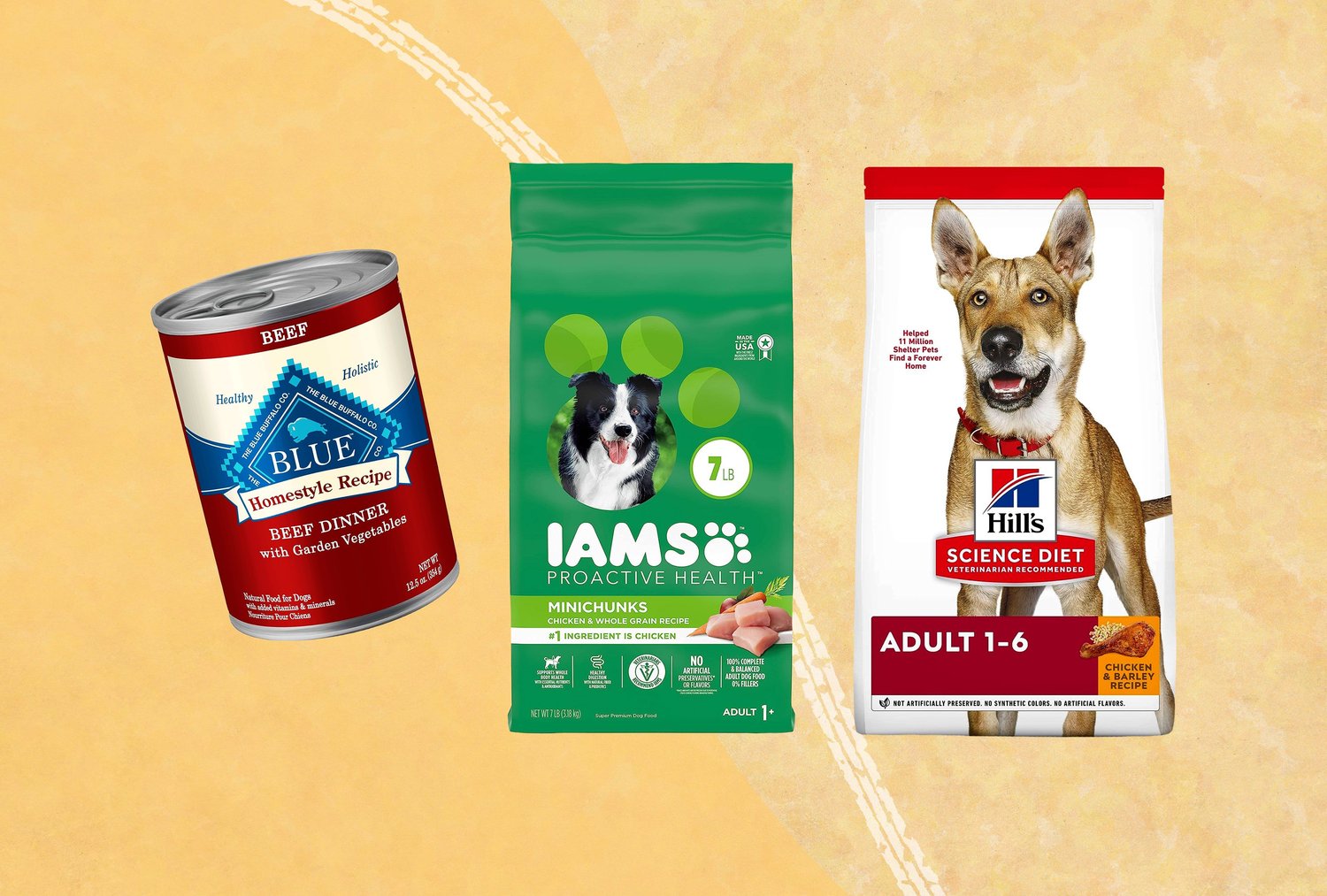
A popular everyday kibble brand usually balances convenience, moderate price, and reliable nutrition. For owners who want dog food made in the USA but do not need a subscription service, everyday kibble is often the main choice.
Typical features include meat as the first ingredient, added vitamins and minerals, and options for puppies, adults, and seniors. Many lines also offer grain‑inclusive and grain‑free recipes, allowing owners to match food to a dog’s digestion and preferences.
Who this brand is best for
Popular everyday kibble suits owners who want convenient, consistent nutrition at a manageable price. It is a good match for healthy adult dogs with no major allergies who do well on a standard diet. Busy families, multi‑dog households, and first‑time dog owners often choose this type because it is easy to store, portion, and find in supermarkets or pet stores across the USA.
Key ingredients and recipes
主な原材料は、ヒューマングレードの新鮮な肉と野菜が中心です。チキン、ビーフ、ターキーなどを第一原材料にし、サツマイモ、ニンジン、インゲン、ホウレンソウなどの野菜を組み合わせます。多くのレシピはグレインフリーで、キヌアやオーツなど消化しやすい全粒穀物を使うシリーズもあります。合成香料・着色料・副産物ミールは基本的に不使用です。
Pros, cons, and price range
主なメリットは、人間用食材グレード・高タンパク・人工添加物の少なさが挙げられます。嗜好性が高く、偏食気味の犬や食欲が落ちがちなシニアにも与えやすい点も長所です。消化が良いレシピが多く、うんちの状態が安定しやすい傾向もあります。
一方で、欠点としては価格がドライフードより高めで、冷蔵・冷凍保存が必要な商品が多いことが挙げられます。旅行時の持ち運びや、複数頭飼育の家庭ではコストと手間が負担になりやすい点には注意が必要です。
| 項目 | 目安価格帯* | 特徴 |
|---|---|---|
| 1食あたり | 約300〜800円 | 体重・プランで変動 |
| 月額目安 | 約1万〜3万円 | 中型犬1頭を想定 |
*価格は一般的なフレッシュフード市場の目安であり、ブランドにより異なります。
Brand 6: Grain‑Inclusive Recipes
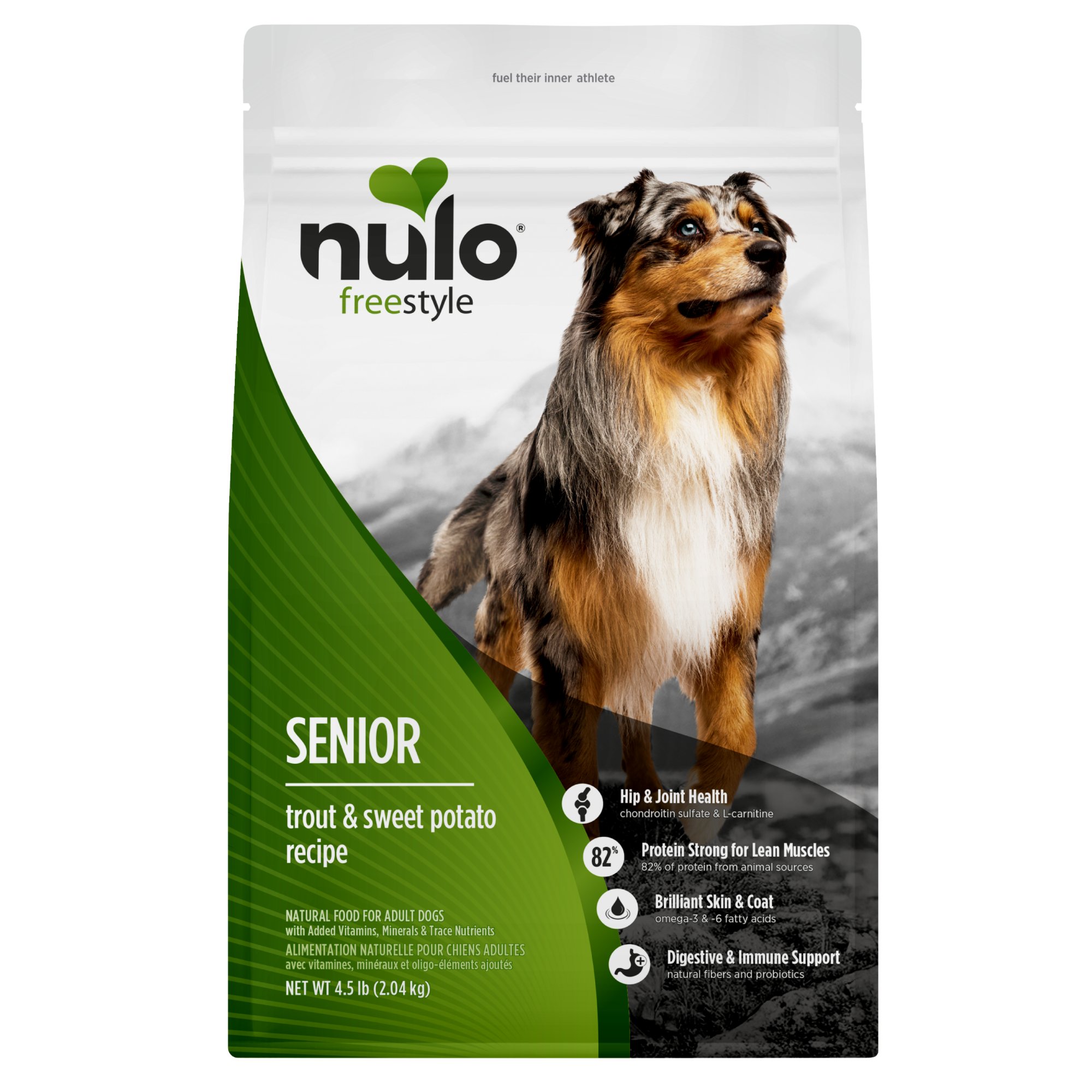
Grain‑inclusive formulas are designed for owners who prefer balanced grains over fully grain‑free diets. Many USA brands use brown rice, oatmeal, barley, or sorghum alongside meat to provide steady energy and extra fiber. Well‑made grain‑inclusive recipes can support digestive health, healthy weight, and heart health, provided they use named meat proteins, whole grains, and minimal fillers instead of corn gluten or unspecified by‑products.
Who this brand is best for
Grain‑inclusive recipes are well suited to owners who want balanced nutrition without going fully grain‑free. They match dogs that
- Maintain a healthy weight and have no confirmed grain allergy
- Need steady energy, such as active family pets and many working dogs
- Benefit from digestive support from wholesome grains like oats or brown rice
They are also a good choice for budget‑conscious families seeking reliable everyday food while still prioritizing ingredient quality.
Key ingredients and recipes
Main recipes typically feature fresh, human‑grade meat as the first ingredient, such as chicken, beef, turkey, or lamb. Many formulas pair the protein with simple carbohydrates like sweet potato, brown rice, or quinoa, plus vegetables such as carrots and spinach. Several lines avoid artificial colors, flavors, and preservatives, and some menus are gently cooked and frozen or refrigerated to preserve nutrients and flavor.
Pros, cons, and price range
A fresh, human‑grade brand offers clear advantages: highly digestible ingredients, strong natural aroma that encourages picky eaters, and recipes close to home‑cooked meals. Many owners report improved stool quality, shinier coats, and better energy. Downsides are shorter fridge or freezer storage, the need for more freezer space, and higher cost than kibble.
Price often falls in the premium range, roughly comparable to other fresh‑food subscriptions, and usually billed per week or month based on dog size and calorie needs.
Brand 7: High‑Protein Grain‑Free Kibble
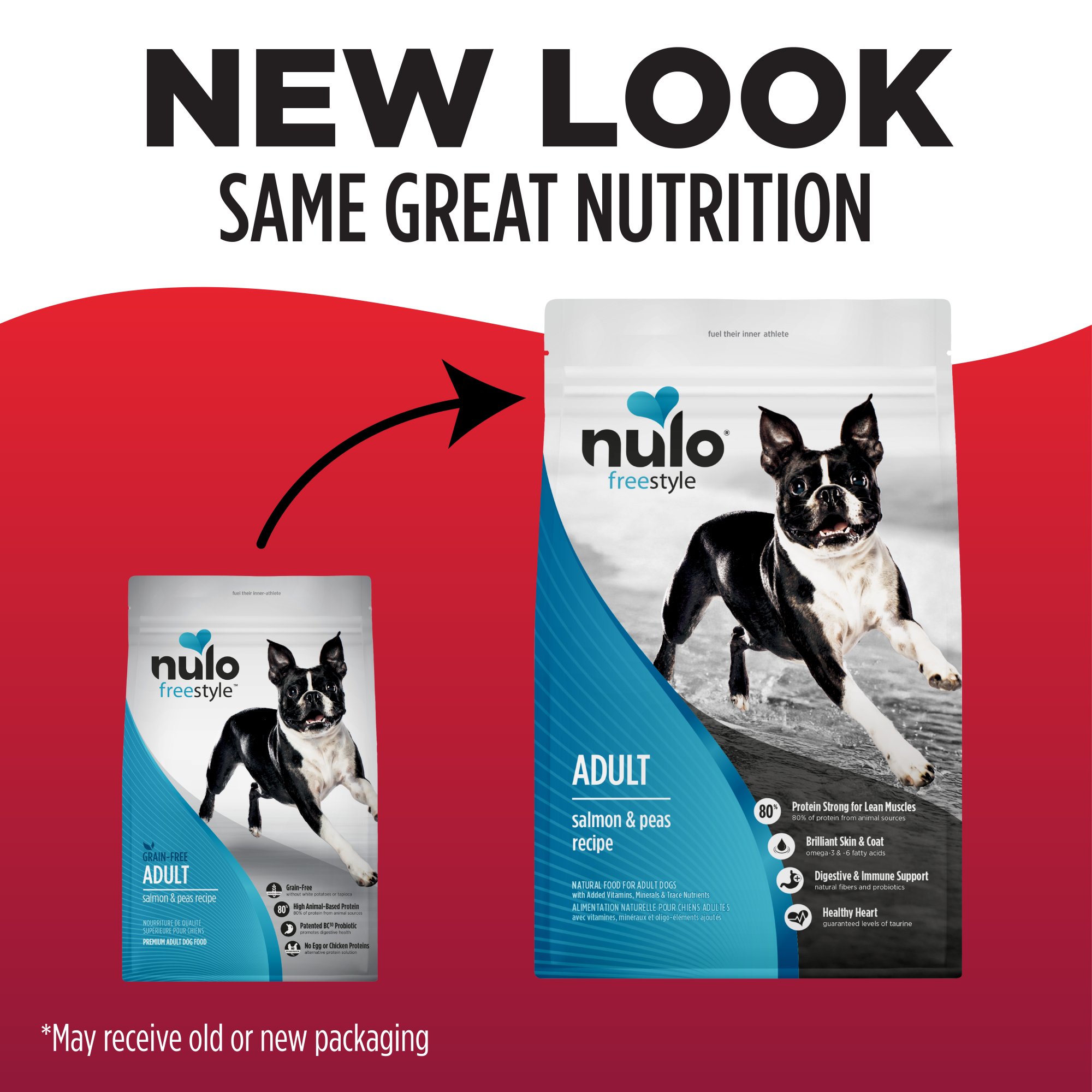
High‑protein grain‑free kibble focuses on a meat‑first recipe with no corn, wheat, or soy. Many formulas use deboned chicken, beef, or fish as the main ingredient, supported by peas, lentils, or sweet potato instead of grains. The goal is to offer concentrated energy and lean muscle support, which can suit very active dogs.
However, grain‑free diets are being studied for a possible link to certain heart issues in some dogs. Owners should discuss grain‑free choices with a veterinarian, especially for large breeds or dogs with existing heart concerns. Careful monitoring of energy level, stool quality, and coat condition is recommended after switching.
Who this brand is best for
High‑protein grain‑free kibble is ideal for active, healthy adult dogs that burn plenty of energy through walks, sports, or play. It often suits guardians who prefer a meat‑focused diet or whose dogs do not tolerate grains well. However, it is not the first choice for dogs with kidney disease, certain heart concerns, or very low activity levels, so consultation with a veterinarian is recommended before long‑term use.
Key ingredients and recipes
主なレシピは、新鮮なヒューマングレード肉と野菜を主体にした総合栄養食となります。代表的なメニュー例としては、鶏肉+玄米+ほうれん草、牛肉+サツマイモ+インゲン豆などがあり、いずれも動物性たんぱく質を第一原料としています。穀物は必要量に限り使用し、人工保存料・香料・着色料は使わない方針のため、素材の風味を生かしたシンプルな配合が特徴です。
Pros, cons, and price range
主なメリットは、高タンパクで穀物不使用の配合により、運動量の多い成犬の筋肉維持と体力サポートが期待できる点です。肉原料が多いほど食いつきも良くなりやすく、人工香料を抑えたレシピが選ばれる傾向があります。
一方で、穀物不使用フードはAAFCOが注意喚起した一部の心疾患リスクや、食物繊維不足による便トラブルなどが懸念されます。また、肉量が多い分、価格は中〜高価格帯になりやすく、1kgあたりおおよそ2,000〜4,000円前後が目安となります。購入前に愛犬の健康状態と予算を慎重に検討することが大切です。
Brand 8: Limited‑Ingredient Diets
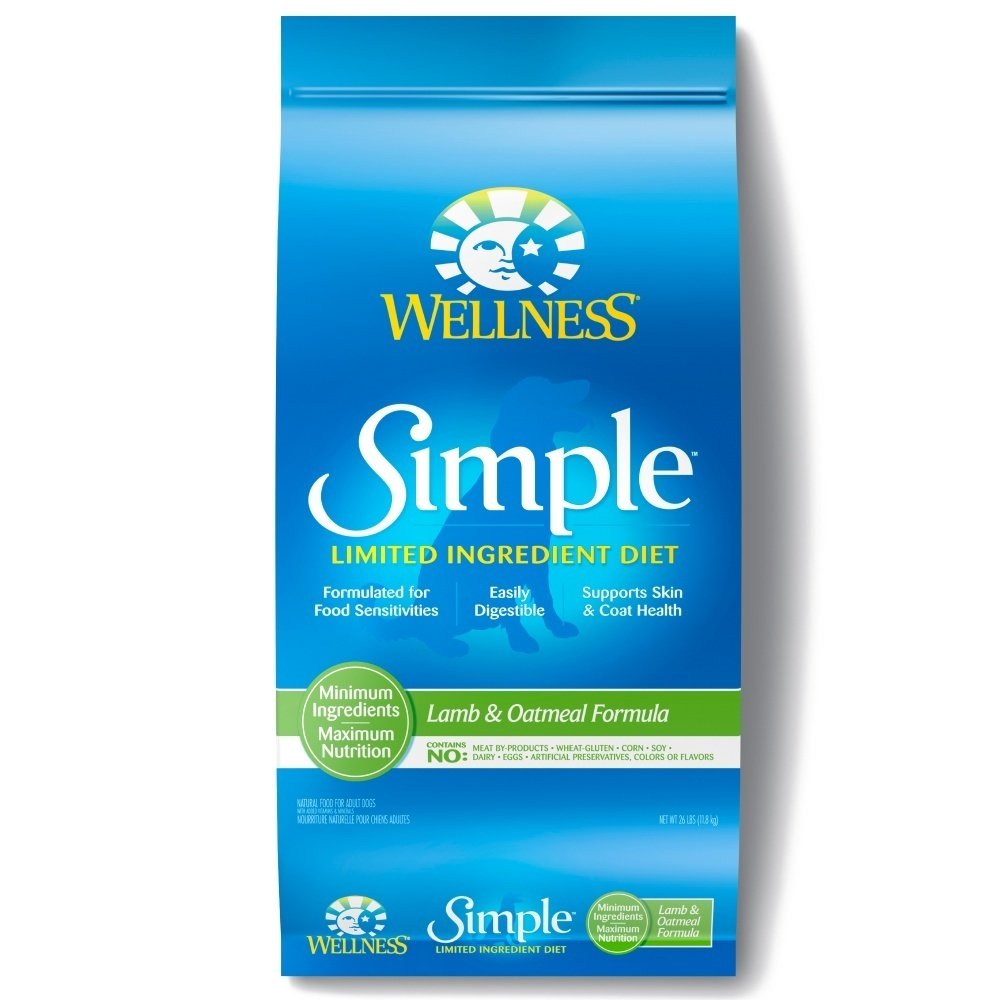
Limited‑ingredient diets (LID) aim to reduce the number of proteins, carbs, and additives in order to make it easier to spot and avoid triggers for allergies or sensitivities. Many USA brands in this category use one main animal protein (for example salmon or lamb) and a single, gentle carbohydrate such as sweet potato or peas. LID formulas often skip common irritants like chicken by‑products, dairy, soy, and artificial colors, so they are a strong option for dogs with recurring itching, ear infections, or digestive upset.
Who this brand is best for
Limited‑ingredient brands suit dogs who need simple, predictable recipes. They are especially helpful for:
- Dogs with suspected food allergies or itchy skin
- Dogs with chronic digestive upset, gas, or soft stools
- Puppies or adults starting an elimination diet under veterinary guidance
- Owners who want to avoid long ingredient lists and prefer clear, single‑protein formulas
For healthy, active dogs without sensitivities, a more varied formula may be more appropriate.
Key ingredients and recipes
主なレシピは、ヒューマングレードの肉と野菜を中心にしたシンプル構成になっています。たとえば、「チキン&玄米」「ビーフ&サツマイモ」「ターキー&キヌア」などが代表的です。副産物ミールや人工香料を避け、オイルはサーモンオイルや亜麻仁など消化しやすい脂質を採用している点が特徴です。穀物入りとグレインフリーの両方が用意され、好みや体質に合わせて選びやすい設計になっています。
Pros, cons, and price range
主なメリットは、高品質タンパク質と穀物をバランス良く含み、日常使いしやすい点です。AAFCO基準を満たす総合栄養食であり、子犬から成犬まで幅広く対応しやすい設計になっています。スーパーや通販で入手しやすく、トッピング用としても使いやすいことが特長です。
一方で、一部レシピには副産物ミールや合成保存料が使われる場合があるため、原材料ラベルの確認は重要です。敏感な胃腸や重いアレルギーがある犬では、限定原材料フードほどの安全域は期待しにくい場合があります。
価格帯は中価格帯で、1日あたりのコストは小型犬で概ね100〜200円前後、中型〜大型犬で200〜400円程度が目安です。完全手作りや新鮮宅配フードよりは抑えられますが、最安値クラスのフードよりは高くなります。
Brand 9: Meat‑First Kibble Options
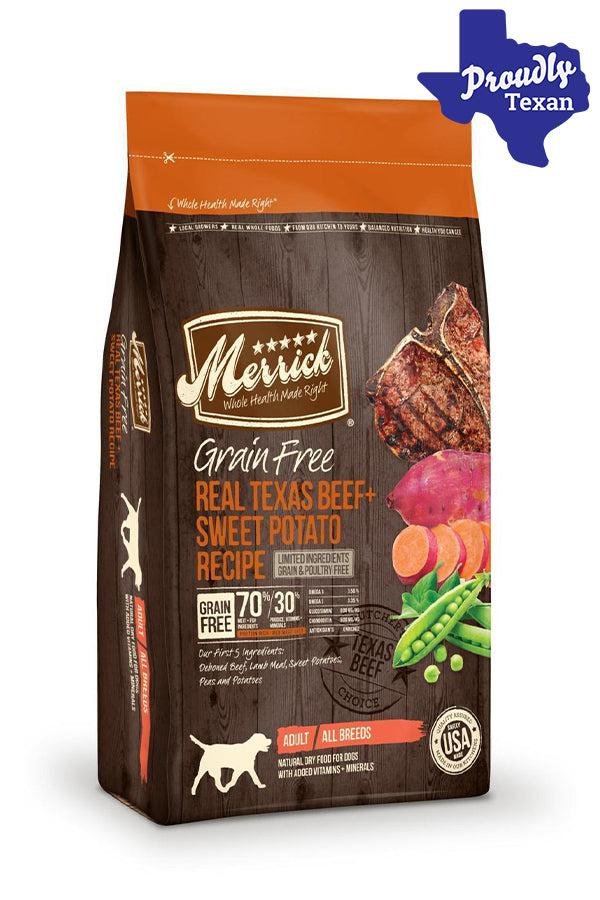
Many meat‑first kibbles in the USA focus on real animal protein as the first ingredient, such as chicken, beef, salmon, or lamb. Compared with plant‑heavy formulas, these recipes usually offer higher protein and better palatability, which helps maintain lean muscle and supports active dogs. Owners should still review the full ingredient list and guaranteed analysis, since some meat‑first products may contain excess fillers or added flavorings despite a strong protein headline.
Who this brand is best for
Meat‑first kibble is ideal for guardians who want high animal‑protein content without moving to a raw diet. It suits active adult dogs, working or sporting dogs, and lean, muscular breeds that burn many calories. Many picky eaters also respond well to stronger meat aroma and taste. However, dogs with kidney disease, pancreatitis, or very low activity often need a more moderate‑protein, lower‑fat recipe, so consultation with a veterinarian is recommended.
Key ingredients and recipes
Popular recipes focus on fresh, human‑grade animal proteins combined with simple vegetables and gentle carbohydrates. Typical ingredient lists start with one named meat such as chicken, beef, turkey, or lamb, followed by ingredients like sweet potato, brown rice, spinach, carrots, and blueberries. Many formulas use limited ingredients to reduce sensitivity risk and avoid artificial colors, flavors, and preservatives, supporting more digestible, everyday feeding.
Pros, cons, and price range
下記は、Brand 9(肉を主原料とするドライフード)の一般的な特徴イメージに基づいた内容です。
メリット
肉を第一原料にしているため、高タンパクで筋肉維持をサポートしやすい点が特徴です。副産物よりも丸ごとの肉やミールを使う配合が多く、嗜好性も高くなりやすい傾向があります。穀物量を抑えたレシピを選べば、エネルギー効率の良い食事設計も期待できます。
デメリット
高タンパクゆえに、腎臓や肝臓に持病がある犬や高齢犬には合わない場合があります。また、肉量が多いほど価格帯は中〜高価格になりやすい点もデメリットです。脂質が高めのレシピでは、カロリー過多から体重増加につながるおそれもあります。
価格帯の目安
| 区分 | 価格イメージ | 備考 |
|---|---|---|
| お試し・小袋 | 約15〜25ドル / 4〜5lb | 初めて利用する方向け |
| 中〜大袋 | 約45〜75ドル / 22〜30lb | 体重中型以上の犬向け |
肉を主原料とするフードは、活動量の多い成犬や筋肉量を保ちたい犬に特に向きますが、持病や体重管理が必要な犬の場合は、必ず獣医師に相談しながら選ぶことが望ましいです。
Brand 10: Budget‑Friendly USA Brand
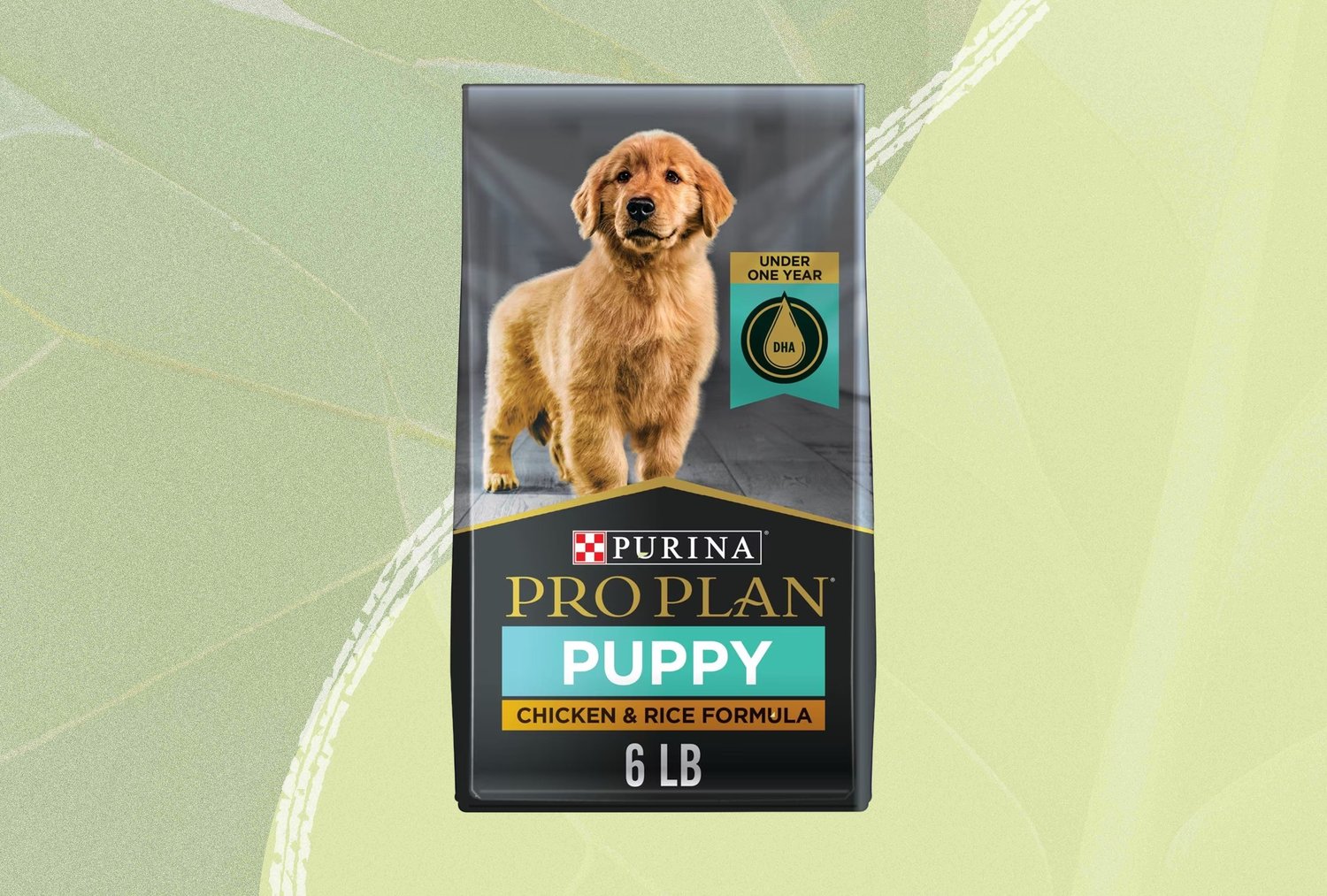
A budget‑friendly USA brand aims to keep costs low while still meeting basic nutritional standards. Many options are sold in supermarkets or big‑box stores, so they are easy to find for busy owners. Ingredient lists often include chicken or beef combined with grains such as corn, rice, or barley. While recipes may use more by‑products and fewer fresh or specialty ingredients than premium foods, they can still be suitable for healthy adult dogs when AAFCO‑complete and balanced and fed in correct portions.
Who this brand is best for
A budget‑friendly USA brand is ideal for owners who want reliable nutrition at a reasonable price. It suits healthy adult dogs with no major allergies or medical issues, multi‑dog households that go through large bags quickly, and families looking for an everyday food sold at supermarkets or big‑box stores. Cost‑conscious first‑time dog owners who still care about ingredient sourcing and safety also benefit from this type of brand.
Key ingredients and recipes
Typical recipes from this fresh, human‑grade brand center on real animal protein plus gently cooked vegetables. Common formulas include chicken with brown rice and spinach, beef with sweet potato and green beans, and turkey with quinoa and carrots. Recipes usually avoid artificial colors, flavors, and preservatives, and many lines are wheat, corn, and soy free, focusing on simple, recognizable ingredients for easier digestion.
Pros, cons, and price range
主なメリットは、肉を主原料とした高タンパク設計と、人工着色料・保存料不使用のレシピが多い点です。消化性が高く、嗜好性も良いため、食いつき改善や筋肉維持を目指す犬に向きます。一方で、プレミアム寄りの価格帯になりやすく、敏感な犬は高タンパクで軟便になる可能性があります。価格帯はおおよそ中価格〜やや高価格ゾーンとなります。
Brand 11: Specialty and Prescription Diets
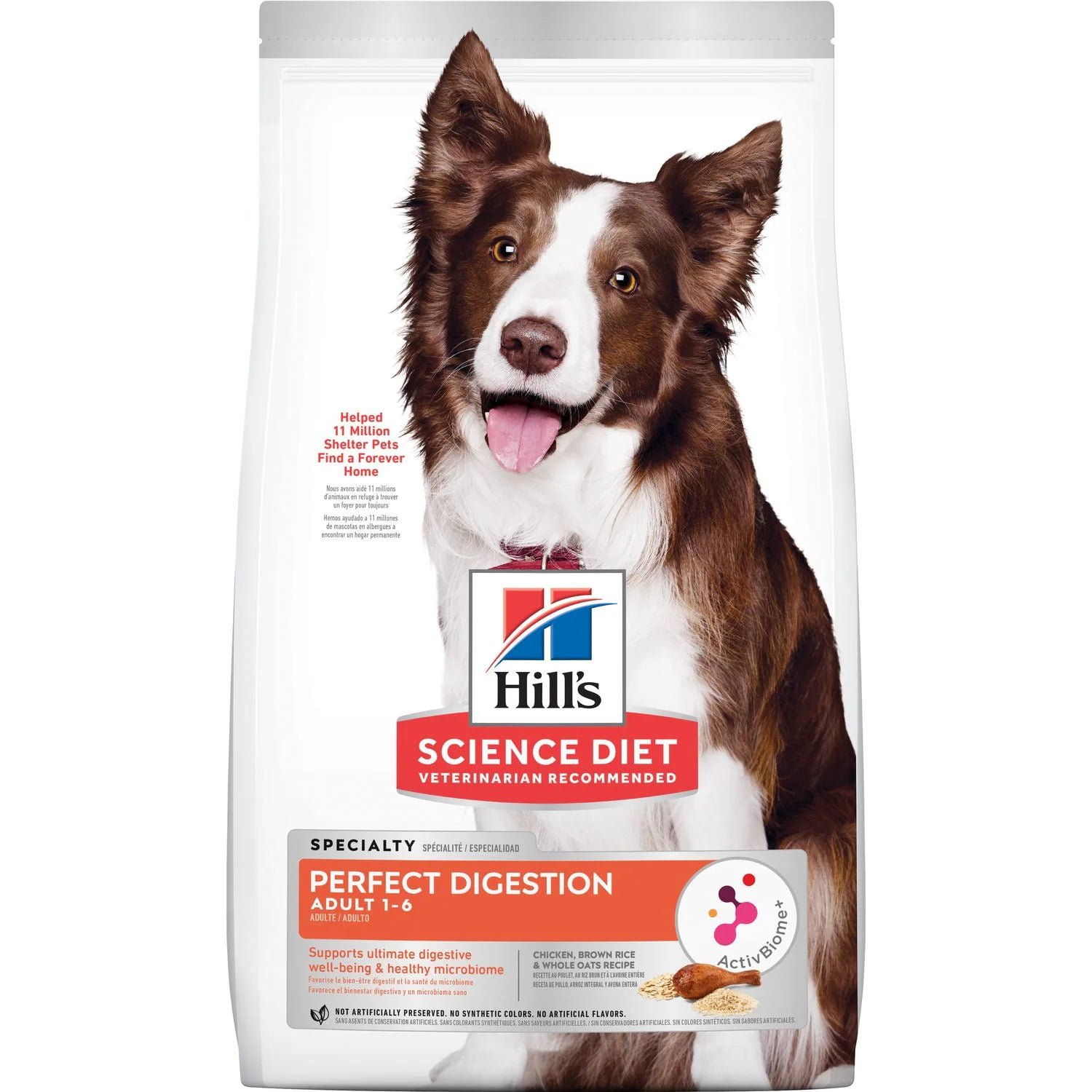
Specialty and prescription diets are formulas designed to manage specific health conditions, such as kidney disease, diabetes, severe allergies, urinary issues, or obesity. Many are available only through veterinarians and follow strict nutrient profiles and clinical testing. Owners should never start or stop a prescription food without professional guidance, because the wrong formula can worsen underlying disease even if a dog seems to enjoy the food.
Who this brand is best for
Specialty and prescription diets are most suitable for dogs with diagnosed health conditions or clear nutritional needs that everyday dog food cannot meet. Typical examples include chronic kidney disease, urinary stones, diabetes, severe food allergies, obesity, and heart disease. They are also useful for dogs recovering from surgery or serious illness, and senior dogs that require carefully controlled protein, fat, or minerals. Guardians who want vet‑guided, highly targeted nutrition tend to benefit most from using these formulas under professional supervision.
Key ingredients and recipes
Main ingredients are fresh, human‑grade meats such as chicken, beef, turkey, or lamb, combined with simple whole grains or low‑starch veggies like brown rice, quinoa, spinach, carrots, and peas. Many recipes avoid artificial colors, flavors, and preservatives, and often use named organ meats for natural vitamins and minerals. Some lines offer single‑protein recipes for sensitive dogs and gently cooked formulations to preserve nutrients.
Pros, cons, and price range
主に療法食や処方食は、特定の病気・体質に合わせて細かく設計されている点が最大のメリットです。腎臓病、心臓病、尿路結石、アレルギー、肥満など、目的別に栄養バランスやミネラル量が調整されており、動物病院での指導とも連動しやすいことが特徴です。
一方で、デメリットとしては、必ず獣医師の診断・指示が必要で、自己判断での継続や変更が難しい点が挙げられます。通常フードより嗜好性が低い商品もあり、切り替えに時間がかかる場合もあります。また、長期的に見るとコストも高めになりやすい傾向があります。
価格帯は、ドライタイプで1kgあたりおおよそ2,000〜4,000円程度、缶詰やパウチのウェットタイプは1食あたり300〜600円前後が目安です。健康維持というより「治療の一部」として位置づけられるため、価格よりも効果と安全性を重視して選ぶことが重要といえます。
Comparing the 11 USA Dog Food Brands
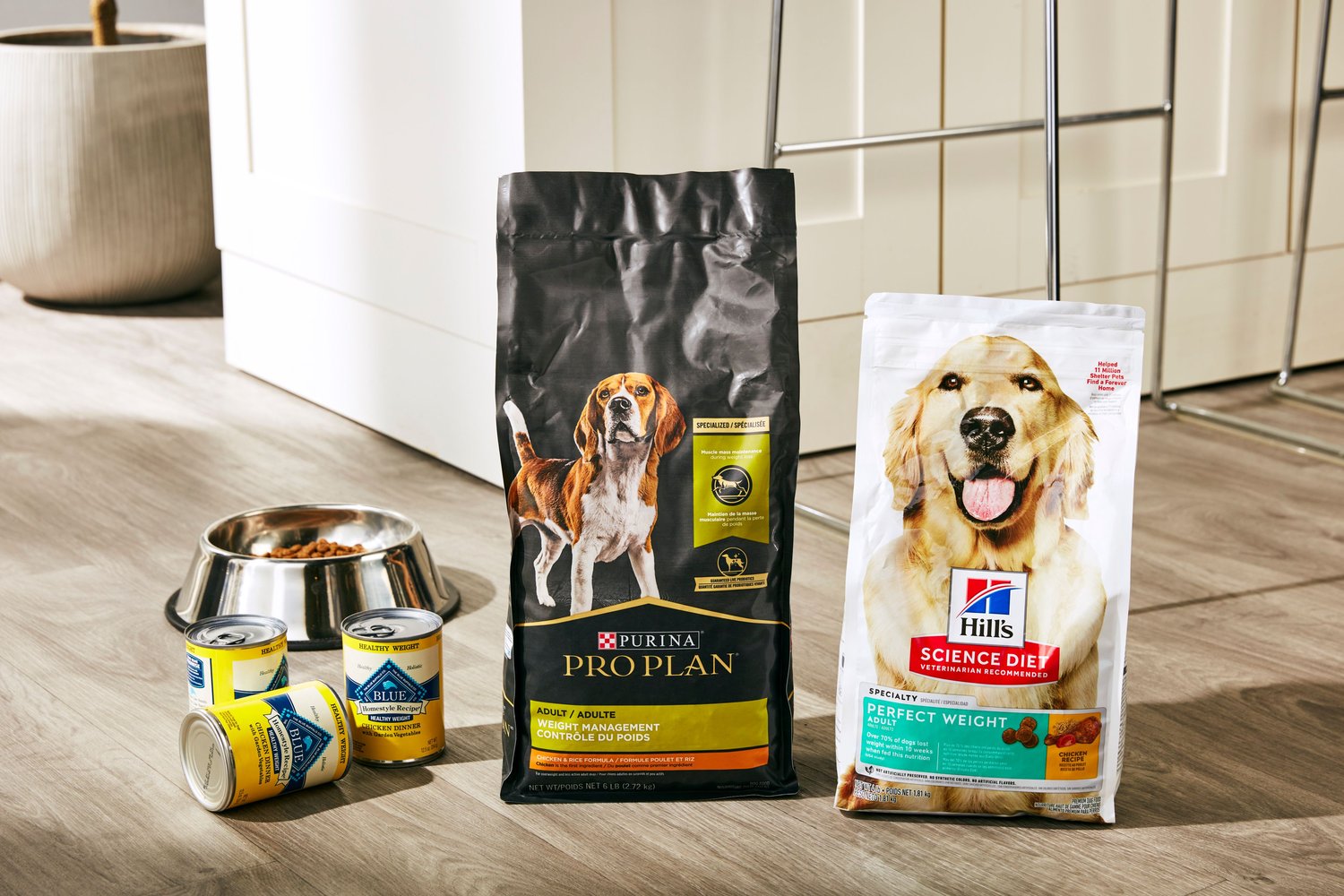
For busy owners, a quick comparison helps narrow the best dog food brands in the USA to a realistic shortlist. The 11 brands differ mainly in format (fresh, gently cooked, kibble, prescription), ingredients (grain‑free, grain‑inclusive, limited‑ingredient), and price. Fresh and human‑grade brands generally cost more but offer soft textures and high palatability. Kibble‑focused brands provide better value and larger bag sizes. Limited‑ingredient and prescription options are designed mainly for dogs with allergies or medical needs, so they prioritize targeted nutrition over broad flavor variety.
Best for puppies
Puppies need energy‑dense food with high‑quality protein, DHA, and balanced minerals for safe growth. Among the 11 USA brands, fresh and vet‑formulated options are often ideal for young dogs, especially small or picky puppies. Grain‑inclusive kibble lines that are labeled “puppy” or “all life stages” and meet AAFCO growth standards also fit many healthy pups. Large‑breed puppies should use formulas specifically marked large‑breed puppy to protect joints and bones.
Best for sensitive stomachs
Dogs with sensitive stomachs often do better on simple recipes with limited ingredients and highly digestible proteins. Among the 11 best dog food brands in the USA, the most suitable options are usually the limited‑ingredient and fresh, gently cooked brands, because they avoid common triggers such as beef, chicken by‑products, corn, soy, and artificial additives. When choosing, owners should look for clear meat sources, added probiotics, and moderate fat levels, and introduce any new food gradually to reduce digestive upset.
Best for large and small breeds
Large and small breeds often need different kibble sizes, energy levels, and joint support. For large breeds, Brand 6 (Grain‑Inclusive Recipes) and Brand 11 (Specialty Diets) are suitable, as they typically offer large‑breed formulas with controlled calcium and added joint nutrients. For toy and small breeds, Brand 5 (Popular Everyday Kibble) and Brand 9 (Meat‑First Kibble) tend to provide small‑bite options that are easier to chew and higher in calories per cup.
In general, owners should select:
| Breed size | Key points to focus on | Often‑suitable brands |
|---|---|---|
| Small/Toy | Small kibble, high energy density, dental care | Brand 5, Brand 9 |
| Medium | Balanced calories, quality protein | Brand 5, Brand 6, Brand 9 |
| Large/Giant | Controlled growth, joint support, moderate calories | Brand 6, Brand 11 |
Checking the label for “small breed” or “large breed” and appropriate calorie content per cup is especially important for maintaining a healthy weight and preventing joint or growth problems.
Best on a budget
Budgetを重視する場合は、安全性と栄養バランスを最優先にしつつ、必要な条件を絞ることが大切です。まず、AAFCO基準を満たす総合栄養食であるかを確認し、主原料に「チキン」「サーモン」など明確な動物性たんぱくが使われている商品を選びます。大袋サイズや定期購入を活用すると、プレミアムフードより価格を抑えながら、国産原料・米国製造のブランドを選びやすくなります。必要以上のトッピングやおやつを減らし、フードの質を少し上げることも、長期的には医療費の節約につながりやすいです。
How to Switch Your Dog’s Food Safely
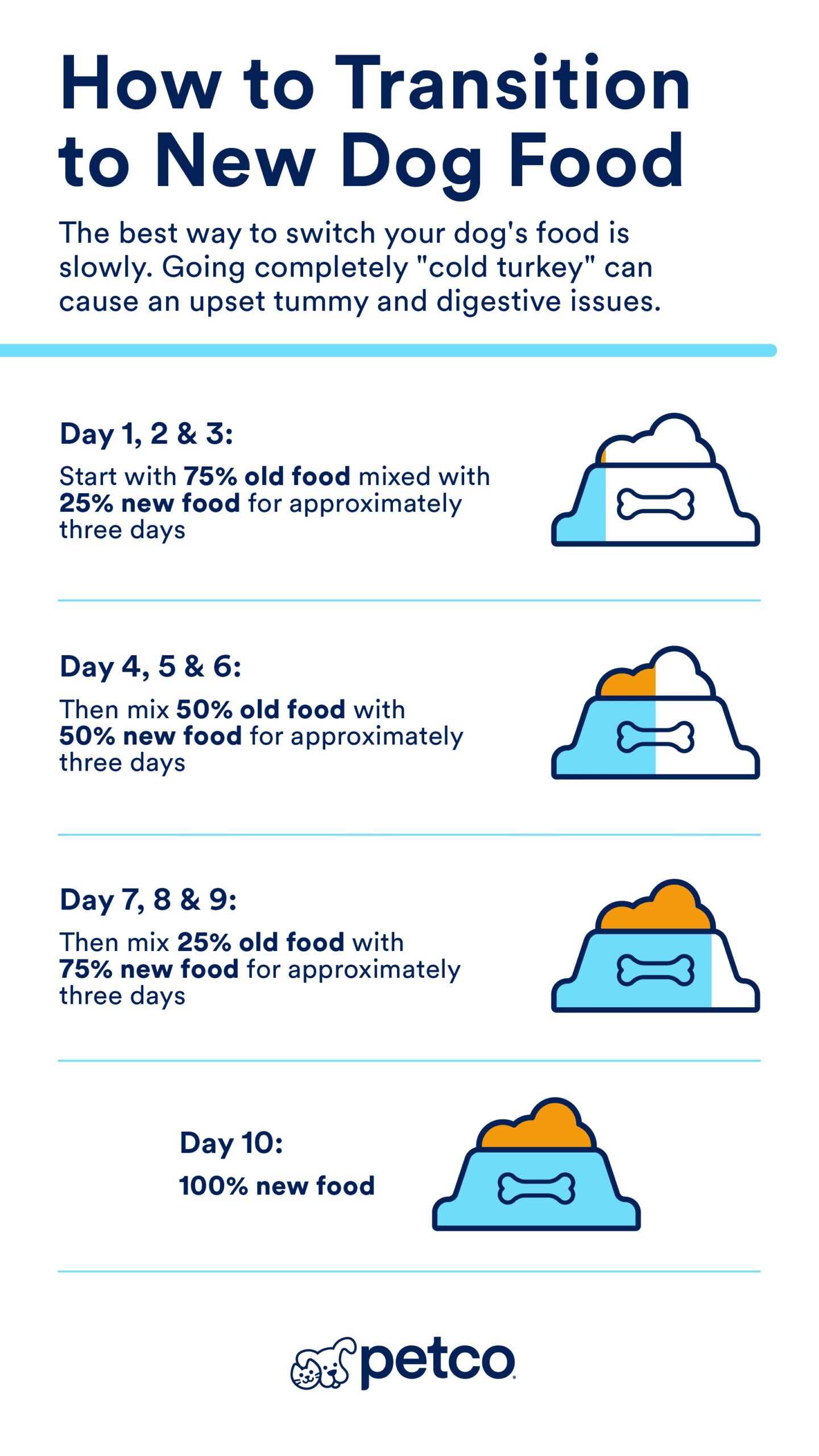
Switching dog food suddenly often causes vomiting, diarrhea, or refusal to eat. A slow, planned transition helps the gut adapt to new ingredients and prevents stress. Owners should change food gradually over 7–10 days, adjusting more slowly for puppies, seniors, or dogs with sensitive stomachs. If severe digestive upset, lethargy, or skin flare‑ups appear during a change, stop the transition and consult a veterinarian promptly.
Step‑by‑step transition schedule
A gradual schedule helps avoid stomach upset and diarrhea. A 7–10 day transition is recommended for most dogs.
| Day range | Old food | New food |
|---|---|---|
| Days 1–3 | 75% | 25% |
| Days 4–6 | 50% | 50% |
| Days 7–9 | 25% | 75% |
| Day 10+ | 0% | 100% |
For very sensitive dogs or puppies, owners may extend each step to several days for a slower change.
What to watch for during the change
During a diet change, close observation helps prevent small issues from becoming serious.
| What to monitor | Normal during switch | Warning sign |
|---|---|---|
| Stool | Slightly softer, 1–3 days | Watery diarrhea, blood, mucus, lasting >3 days |
| Vomiting | Rare, single mild episode | Repeated vomiting, cannot keep water down |
| Appetite | Mild fussiness | Refusing food for >24 hours |
| Energy | Usual play and sleep | Lethargy, weakness, collapse |
| Skin/ears | Unchanged | New itching, ear redness, hives, swelling |
If strong odor, straining, or gas appear, slow the transition and offer plenty of fresh water. Stop the new food and contact a veterinarian if severe vomiting, bloody stool, or facial swelling occur.
When to Talk to Your Vet About Food

相談のタイミングに迷った場合は、「少し早め」が基本と考えると安心です。長く同じフードを与えている場合でも、年齢や体調が変われば必要な栄養バランスも変化します。特に子犬期、避妊・去勢後、シニア期に入る時、持病が見つかった時などは、かかりつけの獣医師に食事内容を確認してもらうと良いです。また、新しいフードを選ぶ時や、手作り食・サプリメントの導入を検討する時も、事前に獣医師へ相談すると安全性が高まります。
Red flags that need a vet visit
Certain signs suggest a food problem has become a medical issue that needs a vet.
| Red flag | Why it matters |
|---|---|
| Persistent vomiting or diarrhea (over 24–48 hours) | Risk of dehydration and underlying disease |
| Blood in stool or vomit | Possible serious gut or organ problem |
| Sudden weight loss or gain | May indicate malabsorption, endocrine disease, or poor diet fit |
| Refusing food for more than a day | Can signal pain, nausea, or organ trouble |
| Intense itching, ear infections, or hives | Possible food allergy needing diagnosis |
| Lethargy, collapse, or pale gums | Emergency care is required |
When any red flag appears, keep a record of food type, treats, and timing of symptoms, and contact a veterinarian promptly.
Questions to ask about diet choices
Preparing questions in advance helps owners use limited vet time effectively. Focus on specific, practical points rather than just asking “Is this food OK?”
- Is this food complete and balanced for my dog’s age, size, and activity level?
- Is the current body condition score healthy? If not, how should calories be adjusted?
- Which ingredients should be avoided for the dog’s breed, health history, or allergies?
- Do you recommend a particular brand or type (fresh, kibble, canned, prescription)? Why?
- How much and how often should the dog be fed?
- Is a supplement (omega‑3, joint support, probiotics) necessary with this diet?
- How can owners monitor stool, coat, and energy to judge whether the new diet suits the dog?
Prioritizing 2–3 key concerns, such as weight, allergies, or sensitive stomach, allows the vet to give clear, tailored diet advice.
本記事では、アメリカのおすすめドッグフード11ブランドを紹介しながら、原材料や安全性、愛犬の年齢・体格・体質に合うフードの選び方を解説しています。切り替え方法や獣医に相談すべきサインもまとめており、愛犬に合ったドッグフード選びの参考になる内容です。
















![[Choosing dog food for health] 5 recommended low-fat dog foods](https://with-my-dog.com/wp-content/uploads/2022/07/image4-4-300x262.png)