

犬と猫を一緒に飼っていると、「犬が猫にマウンティングしているけど大丈夫?」「犬と猫は交配できるの?」と心配になる場面があります。結論から言うと、犬と猫の交配は生物学的に不可能ですが、マウンティング行動自体は起こり得ます。この記事では、犬と猫のマウンティング行動の理由、安全性への影響、そして多頭飼いでのトラブル防止策まで詳しく解説します。愛犬と愛猫が安全で快適に過ごせる環境作りの参考にしてください。
Can dogs and cats physically mate?

Dogs and cats cannot physically mate in a way that leads to successful copulation or pregnancy. Their bodies, reproductive anatomy, and natural behaviors are adapted to very different species-specific partners.
Occasionally, a dog may attempt to mount a cat (or vice versa), but this is usually related to hormonal changes, dominance behavior, or overexcited play. Even when mounting occurs, actual mating is highly unlikely due to incompatible size, different genital anatomy, and mismatched mating behaviors.
Attempts at forced mounting can cause stress, pain, or injury, particularly for the smaller animal. Owners should separate the animals calmly if mounting occurs, both for safety and to reduce anxiety.
Key biological differences between species
Dogs and cats differ profoundly at a biological level, making genuine reproduction impossible. The most important distinction is genetic: dogs have 78 chromosomes while cats have 38. Dogs and cats belong to entirely different families (Canidae vs. Felidae), with DNA that has diverged over millions of years.
Reproductive anatomy and cycles also differ significantly. The shape and structure of reproductive organs are not compatible between species. Female dogs have predictable estrus cycles, while female cats are induced ovulators with multiple heat cycles per season. The hormonal timing needed for fertilization is not aligned between the species.
Why interspecies pregnancy cannot occur
Pregnancy requires sperm to successfully fertilize an egg and develop into a viable embryo. Between dogs and cats, this is biologically impossible due to genetic incompatibility, different sperm-egg recognition systems, reproductive tract differences, and embryo development requirements.
Dog sperm is adapted to bind only with dog eggs, and cat sperm only with cat eggs. The surface proteins involved in fertilization do not match across species. Even if fertilization somehow occurred, the mixed genetic material could not organize into a functioning embryo.
What happens when a dog mounts a cat

When a dog mounts a cat, it is usually not a sign of successful mating but rather a mix of instinct, arousal, confusion, or social behavior. Because dogs and cats cannot interbreed, the act does not result in pregnancy, but it can still be risky and stressful.
In many cases, mounting happens as a misdirected sexual behavior when a dog is excited or in the presence of a female in heat, as a way to release excess energy or frustration, or as an attempt at social dominance or play that has escalated.
For the cat, the experience is often frightening or painful. A dog's weight and size, plus the way a dog grips with the front legs and may thrust, can cause scratches, bite wounds, or bruising during escape attempts, back or leg strain especially in small or elderly cats, and heightened stress, fear, or anxiety around dogs in the future.
Owners should interrupt the behavior promptly and calmly, then separate the animals to prevent injury and reduce stress for both dog and cat.
Typical mounting behavior and body language
Mounting between a dog and a cat usually looks very different from normal, relaxed play. Recognizing typical body language helps owners decide when to interrupt the interaction.
In many cases, mounting is driven by excitement or confusion rather than true mating. Common signs include repeated attempts to climb onto the cat's back or side, stiff, tense body and focused stare from the dog, panting, whining, or restless pacing before or after mounting, and tail held high or straight out, sometimes wagging in short, fast movements.
The cat typically shows freezing briefly then trying to wriggle or bolt away, flattened ears, twitching tail, or tail held low and lashing, growling, hissing, or swatting with claws out, and arched back or crouched posture, ready to flee.
When interactions stay in the realm of mutual play, both animals will show looser, more relaxed bodies, take short breaks, and return willingly to each other.
When rough play becomes a safety risk
Rough play between a dog and a cat can quickly cross the line from goofy wrestling into a serious safety concern, especially when mounting or mating attempts are involved. Because dogs are usually larger and stronger, even a friendly dog can injure a cat without meaning to.
Warning signs that interaction is becoming risky include vocal distress such as yowling, repeated hissing, intense growling, or high‑pitched yelps, escalating aggression like swatting with claws out, biting aimed at the face, or shaking behavior from the dog, trapped body positions where the cat is pinned under a paw or against furniture, and obsessive focus where the dog repeatedly chases and mounts the cat despite redirection.
Once any of these behaviors appear, the animals should be calmly separated and given a chance to decompress in different rooms. Never rely on the cat to "teach the dog a lesson," as retaliation can lead to eye injuries, deep scratches, or bite wounds.
Health risks during mating attempts

Failed mating attempts between dogs and cats pose significant health risks to both animals. The anatomical and biological incompatibility between species means these interactions often involve forced mounting, biting, and scratching.
Injuries and pain for cats and small dogs
Physical attempts at mating between dogs and cats can cause severe injury, especially for cats and small dogs. Dogs are generally larger and stronger, creating a dangerous size mismatch.
Cats have delicate spines, hips, and pelvises. When a larger dog mounts a cat, injuries can include:
- Back or neck injuries from being forced down
- Pelvic or leg fractures from the dog's weight
- Internal trauma to the reproductive tract
- Deep puncture wounds from defensive reactions
Small-breed dogs face similar risks when cats react aggressively with claws or when larger dogs are involved. Internal pain and bruising may not be immediately visible but require prompt veterinary attention.
Stress, fear, and long‑term behavior issues
Unwanted mating attempts create intense stress for both animals. Cats often interpret mounting as an attack, triggering fight-or-flight responses that can lead to lasting behavioral changes.
Common stress-related problems include:
- Heightened anxiety around other animals or in specific rooms
- Defensive aggression such as swatting, growling, or biting
- Avoidance behaviors including hiding or refusing to enter certain areas
- Stress-related health issues like inappropriate urination or over-grooming
Dogs may develop frustration and fixation on the cat, making peaceful coexistence difficult. Prompt separation and professional guidance help prevent short-term fear from becoming permanent behavioral issues.
Disease risks and when to see a vet
Close contact during mounting attempts can expose both animals to health risks, even without successful reproduction.
Potential risks include urinary tract infections, skin trauma from scratches and bites, and the spread of parasites like fleas or intestinal worms between animals in close contact.
Contact a veterinarian immediately if either pet shows:
- Bleeding from genitals or anus
- Swelling, discharge, or foul odor
- Difficulty walking or signs of pain
- Straining to urinate or defecate
- Sudden behavioral changes or hiding
Urgent veterinary care addresses both physical injuries and stress-related complications.
Why dogs try to mate with cats

Dogs do not recognize cats as appropriate mates in a biological sense, but they may act as if they are trying to mate for several reasons.
Sexual behavior vs. dominance and play
One common cause is misdirected sexual behavior. An unneutered dog, especially a young male, may have strong hormones and limited social experience. If aroused, the dog may mount a nearby animal, including a cat, simply because the opportunity is available.
Mounting can also be linked to stress, excitement, or lack of training rather than true mating intent. Many pet owners assume any mounting behavior is sexual, but in dogs and cats it often signals dominance, stress, or play rather than true mating intent.
In dogs, mounting can appear in situations that clearly are not sexual:
- During excited play with other dogs, toys, or even people
- As a way to assert social status over another animal
- As a response to anxiety, frustration, or lack of stimulation
- When playing too roughly or becoming overly excited
- As a way to release pent-up energy or frustration
- Because the behavior has become a habit and was never corrected
Cats are less likely to mount dogs, but may swat, chase, or pounce in predatory play, which can be misread as flirting or mating. In some cases, dogs mount cats as a form of social dominance or to test boundaries, rather than for reproduction.
Hormones, heat cycles, and frustration
Hormones are a major driver of mounting behavior, even across species. Intact (not spayed or neutered) dogs and cats experience powerful urges during their reproductive cycles, and they may direct that energy toward any available animal.
Female cats are seasonally polyestrous, coming into heat multiple times during breeding season. They vocalize, rub on objects, and may assume a mating posture when approached, which can confuse a nearby dog. Intact male dogs, driven by the smell of feline pheromones, may respond by attempting to mount, even though true mating is biologically impossible between the species.
For many animals, repeated heat cycles without breeding or without appropriate outlets can lead to frustration. Signs can include:
- Restlessness and pacing
- Excessive vocalization
- Persistent mounting of other pets, objects, or people
Spaying and neutering greatly reduce hormone-driven behaviors in both dogs and cats. In multi-pet homes, controlling hormones through surgery, combined with supervision and enrichment, is the most reliable way to lower sexual frustration and decrease risky or stressful mounting attempts between pets.
How to safely stop a dog from mounting a cat

Immediate steps during a mounting incident
In a mounting emergency, the priority is to prevent injury and further stress for both animals.
- Stay calm and avoid shouting. Loud reactions can startle the dog into thrusting harder or make the cat panic and scratch or bite.
- Support the cat's body. If possible, gently hold the cat's front and hind end to prevent twisting, kicking, or falling while separating the animals.
- Secure the dog's movement. Hold the dog by a harness, chest, or hips (not the tail or legs) and apply steady backward pressure while another person stabilizes the cat.
- Never pull roughly on the genitals. Sudden yanking can cause severe trauma to both animals.
- Separate and confine both pets. Once apart, place each animal in a quiet, separate room or crate to decompress and prevent an immediate repeat incident.
- Check for injuries. Examine the cat carefully for scratches, bites, bleeding, or limping. Check the dog for bites or lacerations.
- Contact a veterinarian or emergency clinic if there is any sign of pain, bleeding, difficulty walking, or if penetration might have occurred. Prompt veterinary advice is essential, even if wounds are not obvious.
Training and management for multi‑pet homes
Successful mixed dog–cat homes rely on structure and supervision. Clear routines reduce stress and lower the risk of mounting or rough play turning dangerous.
Key management strategies include providing separate core resources like individual food bowls, resting areas, and litter boxes in dog‑free zones. Use barriers wisely with baby gates, crates, or exercise pens to allow animals to see each other while preventing direct contact when unsupervised. Control arousal levels by avoiding high‑energy games near the cat and redirecting the dog before excitement escalates.
Training focuses on impulse control and safe interactions. Useful skills for dogs include reliable recall and "leave it" commands when approaching the cat, a practiced "place" or "settle" cue on a mat to interrupt fixation, and rewarded calm behavior whenever the cat is nearby. For cats, reward approaching on their own terms and calm observation from high perches or safe rooms.
When separation or rehoming is kinder
In some situations, keeping a dog and a cat together is not the kindest option, even with careful training and management. Safety and welfare should always come before the wish to maintain a mixed‑species household.
Separation or permanent rehoming may be kinder when persistent aggression occurs, chronic fear or stress is evident in either animal, large size differences make conflicts dangerous, or medical conditions make safe coexistence unlikely. Owners can use strict separation within the home, consult professionals to assess quality of life, or explore rehoming with reputable rescues. Choosing separation or rehoming prevents injury and allows both pets to live in secure environments.
Spaying, neutering, and supervision
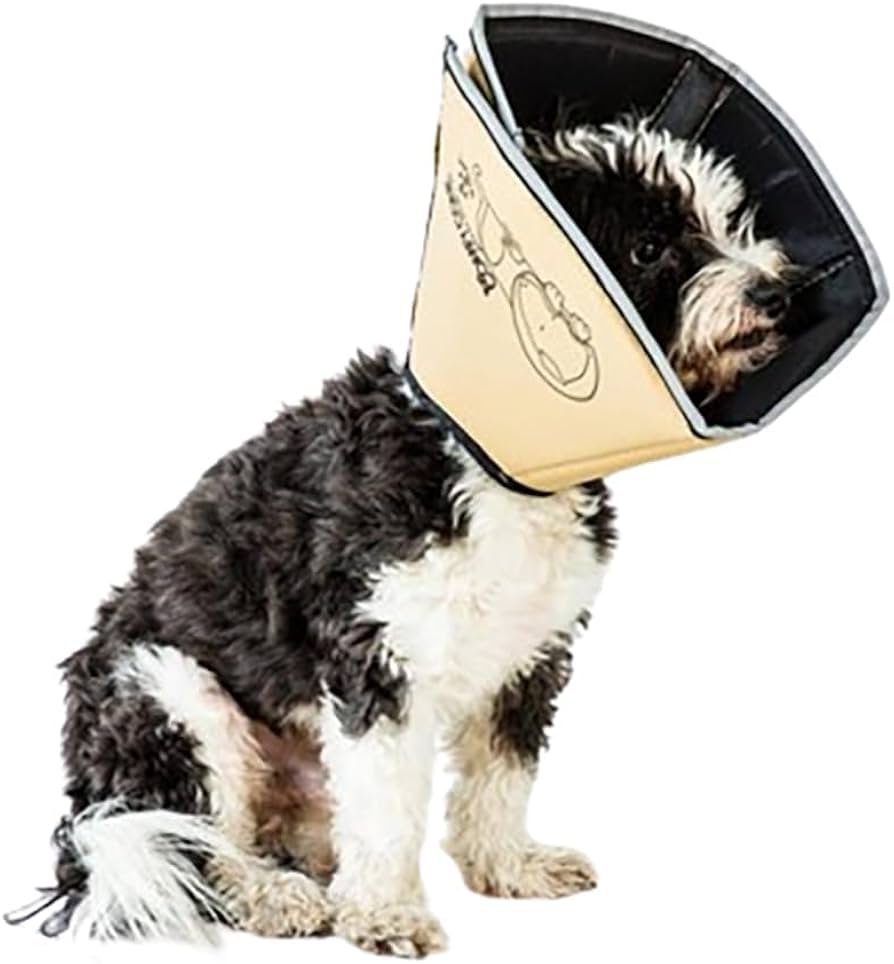
Spaying and neutering are central to preventing any unwanted sexual behavior between dogs and cats. While interspecies pregnancy is impossible, unaltered animals may still attempt mounting, which can lead to stress, injury, or fights.
Veterinarians generally recommend:
- Spaying female cats and dogs before the first or second heat to greatly reduce hormone-driven behavior and health risks such as pyometra and some cancers.
- Neutering male cats and dogs to decrease roaming, territorial aggression, and repeated attempts to mount other pets, including other species.
Surgery alone is not enough. Responsible supervision remains essential:
- Monitor interactions between pets, especially if one or both are intact.
- Interrupt mounting, chasing, or rough play calmly and redirect to toys or separate areas.
- Use baby gates, crates, or separate rooms when pets cannot be overseen.
Combining desexing with structured supervision significantly lowers the likelihood of dangerous encounters, making cohabitation safer and less stressful for both dogs and cats.
How desexing changes sexual behavior
Desexing (spaying or neutering) often reduces sexual behaviors in both dogs and cats, but does not always remove them completely.
In many animals, hormone-driven actions such as mounting, roaming to find mates, and vocalizing in heat become less frequent after surgery. This can lower the chances of a dog attempting to mate with a cat, or vice versa, simply because the animal has less hormonal drive.
However, some behaviors are learned habits rather than purely hormonal. After desexing, a dog or cat may still mount other animals, toys, or people as a form of play or excitement, show dominance-related mounting toward other pets, or display curiosity around the genital area of other animals.
Because of this, desexing supports safety but does not guarantee it. Owners should still supervise dog–cat interactions, especially if size differences are large or if one animal is nervous.
Safe introductions and daily routines
Safe co-living starts long before a dog and cat meet face to face. Each animal needs a secure space where the other cannot intrude.
Provide separate rooms or gated areas, especially during the first weeks. Feed dogs and cats in different locations to avoid food guarding. Offer multiple litter boxes that the dog cannot access. Use baby gates, high shelves, or cat trees so the cat can retreat easily.
Initial interactions should be controlled and brief. Start with closed-door meetings, allowing each animal to smell and hear the other. Progress to visual contact through a baby gate or crate, rewarding calm behavior from both sides. Move to short, leashed meetings for the dog while the cat has escape routes.
Predictable routines help reduce arousal and conflict. Key elements include supervised time together until both animals show consistently relaxed body language, separate rest areas so neither animal is disturbed during sleep, regular exercise for the dog to lower pent‑up energy, and daily play for the cat with wands or puzzle toys.
Animal welfare and safety concerns

Dog and cat mating attempts raise serious animal welfare concerns. Because real interbreeding is biologically impossible, any mounting or chasing is usually a mix of hormonal behavior, stress, confusion, or learned habits—not normal, healthy interaction.
Forced or encouraged attempts can cause:
- Physical injury: size differences, claws, and teeth can lead to bites, scratches, or internal trauma, especially for the smaller animal.
- Stress and fear: repeated unwanted mounting or harassment can create chronic anxiety, hiding, aggression, or litter-box problems.
- Behavioral fallout: animals may associate the other species with fear or pain, making peaceful cohabitation difficult.
Responsible owners should:
- Interrupt any mating-like behavior calmly and consistently.
- Provide separate safe areas and escape routes, especially for the cat.
- Use spaying/neutering to reduce sexual drive and frustration.
- Monitor body language for early signs of stress, such as tail swishing, ears flattening, or growling.
Protecting animal welfare means ensuring interactions remain voluntary, calm, and respectful of species differences, rather than allowing or staging situations that put either animal at risk.
Cruelty laws and ethical considerations
Many readers wonder not only whether dog and cat mating is biologically possible, but also whether it is legal or ethical to encourage or allow attempts.
In many regions, animal cruelty laws prohibit actions that cause unnecessary pain, stress, or risk of injury to animals. Forcing or arranging a dog and cat to attempt mating can fall under:
- Intentional cruelty, if owners knowingly create a situation that is frightening or physically harmful.
- Neglect, if animals are left unsupervised in unsafe conditions where fighting or injury is likely.
Some jurisdictions also have specific regulations against using animals for entertainment or social media content when suffering or distress is involved. Recording or sharing videos of a dog and cat attempting to mate for "views" may attract legal scrutiny as well as public backlash.
From an ethical standpoint, responsible pet guardianship requires:
- Respecting species-specific needs and boundaries.
- Preventing avoidable fear, injury, or reproductive stress.
- Choosing humane, science-based care instead of satisfying curiosity.
Even where no explicit law mentions cross-species mating attempts, deliberately encouraging them is widely regarded as unethical and contrary to modern animal welfare standards.
Teaching safe interactions
Safe interactions between dogs and cats must be taught and supervised, especially when one or both animals are intact.
Owners can reduce risk and stress by focusing on:
- Supervision: Never leave an in-heat cat or dog alone with a sexually mature animal of the other species. Interrupt mounting, chasing, or pinning immediately and calmly.
- Body language awareness: Learn signs of fear or agitation, such as flattened ears, tail tucked, hissing, growling, stiff posture, or intense staring, and separate animals when these signs appear.
- Controlled introductions: Use baby gates, crates, or leashes so dog and cat can see and smell each other without full physical contact. Increase access gradually only if both stay relaxed.
- Training for the dog: Teach and reinforce cues such as "leave it," "stay," and recall. Reward the dog for calm behavior around the cat and for ignoring the cat's movements.
- Safe retreat for the cat: Provide high perches, shelves, or separate rooms where the dog cannot follow, so the cat can escape unwanted attention.
Consistently redirecting inappropriate behavior and offering positive reinforcement for calm, respectful interactions helps prevent any attempts at mating and keeps both animals safer.
When to consult professionals

Consulting professionals is essential whenever there is a risk of forced or unwanted interaction between a dog and a cat, especially around mating behaviors.
Contact a veterinarian or qualified behaviorist promptly if:
- A dog persistently mounts or chases a cat, even after redirection
- The cat shows intense fear, hiding, or aggressive defense (hissing, swatting, biting)
- Either pet has injured the other or drawn blood
- There are signs of genital injury, swelling, or pain in either animal
- One or both pets are not spayed or neutered and are difficult to separate
Professional input is also recommended when integrating a new pet into a home where the other animal is intact. A veterinarian can:
- Advise on spaying and neutering to reduce hormonal drive and mounting
- Check for reproductive or urinary tract problems caused by rough contact
- Refer to a certified behavior professional for a structured behavior plan
Emergency veterinary care is needed immediately if there is severe bleeding, limping, difficulty urinating, or extreme distress after a dog-cat encounter.
Warning signs your pets need help
Certain behaviors suggest a serious risk of injury or escalating conflict between a dog and cat.
Watch for:
- Persistent chasing or stalking, especially when the cat cannot escape
- Dog lunging, snapping, or grabbing at the cat's neck or hindquarters
- Cat repeatedly hissing, growling, or swatting with claws out
- One pet cornering or pinning the other, even in apparent "play"
- Sudden change from calm to explosive aggression when they meet
- Obsessive fixation on the other pet (staring, whining, pacing at barriers)
Any attempt by a dog to mount a cat or pin the cat's hind end can quickly turn dangerous. Such behavior is not true mating; it is usually misplaced sexual or dominance behavior and can lead to bites, scratches, or serious trauma.
How professionals assess multi‑species conflicts
Professionals such as veterinarians, certified behaviorists, and qualified trainers start by separating emotion from observation. Instead of focusing on who is "to blame," they look at what each animal is doing and why.
Key elements of a professional assessment usually include:
- History taking – Ages, medical issues, past trauma, how introductions were handled, and the exact situations in which conflict occurs.
- Body‑language analysis – Tail, ears, pupils, posture, vocalizations, and subtle signals such as lip‑licking or freezing, viewed in slow motion if needed.
- Environment review – Layout of the home, escape routes, litter box and food locations, hiding places, and any competition hotspots.
- Trigger identification – Pinpointing patterns: conflict around doors, laps, food bowls, toys, or when one pet is overexcited.
- Risk evaluation – Size difference, bite history, injury severity, and whether predatory behavior toward the smaller animal is present.
Based on these findings, professionals create a structured plan that may include medical checks, controlled separation, behavior modification, and strict management to keep both the dog and the cat safe while progress is monitored.
Living peacefully with dogs and cats

Living peacefully with both dogs and cats is less about luck and more about careful management and consistent routines.
Successful households usually focus on three pillars:
- Controlled introductions: New pets should meet gradually, through a barrier at first (such as a baby gate or cracked door). Short, calm sessions reduce fear and prevent chasing.
- Respect for species differences: Dogs often want to play by chasing, while cats value personal space and vertical escape routes. Guardians should interrupt staring, stalking, or chasing early, before tension escalates.
- Predictable routines: Regular feeding times, walks, and play sessions lower stress for both animals and reduce competition.
Clear supervision is essential, especially during the first weeks or months. Signs of peace include relaxed body language, loose tails, and voluntary proximity without tension. In contrast, stiff posture, dilated pupils, growling, or hissing indicate that more distance and structure are needed.
Over time, many dogs and cats can learn to coexist comfortably—some even become close companions. The priority is safety: preventing rehearsed aggression keeps both species secure while trust slowly develops.
Setting up your home for both pets
A shared home can be comfortable for both dogs and cats when spaces, resources, and routines are planned in advance. The goal is to minimize conflict and stress, which also helps reduce mating or mounting attempts between species.
Cats usually feel safer when they can move up and away. Provide wall shelves, tall cat trees, or window perches, plus at least one room or area gated off for the cat only. Multiple hiding spots like covered beds, boxes, or cabinets with cut-out holes give cats security.
To prevent tension, give each species its own essentials. Feed dogs and cats in different locations and on different levels when possible. Separate beds and quiet zones allow each pet to rest undisturbed. Keep litter boxes behind baby gates or in cat-only rooms.
Activities to reduce mounting behavior
Play and mental stimulation are often the most effective ways to reduce mounting behavior between dogs and cats.
A dog that is physically tired is usually less likely to fixate on mounting. Schedule daily walks appropriate to the dog's age and health, plus short training games like sit, stay, and recall to burn mental energy. Use flirt poles, fetch, or tug games away from the cat.
For cats, provide alternatives so the cat is not the only available target for attention. Short wand-toy play sessions, climbing trees or shelves, and puzzle feeders for mealtimes keep cats engaged.
When the dog starts to focus on the cat, redirect immediately to a more appropriate activity. Offer a stuffed Kong, chew, or long-lasting treat. Ask for a known cue and reward generously. Move the dog to an enrichment area with toys or a snuffle mat.
本記事では「犬と猫の交配は可能か・安全か」という疑問について解説しています。結論として、生物学的に交配は不可能であり、妊娠もしません。また、交尾行動に見える場合の理由や、ストレスやケガ、感染症など健康面でのリスクについても触れています。犬猫を一緒に飼う際の適切な距離感や避妊去勢の重要性、安全に共生させるためのポイントをわかりやすくまとめました。






![Feed your puppy softened dog food! [Feeding Tips]](https://with-my-dog.com/wp-content/uploads/2022/04/image1-150x150.jpg)
![[Dog Baths] Explaining the optimal frequency and how to bathe your dog!](https://with-my-dog.com/wp-content/uploads/2021/10/22107314_m-150x150.jpg)

![[Funny Dog & Cat Videos] Tips for Filming to Bring Out Their Charm and Make Your Dog Look Like That!](https://with-my-dog.com/wp-content/uploads/2022/04/3015452_s-150x150.jpg)

![[Detailed explanation] How much does it cost to neuter a dog? Can insurance be used?](https://with-my-dog.com/wp-content/uploads/2022/03/22930207_sのコピー-150x150.jpg)
![[Must-see for beginners] Introduction to potty training your dog. If you pay attention to these points, you'll be fine!](https://with-my-dog.com/wp-content/uploads/2022/07/image4-11-150x150.png)