
成犬のトイレトレーニングは「もう遅いのでは?」と不安に感じる飼い主も多いですが、正しい手順を踏めばやり直しは十分可能です。この記事では、家の中での粗相に悩む飼い主に向けて、成犬だからこそ効果的なハウストレーニングの進め方を7つのステップでわかりやすく解説します。愛犬との暮らしをより快適にするための実践的なポイントを、今日から取り入れられる形で紹介していきます。
Why adult dogs have potty accidents
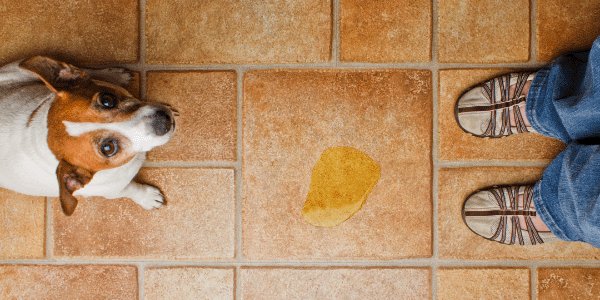
Indoor accidents in adult dogs are usually symptoms, not stubbornness or "revenge." Understanding the cause makes training faster and kinder.
Common factors include incomplete earlier training, changes in environment or routine, medical issues, anxiety and stress, limited access to outdoors, and marking behavior. Many adult dogs were never fully house trained as puppies, or the training was inconsistent.
Common reasons training fails with older dogs
Several factors make house training an adult dog more challenging, but most can be corrected with consistent, patient work.
Incomplete past training means many adult dogs were never fully trained or were allowed occasional accidents. Inconsistent routines with unpredictable feeding times and irregular walks confuse dogs about when and where to eliminate.
Lack of supervision indoors lets dogs sneak off to potty unseen, which quietly reinforces wrong behavior. Punishment-based responses often make dogs fearful of eliminating in front of people rather than teaching the correct spot.
How adult dog training differs from puppies
Adult dogs bring both advantages and challenges to house training compared with puppies.
On the positive side, most adult dogs can hold their bladder longer and have more physical control, making structured schedules highly effective. Many also understand basic household rules already, so they adapt quickly when expectations are clear.
However, adult dogs may arrive with established habits, learned confusion from inconsistent past training, anxiety or fear linked to punishment around toileting, and medical issues such as urinary tract infections.
Unlike puppies who are blank slates, adult dogs often need to unlearn old patterns before learning new ones. Effective training leans heavily on careful management, predictable routines, positive reinforcement, and veterinary checks to rule out health problems.
Step 1: Set a clear bathroom routine
A predictable bathroom schedule is the foundation of successful house training for an adult dog. Dogs thrive on routine, and consistent timing helps them understand when and where to eliminate.
Start by choosing specific times each day to go outside:
- First thing in the morning
- After meals (10-30 minutes later)
- After play sessions or exciting activities
- Before bedtime
Use the same door and walk to the same outdoor spot each time. Standing quietly and allowing enough time for the dog to sniff and relax helps create strong associations.
How often to take an adult dog outside
For most healthy adult dogs, start with trips outside every 4-6 hours during the day. However, frequency should be adjusted based on individual needs:
- Young adults (1-3 years): every 3-4 hours while re-training
- Mature adults (4-7 years): every 4-5 hours
- Seniors (8+ years): every 2-4 hours
Newly adopted or previously untrained adult dogs often need more frequent trips at first. Watch for individual signals like restlessness, sniffing the floor, or whining at the door.
Timing potty breaks around meals and sleep
Mealtimes and sleep naturally shape a dog's bathroom schedule. Most adult dogs need to eliminate shortly after eating and after waking up.
A typical routine includes:
- Potty break immediately upon waking
- Breakfast, then potty break 10-30 minutes later
- Potty break after naps
- Dinner, then potty break 10-30 minutes later
- Final potty break before bedtime
Keeping meal times consistent helps the digestive system settle into a reliable pattern. Free-feeding makes timing unpredictable and usually slows house training.
Choosing and using a regular toilet spot
Choosing a single outdoor toilet spot helps an adult dog understand exactly where elimination is allowed. The area should be quiet, easily accessible, and have consistent surface material.
Always walk the dog on-leash to the chosen location, even in a fenced yard. Use a simple routine:
1. Go straight to the toilet spot
2. Use a consistent cue like "go potty" in a calm voice
3. Wait 3-5 minutes without playing or wandering
4. When the dog eliminates, immediately praise and offer a treat
If the dog doesn't go within a few minutes, return indoors under supervision and try again shortly.
Step 2: Use close supervision indoors
Close supervision indoors prevents accidents and allows instant feedback, which is essential for house training an adult dog. Until reliability improves, the dog should never have unsupervised freedom in the home.
Use the following strategies:
- Leash tethering: Attach the leash to the owner’s belt or a nearby piece of furniture so the dog stays within a few feet. This makes it easy to notice restlessness or sniffing.
- Room confinement: Keep the dog in the same room as the owner with baby gates or closed doors. Avoid letting the dog wander down hallways or into empty rooms.
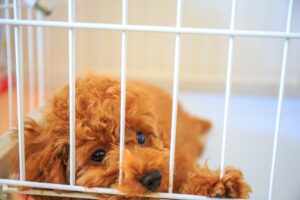
- Crate or pen when not watched: If no one can watch the dog closely, use a crate or small exercise pen for short periods. This prevents secret accidents behind furniture or in corners.
- Structured freedom: Gradually increase freedom only after several days with no indoor accidents.
Consistent supervision allows the owner to interrupt any pre-accident behavior calmly and guide the dog immediately to the chosen toilet spot, reinforcing the correct habit instead of accidental indoor elimination.
Watching for early signs they need to go
Adult dogs often give subtle signals before having an accident. Learning to spot these early signs allows the owner to respond quickly and guide the dog outside.
Common signs an adult dog needs to go include:
- Sudden restlessness after being calm
- Circling or pacing in a small area
- Sniffing the floor, especially along walls or furniture
- Heading toward doors, windows, or previous accident spots
- Whining, staring, or pawing at the owner
- Disappearing to another room or behind furniture
When any of these behaviors appear, the owner should calmly say a cue word such as “outside,” attach the leash if used indoors, and take the dog directly to the designated potty area.
Tracking patterns to predict potty times
Beyond moment‑to‑moment signals, many adult dogs follow predictable patterns. Owners can:
- Note what time the dog eats, drinks, wakes up, and finishes play
- Record when the dog actually eliminates
After a few days, a pattern usually emerges. Anticipating those times and proactively taking the dog out reduces accidents and speeds up house training.
Leash and umbilical training at home
Leash and umbilical training keep an adult dog close enough indoors to prevent silent wandering and accidents. The goal is to limit unsupervised freedom until reliable house habits form.
How to set up umbilical training
Umbilical training means attaching the dog to a secure belt, waist leash, or sturdy furniture in the room where someone is present.
- Clip a 4–6 ft leash to the dog’s harness (safer than a collar for long periods).
- Attach the other end to a person or a fixed point near where people work or relax.
- Provide a bed or mat, a chew, and water within easy reach.
The dog stays in sight, making it easier to notice early signs of needing to go and to interrupt any sniffing for a potty spot.
When and how to use leash supervision
When not tethered, the dog should still be on leash indoors, guided from room to room rather than roaming.
- Use the leash to gently prevent wandering down halls or into empty rooms.
- Keep the dog near high-traffic areas so signals like circling or heading to the door are spotted quickly.
- Pair leash time with potty breaks: go outside on leash every 1–2 hours, then return indoors still attached.
Over time, as the dog consistently stays clean indoors, supervised leash use can gradually be reduced.
What to do the second you see squatting
The instant squatting is spotted indoors, timing matters more than anything else. Interrupting mid-squat teaches the dog that the location is wrong, not that elimination itself is forbidden.
-
Interrupt calmly but clearly. Use a brief sound, such as “Ah-ah,” and immediately move the dog. Avoid yelling or rushing aggressively, which can create fear or teach the dog to sneak off and hide.
-
Guide straight to the toilet area. Clip on the leash if available and walk the dog directly outdoors to the designated potty spot or to indoor pads, if that is the chosen area.
-
Stand still and wait. Give a short potty cue (for example, “go potty”) and remain boring and quiet. Allow several minutes for the dog to finish relieving.
-
Reward generously for finishing in the right place. As soon as elimination happens in the correct area, give high-value treats and calm praise. This clear contrast helps the dog understand where to go.
-
Clean up indoors silently. After the dog is settled elsewhere, clean the indoor accident with an enzymatic cleaner. Avoid scolding during or after cleanup, because the dog will not connect delayed punishment to the earlier squatting.
Step 3: Confine smartly when you cannot watch

Confinement is not a punishment; it is a management tool that prevents accidents and protects the house-training routine when direct supervision is not possible.
Choose a small, easy‑to-clean area where the dog is unlikely to relax and eliminate in the same spot, such as:
- A bathroom or laundry room with a gate
- A puppy playpen or exercise pen
- A crate (introduced gradually and paired with positive experiences)
The confinement area should contain:
- A comfortable bed or mat in one section
- Water in a non‑spill bowl
- Safe chew toys or food‑dispensing toys for mental enrichment
Before confinement, always:
- Take the dog outside to the designated toilet area.
- Give a few minutes for sniffing and elimination.
- Reward generously for any outdoor toilet behavior.
Limit each confinement period to a realistic amount of time based on the dog's bladder capacity and schedule regular breaks. Consistent, smart confinement prevents rehearsal of indoor accidents and accelerates learning.
Crate training an adult dog safely
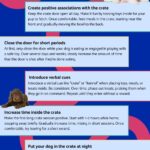
Crate training can be extremely helpful for house training an adult dog, but it must be introduced carefully so the dog feels secure, not trapped.
The crate should be just large enough for the dog to stand up, turn around, and lie down comfortably, but not spacious enough to create a sleeping area and a toilet area. Add soft bedding and a safe chew toy so the crate feels like a den, not a punishment.
Introduce the crate gradually:
- Feed meals near, then inside, the open crate.
- Toss treats inside and allow the dog to enter and exit freely.
- Once the dog goes in willingly, briefly close the door while offering a long-lasting chew.
- Build up crate time in short sessions, adding only a few minutes at a time.
Never use the crate for punishment or leave an adult dog crated longer than it can comfortably hold urine. As a guide, most healthy adult dogs cope with 4–6 hours during the day, less for newly adopted or previously neglected dogs.
Using pens, baby gates, and small rooms
Pens, baby gates, and small rooms can offer flexible alternatives or supplements to crate training, especially for adult dogs that feel anxious in enclosed crates.
Use barriers to create a clearly defined "dog zone" where accidents are easy to clean and access to problem areas is blocked. Good locations include:
- A laundry room or bathroom
- A sectioned‑off part of the kitchen
- A sturdy exercise pen in a quiet corner
Inside the space, provide a comfortable bed, water bowl, and safe chew toys. The area should be just large enough to lie down and turn around, but not so big that one corner becomes a toilet.
Balancing confinement with enough freedom
A successful house training plan gives an adult dog just enough freedom to stay relaxed, but not so much that accidents go unnoticed.
Aim for a structure where the dog is in one of three clear states:
- Supervised freedom: Loose in the home while someone is actively watching
- Short, calm confinement: In a crate, pen, or small room with comfort items
- Outdoor potty time and walks: On a schedule with clear elimination opportunities
Problems usually appear when an adult dog has unsupervised freedom in too large an area. Gradually increase access to new rooms only after several accident‑free days, and watch for signs of stress in confinement.
Step 4: Reward the right potty habits

Rewarding correct potty behavior teaches an adult dog what to repeat, not just what to avoid. Every successful trip outside should feel clearly "worth it" to the dog.
Right after the dog finishes eliminating in the correct spot, provide a high-value reward. For many dogs, this means a small, tasty treat, calm verbal praise, or brief play with a favorite toy.
Consistency matters more than the size of the reward. If the dog is rewarded every single time for going in the right place, the connection between location, action, and outcome becomes very strong.
Using treats and praise at the right moment
Timing is critical for effective rewards. A treat or verbal praise should come within 1–2 seconds of the dog finishing in the correct spot. Waiting until the dog comes back indoors often causes confusion, because the dog may link the reward to coming inside rather than to eliminating outdoors.
A simple routine helps clarify the message: take the dog to the chosen potty area on a leash, stay quiet and neutral while the dog searches, then the moment the dog finishes, calmly say a short cue such as "Yes" or "Good potty" and immediately offer a small, high-value treat.
Why punishment backfires with accidents
Punishing an adult dog for indoor accidents often intensifies house training problems instead of solving them. A dog that is scolded or yelled at may only learn that the owner is unsafe around urine or stool, not that the toilet area is outside.
Fear-based responses can lead to sneaking off to hidden corners to eliminate, increased anxiety which can trigger more accidents, and submissive urination when greeted. Dogs associate consequences with what happened in the last few seconds, so punishment for discovered accidents creates confusion rather than learning.
Teaching a potty cue word or phrase
A consistent potty cue word helps an adult dog understand exactly what is expected when taken to the bathroom spot. Choose a short, calm phrase such as "Go potty" or "Do your business" and use the same words every time.
Say the cue once in a neutral voice as the dog starts to eliminate, not before. When the dog finishes, immediately reward with high-value treats and gentle praise. This trains the association between the cue and the behavior, making future bathroom trips more reliable.
Step 5: Handle accidents the right way
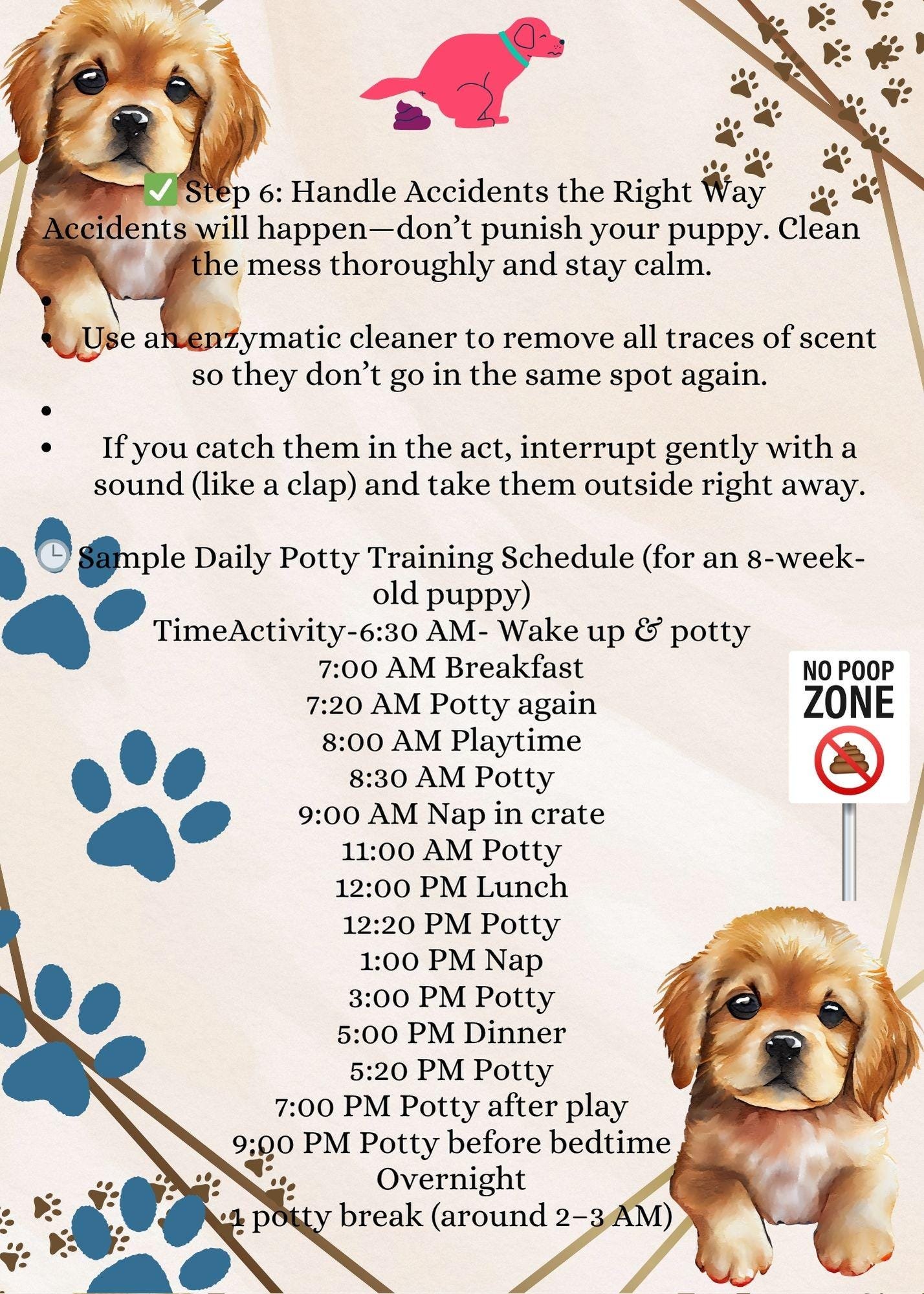
Accidents are part of house training, even for adult dogs. The goal is to manage the moment so the dog learns the right habit instead of becoming fearful.
When an accident is caught in progress:
- Interrupt calmly with a neutral sound (such as "ah-ah"), not yelling.
- Guide the dog quickly and gently to the designated potty area.
- Give the potty cue word, wait silently, and praise or reward if the dog finishes there.
If an accident is found afterward:
- Do not punish, scold, or rub the dog's nose in the mess. The dog will not connect the punishment with the earlier action.
- Redirect quietly to a different area while the mess is cleaned up.
- Review the routine: more frequent potty breaks, closer supervision, or using a crate or leash indoors may be necessary.
Consistent, low-drama responses prevent anxiety and protect the bond with the dog. Over time, calm redirection and clear routines teach the dog where toileting is always expected to happen.
Cleaning urine and odor so they do not return
Even a small amount of remaining urine can encourage an adult dog to toilet in the same spot again. Dogs rely heavily on scent, so surfaces that look clean to humans may still smell strongly to a dog.
Thorough cleaning removes both visible stains and invisible odor molecules, breaking the cycle of repeat accidents and supporting the new house training routine.
For fresh accidents, blot up as much liquid as possible with paper towels, avoiding rubbing. Rinse with cool water, then apply an enzymatic cleaner designed for pet urine following label directions. Allow the area to air-dry completely.
For old stains, locate all soiled areas using a UV blacklight if needed. Saturate with enzymatic cleaner so it reaches padding or grout, letting it sit for the full recommended time. Avoid steam cleaners or ammonia-based products, which can set stains or intensify urine odor for dogs.
Resetting the routine after a setback
After an accident, an adult dog often benefits from a temporary reset that looks very similar to puppy training. Shorten the freedom and tighten the routine so the dog has fewer chances to fail and more chances to succeed.
Return to basics by supervising closely whenever the dog is not confined, using a crate or pen when active supervision is not possible, and taking the dog to the designated potty spot every 2–3 hours. Praise and reward generously for every successful potty outside.
A setback often reveals that something in the routine no longer fits the dog's needs. Adjust water and meal timing, ensure a final trip outside right before bedtime, and reduce alone time before gradually increasing it. Keeping a simple log for a week can highlight patterns and guide realistic expectations.
When frequent accidents signal a vet visit
Frequent accidents can indicate more than a training gap, especially in an adult dog that suddenly starts urinating or defecating indoors. A veterinary check is recommended for sudden changes in house training, increased urination, straining or blood, strong odor or diarrhea in stool, excessive drinking, or visible discomfort.
Common medical issues that can mimic training problems include urinary tract infections, bladder stones, diabetes, and arthritis that makes going outside difficult.
If any red flags appear, pause strict correction and focus on management: more outdoor breaks, easy access to the yard, and quick clean-up. Follow the veterinarian's treatment plan, then return to structured house training once the dog is comfortable.
Step 6: Plan for nights, work days, and travel
Planning ahead for nights, long work days, and travel prevents setbacks in house training and keeps routines consistent.
Nighttime schedules and realistic hold times
Most adult dogs can sleep longer at night than they can wait during the day, but newly re‑trained dogs often need structured support.
Even a healthy adult dog has limits during house training. Age, size, health, and past habits all affect bladder control, so expectations need to be realistic.
As a general guide for daytime:
- Young adults (1–2 years): about 4–6 hours
- Mature adults (3–7 years): about 4–6 hours, sometimes up to 8 with solid training
- Senior dogs (8+ years): often 3–4 hours, sometimes less
Small breeds and dogs with medical issues typically need more frequent breaks.
A practical nighttime plan might include:
- Cut off water about 2 hours before bed (unless a veterinarian advises otherwise).
- Last potty break right before everyone goes to sleep, to an established outdoor potty spot.
- Set an alarm for a midpoint potty trip if accidents are happening (for example, 6–7 hours after bedtime).
- Keep night trips boring: no play, minimal talk, straight out, potty cue, praise, and back to bed.
If accidents persist despite a reasonable schedule, a veterinary check is recommended to rule out urinary or gastrointestinal problems.
Managing potty breaks while you are at work
A full workday can be too long for an adult dog that is still learning reliable house manners. Planning ahead prevents accidents from undoing training.
Most adult dogs can comfortably hold urine for 4–6 hours during the day once they understand the routine. Until the dog is fully house trained, aim to limit alone time to that window.
For longer shifts, combine several strategies:
- Schedule a long potty walk right before leaving
- Offer a short walk and bathroom break as soon as someone returns home
- Use a secure confinement area (exercise pen, gated room, or crate) where accidents are less likely
- Leave interactive but safe chew toys to reduce stress and boredom
If an eight- to ten-hour workday is unavoidable, expect setbacks without help. In that case, arrange for a midday break from a trusted person or service. Until outside help is in place, consider adjusting start and end times, working from home part-time, or taking lunch at home when possible.
Options for dog walkers, sitters, and daycare
When consistent potty breaks are not possible due to work or travel, outside help can prevent accidents and confusion for an adult dog.
Common options include:
- Dog walkers – Ideal for dogs that are comfortable at home but need reliable mid-day breaks. A walker can follow the house-training schedule, reinforce cue words, and reward outdoor potty trips.
- Pet sitters (drop-in or in-home) – Drop-in visits suit dogs that cope well alone but need brief company and toilet breaks. In-home sitters are useful for newly adopted or anxious dogs that benefit from constant supervision and a strict routine.
- Dog daycare – Best for social, vaccinated dogs that enjoy activity. Many daycares can take the dog out on a schedule, but owners should confirm how often outdoor potty breaks occur and where the dog eliminates.
Owners should provide clear written instructions about cue words, reward types, feeding times, and any current house-training rules. Consistency between home, walker, sitter, and daycare greatly increases the chances of successful house training.
Step 7: Gradually give more freedom at home

Once an adult dog has stayed clean in a confined area for several days or weeks, the safe space can be expanded in small, predictable steps. Start by allowing access to one additional area while actively supervising.
If the dog shows signs of needing to go outside (going to the door, sniffing and circling, or sudden restlessness), take them outside immediately. Every successful trip outdoors should be followed by calm, consistent praise and a small reward.
If an accident occurs in a newly permitted area, the freedom level has likely increased too quickly. The dog should return to a smaller space, and the owner should tighten the schedule for potty breaks.
Expanding their space room by room
Once the dog stays consistently clean in the original confinement space, open access to just one new room. Keep doors or baby gates closed to the rest of the home.
Before giving access, take the dog out to the toilet area and reward for eliminating. Remove or restrict access to absorbent items like rugs, piles of laundry, or dog beds in the new room. Supervise closely, using a leash or long line if needed.
A simple progression includes: crate or pen only until reliable, then crate/pen plus one room with supervised access, followed by crate/pen plus two rooms when the first added room stays clean. Eventually progress to half the home for dogs that consistently signal, and finally full access only after several weeks with no indoor accidents.
How long to continue supervision and rewards
Supervision and rewards should continue well past the first few dry days. Most adult dogs need several weeks of consistent practice before house habits truly stick.
Maintain close supervision (dog on leash with the owner, in the same room, or confined when unsupervised) for at least 3–4 weeks after the last accident. Continue high-value rewards for outdoor toileting for 4–6 weeks, then gradually taper to intermittent praise and treats.
If any accident occurs, return to a stricter supervision level for 7–10 days and resume frequent rewards for outdoor success. Consistency over time is more important than speed.
Signs your dog is reliably potty trained
A dog is reliably house trained when accidents are extremely rare and have a clear, unusual cause like illness or sudden schedule changes.
Key signs include no indoor accidents for at least 4–6 weeks under normal routines, staying clean in a crate or confined area for the full workday or overnight, and going promptly when taken to the toilet area instead of wandering or playing.
Additionally, the dog should clearly signal the need to go out (sitting by the door, pacing, whining, or ringing a bell), hold urine and stool between scheduled breaks appropriate for age and health, and remain dry and clean in new rooms once given access.
Special cases: rescue, shelter, and mill dogs
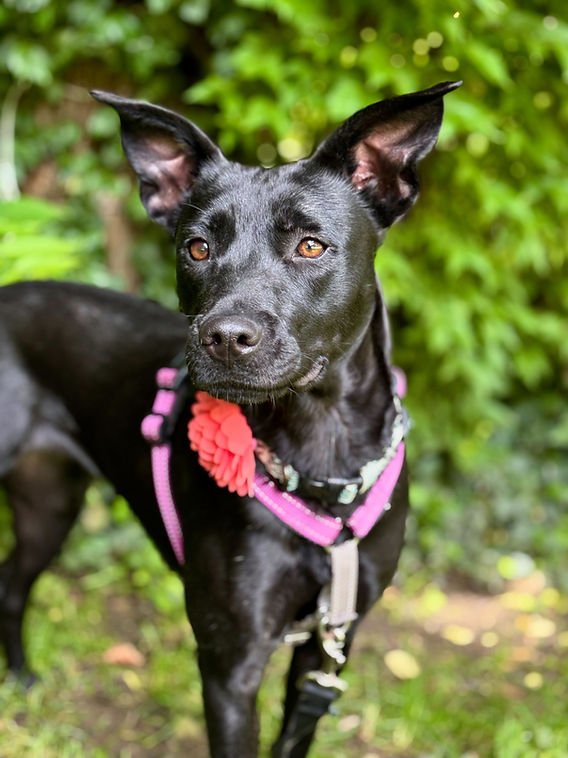
Dogs used to living outdoors or in kennels
Adult dogs that have lived outdoors or in kennel runs often have no idea that humans expect elimination to happen only outside and away from living areas. Many have learned to go wherever they are, especially if concrete or gravel runs are regularly hosed down.
The first goal is to reset the dog's understanding of "indoors":
- Limit access initially to one or two easy‑to-clean rooms
- Use baby gates or exercise pens to prevent wandering and unsupervised accidents
- Provide a comfortable bed, toys, and regular human interaction so the dog learns that indoors is a resting and bonding space
Outdoor- or kennel-raised dogs also need more frequent potty breaks at first, because they are used to constant outdoor access. A good starting schedule includes first thing in the morning, after meals and play, after naps, and before bed.
Helping fearful or shut down adult dogs
Fearful or shut down adult dogs may understand house training concepts but feel too anxious to use them reliably. The priority is creating a sense of safety so the dog can relax enough to learn.
Begin by limiting the dog to a small, quiet area of the home with easy-to-clean flooring and a comfortable bed. Keep the routine extremely predictable: same feeding times, same potty spot, and the same calm route to and from the door.
Use a very gentle approach by moving slowly, speaking in a soft voice, and pairing going outdoors with high-value treats. If the dog freezes or refuses to walk, do not drag or force movement. Instead, shorten the distance to the potty area and gradually build confidence with short, successful trips.
Supporting dogs from puppy mills or hoarding
Adult dogs from puppy mills or hoarding situations often arrive with serious gaps in early socialization. Many have never lived in a home, walked on different surfaces, or had a consistent place to toilet. Some may have been forced to soil where they slept, which can confuse normal instincts.
Common issues include extreme fear of humans, freezing or frantic behavior, poor bladder control from confinement, and soiling in crates or beds because of past conditions. House training progress is often slower, so expectations should be adjusted accordingly.
For dogs from these backgrounds, safety and predictability are as important as routine. Create a quiet, secure space, use very gradual schedules with short trips outside, pair potty breaks with high-value rewards, and avoid punishment completely. Consult a veterinary behaviorist if progress stalls or fear is severe.
Health and age issues that affect potty habits
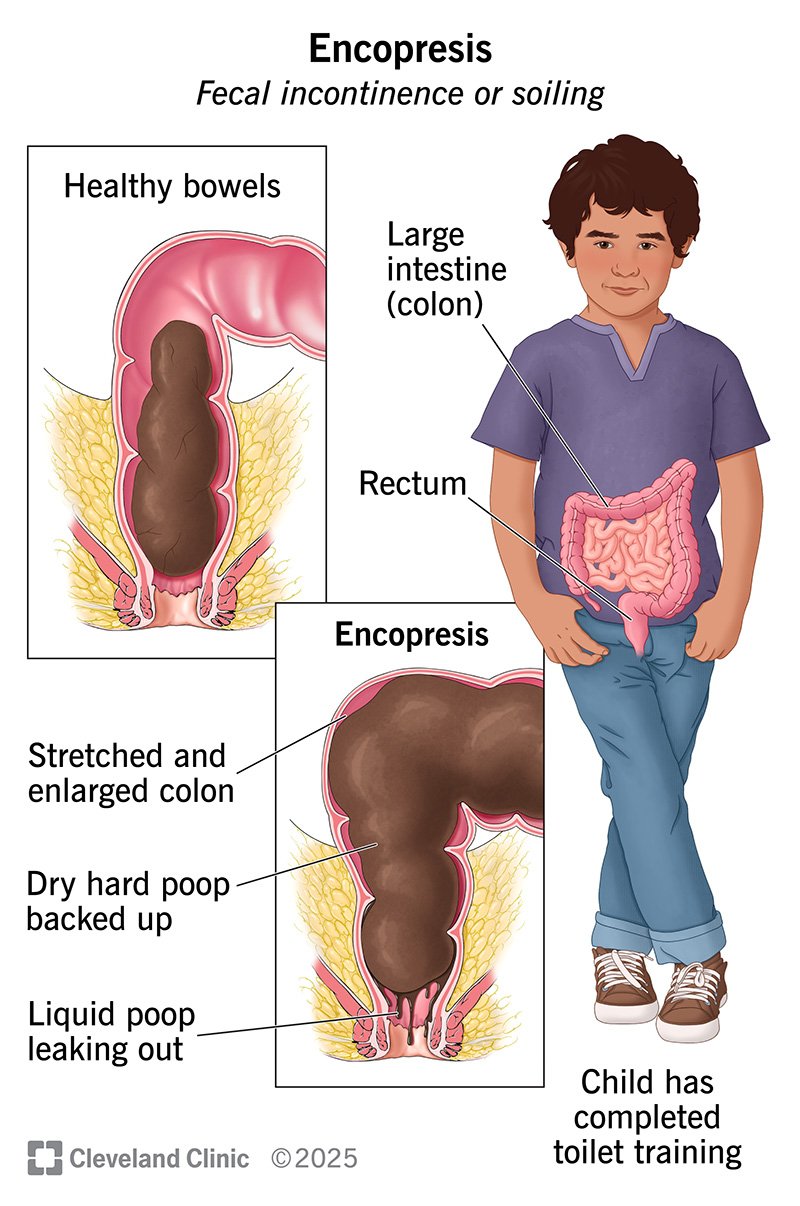
Age and health significantly influence an adult dog's potty habits. Before labeling accidents as a training failure, it is important to consider whether the dog's body can realistically meet the household's expectations.
Medical problems that mimic training issues
Several medical conditions can look like stubborn house-training problems, even in an adult dog that tries to do the right thing.
Common issues that may mimic training setbacks include:
- Urinary tract infections (UTIs): Frequent, urgent urination, small puddles in the house, licking the genital area, or visible discomfort while peeing.
- Bladder stones or crystals: Straining, blood in the urine, or dribbling can cause accidents that are not behavioral.
- Diabetes or Cushing's disease: Increased thirst and urination may overwhelm a dog's usual control.
- Kidney or liver disease: Changes in urine volume, frequency, or overall energy often show up as new indoor accidents.
- Neurological problems or spinal pain: Difficulty getting up, moving, or squatting can lead to "can't hold it" situations.
- Gastrointestinal disorders: Sudden diarrhea, loose stools, or urgent bowel movements can resemble poor potty manners.
Any adult dog that suddenly starts having accidents, strains to eliminate, seems unusually thirsty, or appears uncomfortable should see a veterinarian. Ruling out or treating underlying illness is essential before adjusting a training plan or assuming a behavioral problem.
Senior dogs and incontinence challenges
Senior dogs often face potty accidents that are not purely training issues but are linked to age-related changes. Bladder muscles can weaken, cognitive decline can affect learned habits, and mobility problems may make it difficult to reach the designated potty area in time.
Common incontinence-related challenges in senior dogs include:
- Leaking urine while sleeping or resting
- Dribbling urine when standing up or walking
- Seeming unaware of accidents
- Increased urgency or frequency of urination
For older dogs, effective house training usually requires a combination of medical management and environmental adjustments:
- Schedule more frequent potty breaks, especially after naps and meals.
- Keep potty areas easy to access; limit stairs if joints are painful.
- Use waterproof mattress covers, washable rugs, or pee pads in high-risk zones.
- Provide non-slip flooring so the dog can move quickly and safely.
In some cases, veterinarians may prescribe medications or supplements to help control incontinence. When accidents happen, caregivers should remain calm and avoid punishment; senior dogs are often physically unable to control their bladder fully, and criticism can create anxiety that actually worsens indoor soiling.
Common myths about adult dog potty training
Many owners delay training because of myths about adult dogs and potty habits. Clearing up these misunderstandings makes the process less frustrating.
Common myths include:
- "Adult dogs can't be house trained." Healthy adult dogs can learn reliable potty habits at almost any age. Medical issues may complicate training, but age alone is not a barrier.
- "A dog who had accidents before will always have them." Past neglect, frequent rehoming, or poor early training do not permanently "ruin" a dog. Consistent schedules and clear routines usually lead to steady improvement.
- "Punishing accidents speeds up learning." Scolding, rubbing a nose in urine, or yelling only creates anxiety. Anxious dogs may hide to eliminate, making accidents harder to prevent and address.
- "Crates are cruel." When sized and introduced correctly, a crate is often a safe, den‑like space that supports bladder control and supervision. Problems arise from overuse or using the crate as punishment.
- "Some breeds simply can't be house trained." Small or toy breeds may take longer because of smaller bladders and environmental factors, but they are fully capable of learning when given an appropriate plan.
Replacing myths with realistic expectations helps owners stay calm, patient, and consistent—key ingredients for successful adult dog potty training.
The truth about dogs that look guilty
Many owners assume a dog that looks guilty after an accident understands what went wrong. In reality, the "guilty look" is usually a mix of stress and appeasement signals.
Dogs offer these behaviors to calm an upset human, not because they feel moral guilt about urinating indoors. Research has shown that dogs display the same expression even when they are not the one who made the mess, as long as the owner appears angry.
For house training an adult dog, this has two important implications:
- Scolding after the fact does not teach toilet rules. The dog learns only that the owner is unpredictable around puddles on the floor.
- Catching a dog in the act and calmly redirecting works far better. Interrupt gently, lead the dog outside, and reward heavily for finishing in the correct spot.
Understanding that the "guilty look" is actually anxiety helps owners focus on consistent management, timely rewards, and a calm response.
Breed myths about being impossible to train
Breed labels often get blamed when an adult dog struggles with house training. Owners may hear that hounds are stubborn, toy breeds cannot be fully house trained, or rescue mixes are impossible to fix. In reality, no breed is hardwired to fail at toileting manners.
What usually varies by breed or type is not the ability to learn, but factors that influence training:
- Size: Small dogs have tiny bladders and lose heat quickly outdoors, so they may need more frequent, shorter potty trips.
- Coat and build: Thin-coated or short-haired dogs may resist going outside in bad weather without extra support, such as coats or covered potty areas.
- History and lifestyle: Dogs from puppy mills, backyard breeders, or outdoor-only homes may simply have never learned where to toilet.
Every healthy dog can improve with:
- Frequent, predictable potty breaks
- Supervision indoors
- Reward-based reinforcement for eliminating in the right place
Blaming the breed can delay progress and create frustration. Focusing on routine, management, and clear feedback gives even a "notoriously hard" breed a fair chance to succeed.
Why long holding at night does not equal day
Nighttime bladder control often misleads owners into thinking an adult dog can or should last just as long during the day. In reality, the conditions are completely different.
At night a dog is:
- Asleep and mentally relaxed
- Less active, so urine production slows
- Not drinking, playing, or being stimulated
- In a dark, quiet environment with few distractions
During the day a dog is usually:
- Moving around, which stimulates the bladder
- Drinking water more often
- Excited by sounds, visitors, or outdoor sights
- More aware of discomfort and more likely to break house rules
Many dogs can sleep 7–9 hours without a break, yet still need a toilet trip every 3–5 hours when awake. Expecting identical daytime control often leads to accidents and frustration.
Sample daily schedule for an adult dog
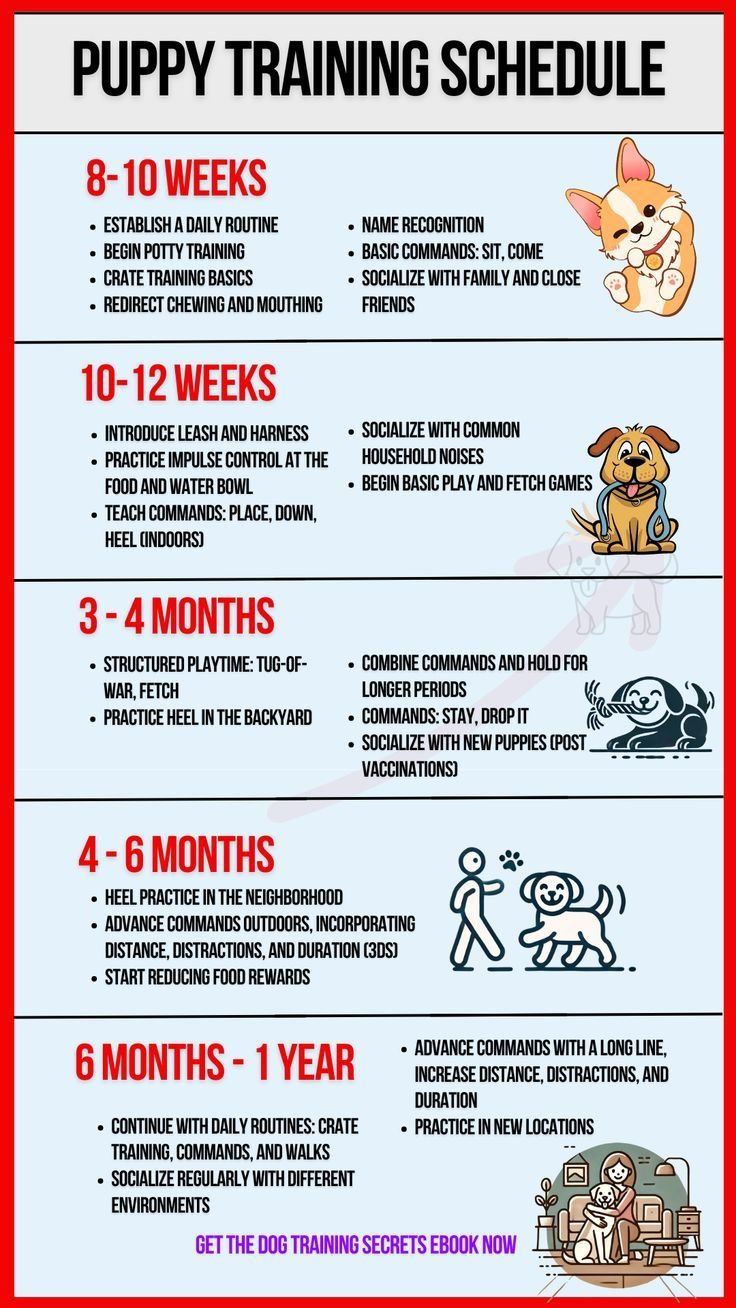
A consistent schedule helps an adult dog predict when to eliminate, which speeds up house training and reduces accidents. The exact times can shift, but the structure should stay similar every day.
A typical daily schedule might look like:
| Time | Activity |
|---|---|
| 6:30–7:00 a.m. | Wake up, immediate potty break |
| 7:00–7:30 a.m. | Breakfast, calm interaction |
| 7:30–8:00 a.m. | Potty break and short walk/play |
| 12:00–1:00 p.m. | Midday potty break and brief walk/play |
| 5:30–6:00 p.m. | Potty break, exercise walk |
| 6:00–6:30 p.m. | Dinner |
| 6:30–7:00 p.m. | Potty break after eating |
| 8:30–9:30 p.m. | Quiet time, short walk or yard potty break |
| 10:00–11:00 p.m. | Final bedtime potty break |
Between outings, the dog should be supervised, crated, or confined to a small area to prevent unsupervised accidents. Water can stay available until 2–3 hours before bedtime for most healthy adult dogs, unless a veterinarian advises otherwise.
Example weekday routine with work hours
For many owners, a typical weekday involves leaving an adult dog alone for several hours. The key is to front-load bathroom opportunities and keep the routine predictable.
A practical workday example:
- 6:30 am – Wake up, immediate potty break outside, followed by breakfast.
- 7:00 am – Short walk or play session, second potty opportunity.
- 7:45–8:00 am – Final quick potty trip before leaving for work.
- 12:00–1:00 pm – Midday potty break via dog walker, neighbor, or coming home on lunch.
- 5:30 pm – Arrival home and immediate potty trip.
- 6:00 pm – Dinner, then a calm period.
- 7:00 pm – Longer walk with at least one chance to eliminate.
- 9:30–10:30 pm – Final potty break before bed.
An adult dog that is still learning may need two breaks during the workday. If a person cannot return home, services such as dog walkers, doggy day care, or a trusted friend can provide the extra outing needed to prevent accidents.
Adjusting the plan for different lifestyles
Owners with long workdays may need to combine strategies to prevent accidents. Key adjustments include hiring a dog walker or using doggy daycare for midday potty breaks, using a safe crate when no one is home, and scheduling high-value potty trips immediately before leaving and arriving home.
Owners who are home more often can offer more frequent supervised breaks, which usually speeds up house training. Take the dog out every 1–2 hours at first, plus after meals, naps, and play. Supervise closely indoors so early signs of needing to go are not missed.
Tracking times in a simple log helps reveal the dog's natural schedule and supports more precise potty breaks for both lifestyles.
When to get professional training help
Professional support can turn a frustrating house training struggle into a clear, manageable plan. A qualified trainer or behaviorist brings objective observation, identifies patterns an owner may miss, and tailors strategies to the individual dog and home.
For many adult dogs, especially rescues or dogs with an unknown history, prior experiences, fear, or medical issues can complicate progress. In these cases, early guidance often prevents habits from becoming deeply ingrained.
Signs you need a trainer or behaviorist
Certain patterns suggest that outside support will make house training an adult dog faster, safer, and less stressful for everyone.
Consider a trainer or behaviorist if:
- Accidents stay frequent after several weeks of consistent, structured training.
- The dog urinates or defecates multiple times a day indoors, even when given ample outdoor opportunities.
- The dog shows fear, anxiety, or panic related to going outside, being confined, or being left alone.
- There is sudden house soiling in a dog that was previously reliable (after a vet has ruled out medical issues).
- The dog eats or plays with feces, or repeatedly marks vertical surfaces indoors.
- House soiling is paired with aggression, resource guarding, or intense reactivity.
- The dog shuts down, freezes, or hides when corrections or clean‑up occur, suggesting significant stress.
A certified trainer can usually address skill and routine problems. A veterinary behaviorist or certified behavior professional is more appropriate when house soiling is linked to anxiety, fear, or complex behavior issues.
How to choose a humane, science based pro
A humane, evidence-based professional focuses on kind, low-stress methods and clear communication rather than punishment. When evaluating candidates, look for:
- Formal education or certifications in positive reinforcement and behavior science (e.g., CPDT-KA, KPA-CTP, Fear Free, IAABC, AVSAB-aligned).
- Transparent training philosophy that explicitly rejects tools such as shock collars, leash jerks, and intimidation.
- Written training plans that set realistic goals for house training an adult dog and track progress.
- Clear communication style, with willingness to explain why a method works in simple, science-based terms.
Before hiring, ask about training methods, how stress is recognized and reduced, whether owners participate in sessions, and request client references. A qualified professional will welcome questions, avoid guarantees of instant results, and focus on building long-term habits rather than quick fixes.
成犬のトイレトレーニングは、正しい方法と継続的な取り組みで必ず成功します。本記事では、ルーティンの確立から段階的な自由度の拡大まで、7つの実証済みステップを詳しく解説しています。保護犬や引っ越し後の環境変化、子犬時代にうまくいかなかった犬でも、飼い主が一貫したルールと根気強さを持って取り組めば、トイレの失敗は確実に減らせるでしょう。



![[Dog Food Storage] How to store dog food](https://with-my-dog.com/wp-content/uploads/2022/09/pumpkin-hokkaido-gd74954bb8_1920-150x150.jpg)