

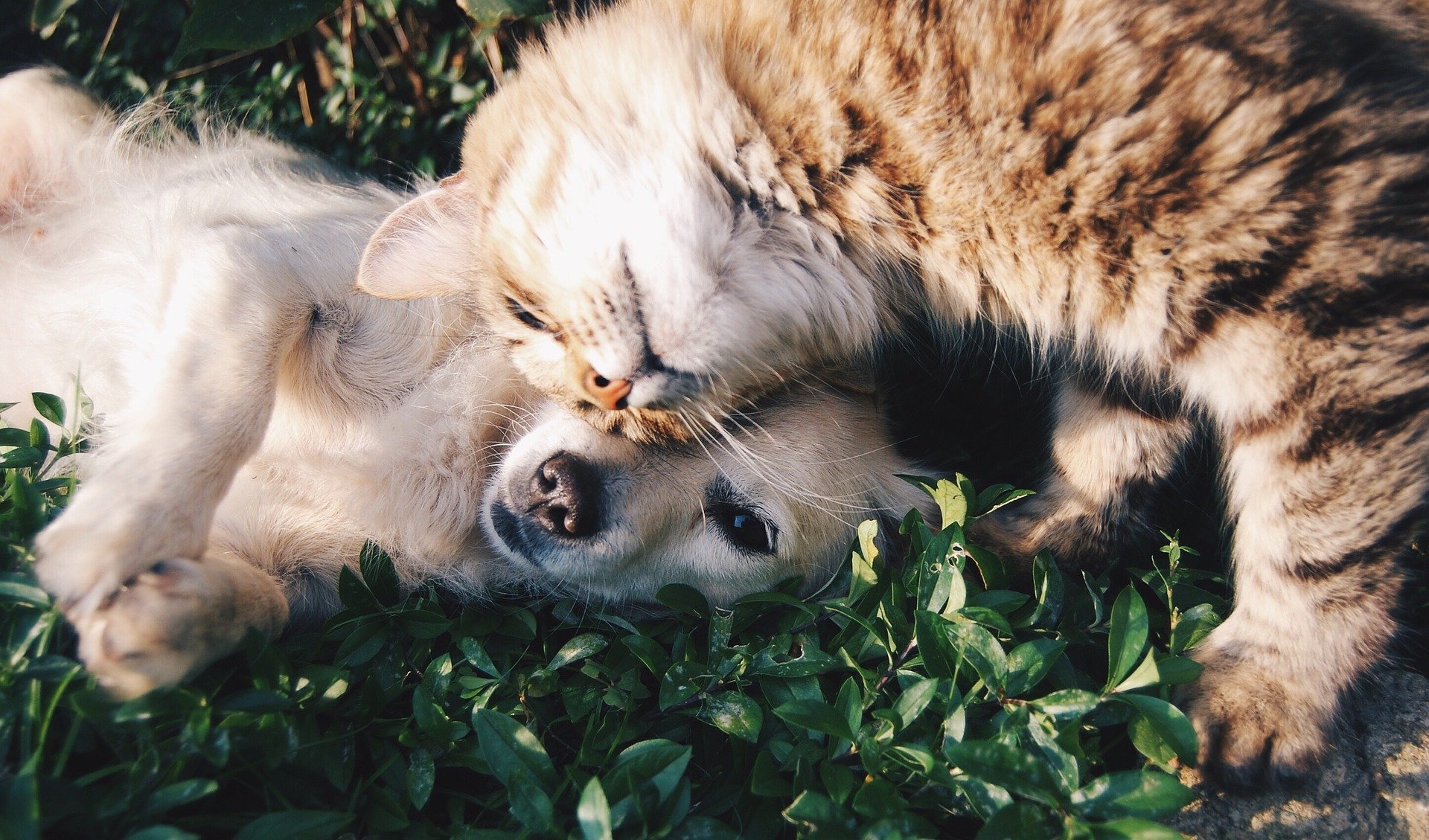
Dogs and cats are completely different species, and potentially tend to see each other as enemies. But that doesn't mean they can't get along. In fact, in many households, dogs and cats have proven to be best friends.
I want to welcome both a dog and a cat into my family, but I'm worried about whether they'll get along... I'm sure there are many owners out there who feel the same way. Or perhaps you already have both and are struggling to get along.
This article introduces tips for getting your dog and cat to live together in harmony as part of the same family. Please take a look.
Can dogs and cats get along?
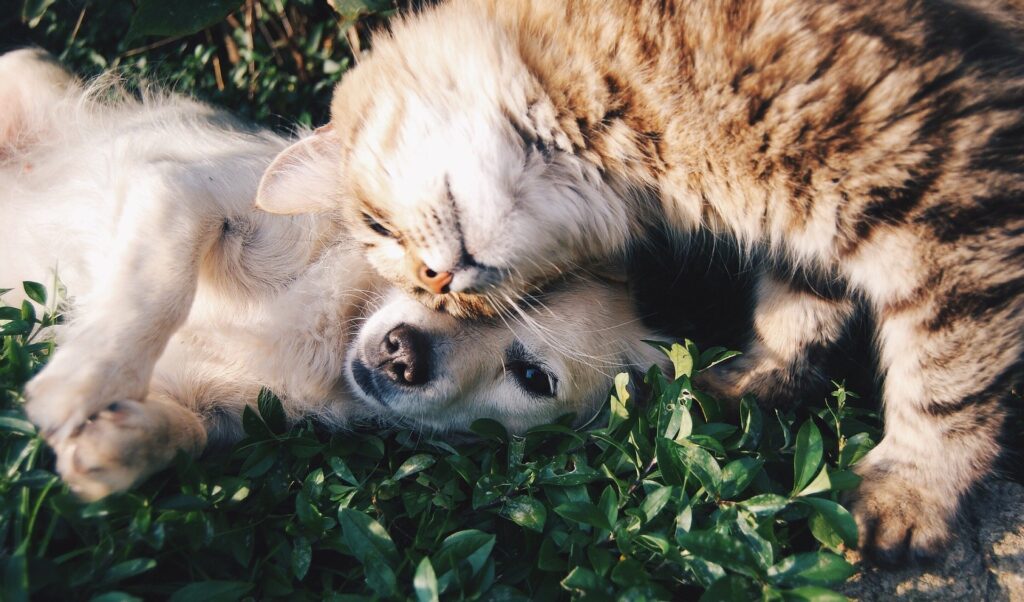
Dogs and cats are more likely to get along if they recognize each other as the same species from a young age.
Furthermore, if owners treat both dogs with equal affection, problems such as jealousy and chasing one another will be less likely. Dogs and cats need daily support from their owners to get along.
When problems arise between dogs and cats, the dog is usually the culprit.
This is because dogs have better prey hunting abilities. Cats are afraid of dogs because they instinctively chase small, fluffy animals like rabbits and cats. One way to curb this undesirable behavior is through obedience training. Your dog needs to be taught that chasing cats is not acceptable behavior.
Teach your dog basic cues like "sit," "stay," and "down." These commands will help your dog adapt more smoothly to the new cat, especially if you already have a dog. Additionally, this obedience training will help your dog develop trust and communication with you.
Consider the individual's personality before adopting a dog

Dogs are active, energetic, and territorial.
Cats are quiet and reserved, and can be quite wary. During the first few weeks of a relationship, dogs and cats should only interact under supervision.
This is to protect both the cat and the dog. If dogs and cats are left alone, they may become aggressive and injure each other.
However, the individual personalities of dogs and cats may not always match. For example, if you match an older, less active dog with a playful kitten, the difference in their energy levels may be incompatible.
It's important to first consider the type of dog or cat you currently own.
Three Key Points for Living Together
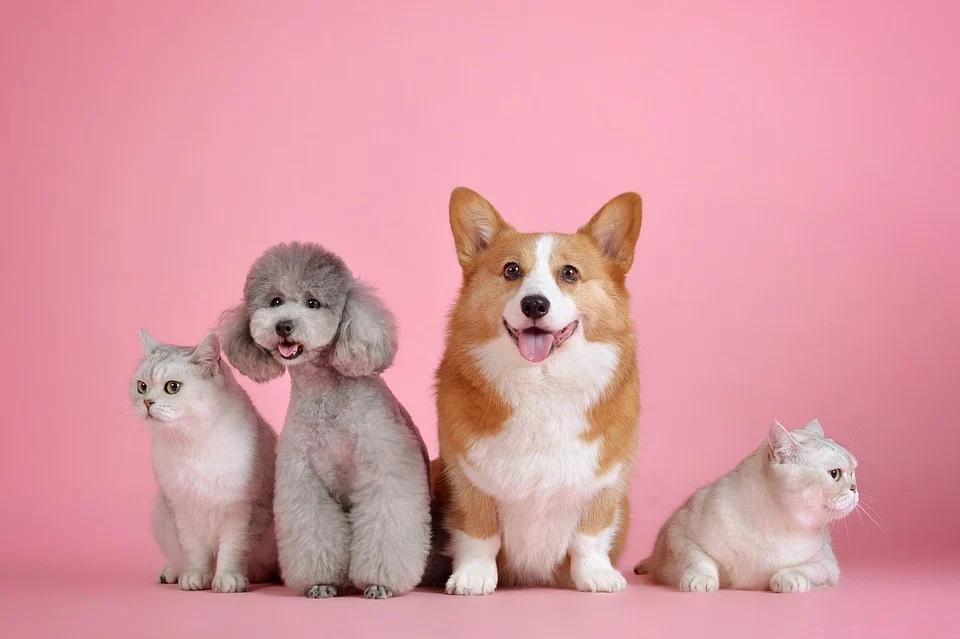
An active dog and a cat who wants to live quietly and freely.
What can you do to help these two completely opposite animals live together stress-free and create a comfortable, harmonious space?
It's a good idea to establish rules for your home that take advantage of the personalities of your dog and cat. By creating a proper environment, you can easily create a comfortable space for both.
Create a space where they can't interfere with each other
・Separate play and eating areas
Dogs who exercise outside and cats who prefer to play alone indoors require different amounts of exercise each day.
Owners need to control play that suits each individual pet. Also, dogs and cats need different foods, so provide them in separate areas to prevent them from fighting over them.
・Keep dogs away from the cat litter box
Cats like to hide and defecate, so you want to place the litter box in a location that dogs can't reach.
Dogs also have a penchant for chewing, eating, and destroying things. To prevent dogs from messing around with the litter box and eating or destroying the cat litter, make sure to fence it in or take other measures to keep dogs out.
・Provide a space where your cat can be alone, such as a cat tower or cage.
Cats need space in the room where they can play freely.
Create an environment where your cat can play freely, with a cat tower to satisfy their jumping ability. Dogs exercise outside to release energy and stress. When sleeping indoors, they feel more comfortable in a dark, confined space, so be sure to provide a cage specifically for your dog.
Training Your Dog with Breed in Mind
Active dog breeds may exaggerate their desire to play with a cat, which may annoy the cat. Herding breeds, such as Border Collies and Terriers, are naturally predisposed to chasing and capturing moving prey.
Active dogs may impulsively chase or pounce on an unfamiliar cat, so keep them in separate rooms for a while. If you do bring your dog face to face with a cat, it's a good idea to hold the dog and keep it on a leash just in case.
Dogs can release their hunting and pack instincts in places like dog runs where they can get a lot of exercise. Also, by properly training your dog in commands like "sit," "stay," and "down," you'll be able to maintain a calm state of mind when you're with a cat.
Furthermore, provide a "safe place" where your cat can escape from your dog if it senses danger. Make sure your dog can't get close to this "safe place."
Generally, a cat's safe zone is a high place that a dog can't reach, such as on top of a refrigerator, a bookshelf, or a window sill. In addition to a "safe place," you should also provide appropriate places for each pet to eat and rest. Both dogs and cats are territorial animals, so make sure each has its own territory.
Consider the Right Time to Keep Them Together
It's said that the best time to start keeping a dog and a cat together is when they are puppies or kittens, as this reduces the chance of problems.
It's said that keeping multiple pets is beneficial because spending time together from a young age allows them to accept each other's differences and develop social skills.
Next, if you're pairing an adult dog and a kitten, it may take time, but once the dog recognizes the kitten as part of the pack, they'll likely be able to live together successfully. However, be sure to consider the cat's needs and provide an escape route, as mentioned above.
Cats tend to have difficulty adjusting to new environments, so caution is required when pairing a puppy with an adult cat, or an adult dog with an adult cat. Even if things don't work out at first, excessive worry or nervousness can be transmitted to your pet, creating a vicious cycle.
If you rush and force them to spend time in the same room, it could cause problems or even trauma for both of them. Even if things don't go well at first, try to avoid forcing them by using baby gates to separate them or by having them spend time in different rooms.
Summary
The important thing is not to try to force your dog and cat to get along from the start.
Make sure to take advantage of the unique characteristics of both dogs and cats and cater to their individual needs. There are even more dog breeds than cats. Even small and large dogs have very different personalities, so observe their individual personalities carefully and take the time to watch over them carefully to ensure their healthy development.
While humans primarily rely on sight, dogs and cats use both their sense of smell and sight to understand their surroundings. Recognizing and accepting each other's scents is an important process for dogs and cats to become friends.
Finally, here are some tips to help your dog and cat get used to each other's scents quickly.
Try swapping your dog and cat's bedding, rubbing a towel on your cat and placing it next to your dog, or vice versa. If you feel like they're not getting along, try these methods to stimulate their excellent sense of smell and hopefully your dog and cat will get used to each other's scents.







![[Bone fracture in dogs] Sometimes they don't show any pain? Explaining symptoms and treatment](https://with-my-dog.com/wp-content/uploads/2021/10/犬 アレルギー 薬 3枚目-150x150.webp)

![[Latest] French Dog Names: A Guide to Cool and Stylish Names](https://with-my-dog.com/wp-content/uploads/2022/04/image1-150x150.jpg)

![[Ticks and Sarcoptic Mange] Symptoms and Treatment of Ticks that Harm Dogs](https://with-my-dog.com/wp-content/uploads/2022/01/4ab096d074c35f99ad05687eccf70c28-500x332-1-150x150.jpg)