
Broken bones in dogs are commonplace. To create an environment that prevents dogs from breaking bones,

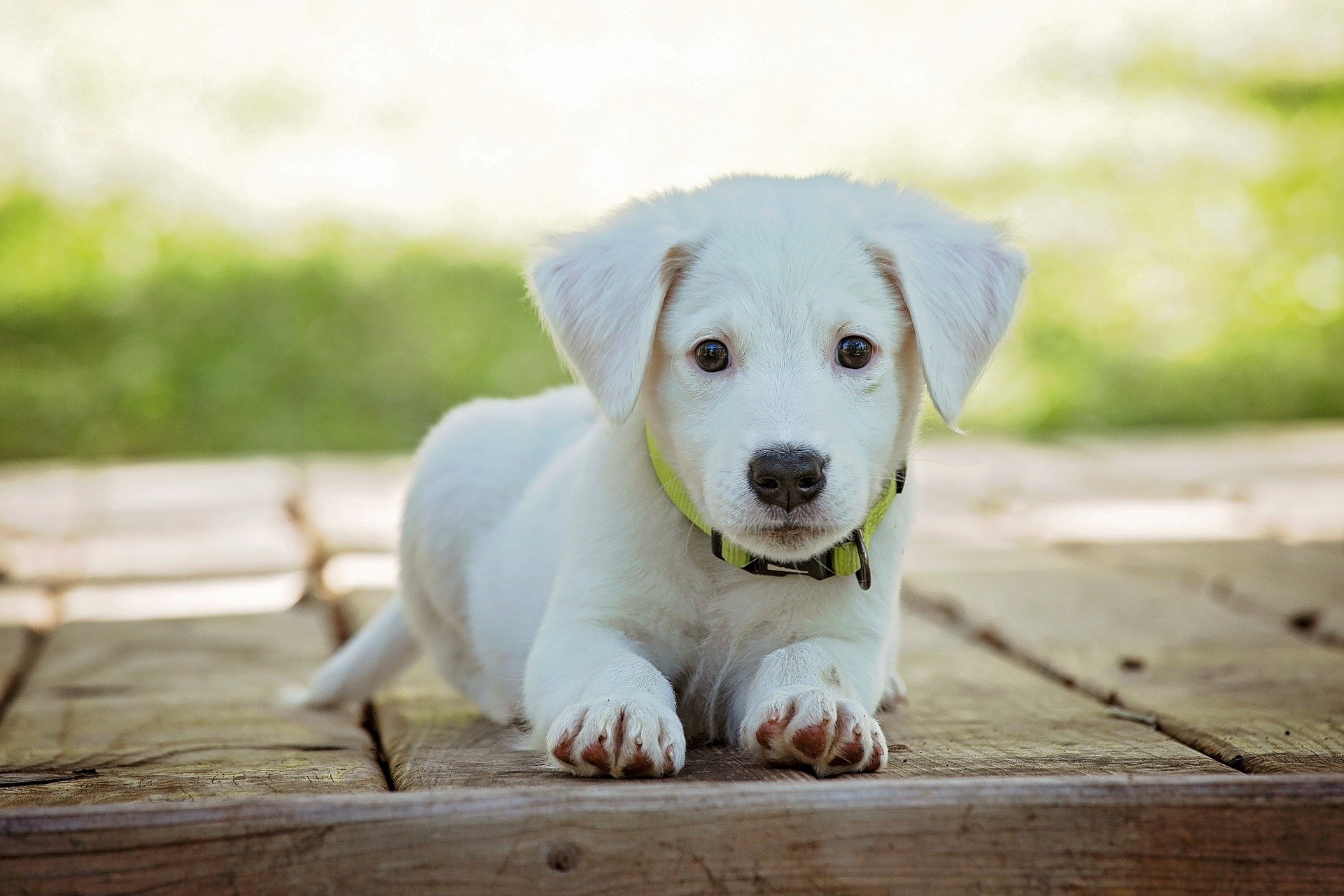
Dogs have skeletal structures that are prone to fractures, especially in slender breeds like Chihuahuas, Papillons, and Toy Poodles.
Fractures at home are quite common. Preventing fractures requires ingenuity.
I hope this article will be helpful in helping you create an environment at home that will prevent fractures!
An Easy Climb
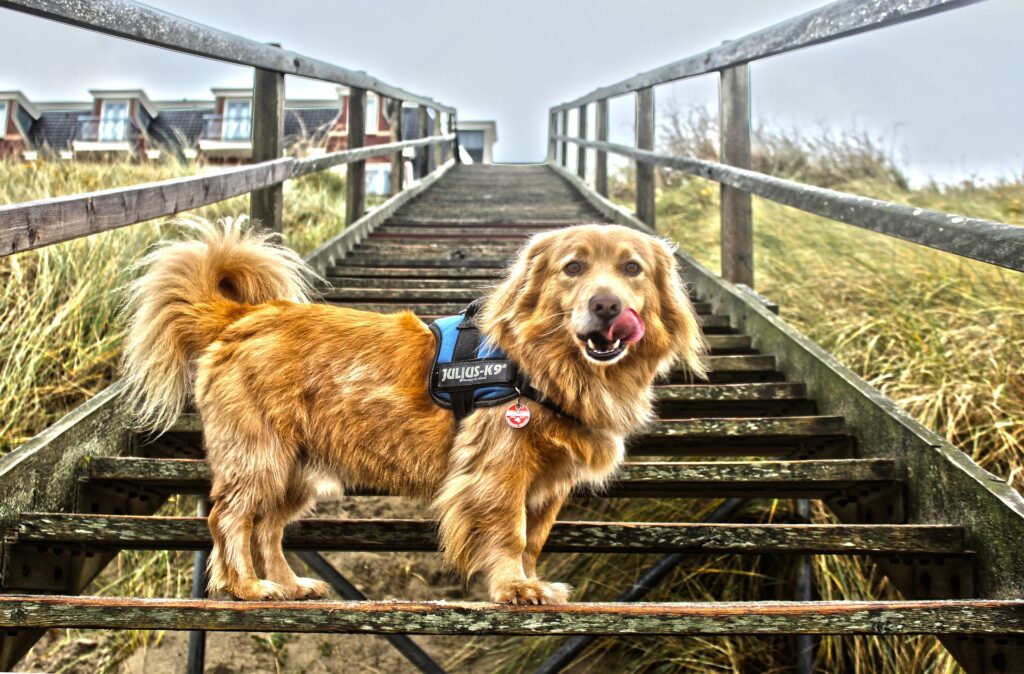
Make sure there are no steps or other obstacles that dogs can easily climb over.
Jumping down from a slight height can cause a fracture depending on the breed and age of the dog.
Older dogs are at a particularly high risk of fractures, so be careful.
Older dogs can suffer stress fractures, which can occur even with a slight sneeze, due to the accumulation of minor impacts. While there's nothing you can do about physiological phenomena like sneezing, it's important to take daily precautions to minimize stress on older dogs' bones, such as not letting them run when walking and carrying them when descending from high places.
It's also a good idea to avoid walks with lots of bumps.
The reason older dogs are more susceptible to fractures is simply because their bone density decreases, making their bones more brittle.
Young puppies also need to be careful.
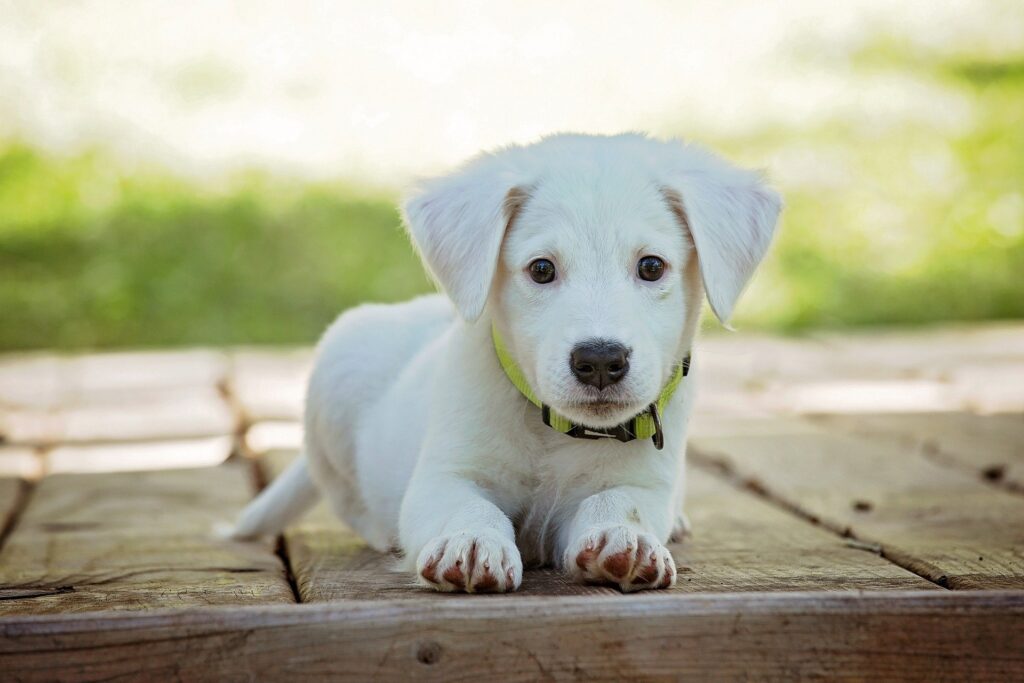
It seems that there have been cases of fractures caused by playing around energetically, as bones are not yet fully formed.
If a puppy breaks a bone, it may be a growth-stage fracture.
If left untreated, it can lead to abnormal leg angles or even failure to grow.
No one would leave it untreated, but if puppies or older dogs break a bone, you should be careful.
It's good for them to have fun playing, but you should manage the contents of your home and keep it tidy to prevent injuries.
Unlike cats and humans, dogs do not have collarbones. Without collarbones, their bodies absorb impacts directly, making them more susceptible to fractures than other animals.
Lay carpet or other covering on flooring
Dogs and cats can run by digging their claws into the ground to gain momentum.
Dogs are not designed to run on surfaces where their claws don't dig in, making slippery flooring very difficult for them to walk on. Lay carpet or mats to create an environment that's easy for them to walk and run in. Long claws can get caught in carpet and cause injury, so be sure to regularly groom your pet's nails and moisturize their paws.
Specific risks associated with flooring include:
- Slipping while going down the stairs
- Running on the floor and not being able to stop and bumping into something
- Putting unnecessary strain on joints and tendons when trying to run
Smooth flooring is easy to clean and walk on... comfortable for humans, but it's a parade of dangers for dogs. For your dog's sake, lay mats or other surfaces on the floor to create a non-slip environment.
There are methods to prevent slipping on flooring by applying a coating to the floor itself, but as mentioned above, dogs tend to dig their claws into the ground when they run, so this may not be very effective for dogs that run around a lot. However, if your dog is mostly just walking, this may be effective.
Falls are the Most Cause of Fractures

Although there are many cases of dogs falling on slippery floors and breaking bones, most dog fractures are caused by the impact of falling from a step or other obstacle.
- Startled and frantically jumping from your arms
- Jumping from a high place
Fractures caused by these reasons are particularly common among puppies.
It's a good idea to train your dog from a young age to scold him if he climbs to high places, discouraging him from climbing on his own. This is because he may climb to high places and play when you're not looking.
Notice changes in your dog
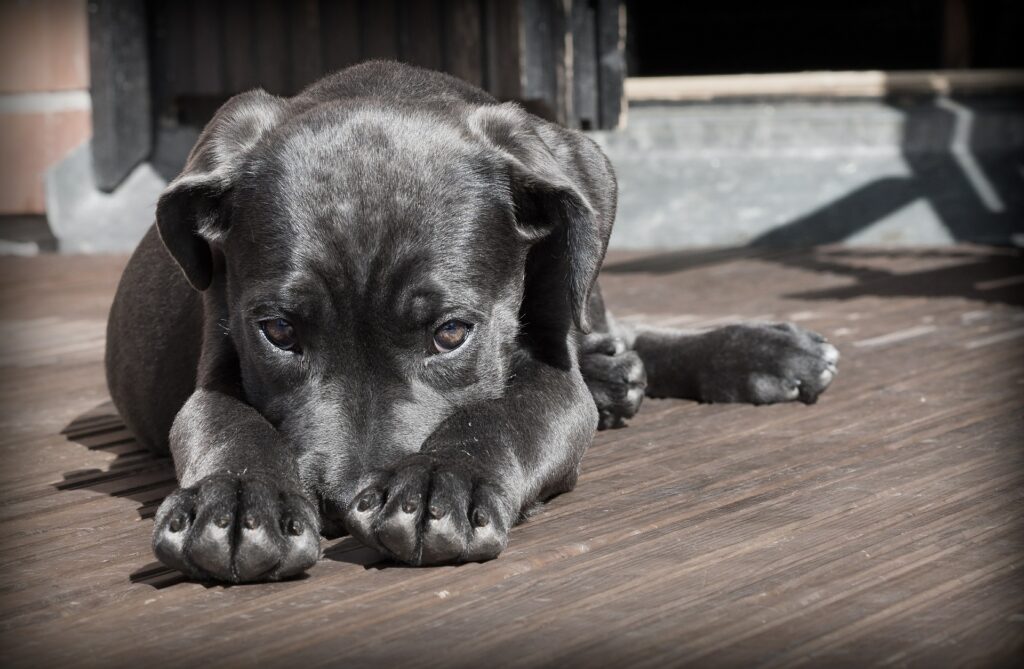
Dogs' behavior changes when they are injured or ill, regardless of whether they have a fracture or not. They may behave in unusual ways, become extremely averse to being touched, or even become aggressive.
In particular, if your dog has a fracture or dislocation, it will likely avoid touching the floor and walk around hopping on one leg.
Types of Fractures in Dogs
- Stress fracture → Accumulation of impacts, eventually leading to fracture with even a slight impact
- Compression fracture → Fracture caused by strong pressure
- Growth plate fracture → Occurs in growing puppies
- Avulsion fracture → Fracture caused by pulling on the muscles and ligaments attached to the bone
The above are said to be the main types of fractures.
Another common cause is a broken tail.
Some tail fractures can cause problems with bowel control.
No matter what type of fracture your dog has, they'll obviously show signs of pain, so you'll know right away.
If you notice anything unusual, take them to the vet immediately!
Approximate Treatment Costs for Dog Fractures
The cost seems to vary greatly depending on whether the fracture is minor or severe.
For minor fractures, the cost is around 5,000 to 50,000 yen, while for severe fractures, it seems to be 100,000 to 500,000 yen.
The treatment methods differ between minor and severe fractures, and may also vary depending on the breed of dog.
Bone fractures can be quite expensive, so for the sake of your dog and your wallet, you want to avoid them as much as possible...
In case your dog does break a bone, we recommend getting insurance.
There are many different types of insurance available, so consult with your insurance agent to find the one that's right for you.
By getting insurance, you can significantly reduce hospital and outpatient costs.
I'd like to enter this when I think something might happen, rather than waiting until something has happened.
Summary

Dogs can break bones for no apparent reason.
Understand your dog's skeletal structure and train them from an early age not to climb high places to prevent falls from heights.
If your dog has a fracture, it will show some kind of behavior, so don't miss the signs! If your dog is dragging its leg or walking with a hopping motion on one leg, it's likely to have a fracture or dislocation. It's not something you can fix on your own, so take it to the hospital immediately!
Treatment for a fracture can cost anywhere from 5,000 to 500,000 yen.
These expensive medical expenses can be quite daunting. Before you get to that point, consider purchasing medical insurance for your dog. This will help you reduce medical and hospital costs if something happens.
There are plans that are suited to each family and breed of dog, so please consult with your insurance provider to decide.








![[Shiba Inu] Why does he get angry when you touch his food bowl? Here are the reasons and three solutions](https://with-my-dog.com/wp-content/uploads/2022/07/image2-15-150x150.jpg)









![[Popular dog food rankings] Recommended dog food and how to choose it](https://with-my-dog.com/wp-content/uploads/2021/10/入れ替え_5枚目-300x200.jpeg)