


"My dog stopped eating after the change in environment!"
"He's been acting strange ever since I've been away from home more."
Just like humans, dogs can also feel stress.
Since many dogs seem unable to adapt to change, we've compiled a list of ways to deal with sudden food withdrawal, from stress to illness. We hope you find this helpful!
The most common reasons are:
- Changes in the environment
- Onset of illness
Etc.
If your dog is eating too little or not even touching the food, it can be worrying. In some cases, it may be better not to feed them!
Make sure to carefully determine which symptoms your dog is experiencing. If you have any concerns, take him to the vet immediately!
Why My Dog Has Stopped Eating
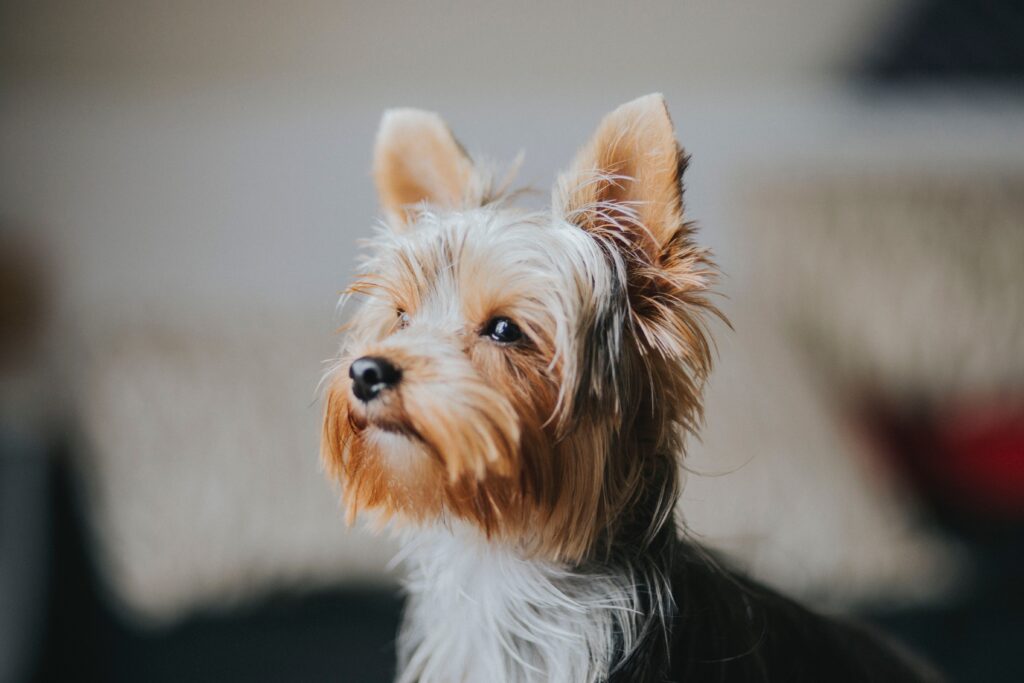
The most common reasons for a dog not eating are
- A change in environment → Moving, having multiple pets, etc.
- Stress → Being away from home more often due to work, etc., and not being able to play often, etc.
- Age → As with humans, as dogs get older, their metabolism slows down and they lose their appetite.
- Going to an unfamiliar place → Taking a dog to a dog park for the first time, or playing with other dogs they don't normally interact with.
- Illness → Loss of appetite due to illness. Gastroenteritis, stomatitis, accidental ingestion, etc.
These symptoms are often caused by changes in the environment or a lack of communication.
If your pet is sick, it may refuse to eat, or if it does eat, it may vomit or have diarrhea immediately.
If you suspect your pet is sick, take it to the vet immediately.
If they won't eat, "don't force them to eat."
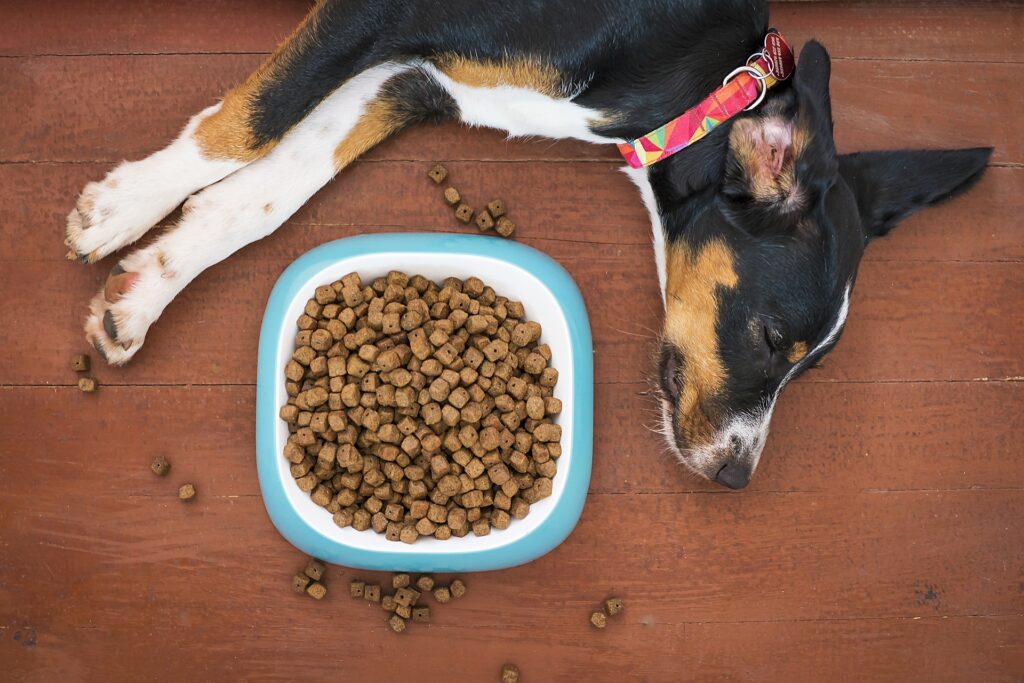
Illness, stress, or just not liking the food...
There are many reasons why a dog might stop eating.
If you changed your dog's food and he stopped eating, you can just change it back to the old food or mix it up, but if it's due to illness or stress, it's not immediately obvious.
If your dog is sick, you may not want to force him to eat.
If stress is the cause, forcing your dog to eat will only make it more stressed.
Try waiting until your dog eats or giving him his favorite treat.
If you don't reduce stress even a little, your dog's loss of appetite won't go away.
Try to play with your dog as much as possible and take him for walks.
I'm sure many of you reading this blog are aware of your dog's stress and are looking to improve it.
It's understandable that you might be busy at work, but dogs can get very lonely when they're home alone.
If you're away from home more often, give your dog lots of love while you're with him.
① Change in environment/stress
You might move house to a completely new environment, change owners, or have a new family member.
New environments can be stressful for humans, too. The same is true for animals.
The only way to deal with the stress of a change in environment is to allow your pet to adapt over time.
It's difficult to adapt overnight.
If the change in environment is due to a move or other reason,
Take your pet for a walk around the room together and let it know that it's not scary anywhere.
Playing in separate rooms may also be effective. Your dog is likely feeling anxious and stressed.
Start by alleviating that stress, even if only a little.
If the cause is a new addition to the family or multiple pets
At first, limit contact and gradually increase face-to-face time.
This is a common stressor in shy dogs, so don't try to get them to get along right away! It's easy to rush into it, but this can make your dog even more stressed. Again, take your time to let them get used to each other.
② Age
Just like humans, dogs' metabolisms and activity levels slow down as they age, leading to less food intake.
Feeding too much food to a dog with a slowed metabolism will only make them gain weight. Reduce the amount of food your dog eats according to its age.
Obese dogs are also at risk of fractures and obesity-related illnesses. It's easy to be tempted to give your dog treats while you're eating, but be careful not to overindulge and let them get fat.
③ Illness
Illness can cause a child to not eat or to vomit food after eating.
Illness is very easy to spot, and if a child "doesn't eat at all," it's likely they're ill.
If a child vomits food immediately after eating, it could be due to a problem like gastroenteritis.
In such cases, since there are some illnesses that should not be treated with food, do not feed your dog anything and take him to the vet. If treatment is delayed, medical costs can become extremely expensive.
If you notice any unusual behavior in your dog, take him to the vet immediately!
Summary
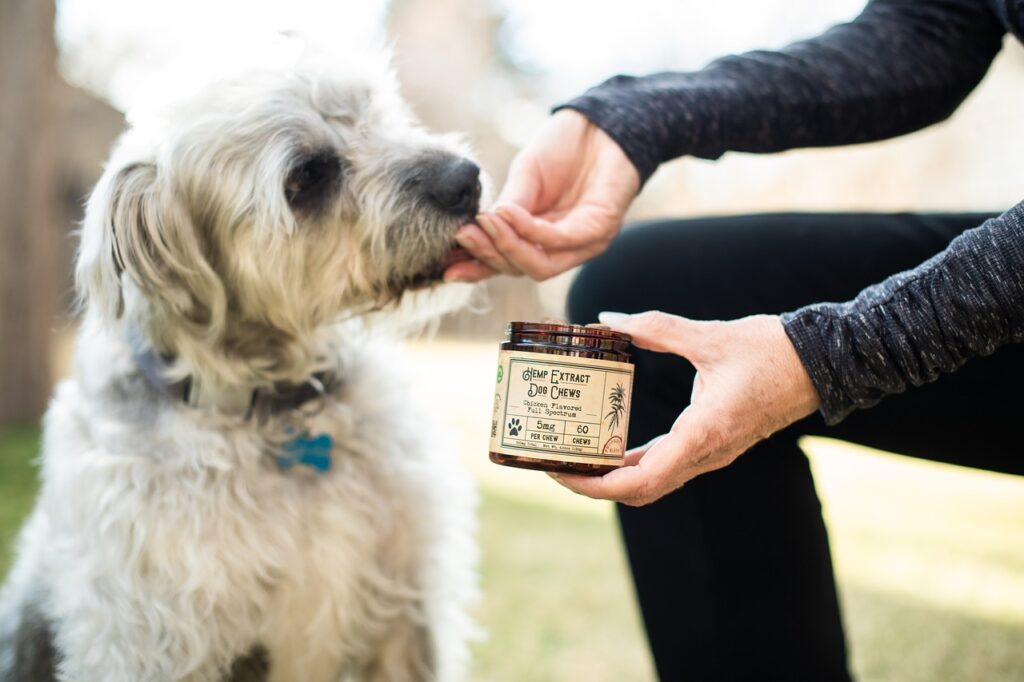
Dogs often stop eating due to stress or illness.
If your dog only eats a little or leaves a larger amount than usual, stress is likely the cause. However, if your dog doesn't eat at all or vomits after eating, illness is likely the cause.
If you suspect stress, a change in environment is likely the cause, so take time to help your dog get used to the new environment.
If your dog refuses to eat at all or shows signs of illness, stop feeding it and take it to the vet immediately. There are some illnesses, such as accidental ingestion or gastroenteritis, that can worsen if you feed it.
These are some tips on what to do if your dog won't eat.
If your dog won't eat, it's not a good idea to force him to eat.
If you're not sure if stress or illness is the cause, please consult your veterinarian.





![[Recommended for males] Cool dog names](https://with-my-dog.com/wp-content/uploads/2022/07/image1-36-150x150.jpg)


![[I love both!] Can you keep dogs and cats together? Here are some tips and tricks to keep in mind](https://with-my-dog.com/wp-content/uploads/2022/07/image3-18-150x150.jpg)



![[Sheltie puppies] Check breeder information for baby dogs](https://with-my-dog.com/wp-content/uploads/2022/01/image1-300x199.jpg)


![[Popular dog food rankings] Recommended dog food and how to choose it](https://with-my-dog.com/wp-content/uploads/2021/10/入れ替え_5枚目-300x200.jpeg)