What is the best dog food for dogs with allergies? What are the symptoms and how can you treat them?

Hey dog owners out there!
Have you ever thought about dog food allergies? I'm sure you've all thought about it.
However, families who are about to welcome a dog into their home likely haven't yet encountered any allergy issues.
So, today, we'll explain dog food allergies!
1. What kind of dog food is likely to cause food allergies?
What are the symptoms?
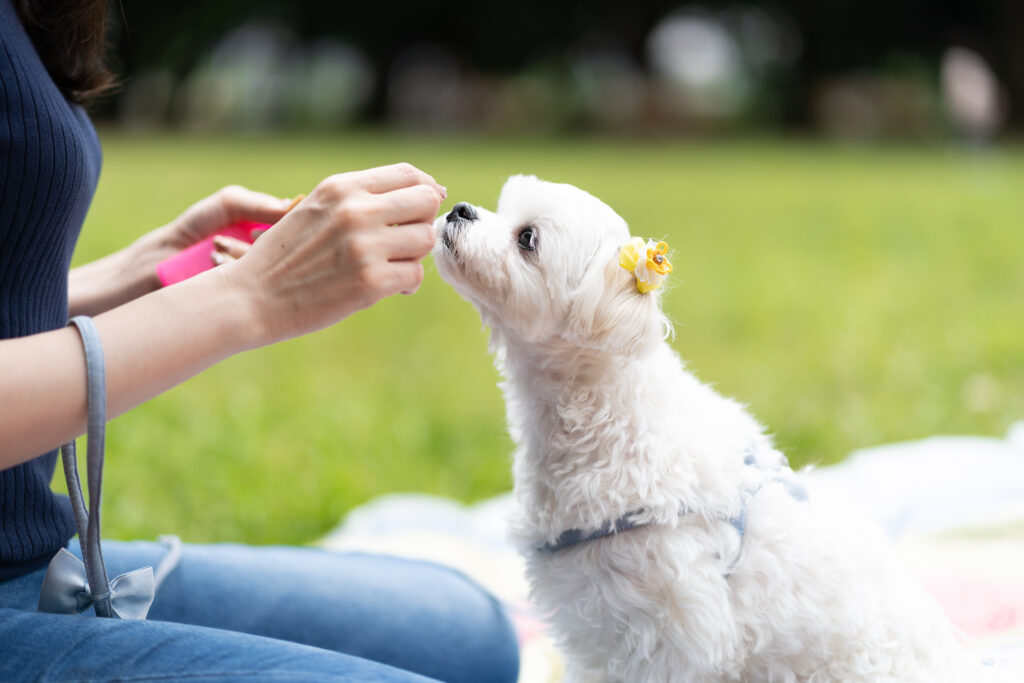
The physical constitutions and diets of dogs and humans are very different.
The nutrients humans need to live a healthy life are not necessarily essential for dogs.
So, what foods actually cause allergies in dogs?
Beef
It is said to be the most allergenic of all meats.
It is prone to causing itching, diarrhea, vomiting, abdominal pain, and other symptoms.
・Wheat
_It is said to be the most allergenic of all grains.
It contains a large amount of gluten, which makes it difficult for dogs to digest, and if they continue to eat it, it can cause allergies.
・Corn
_Although corn is rich in nutrients and helps regulate the intestinal environment, it is said to be prone to indigestion.
・Dairy Products
_There is a condition called "lactose intolerance," in which dogs are unable to digest dairy products properly.
In particular, caution is required for dogs that get stomach upset when eating dairy products.
・Chicken Eggs
_The egg white contains avidin, and the yolk contains biotin.
Continued consumption can cause symptoms such as hair loss, a weakened immune system, and diarrhea.
・Soybeans
_A food that can very rarely cause allergies.
The residue left over after processing and cooking soybeans for human consumption, known as "defatted soybeans," is said to be difficult to digest.
The above are just a few typical examples, and dogs can be allergic to a variety of foods.
So, what can you do to prevent food allergies?
2. How can you prevent food allergies?
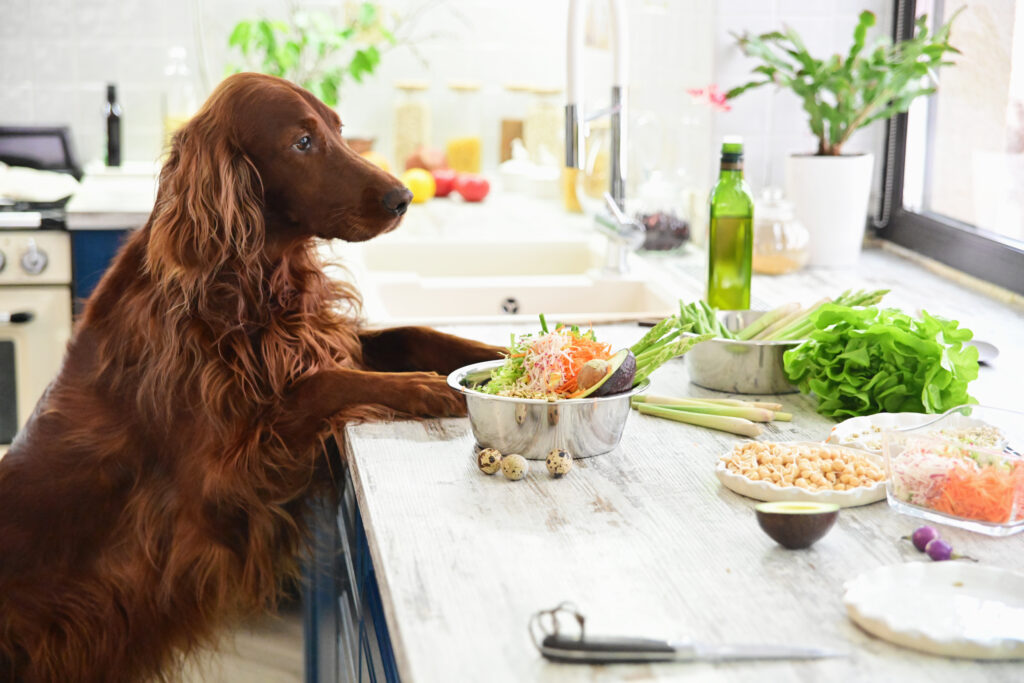
As mentioned above, dogs can be allergic to many foods.
To prevent food allergies, first avoid feeding your dog the foods listed above.
Feed your dog allergen-free dog food.
Recently, dog foods designed to treat a variety of allergies have become available on the market, so
Choose dog food that's suited to your dog's constitution.
The dog food packaging will contain all the necessary information.
Country of origin, ingredients, nutritional information, calories, etc.
The ingredients section lists the ingredients in descending order of prevalence.
When researching allergens, be especially mindful of the ingredients.
In addition to ensuring that the food is free of allergens,
It's also important to choose dog food that contains as few additives as possible.
3. Beware of These Symptoms! !
Skin disorders are a common allergic symptom.
- Itching
- Dandruff
- Hair loss
- Vomiting or diarrhea
- Redness of the body
- Persistent licking or biting
If these symptoms persist, have your pet examined at a veterinarian immediately.
4. How can I check for and treat allergies?
There are three ways to confirm and treat food allergies in dogs.
・Get an allergen test at a veterinarian
_If an allergy does occur, it's very difficult to diagnose it yourself, so have your dog undergo allergen testing at a veterinarian or testing facility.
However, depending on the veterinarian or testing facility, testing is not cheap.
It's a good idea to check the pricing in advance so you can take action immediately if an allergy occurs.
・Try feeding a specific food for a long period of time
_For dogs that haven't yet shown any allergic symptoms, you can test them yourself.
You can feed a specific food for around three months to see if allergic symptoms appear or improve.
However, if you notice any signs of discomfort while feeding your dog a specific food, immediately stop.
・Make your dog's meals yourself
_Food costs will be higher than commercially available dog food, but it will remain safe.
However, it can be a bit of work, such as thoroughly cooking ingredients and researching foods that dogs should never eat.
However, if you're worried about your dog's allergies or have trouble identifying the food they're allergic to, this can help eliminate that worry.
5. What kind of dog food is best for dogs with allergies?
Introducing each type of allergy! !
So, what should you feed your dog if it develops an allergy?
~Wheat & Grain Free~
・Now Fresh Grain-Free Small Breed (Puppy shown)
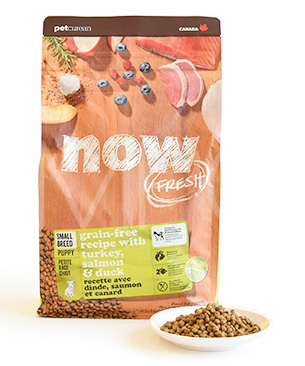
Reference source: POCHI
・Go LID Ram
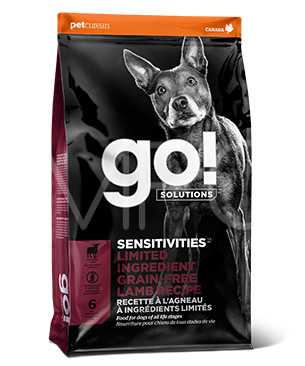
Reference source: POCHI
~Meat-Free~
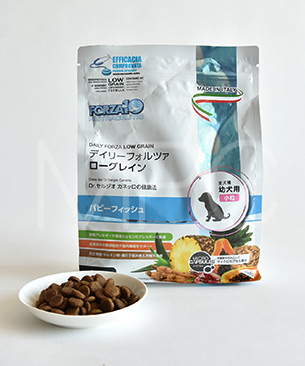
・Forza 10 Daily Forza Fish (Picture shows a puppy)
Reference source: POCHI
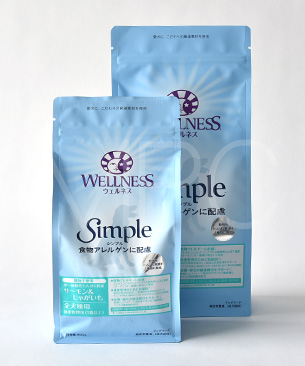
Wellness Simple Salmon & Potato (Image shows weight management for all dog breeds (adult and older))
Source: POCHI
~No Eggs~
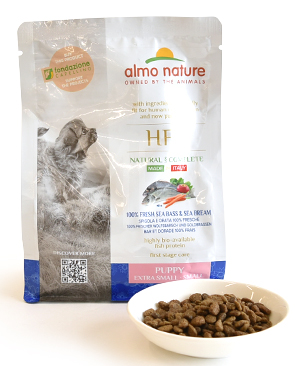
・Almo Nature DOG HFC XS/S Fresh Sea Bass and Sea Bream (Puppy shown)
Reference source: POCHI
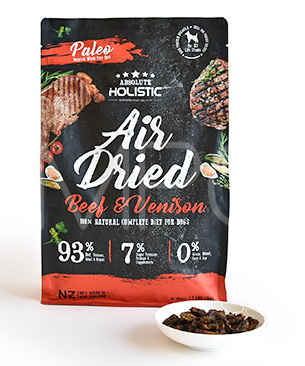
・Absolute Holistic Air-Dried Dog Food Beef & Venison
Source: POCHI
~Dairy-Free~
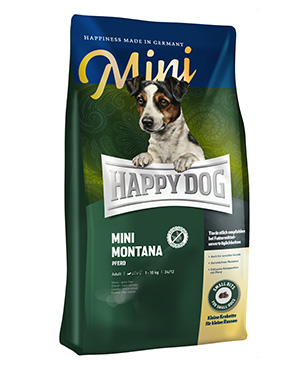
・Happy Dog Supreme Montana (Image shows for small dogs)
Reference source: POCHI
Go Carnivore Grain-Free Chicken, Turkey, and Duck (Puppy pictured)
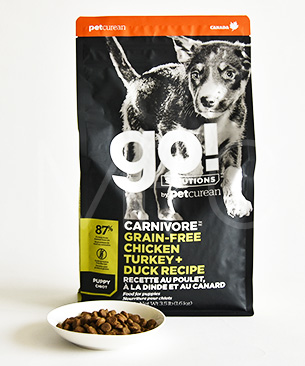
Source: POCHI
~Bean-Free~
・Happy Dog Fit & Vital (Image shows Medium & Adult)
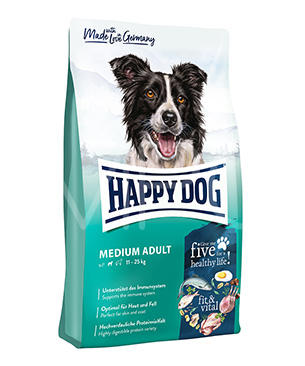
Source: POCHI
・ZiwiPeak Air-Dried Dog Food Tripe & Lamb
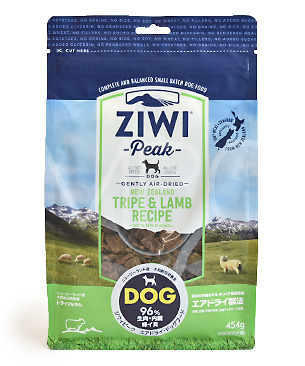
Reference source: POCHI
6. Summary
What did you think?
Dogs have a wide variety of allergies.
It's especially important for families who are planning to bring a dog into their home to learn about allergen-specific foods, symptoms, and treatments in advance.
In addition to the products introduced above, there are many other allergen-friendly dog foods available, so why not take a look?
If you have any questions about how to help your beloved dog grow up healthy, please refer to the other articles on this site!

![[Small dogs are very popular] Survey on cute dog rankings](https://with-my-dog.com/wp-content/uploads/2022/07/image4-26-150x150.jpg)
![[Choosing dog food for health] 5 recommended low-fat dog foods](https://with-my-dog.com/wp-content/uploads/2022/07/image4-4-150x150.png)