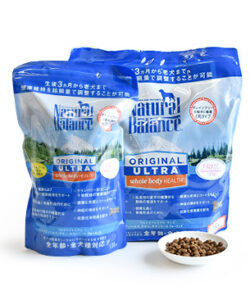

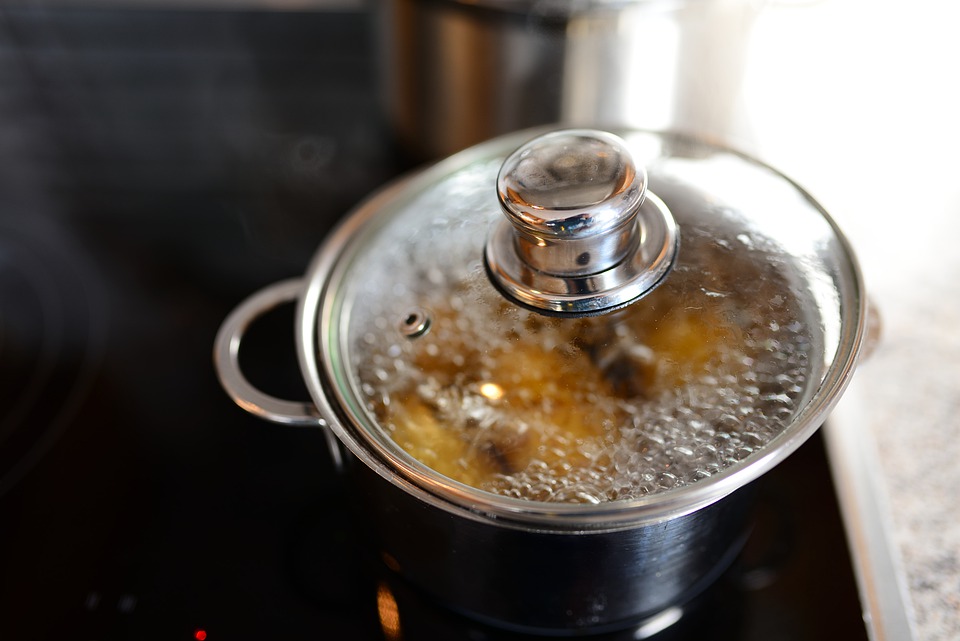
As more and more people treat their pet dogs as family members, more and more are thinking about making homemade food for their beloved dogs. However, those who are just starting to make homemade dog food may have concerns, such as, "Is it okay to use the same recipes as for humans?" and "Some people say that homemade food is not healthy."
In fact, if you look back at the ingredients in commercially available dog food, you'll find that they're almost identical to homemade food, so you can safely feed it to your dog.
However, unlike humans, dogs have unique nutritional needs, and some foods that are harmless to humans can be harmful to dogs.
In addition, dog food needs to be tailored to individual preferences and developmental stages, so it's important to prepare meals based on proper knowledge.
What are the differences in nutrient needs between humans and dogs? 】

The biggest difference between humans and dogs is their protein needs and their mineral needs, such as calcium.
Humans need to consume about 1g of protein per kg of body weight daily.
Dogs are said to need about four times the amount of protein that humans do. Therefore, they need to consume about 4g of protein per kg of body weight daily.
Learn about foods you should avoid giving to your dog! 】
When making homemade dog food, it's very important to know which ingredients should not be fed to dogs. The basic rule is to avoid any ingredients that are or may be toxic to dogs. Even if something is harmless to humans, some ingredients can be harmful to dogs if they ingest it, and in the worst case scenario, even fatal.
Before giving your dog human food as homemade meals or treats, be sure to fully understand which ingredients should not be fed to your dog and which require careful feeding methods. Be careful when making homemade dog food. Knowing which ingredients your dog should not eat is important for ensuring your dog's long and healthy life.
【Foods You Should Never Feed to Dogs】
*Onions*
Dogs' red blood cells contain toxic substances. This can cause poisoning, leading to anemia, bloody urine, asthma, dermatitis, and other conditions. In the worst case scenario, it can be fatal.
*Grapes and Raisins*
There is a condition called grape-raisin syndrome, which can lead to acute kidney failure.
*Chocolate*
If dogs eat large amounts of chocolate or other foods containing cocoa, they may experience diarrhea and vomiting, and even death if ingested in large quantities.
*Caffeine*
Caffeine, found in coffee and other beverages, stimulates the central nervous system, so caution is advised for dogs with a history of epileptic seizures or convulsions.
*Avocado*
Avocados contain a substance called persin, which can cause poisoning (vomiting and diarrhea).
*Nuts*
They can cause indigestion. Macadamia nuts, in particular, can cause poisoning, including lethargy, vomiting, and fever.
*Honey*
Honey can contain the bacterium Clostridium botulinum. Even in humans, feeding honey to children under one year old can cause poisoning because their gastrointestinal functions are not fully developed. Avoid giving honey to puppies.
*Raw Meat*
As is often the case with humans, raw meat may contain pathogenic bacteria that can cause food poisoning and digestive disorders. Never feed raw meat to your dog.
*Chicken Bone*
While cartilage-like parts are safe to eat, they can tear lengthwise and damage the digestive tract. Be sure to remove the bones before giving them to your dog.
*Xylitol*
There have been cases of dogs experiencing sudden hypoglycemia after eating gum containing xylitol. This can cause lethargy, seizures, and liver damage.
【Foods to Feed with Caution】

*Spices*
Spices are safe for dogs to eat, but because they are smaller than humans, you should be careful about the amount they consume. Strong spices can put a strain on a dog's stomach and intestines, so be careful when giving them to them.
*Shellfish, Crustaceans, and Freshwater Fish*
There is a risk of indigestion or choking.
When feeding, chop it finely. Also, be sure to cook it thoroughly before giving it to your pet.
*Pineapple*
Because it's rich in dietary fiber, it can sometimes cause diarrhea.
*Dried Shrimp, Dried Sardines, and Seaweed*
It contains a lot of magnesium, which may cause urinary stones.
*Liver*
It is rich in fat-soluble vitamins, so giving too much can lead to overdose.
*Bamboo Shoots*
It contains a lot of dietary fiber, so it may cause indigestion.
When giving it to your pet, chop it into small pieces.
*Dairy Products*
Just as many humans suffer from diarrhea, some dogs also have an intolerance to dairy products.
Since dairy products vary from individual to individual, gradually increase the amount you give them.
*Eggs*
Eggs inhibit vitamin absorption. Feed them whole or cook them before feeding.
*Spinach and Berries*
Eggs are a risk factor for calcium oxalate urinary stones. If feeding, give them in small amounts.
Boil spinach to remove the bitterness before giving it to your pet.
*Fruit*
Be careful not to give too much to your pet, as it contains a lot of sugar. Fruits with seeds can cause intestinal blockage if swallowed whole, so be careful with the seeds.
[Basic cooking method]
Making whatever you want and giving it to your dog can be a big disadvantage. To make food easier to digest, you'll need to boil or finely chop the ingredients. First, let's learn the basics.
*Cut ingredients to fit your dog's mouth.*
I wouldn't call it mincing, but finer is better. If chopping ingredients is too much trouble, you can also puree them in a food processor.
*Cook meat and fish thoroughly.*
Cook meat and fish thoroughly before use. For hygienic reasons, it's best to cook them thoroughly.
Bones can get stuck in your throat, so remove them or crush them into small pieces before using.
*Adjust the amount of moisture in homemade food*
Moisture intake is important for the health of both humans and dogs. The biggest difference between dry food and homemade food is the amount of moisture it contains. Hydration increases nutrient absorption and supports digestion.
*Be careful not to get burned*
Dogs cannot wait for food to cool before eating or monitor the temperature before eating. Be careful not to burn your dog. Make sure your dog's food is at a comfortable temperature (38-40°C) to stimulate their appetite.
*Don't use the same seasonings as humans.*
Dogs are more susceptible to excessive salt intake than humans. Unlike humans, dogs do not excrete salt through sweat, so if they eat the same food as humans, they will become over-salted. When seasoning your dog's food, be careful with the amount of salt you use.
What kind of recipes are available? 】

Just like with humans, there are many different dog food recipes. Even if you want to make them, you may not know what recipe is best, there are many things you need to be careful about, and it seems too difficult... so don't give up too soon!
Recently, there have been many homemade dog food recipe books created by professionals and veterinarians, as well as websites where dog lovers gather and post their favorite recipes. In particular, these websites allow dog owners to ask questions and discuss their concerns and concerns with each other, which can help broaden your cooking horizons.
There are also recipes for beginners, so be sure to check them out if you're interested.
Reference sites listed below
4 Recommended Recipe Books for Beginners in Homemade Dog Food
【Summary】
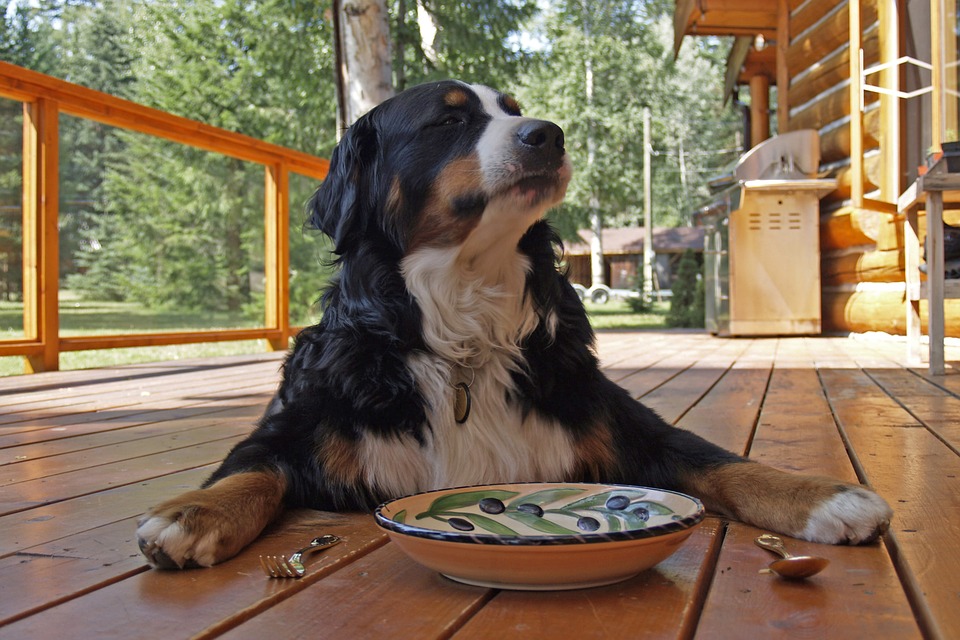
Homemade meals allow you to prepare meals tailored to your dog's physical condition, activity level, and any medical conditions. What's even more rewarding for owners is that by feeding them homemade meals, you can communicate with your dog. Many owners find joy in seeing their dog eating happily. It's a wonderful way to increase fun and happy moments for both you and your dog.
If your lifestyle is too demanding, it won't last. So, if you occasionally have some free time... or even just on the weekend... and think, "Maybe I should give it a try," please give homemade meals a try! Let's improve your daily life with your dog!




![Interesting! Names and secret stories of great men's dogs [Saigo Takamori and his beloved dog]](https://with-my-dog.com/wp-content/uploads/2022/04/image1-3-150x150.jpg)