How to soak dog food? Learn the correct way to soak it and the three benefits of soaking it.

Many dog owners feed their dogs dog food.
Dog food is divided into three types based on moisture content: dry, semi-moist/soft dry, and wet.
Dry dog food, which is particularly crunchy and satisfying, can be stored unopened for long periods and is easy to use.
Even puppies, whose digestive systems are still immature and cannot eat hard dry food, can feed it to them by softening the food, which makes it easier to digest and absorb.
Furthermore, once your dog grows big enough to eat dry food, you can continue to feed it the same dog food, allowing you to transition to a food that it's used to.
Another benefit is that dogs on a diet can feel full with a smaller portion.
This article explains the correct way to soak dog food and the benefits of soaking.
Dogs Who Should Soak Their Dog Food?

For puppies with underdeveloped digestive systems and older dogs with weaker chewing abilities or declining digestive function, we recommend feeding them softened dog food. This not only makes the food easier to eat, but also makes it easier to digest and absorb.
For puppies in particular, softening food is a good idea until they're about three months old, when their baby teeth have grown in. Also, if your dog has a decreased appetite or is recovering, softening the food can make it easier to eat and encourage them to eat more. This is especially effective during the hot summer months, when they need to stay hydrated.
On the other hand, if your dog is on a diet, soaking the dog food will help it expand, allowing it to feel satisfied with a smaller portion.
Three Benefits of Soaking Dog Food
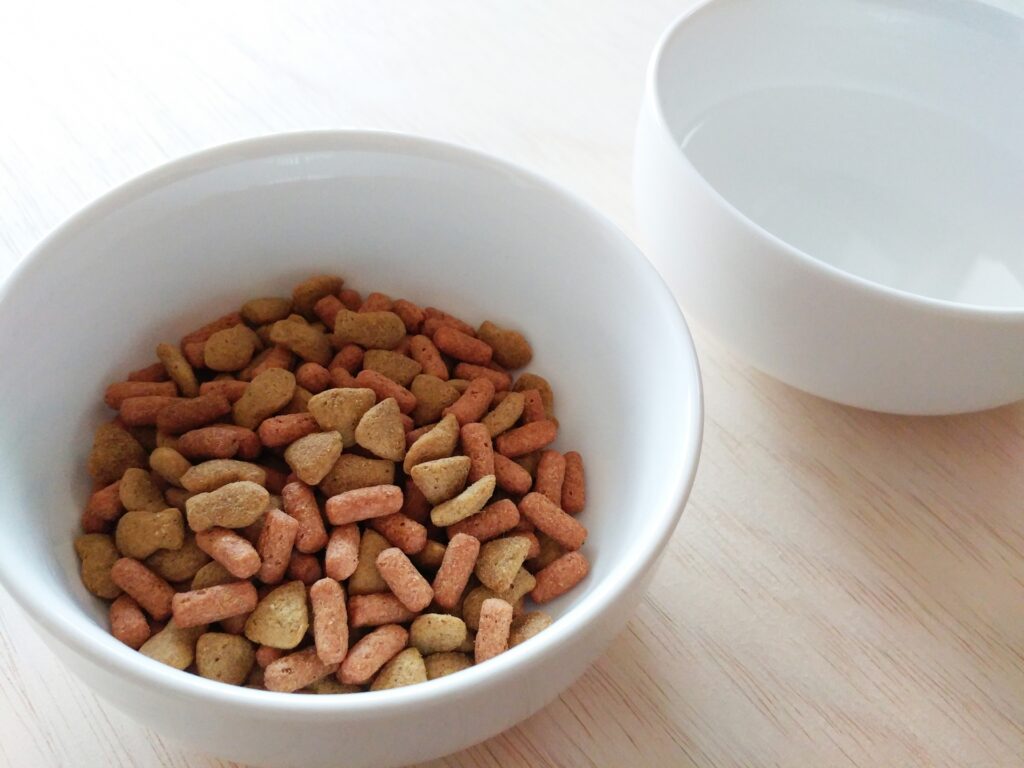
There's no need to soak dog food for a healthy dog.
However, even young dogs can lose their appetite if they're in poor health, such as from summer fatigue or poor gastrointestinal health.
In such cases, soaking the dog food is one way to deal with the problem.
So, what are the benefits of soaking dog food?
Enhanced Flavor and Aroma
Some dog owners may be worried about their dog's poor appetite.
Dry dog food, packed with umami, intensifies its flavor and aroma by soaking it. Furthermore, it develops a fluffy, soft, meat-like texture, stimulating the appetite, so you can expect a greater appetite-boosting effect than feeding it dry.
In this way, even if your dog doesn't like dry food or has a poor appetite, a simple "soaking" can help them eat it and increase their intake.
Improves Digestion and Absorption
Soaking dry dog food also absorbs moisture and softens.
Softening not only makes it easier to eat, but also is gentler on the stomach, improves digestion and absorption, and allows for more nutrients to be absorbed.
Also, especially for puppies who are not yet good at eating, or older dogs whose chewing ability has weakened, dry dog food can choke or cause swallowing problems, so it's a good idea to soften it before giving it to them.
Hydration
When gastrointestinal function is impaired, not only can your dog's appetite decrease, but they may also drink less water.
When your dog needs plenty of fluids, such as during the hot summer months or while recovering from an illness, it's a good idea to soak its dog food in addition to giving it plain water.
Soaking food not only makes it easier for your dog to eat and absorb nutrients, but also provides it with water, making it a very efficient way to stay hydrated.
Three Disadvantages of Soaking Dog Food

Soaking dog food improves digestion and absorption, helps with hydration, and is a very beneficial method for dogs with low stamina. However, for healthy dogs, it doesn't necessarily have all the benefits.
So, what are the disadvantages of soaking dog food?
Potential Cause of Periodontal Disease
Soaking dog food softens it, making it more likely to stick to the dog's teeth. If left untreated, it can lead to tartar buildup and periodontal disease.
Just like humans, poor oral health in dogs due to periodontal disease and other factors not only reduces their chewing ability but also puts them at risk of developing other illnesses, which is bad for their health.
For this reason, after feeding your dog softened dog food, be sure to take care of it by brushing its teeth and wiping it with a cloth.
It Takes Time
If you soften dry food, it will naturally take longer to feed it to your dog than if you were to feed it raw.
Some dogs can't tolerate this waiting time.
There's no need to soak dog food, especially for adult dogs with a strong appetite. Think of it as a way to soak it when your dog is not feeling well or has no appetite.
Weakened Chewing Strength
Dogs are known for their strong jaws.
However, if your dog eats only soft foods every day, its chewing strength will naturally weaken.
Be careful, as a weakened chewing ability can lead to illness.
Avoid consistently feeding soaked dog food to healthy dogs.
How to Properly Soak Dog Food
As we've seen, the time to feed your dog soaked dog food is when they're not feeling well, have no appetite, or are otherwise not in good spirits.
You want your dog's food to be as palatable as possible when it's not feeling well. So, how should you soak it to ensure it's palatable?
Here, we'll introduce the correct way to soak dog food.
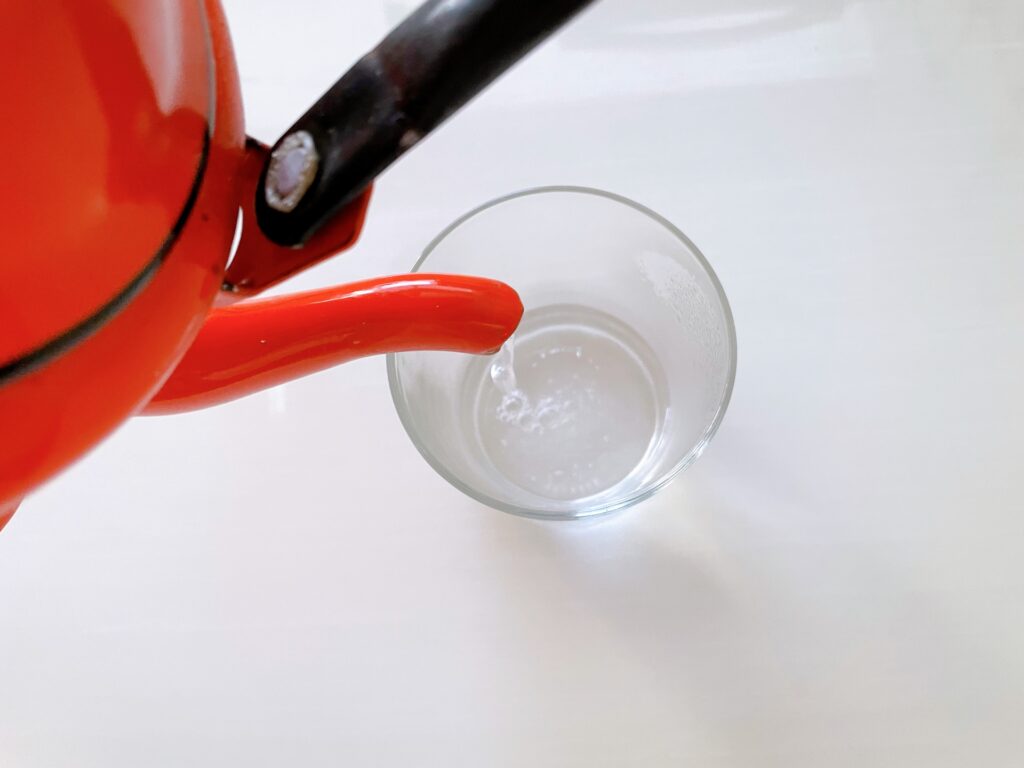
Soak in lukewarm water
When soaking, if the water is too hot, the nutrients may be destroyed.
Instead of boiling water, soak in lukewarm water cooled to about 40-50°C.
Pour hot water into the dog food and let it sit for 10-15 minutes. If it feels too soft, let it sit for a little longer. The soaking time will vary depending on the type of dog food and your dog's preference for firmness.
Always monitor your dog's condition and adjust accordingly.
Crush into small pieces and soak
If you use a food processor or blender to crush dog food beforehand, it will absorb moisture more easily and the soaking time will be shorter. Also, for puppies and small dogs with small mouths, or those who cannot lift their mouths very high, crushing the food into small pieces will make it easier for them to eat.
Three Things to Remember When Soaking Dog Food
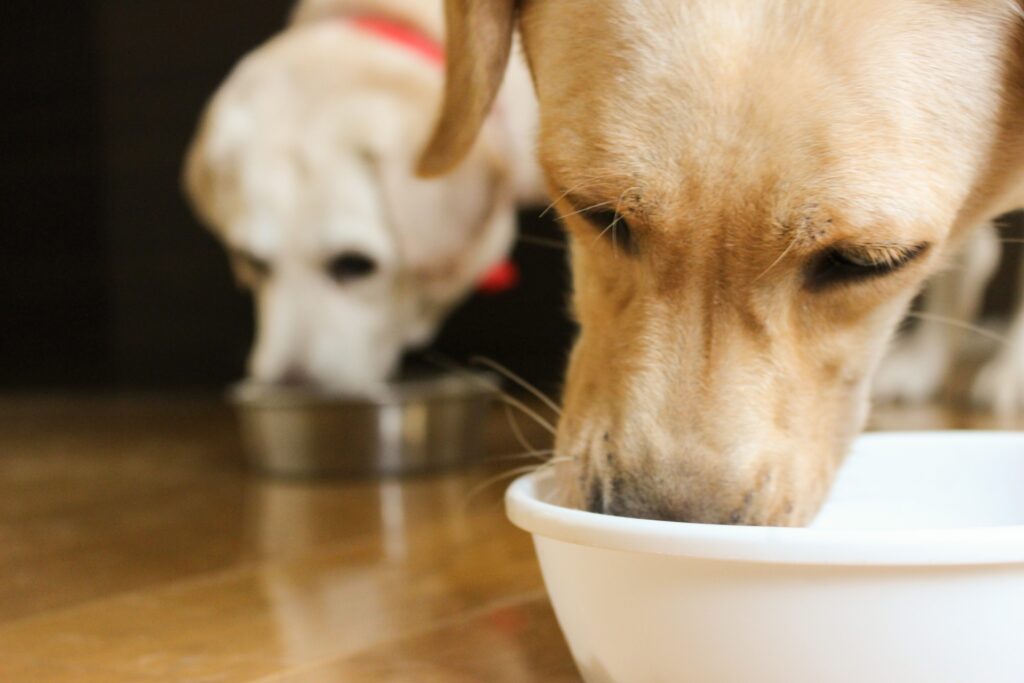
The main reason to soak dog food is when your dog is not feeling well or has no appetite.
Owners often soak their dog's food in the hopes that soaking it will improve digestion and absorption and provide their dog with as much nutrition and hydration as possible.
Here are three things to keep in mind to avoid negating the benefits of soaking dog food.
Do not use boiling water
Vitamins and other nutrients contained in dog food are particularly sensitive to heat, so using boiling water can destroy these nutrients. To prevent this, always allow boiled water to cool to lukewarm water before using it.
Also, if you soak dog food in boiling water, you may end up giving it to your dog while it's still hot.
There's a risk of burns, so be careful about the temperature of the water you use to soak it.
Feed the lukewarm water used to soak the dog food together
The water used to soak the dog food contains dissolved nutrients, so it would be a waste to throw it away.
To promote growth and maintain health, use the remaining water to make a nutritious soup and give it to your dog along with the food.
Soak only one serving
Dry dog food is characterized by its low moisture content and long shelf life.
Soaking dog food allows it to absorb a large amount of moisture. Moisture makes it easier for bacteria to grow,
causing it to deteriorate more quickly than usual.
Do not prepare soaked dog food in advance; instead, make only one serving each time.
Also, if your pet has left over food, do not give it to them as their next meal.
Summary
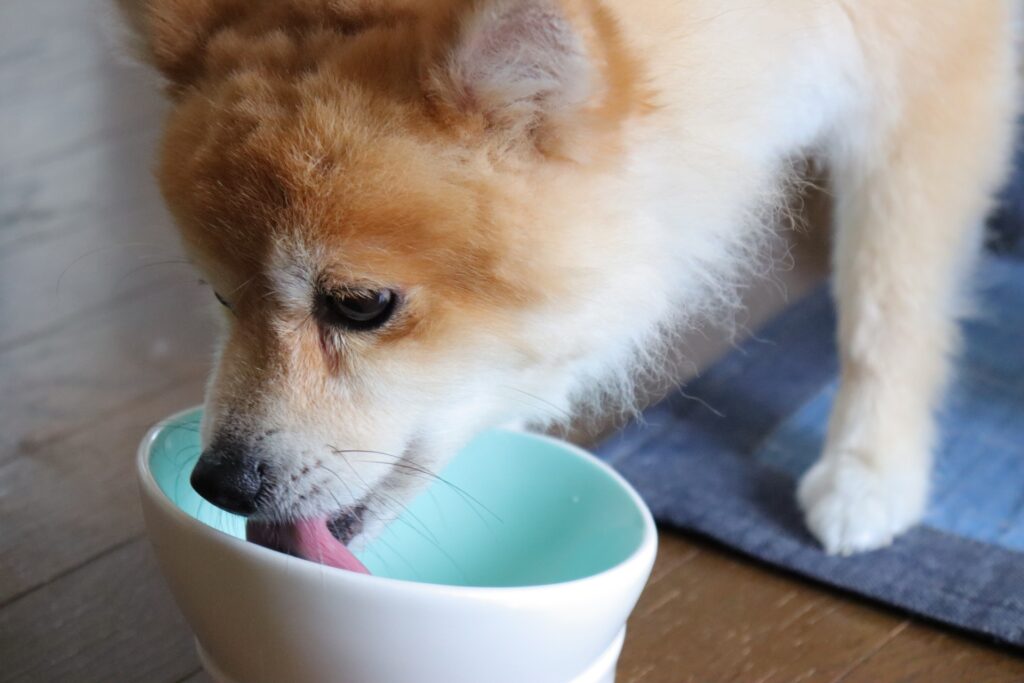
Soaking dog food is an effective way to solve the following problems:
- Ensuring that puppies, older dogs, and adult dogs with weakened digestive functions and stamina can get enough nutrients and hydration
- Ensuring that dogs with voracious appetites who need to diet can feel satisfied with smaller meals
For healthy adult dogs, this is not always a good thing.
As mentioned above, soaked dog food can easily get stuck in their teeth, causing oral problems. Furthermore, eating only soft foods can underdevelop the jaw and mouth muscles, potentially harming their health.
Feed your dog food in small amounts depending on its condition.
When feeding your dog softened dog food, be sure to also provide oral care afterward.
It can be very worrying for owners when their dog doesn't eat as much dog food as they'd like.
If your dog has a poor appetite or is not feeling well, please give this a try.



![[Baby dog allergies] Precautions and benefits](https://with-my-dog.com/wp-content/uploads/2022/07/image8-12-150x150.jpg)

![[Detailed explanation] How much does it cost to neuter a dog? Can insurance be used?](https://with-my-dog.com/wp-content/uploads/2022/03/22930207_sのコピー-150x150.jpg)