

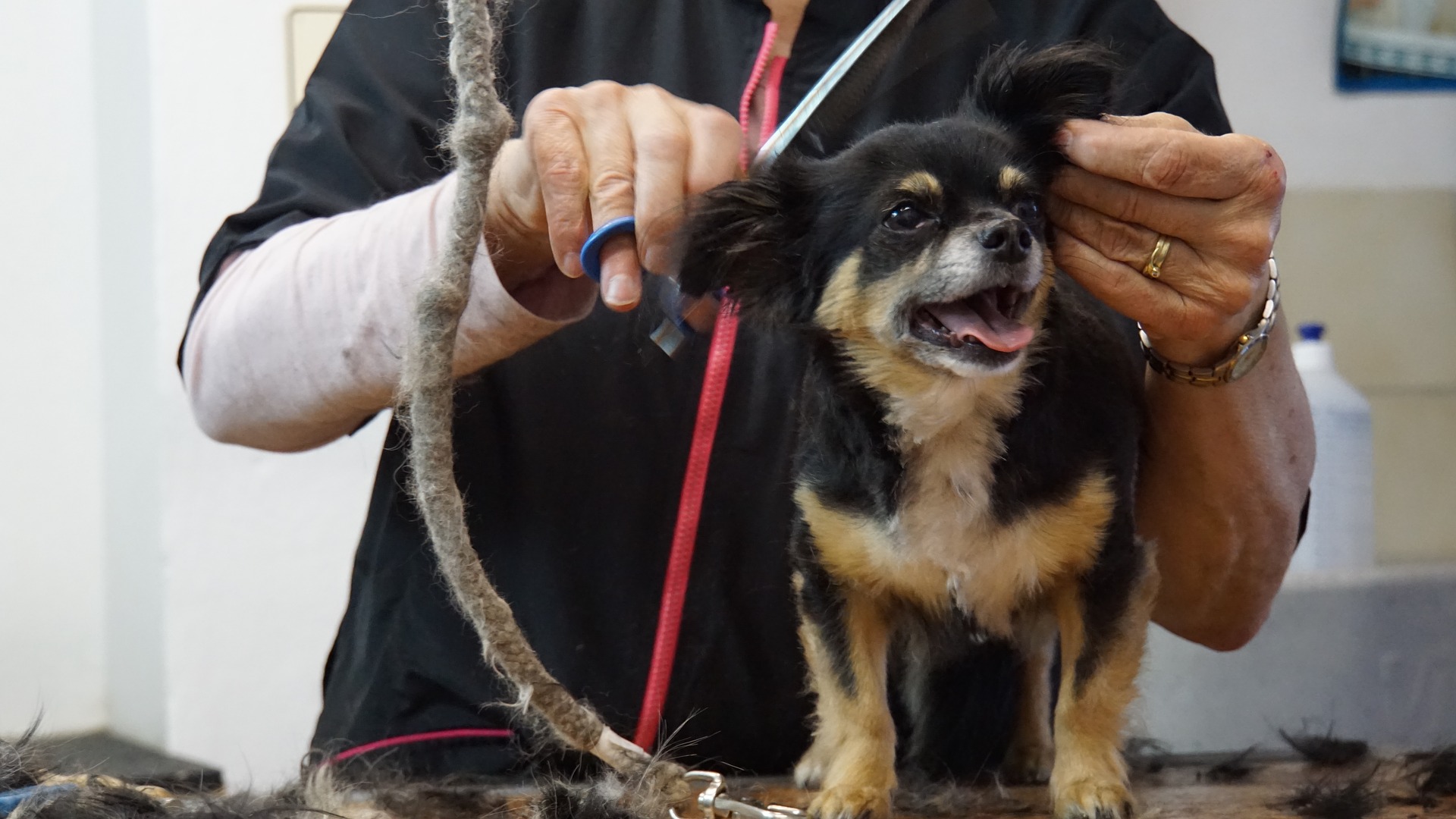
Hello, dog lovers!
How do you stay in good health?
- Manage your body temperature
- Dress appropriately for the season
- Eat seasonal foods
- Exercise moderately
And so on, there are many other things to consider!♪
As the title suggests, this column will focus on "diet"! Diet is essential for survival, whether for humans or dogs.♪
Are there any dietary considerations you take care of?
- Choose domestically produced ingredients
- Eat a balanced diet with PFC nutrition in mind
- Try to eat additive-free foods
- Be careful not to overeat
- Be careful not to consume too much sugar, oil, etc.
There are many other points to pay attention to!
What do you focus on when eating? As the title of this article suggests, let's learn a little about additive-free foods!
What's so good about additive-free foods?
When it comes to additive-free foods, many people probably only think of them as "good for your health" and don't know much about them.
Let's take a closer look at additive-free foods!
Additive-free foods are foods that do not contain any of the substances classified as "food additives" or "synthetic additives." While additive-free foods are often perceived as being healthy, for the sake of your family and pets, it's important to understand additives properly and choose foods that benefit everyone. ♪
For example, nigari, which is essential for making tofu, is also a type of additive. There's little image of nigari being bad for you. The tofu example doesn't necessarily mean "additives = bad."
However, there are certainly additives that should be avoided.
Food additives are basically used to reduce costs and labor for mass production. They are used to adjust the taste, appearance, and aroma, to extend shelf life, and to sell at the lowest possible price.
Kinarino lists them as follows.
You've probably heard that they're often found in convenience store bento boxes and commercially available processed bread. Even if they look delicious, be careful not to consume too much!
Be careful of colorants used in processed meats, food colorings used in brightly colored sweets, and mold inhibitors used in imported citrus fruits. If you're concerned, check the food additive list to see if they're safe. Junk food and convenience store meals often contain many additives, so avoiding them is one way to avoid them.
The same website also states that you should be careful not to consume too many!
On the other hand, the benefits of additives include:
- Improve shelf life
- Make food look more appetizing
- Improve texture
- Enhance flavor
- Improve aroma
- Supplement nutrients
However, experiments using rats have shown that some of these substances may be carcinogenic or have a high risk of causing allergies.
While it is difficult to prove a causal relationship between disease and food additives, considering the increasing incidence of allergies, lifestyle-related diseases, and cancer in modern people who are consumed with additives, it is probably best to avoid foods with a high additive content as much as possible.
As noted in the Shokutaku Column, while additives meet the needs of mass production and mass consumption in modern society, you should be careful not to eat too much!
Also, while it varies from person to person, some people have reported that avoiding food additives has improved their intestinal environment, alleviating or alleviating atopic dermatitis and hives, and even clearing up their skin!
Many people have also reported that their dog's constitution has improved by switching to additive-free food.
Additive-free food for dogs too!
According to the dog food website "Dog Food God," it's a good idea to pay attention to the following five additives when choosing dog food!
| Coloring Agents | Titanium dioxide, Red No. 2, Red No. 3, Red No. 40, Red No. 105, Yellow No. 4, Yellow No. 5, Yellow No. 6, Blue No. 1, Blue No. 2, Blue No. 102, etc. |
| Antioxidants | BHA (Butylhydroxyanisole), BHT (Butylhydroxytoluene), Ethoxin, Propyl Gallate, Erythorbic Acid, Sodium Erythorbate, etc. |
| Preservatives | Potassium Sorbate, Sorbic Acid, etc. |
| Color fixative | Sodium nitrite |
| Humectant | Propylene glycol (prohibited for use in cats). |
When choosing dog food, it's best to choose one that clearly states whether the meat or fish contains antibiotics or hormones!
To find the best dog food, pay close attention to the ingredients and look for certified organic dog food so your dog can eat it with peace of mind. ♪
Our dog food, "Mishwan," is also "human-grade" so it's safe for dogs!
In addition to being grain-free and rich in vitamin B, it's also ideal for maintaining your dog's health and nutritional balance, including helping to maintain a healthy coat and prevent skin irritation!
Please take this opportunity to try it out♪







![[Free] 5 dog foods you can try! Depending on your dog's growth and preferences](https://with-my-dog.com/wp-content/uploads/2022/07/image7-12-150x150.jpg)





![[Sheltie puppies] Check breeder information for baby dogs](https://with-my-dog.com/wp-content/uploads/2022/01/image1-300x199.jpg)