
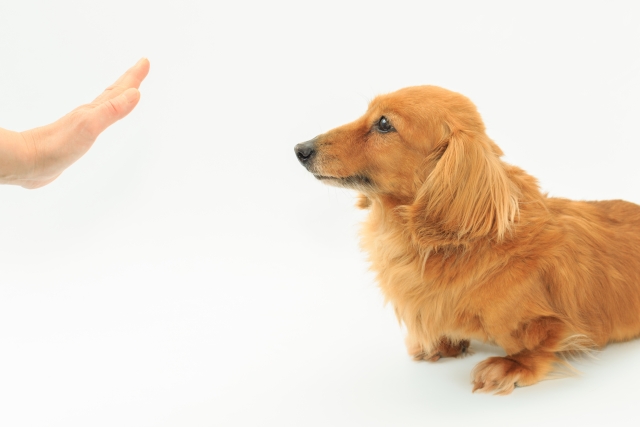
The biggest problem when bringing a dog indoors is the toilet.
Many people worry about whether their new dog will be able to use the toilet properly.
Toilet training is the first thing owners do with their dog. Toilet training begins the day you bring your dog home. Repeatedly praising your dog when it does something well helps your dog learn by giving it a chance to build up successful connections.
If you learn how to toilet train your dog and where to place it in advance using this article, you'll have peace of mind when you bring your new dog home. Please use this as a reference!
Toilet training is especially important for indoor dogs!
Toilet training is very important for dogs and humans to live together. If your dog isn't toilet trained, you'll have to clean up more often due to accidents. This is extremely stressful for both the owner and the dog.
If your dog isn't potty trained, it will be difficult to travel by vehicle. You won't be able to take your dog on trips.
You should also change your mindset that "it's okay to potty on walks." Whether it's bad weather like a typhoon or snow, or when you or your dog are feeling unwell, it's not a good situation if your dog can't potty unless you take it for a walk.
As you can see, potty training is extremely important for both your dog and you, ensuring a fun and comfortable life.
How to Choose an Indoor Dog Potty
When toilet training, the type of litter box, where in the room, and how to place it are also important.
Dogs use toilet sheets either laid directly on the floor or placed in a litter tray. So, what kinds of litter boxes and trays are available?
Here, we'll introduce how to choose a litter box and tray and the best location for the litter box.
【Indoor Dog Toilet】Toilet Sheet
There are three standard sizes of toilet sheets:
- Regular
- Wide
- Super Wide
Generally, the recommended size varies by breed, with "regular" being recommended for small dogs and "super wide" for large dogs.
However, for puppies that urinate frequently, we recommend using a combination of toilet sheets, such as two small ones rather than one large one.
Also, if you're concerned about leaks, you can prevent them from leaking onto the floor by placing two small ones on top of one large one. This is both efficient and economical, as you only need to replace the dirty ones.
Adult and large dogs tend to produce larger amounts of feces per trip, so use a toilet tray that is the appropriate size for your dog, as recommended by the manufacturer. We recommend a size that is approximately 2-3 times the dog's body length, so that the dog's entire body can fit inside.
【Indoor Dog Toilet】Toilet Tray
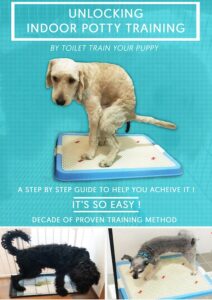
Toilet sheets can be used by placing them directly on the floor. However, sheets placed directly on the floor tend to slip during toileting and may be chewed or accidentally swallowed. Therefore, it is recommended that you use toilet sheets in combination with a toilet tray.
There are three types of toilet trays:
- Plain type
- Leg-raising type (L-shaped)
- Splash prevention type (enclosure type)
Choose the appropriate type based on your dog's gender, breed, and environment.
The toilet tray not only securely holds the toilet sheet in place to prevent leaks and accidental ingestion, but also prevents the toilet from spilling out of the tray if it's large. Additionally, a litter tray also helps your dog recognize where the litter box is, making it effective for toilet training.
【Indoor Dog Toilet】Location
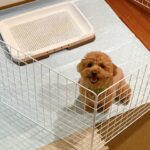
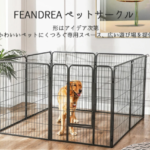
Place the litter box in an environment that makes it easy for your dog to use the toilet. However, the best litter box location differs for puppies and adult dogs. For puppies, we recommend placing the litter box inside the cage. At first, let your dog use the cage freely. Once your dog gets used to it, clearly separate the litter box from its sleeping area.
Once your dog becomes an adult, place the litter box outside the cage. It's best to place the litter box in a place where your dog feels comfortable, such as the bathroom, washroom, or a corner of the room, away from the dog's sleeping area. Make sure it's a place where people won't notice you.
It's important to adjust the litter box location based on your dog's growth and training progress.
How to Toilet Train an Indoor Dog
Once you've decided to live with your dog, the first thing you need to think about is litter box use. It's important to prepare the necessary items, such as a cage and litter box sheets, as well as decide where you want your dog to use the litter box.
Once you're ready and ready to bring your dog home, how do you go about toilet training it? Here, we'll introduce you to the toilet training method.
It's best to start training your dog the day you bring it home.
Toilet training begins the day you bring your dog home.
Puppies go to the bathroom frequently, and it's possible they'll need to go right away when you bring them home. If you're not prepared, they may go to the bathroom in an unexpected place. Therefore, prepare your dog's toileting needs in advance by preparing a crate, toilet sheets, and other items.
At first, cover the entire cage with toilet sheets so your dog can use the toilet whenever he wants. Once he's settled on a specific spot to use the toilet, gradually reduce the number of toilet sheets. Finally, place a toilet tray in the spot he uses most often and use that as his toilet.
Determine the timing of excretion
Dogs tend to use the toilet most easily when they wake up, after eating, or after playing. It's important not to let your dog out of the cage during these times, and ensure that he can go outside after using the toilet.
Puppies go to the toilet every 30 minutes to an hour. As they get a little older, the intervals will increase to about 2-4 hours. While training your puppy, it's a good idea to keep a record of their toileting times. This will help you put them back in their crate when it's time to go, preventing accidents.
Also, if you can understand your dog's behavior before going to the toilet, such as sniffing or circling around looking for a spot, you can determine when to put them back in their crate. The key to toilet training is to prevent your dog from making mistakes as much as possible.
Encourage your dog to use the toilet consistently, and praise him when he does it well. Repeated success will help your dog learn to use the toilet.
What should I do if my dog won't learn to use the toilet?

Dogs thrive when praised.
Two important things about toilet training are to praise your dog when it succeeds and not scold it when it fails.
If you can determine your dog's toileting timing and effectively encourage it, the success rate will increase. And when it succeeds, give it plenty of praise. In this way, toilet training is about patiently continuing the "do it → praise" pattern.
And it's important to never scold your dog, even if it fails. Also, if the smell remains, your dog may do it in the same place again. Therefore, if your dog makes a mistake, immediately clean the area thoroughly to prevent any lingering odors.
Praise your dog if it succeeds, and clean the area immediately if it fails without scolding. Be patient and keep on trying until your dog is fully trained to use the toilet.
Summary: Toilet-train your dog while adapting to your needs!
Toilet training is one of the most important aspects of training your dog to ensure a long, happy life together. Toilet training begins the moment you bring your dog home.
Teaching rules to a dog that can't speak is very difficult. However, to make life with your dog more enjoyable, it's important to be patient and train at your dog's pace until he truly masters the toilet.
Dogs thrive when praised. And they're incredibly intelligent creatures. Praise them profusely when they do well, and never scold them when they fail. Keep working steadily.



![Popular names!? [Popular dog names ranking]](https://with-my-dog.com/wp-content/uploads/2022/07/image3-45-150x150.jpg)