[Shiba Inu] Why does he get angry when you touch his food bowl? Here are the reasons and three solutions

![[Shiba Inu] Why does he get angry when you touch his food bowl? Here are the reasons and three solutions](https://with-my-dog.com/wp-content/uploads/2022/07/image2-15.jpg)
Have you ever accidentally touched your dog's food bowl while it was eating because it was about to fall or spill food, only to have it growl or bark in anger?
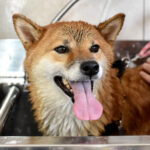
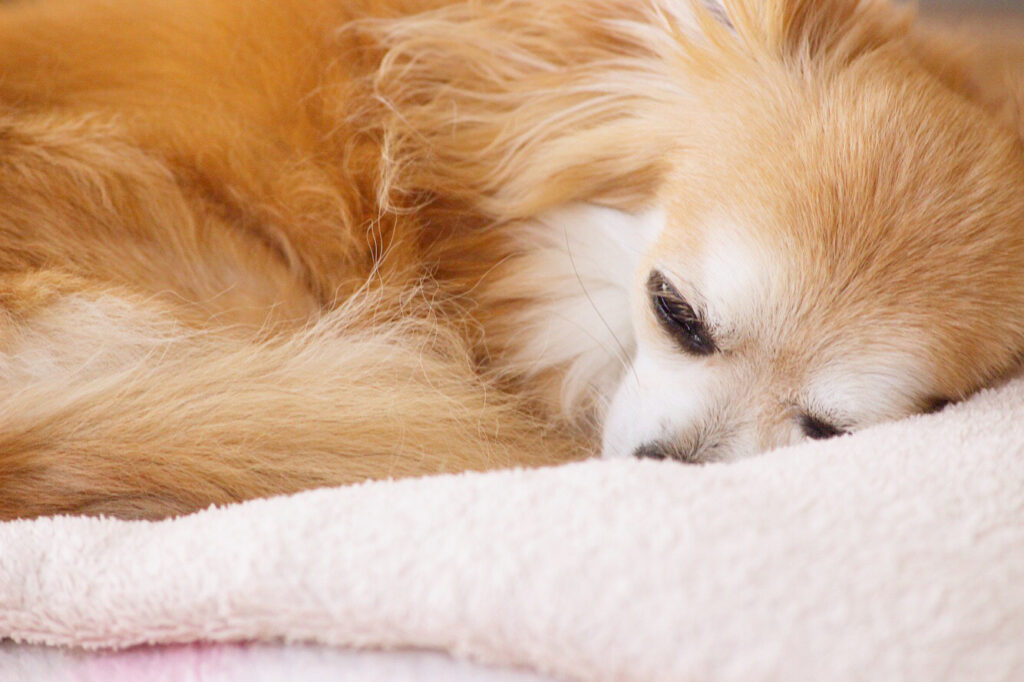
Shiba Inu dogs are known to be naturally cautious and have a tendency to get angry. Even if you do something that your dog dislikes, you might see an angry expression like the one in the photo.
Understanding why your dog gets angry when you touch its food bowl will help your dog eat in a good condition and give you peace of mind.
In this article, we'll explain why Shiba Inu dogs get angry when their food bowls are touched and what you can do about it.
Why do they get angry when their food bowls are touched?
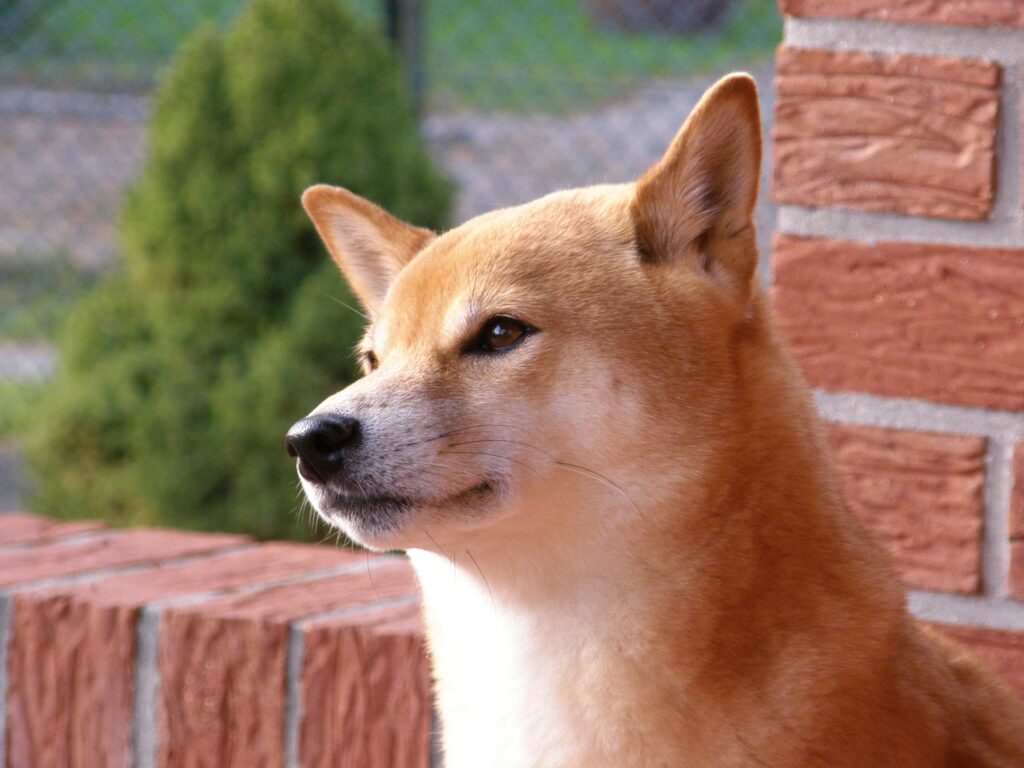
Food aggression, such as growling, barking, or biting, is when a dog approaches or touches its food bowl after starting or finishing a meal.
This behavior is caused by a strong obsession with food and an attempt to prevent others from taking food. It is said to be relatively common in Shiba Inu dogs.
Food aggression stems from the fear that someone might take their food. For example, dogs that have experienced a period when they were not given enough food or had their food forcibly taken away as part of training are more likely to exhibit this behavior.
If your dog exhibits food aggression, it's important to first ensure that your dog is able to eat in a comfortable environment.
Psychology of Angry Dogs When Their Food Bowls are Touched
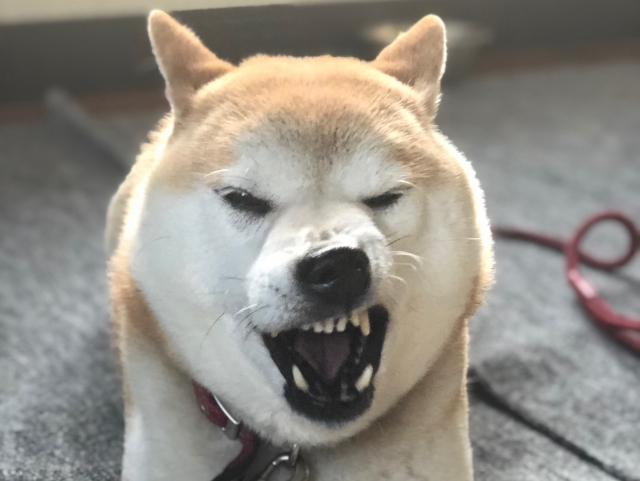
Humans also get angry when their mealtimes are interrupted. Of course, the same goes for our beloved dogs.
If your dog's food bowl is touched while he's eating, he becomes anxious that he'll be interrupted or taken away, and he becomes unable to concentrate on his meal.
In particular, carnivorous wild animals hunt, capture prey, and eat.
When your dog gets angry when its food bowl is touched, it's likely due to the same psychological state that wild animals experience when someone steals something they caught.
Also, if you're concentrating on eating and someone suddenly reaches out, you're probably startled. Your dog may also be surprised by the suddenness of the situation.
In general, it's not a good idea to touch your dog's food bowl or its body while it's eating. Even if it's just for training purposes. In any case, let your dog eat in peace.
Three Recommended Strategies to Avoid Anger
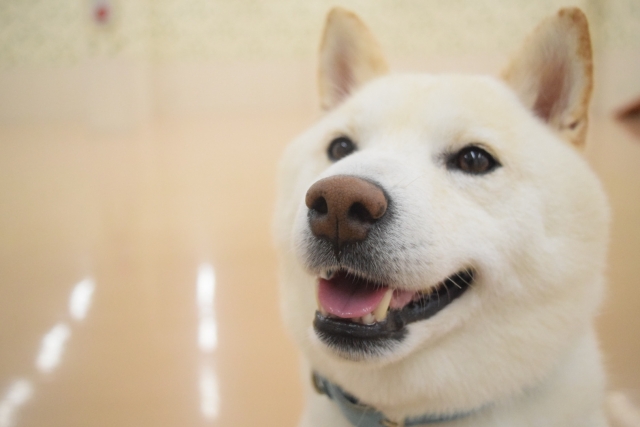
While it's important for owners and their dogs to maintain a relationship that prevents food aggression, forcing discipline can be counterproductive.
First and foremost, it's important to create an environment where your dog can eat with peace of mind. So, how can you create such an environment?
Here, we'll introduce three recommended methods for dealing with food aggression.
① Change the way you feed your dog
Many dogs eat their meals in a designated place, such as in a cage.
If your dog is food aggressive, it may be that he feels anxious about the eating area. Conversely, it may be that he is attached to that place. Therefore, changing the eating area is a good solution.
Also, since the obsession may not be limited to the food itself or the eating area, but may also include the food bowl, it may be a good idea to try changing the feeding bowl.
As such, food aggression may not only be caused by the food itself, but also by an attachment to the way it's fed or the environment. First, try changing the way you feed your pet.
② Stop using "wait" and "hold" commands
Some owners may be training their dogs to "wait" or "hold" before meals.
Not being able to wait for food to be prepared is a problem, but forcing your dog to wait or hold a bowl of food in front of it is not teaching your dog to wait; it is forbidden to eat.
When your dog is forced to wait or hold its food bowl, it may become anxious about not getting its food, which may increase its desire to eat, leading to eating quickly or even an obsession with the empty bowl. It's a good idea to devise a way to set a clear boundary, such as allowing your dog to eat as soon as it sits, rather than making it wait or hold its food.
③ Change your dog's perception of human hands
It's also important to teach your dog that your hands are not meant to take food from him. The following training is also effective in enhancing recognition.
1) Prepare two food bowls, place one empty in front of your dog, and hold the other with the required amount of food.
2) Have your dog sit in front of an empty bowl, then remove about one-fifth of the food from the bowl and place it in the empty bowl while saying "please."
3) Once your dog has finished eating, have him sit again and repeat the same process to place food in the bowl.
By repeating this process, your dog will learn that your hand is not an interruption to its eating, but rather a means of giving it food. You can also associate "please" with a signal that food is available.
At first, when you say "please," immediately pull away your hand. Once your pet gets used to it, practice adding more food while it's eating.
Don't try to force your hand
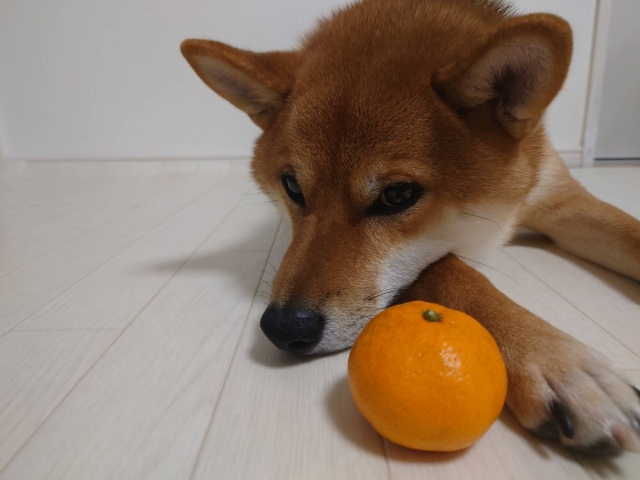
Properly training your dog is crucial for living with humans, but it's important to understand that asking for more than necessary is never proper training.
First, make sure your dog understands that its owner's hands are not something it dislikes. It's also important for owners to make some adjustments, such as changing the feeding bowl to one that's easier for your dog to eat from or making sure the bowl stays in place.
Summary
When an owner notices that their dog's food bowl is about to fall or the food is about to spill, they may instinctively reach out to help.
However, even if an owner reaches out with good intentions for their dog, their dog may not always understand.
In turn, it's important for us to understand their feelings and help them eat with peace of mind.
Building a trusting relationship around eating begins the moment you bring your dog home. Be careful, as taking away food if your dog doesn't do it properly can be counterproductive.
To ensure your dog stays healthy and happy forever, create an environment where your dog enjoys eating.




![[When to Neuter a Dog] Is it too late for an adult dog? Risks, advantages and disadvantages](https://with-my-dog.com/wp-content/uploads/2022/05/cocker-spaniel-g0d3ad5651_1920-150x150.jpg)
![My puppy won't learn to use the toilet [Keep training simple!]](https://with-my-dog.com/wp-content/uploads/2021/12/dog-g33cd6bf6a_1920-150x150.jpg)
![[2022 Edition!] Popular Small Dog Names](https://with-my-dog.com/wp-content/uploads/2022/04/image2-1-300x200.jpg)