


Hello, dog lovers! Winter is here, and the temperatures are getting colder.
And as the weather gets colder, humidity levels drop and the air becomes drier. People with dry skin often experience itching in the winter.
While there are many ways to combat this, such as using moisturizing creams and installing indoor humidifiers, this time we'll focus on dogs and discuss dry itch and other types of itching!
Why does itching occur in the first place?
Itchy skin is caused by damage to the stratum corneum.
The stratum corneum (each layer) functions as a barrier on the surface of the skin. External stimuli such as UV rays, pollen, and stress can cause the skin's surface to deteriorate, resulting in itching.
The stratum corneum also acts as a stopper to prevent excessive excretion of moisture and oil from the body.
Skin with a deteriorated stratum corneum is unable to retain moisture, leading to dryness. Therefore, during winter and other dry seasons, skin becomes more sensitive to external stimuli, resulting in itching.
Where does my dog's itch come from?
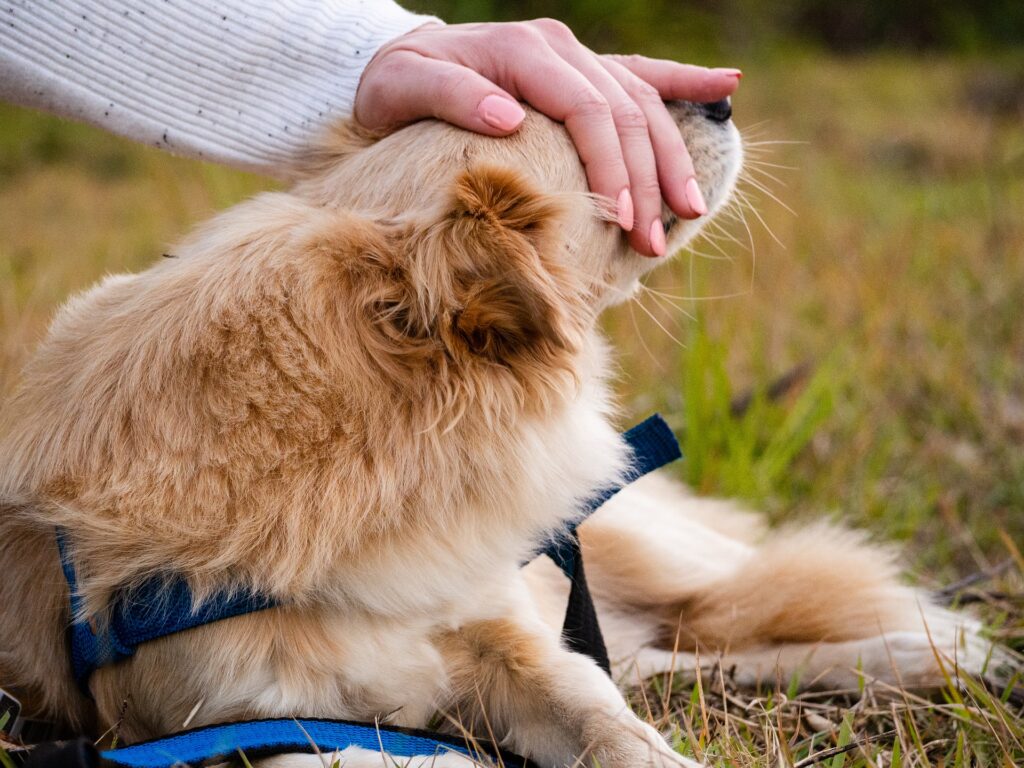
The most common itching in dogs is ear itching.
Have you ever heard of "otitis externa"?
"Otitis externa" refers to inflammation of the outer ear, which is the part of the ear that can be seen from the outside, from the opening to the eardrum.
"My dog has recently started shaking its head frequently and scratching its ears with its hind legs..."
"My dog's ears have a foul odor."
If you experience any of these symptoms, you may be suffering from otitis externa.
Let's learn about the causes, treatment, and prevention of otitis externa during the dry winter months and skin stress.
Why does otitis externa occur?

According to the "Dog Life Encyclopedia," there are five factors that contribute to this:
Poor ventilation
Unlike humans, dogs' ear canals are "L-shaped" with vertical and horizontal sections, making ventilation difficult. Factors that predispose dogs to otitis externa include floppy ears, narrow ear canals, and excessive ear hair. These factors further reduce ventilation in the ear canal, creating an environment conducive to the growth of bacteria and fungi, which can worsen otitis externa.
Direct causes of otitis externa include:
Foreign Body
Otitis externa can occur when a foreign object gets stuck in the ear canal. It can be caused by physical irritation, such as when your dog wanders into the grass during a walk and a plant seed gets stuck in the ear.
Allergies
Otitis externa can also occur in people with underlying conditions such as atopic dermatitis or food allergies. Itching and skin lesions are common in areas other than the ears. Dogs with allergies have a weakened skin barrier, making them highly susceptible to bacterial and fungal infections and often suffering from recurring infectious otitis externa.
Parasites
Otodeus occidentalis (mange) is a common parasite that causes otitis externa. Otodeus occidentalis, which infests the ear canal of dogs, causes otitis externa accompanied by intense itching. Along with intense itching, black to brownish-red earwax may be seen in the ear canal.
Bacteria and Fungi
The proliferation of microorganisms such as bacteria and fungi is not the direct cause of otitis externa, but it can lead to chronic and worsening conditions. While small numbers of bacteria such as Staphylococcus and fungi such as Malassezia are present in normal ears, the inflammation in the ear canal caused by the aforementioned factors creates an environment favorable for the proliferation of microorganisms, worsening otitis externa. Brown earwax and green pus may appear in the auricle and ear canal.
The above factors are the main causes of otitis externa.
Even in this cold winter, a dog's ears stay moist thanks to their fur. If they gather together, it can lead to bacterial growth and skin problems, creating a difficult situation for the dog.
Next, let's look at dog breeds that are prone to otitis externa.
What dog breeds are prone to otitis externa?
Otitis externa is more common in relatively young dogs, and the predisposing factors for otitis externa are:
- Drooping Ears
- Narrow Ear Canals
- Ear Hair
This condition seems to be more common in breeds with drooping ears or breeds prone to allergies. According to Anicom's "Household Animal White Paper," the dog breeds most commonly affected in Japan include:
- American Cocker Spaniel
- Labrador Retriever
- Cavalier King Charlie's Spaniel
- French Bulldog
- Pug
Statistics show that these include many popular dog breeds.
This includes many popular breeds, so it can be quite a challenge for owners to care for them.
Dripping earwax reduces ventilation, so it's important to wipe it off from the ears regularly and quickly eliminate any factors that may be causing itching.
Conclusion
Thank you for reading! Pet owners! Let's prevent otitis externa!









![[Dog Names] Is the Japanese name boom here?! Ranking of Japanese dog names!](https://with-my-dog.com/wp-content/uploads/2021/10/adtDSC_0871-150x150.jpg)
![[Detailed explanation] How much does it cost to neuter a dog? Can insurance be used?](https://with-my-dog.com/wp-content/uploads/2022/03/22930207_sのコピー-150x150.jpg)