
Has your dog recently started scratching behind its ears or shaking its head from side to side?
These behaviors are a sign of itching, so if they occur frequently, there may be something wrong with your dog's ears.
This article will introduce the causes, symptoms, and treatments for mold-related ear problems in dogs.
Mold in the ears!? What is Malassezia fungus?
Mold in your ears?! While this may sound a little scary, the fungus that commonly grows in dogs' ears is called Malassezia.
Malassezia lives on sebum as a nutrient source. Malassezia is a type of yeast-like fungus, and is actually a beneficial fungus, similar to the yeast used in baking.
Therefore, Malassezia itself does not cause illness in dogs.
Causes and Symptoms of Malassezia Fungus (Mold) Outbreaks
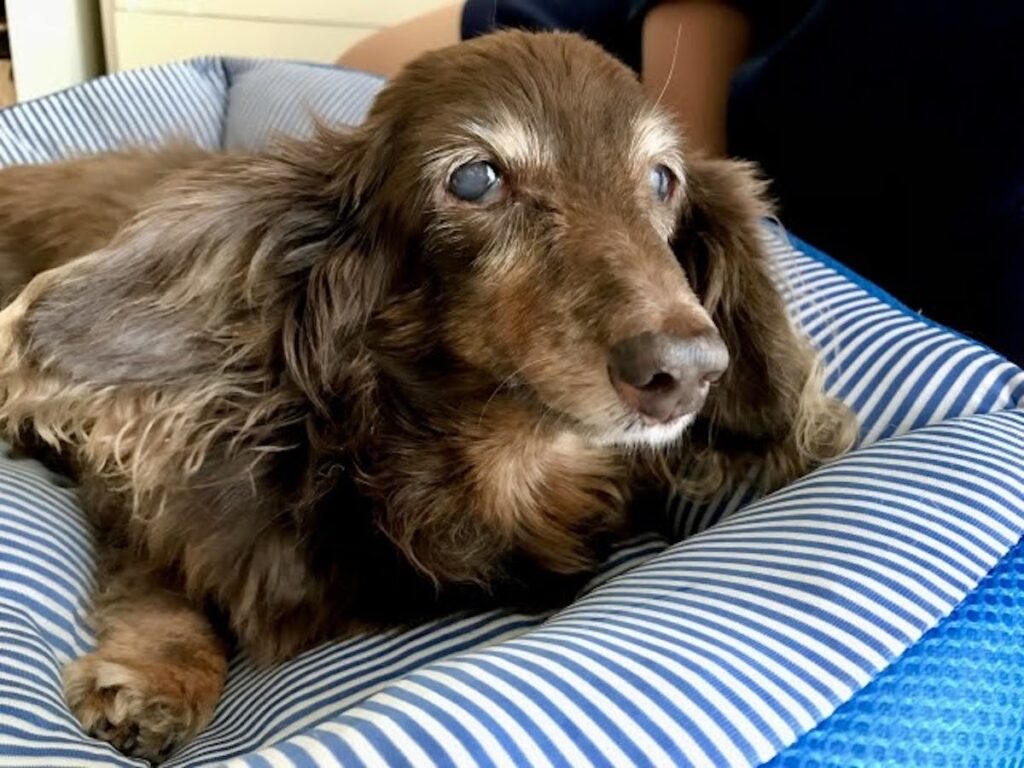
First of all, Malassezia is a normal fungus, meaning it's always present on a dog's skin.
So far, you might think this fungus isn't particularly problematic, but in fact, Malassezia is involved in 70-80% of cases of otitis externa in dogs.
As mentioned earlier, Malassezia is a fungus that's always present, so its presence isn't a problem.
However, if Malassezia overgrows in certain environments, excessive earwax buildup can occur.
When earwax accumulates, it can cause a distinctive odor and eventually lead to illnesses such as otitis externa. Additionally, fatty acids produced by the breakdown of lipids can penetrate the skin and cause irritation, leading to inflammation.
Malassezia fungus itself does not harm dogs, but because excessive growth of Malassezia fungus can cause earwax buildup and lead to illness, it has become known as a cause of disease.
How to Treat Malassezia Fungus
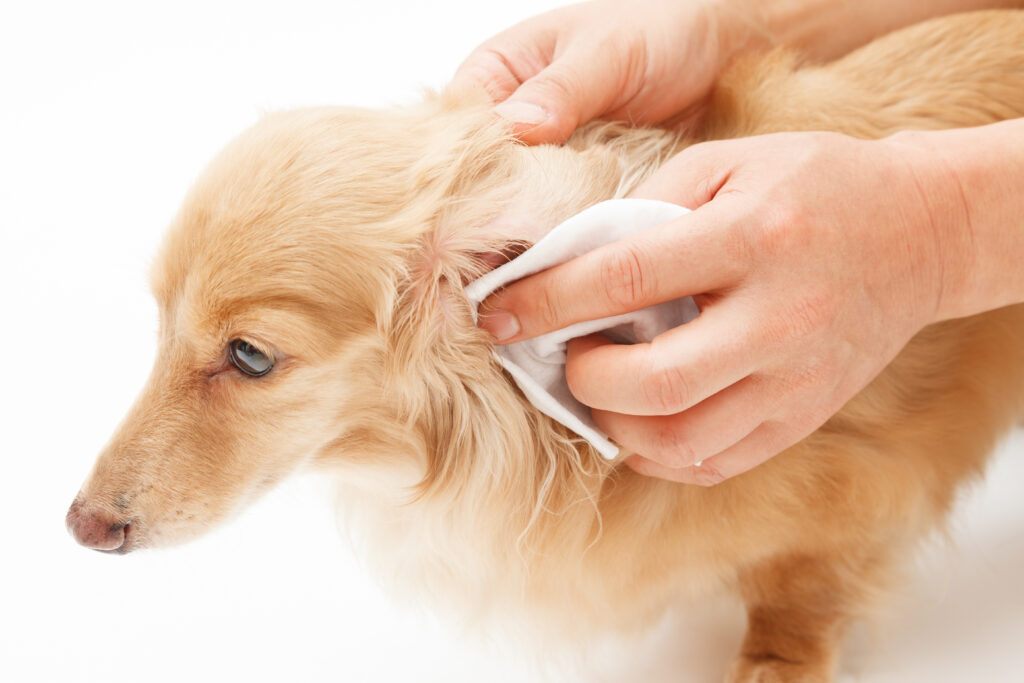
So, what should you do if your dog starts to show signs of illness due to the overgrowth of Malassezia fungus?
This article will introduce some treatments.
Regular Health Management
Malassezia often develops in dogs with pre-existing skin problems or illnesses. Therefore, even if symptoms temporarily improve with treatment, they are likely to recur.
While dirt inside the ears can cause this condition, it can also occur more easily when your pet's physical strength is low. To prevent future recurrences, it's important to maintain good health and maintain a healthy immune system.
Just like with humans, encourage your pet to eat a balanced diet, exercise, and create a stress-free environment.
Clean Your Ears
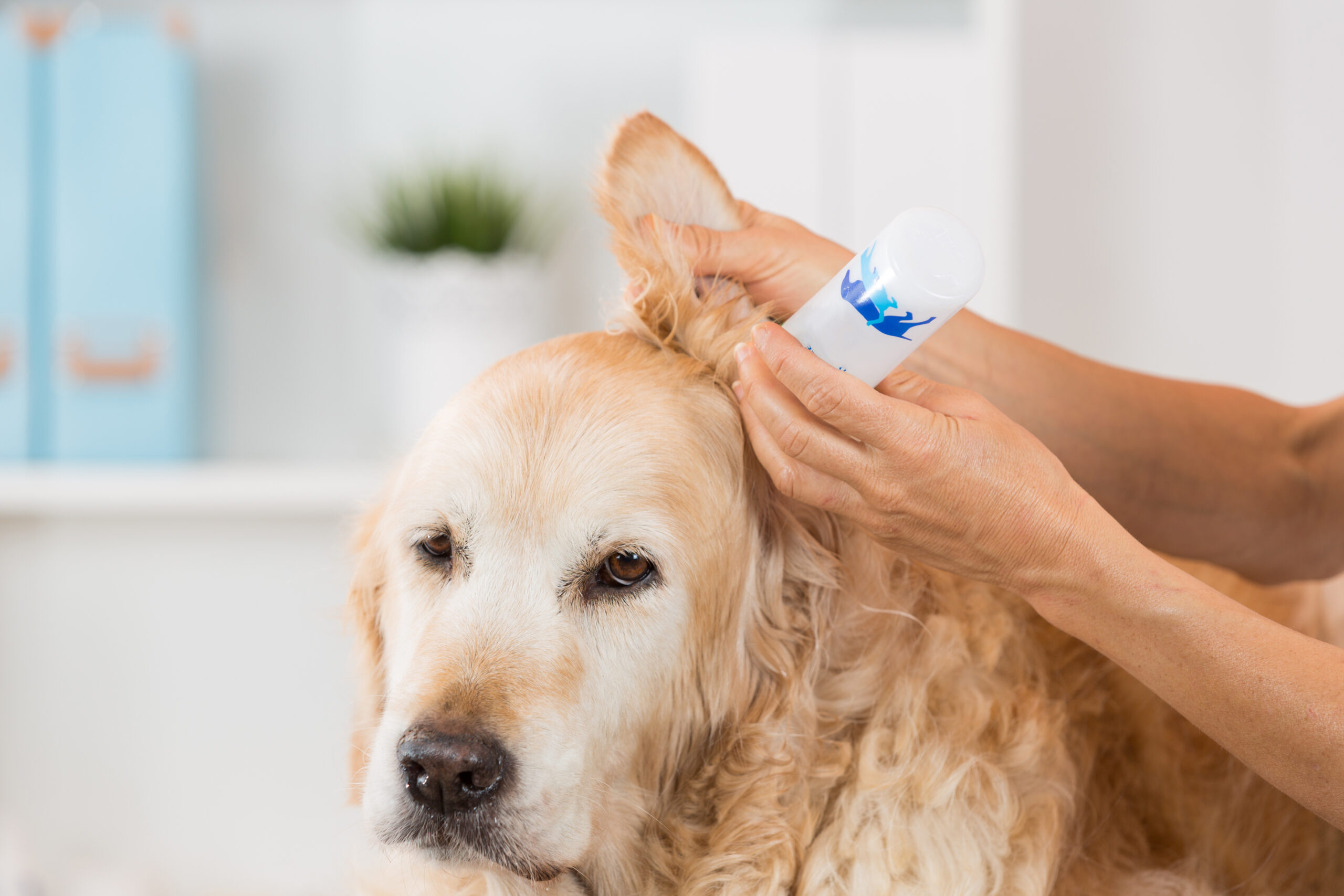
The most important thing is to keep your pet's ears clean.
As mentioned above, when Malassezia fungi overgrow, the broken down sebum turns into earwax, and the accumulation of this earwax can lead to otitis externa.
For this reason, it is effective to thoroughly remove earwax if there is an excessive buildup. However, be careful not to clean your dog's ears too often. Overcleaning your dog's ears can actually stimulate sebum secretion, which can have the opposite effect.
It's best to clean your dog's ears about once a week.
Clean Your Body Too
Malassezia fungi are found not only in the ears but also on the skin of the body. Even if you only clean your ears, if there is a lot of Malassezia fungi on the body, it can affect your ears as well.
Malassezia fungi live on lipids, so you should clean your body with shampoo. This shouldn't be too frequent, about twice a month, and be sure to dry your pet thoroughly after shampooing. It's especially important to thoroughly dry areas that are difficult to dry, such as inside the ears and between your fingers.
Also, since many human shampoos are too harsh for washing the body, we'll introduce some dog shampoos.
Profem Basic Shampoo
Profem Basic Shampoo is a series formulated with ingredients designed to be gentle on dogs' sensitive eyes and ears, as well as moisturizing ingredients. It contains no artificial coloring agents and has a subtle scent, so there's no unpleasant odor that might stress your dog after shampooing. It also features good foam rinse-off and a minimal sticky feeling after shampooing.
Red Heart Natural All-Breed Shampoo
Dogs have a small amount of oil on their skin, which protects their skin and fur. Therefore, removing all of the oil with shampoo is counterproductive in protecting their skin. This natural shampoo was created with your dog's skin in mind. It's completely chemical-free and uses natural herbs and food extracts to gently cleanse away dirt from your dog.
Kitagawa Natural Shampoo
This product is the only alkaline shampoo available. Considering the nature of skin and fur, mildly acidic shampoos tend to receive higher ratings, but there's a reason why this shampoo remains popular. A major factor is its stress-free nature for dogs. It contains no fragrances or colorings, and is virtually odorless during and after shampooing.
It doesn't lather well or leave a slimy feeling after shampooing, making it stress-free for your dog. However, because it is an alkaline shampoo, your hair may become rough and stiff after shampooing, so you will need to finish with a special conditioner, so be sure to purchase that as well.
Don't push your pet and treat it at a veterinarian
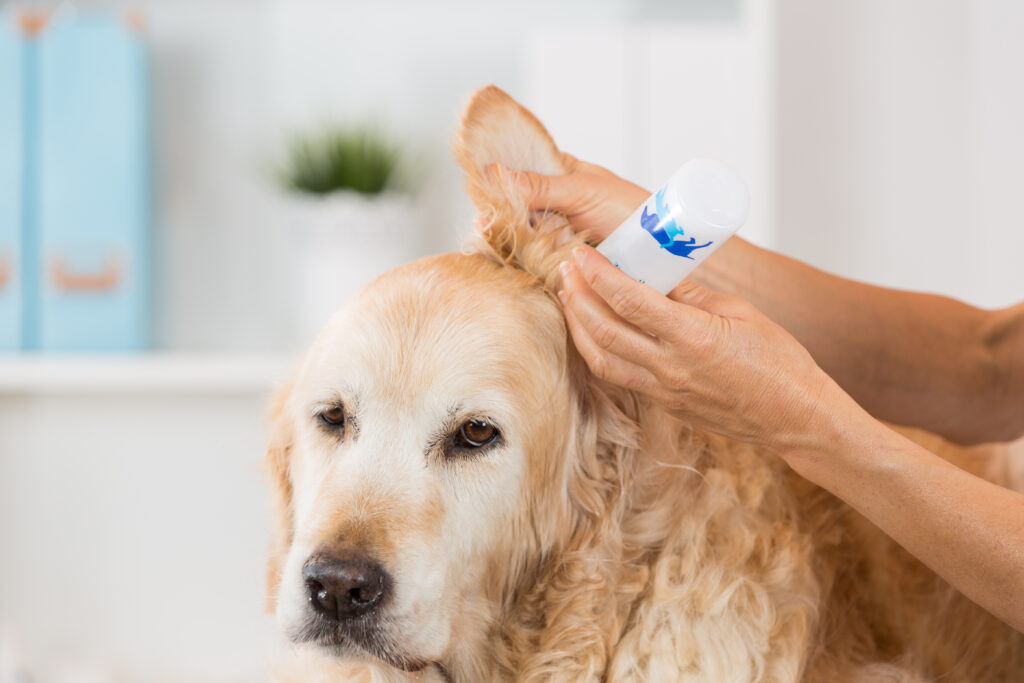
If your pet develops otitis externa due to Malassezia fungus, take it to the vet as soon as possible.
If your pet has otitis externa, tampering with it yourself may make it worse.
The above tips are only intended to help prevent symptoms such as otitis externa from appearing. If you notice any obvious abnormalities, it's best to take your pet to the vet immediately.
Summary
You might be surprised at first to find mold in your dog's ears, but as you can see, it's not a particularly harmful fungus.
Malassezia fungi are a normal fungus that are always present on a dog's skin. However, if they overgrow, they can cause the symptoms described here. Therefore, it's important to create an environment that's as unfavorable for their growth as possible by shampooing your dog and lightly cleaning its ears.
To ensure your precious dog's long-lasting health, ensure that it lives in a healthy environment.



![[I love both!] Can you keep dogs and cats together? Here are some tips and tricks to keep in mind](https://with-my-dog.com/wp-content/uploads/2022/07/image3-18-150x150.jpg)