

![[Choosing dog food for health] 5 recommended low-fat dog foods](https://with-my-dog.com/wp-content/uploads/2022/07/image4-4.png)
- Your dog has entered its senior years.
- Your dog's vet has told you that it's overweight.
For reasons such as these, some dog owners may be considering switching to low-fat dog food for their dog's health.
For both humans and dogs, obesity increases the risk of disease.
However, we do not recommend simply switching your dog to low-fat dog food for weight loss purposes. In fact, dog foods labeled "low-fat" may actually make your dog gain weight.
This article explains the characteristics of low-fat dog food and the types of dogs it is suitable for, aimed at owners who are considering low-fat dog food to prevent or improve their dog's weight gain.
We'll also introduce some recommended low-fat dog foods, so please take a look.
Let's first learn about the role of fat in dogs!
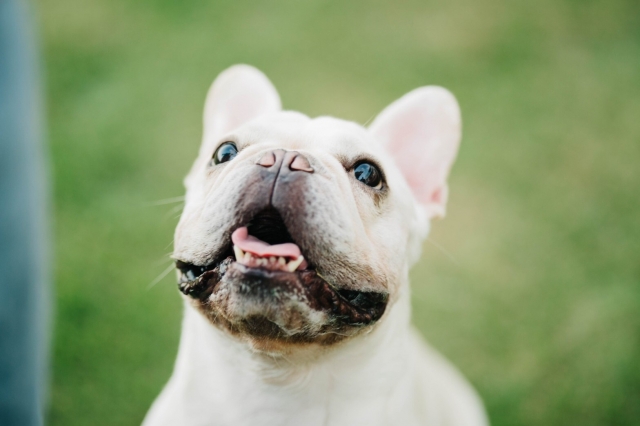
Fat is an important source of energy for dogs. In particular, essential fatty acids (omega-6 and omega-3 fatty acids) cannot be produced by dogs, so they must be obtained through their diet.
A deficiency in omega-6 and omega-3 fatty acids is said to increase the risk of skin diseases and slow wound healing. Omega-3 fatty acids, in particular, are said to boost immunity and improve allergies, making them an important nutrient for dogs with allergies.
Of course, excessive fat intake is not good, as it can lead to obesity and increase the risk of pancreatic and liver disease.
For your dog's health, it's best to adjust the amount of fat to suit his constitution and physical condition rather than drastically reducing it.
What is low-fat dog food?

Currently, there are no clear standards for what constitutes "low fat" in low-fat dog food.
However, because the average fat content (per 100g of dry food) in commercially available dog food is said to be 13-14%, dog food with a fat content of 12% or less is generally labeled "low fat" or "low fat" on its packaging.
Incidentally, if you need to choose a "low-fat" dog food for your dog's health, choose one with a fat content of 10% or less. Furthermore, when choosing dog food, it's not enough to simply choose a low-fat food; the ingredients used in its preparation are also important.
First, choose dog food that uses meat or fish as its primary ingredient, rather than grains. This is because grains are carbohydrates.
It's said that when humans consume a lot of carbohydrates, the excess energy stored in the body becomes fat. Dogs can also experience the same problem: "I chose low-fat dog food, but I ended up feeding my dog a high-grain food and he ended up gaining weight!" So, be careful.
Grain-free dog food is said to be good not only for dieting but also for preventing allergies.
In summary, if you're choosing low-fat dog food for your dog's health or diet, we recommend grain-free dog food that contains 10% or less fat, meat or fish as the primary ingredient, and does not contain grains.
Which dogs are suitable for low-fat dog food?
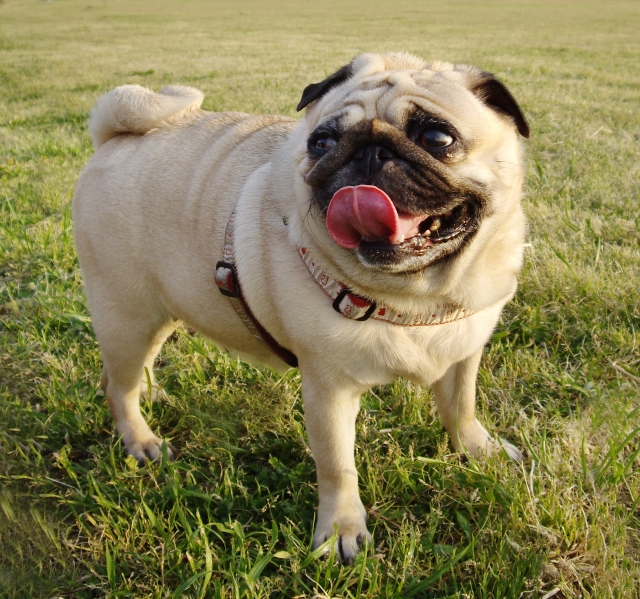
It's often thought that avoiding fat as much as possible is best for dieting and disease prevention, but moderate fat is a nutrient necessary for dogs to maintain health and growth.
So, what kind of dogs are suitable for low-fat dog food? Here, we will explain the characteristics of dogs that are suitable for low-fat dog food.
Senior Dogs
As dogs age, they lose muscle mass and their metabolism slows down.
Therefore, obesity in senior dogs can put a great strain on their internal organs and joints. Therefore, caution is required.
However, forcing your dog to diet by reducing its food intake can result in a lack of necessary calories and nutrients other than fat, which can lead to poor health. Therefore, for senior dogs, choose a low-fat dog food with a controlled fat content that still contains adequate nutrients.
Dogs with Pancreatitis
Contributing factors to pancreatitis include a high-fat diet and obesity. It is also said that high-fat jerky and human food, which are difficult to digest, stale stale food, and food picked up from the pet are also causes.
It is said that the risk of pancreatitis can be reduced by avoiding foods high in fat. Low-fat dog food is used as a dietary treatment.
However, because fat is an essential energy source for dogs, drastically reducing or eliminating it can increase the risk of other diseases. Therefore, if you are concerned about pancreatitis, choose a low-fat dog food that is easy to digest and contains a moderate amount of fresh, unoxidized fat.
Obese Dogs
If your dog's vet tells you that it's overweight, consider switching to a low-fat dog food.
Indoor dogs, in particular, tend to get less exercise and are more likely to gain weight. Owners need to not only increase exercise but also manage their dogs by minimizing treats.
However, suddenly changing your dog's habits can be stressful. Switching to low-fat dog food can help your dog lose weight without stress.
Spayed/Neutered Dogs
Spayed/Neutered dogs are said to be more prone to gaining weight because they have a stronger appetite and no longer need the energy previously needed to maintain reproductive function.
In fact, many pet owners have been warned to be careful about obesity after surgery. After spaying or neutering, even if your pet consumes the same amount of energy, it is more likely to store fat and become overweight than before surgery.
For this reason, owners should take care to choose low-fat dog food or dog food with a balanced nutritional profile specifically designed for spayed or neutered dogs.
On the other hand, which dogs are not suited to low-fat dog food?

Low-fat dog food can help prevent obesity.
However, low-fat dog food is not recommended for all dogs, and some dogs are not suited to it.
So, what kinds of dogs are not suited to low-fat dog food? Here, we will explain the characteristics of dogs that are not suited to low-fat dog food.
Puppies
Puppies grow rapidly during this period, which is when they need the most calories of their lives.
Just like humans, dieting early in life can have a negative impact on dog health. During puppyhood, it's important to feed your puppy a nutritious dog food to ensure healthy bone, muscle, and body tissue development, without worrying about obesity.
For this reason, low-fat dog food is unsuitable. As a general rule, choose a puppy food or a nutritionally balanced food suitable for all ages.
Dogs that Get a Lot of Exercise
For dogs that get a lot of exercise, low-fat dog food may not provide enough energy.
Just like humans, dogs can experience poor health, such as weight loss and lethargy, if they don't get enough energy. It's important to be careful. Conversely, it's not a good idea to suddenly reduce their exercise, as this can lead to muscle loss and increased stress.
Dogs that get a lot of exercise naturally need a corresponding amount of energy to keep them moving. Therefore, low-fat dog food is not suitable for active dogs. Choose a nutritionally balanced dog food that is appropriate for their life stage.
Top 5 Low-Fat Dog Foods
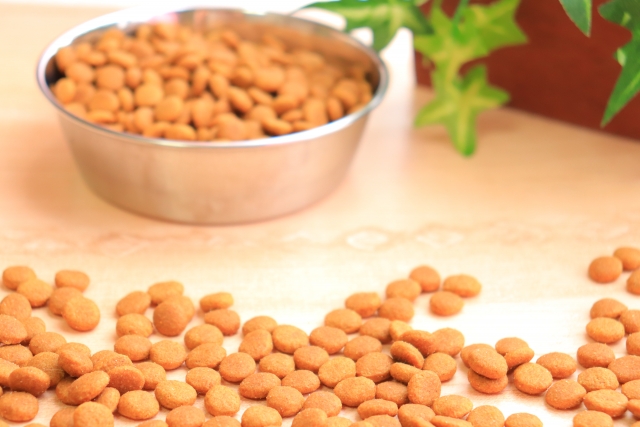
Even though it's called low-fat dog food, it's important that it's not just low in fat, but also provides your dog with sufficient essential nutrients.
So, what kind of low-fat dog food should you choose? Here are five popular and recommended low-fat dog foods.
Pon Pom Deli

Source: Pon Pom Deli
Ponpon Deli is a medium-protein, low-fat dog food with small, easy-to-eat pieces and a nutritional balance ideal for small dogs.
Made with human-grade ingredients, including chicken from Kyushu, it provides a balanced nutrition that doesn't burden the intestinal environment and helps improve eye, allergy, and coat concerns.
Below is a summary of the nutritional information for Pon Pon Deli.
▼Features of Pon Pon Deli
| Product Name | Main Ingredients | Protein (per 100g) | Calories (per 100g) | Fat |
|---|---|---|---|---|
| Ponpon Deli | Chicken (Kyushu), brown rice, barley | 21.3% | 351Kcal | 9.2% or more |
KonoKono's Food
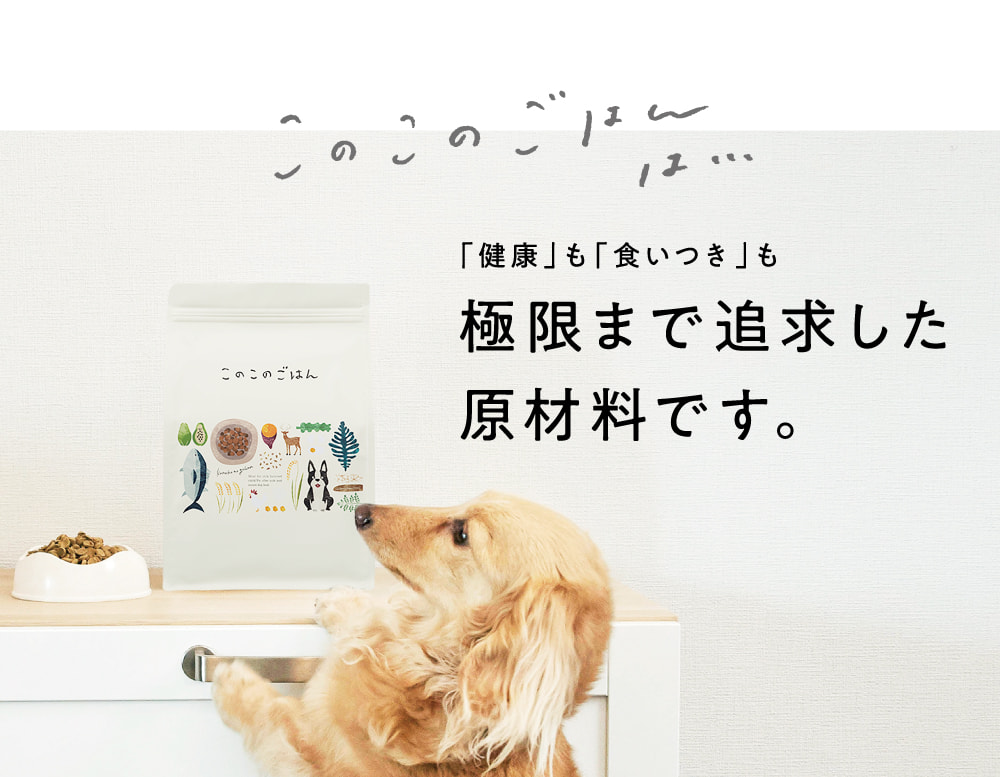
Source: Konokototomoni Gohan
Kono Kono Gohan is made with 100% meat. It's a human-grade, low-fat dog food made with domestically raised chicken, venison, and tuna.
Containing a balanced blend of B vitamins, minerals, and omega-3 fatty acids, it helps improve odor, coat condition, tear stains, and other issues.
Below is a summary of the nutritional information for Kono Kono Gohan.
▼Features of Konokono Rice
| Product Name | Main Ingredients | Protein (per 100g) | Calories (per 100g) | Fat |
|---|---|---|---|---|
| Konokono Gohan | Chicken (tenderloin and liver), barley, and brown rice | 21.5% | 342Kcal | 8.2% |
Butch
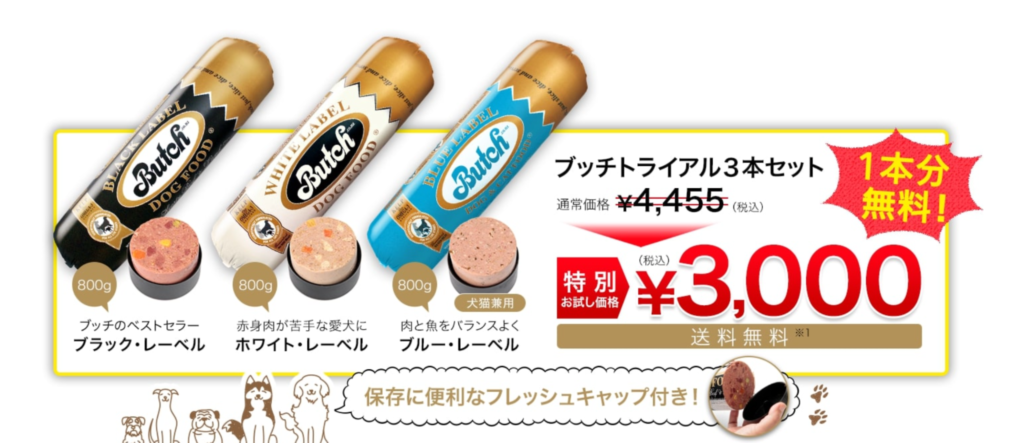
Source: Butch
Butch is an additive-free, gluten-free, wet, low-fat dog food made with 70% moisture, the same as fresh meat.
Made with human-grade ingredients, it contains a balanced blend of omega-3 and omega-6 nutrients, helping to maintain a lustrous coat even in senior years.
Below is a summary of Butch's nutritional information.
▼Butch Features
| Product Name | Main Ingredients | Protein (per 100g) | Calories (per 100g) | Fat |
|---|---|---|---|---|
| Butch (Black) | Beef 33%, Lamb 25%, Chicken 18.5% | 10.5% *Semi-cooked type | 116Kcal *Semi-cooked type | 8% |
| 10.5% ※Half-life type | 116Kcal ※Half-life type | 8% |
Dr. Care One
Source: Dr. Care One
Dr. Care One is a low-fat dog food made without unnecessary additives and using high-quality, low-calorie young chicken meat from Kyushu.
Made with human-grade ingredients and formulated with lactic acid bacteria that are friendly to the intestinal environment, it helps improve symptoms believed to be caused by indigestion, such as watery eyes and eye discharge.
The nutritional information for Dr. Care One is summarized below.
▼Dr. Care One Features
| Product Name | Main Ingredients | Protein (per 100g) | Calories (per 100g) | Fat |
|---|---|---|---|---|
| Dr. Care One | Chicken, barley, and brown rice | 22.5% | 354Kcal | 7.5% |
Regalier
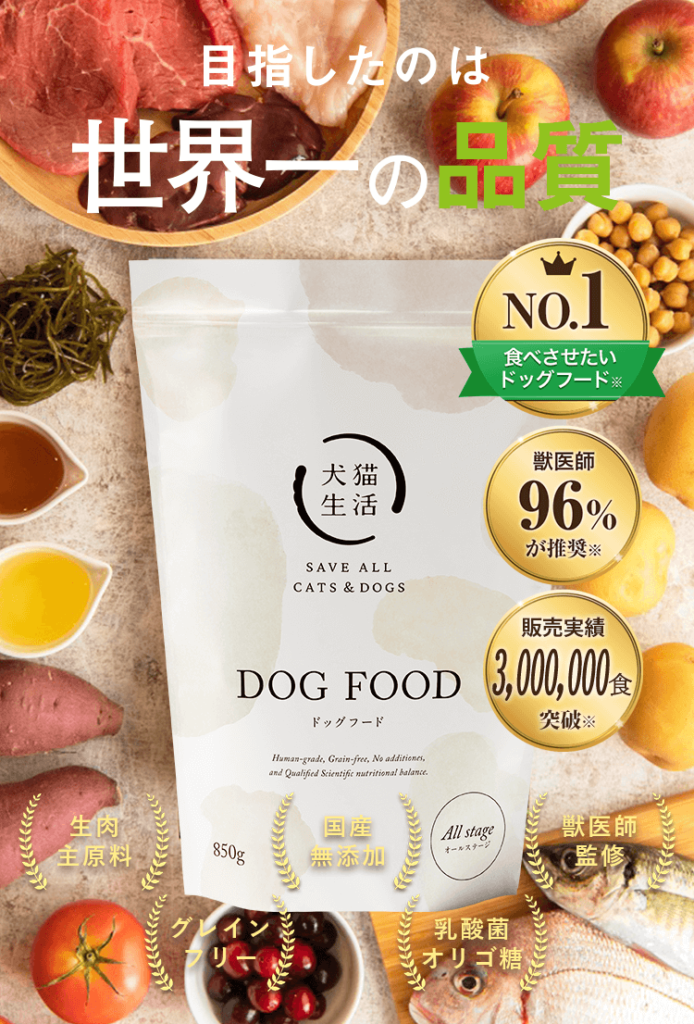
Source: Legalier
Regalier is a low-fat dog food made with an eye on small, indoor dogs weighing under 10kg.
Made with four types of raw meat, it's additive-free, oil-free, and grain-free, making it safe for pets with allergies.
The nutritional information for Regalier is summarized below.
▼Regalié
| Product Name | Main Ingredients | Protein (per 100g) | Calories (per 100g) | Fat |
|---|---|---|---|---|
| Regali | Raw chicken and beef, chicken liver, and fish: 60% | 28% | 347Kcal | 10% |
Summary
The reasons for choosing low-fat dog food vary depending on your dog's condition and your personal preferences.
If you're considering low-fat dog food due to an illness such as pancreatitis, it's important to follow your veterinarian's instructions first.
To maintain your dog's health, don't choose dog food simply because it's low-fat. The quality of the dog food is also important for your dog's health, including ensuring it's rich in high-quality protein and free of unnecessary additives.
First, carefully check the dog food packaging to choose a nutritionally balanced, safe dog food that you can feed your dog with peace of mind.




![[Small dogs are very popular] Survey on cute dog rankings](https://with-my-dog.com/wp-content/uploads/2022/07/image4-26-150x150.jpg)


![[Dog Allergies] Do dogs have allergies? Explaining safe foods!](https://with-my-dog.com/wp-content/uploads/2021/10/3029373_m-150x150.jpg)







![[Dog Diet] How to Adjust Your Diet? Introducing Healthy Foods](https://with-my-dog.com/wp-content/uploads/2022/08/image4-e1660552565726-300x191.jpg)