
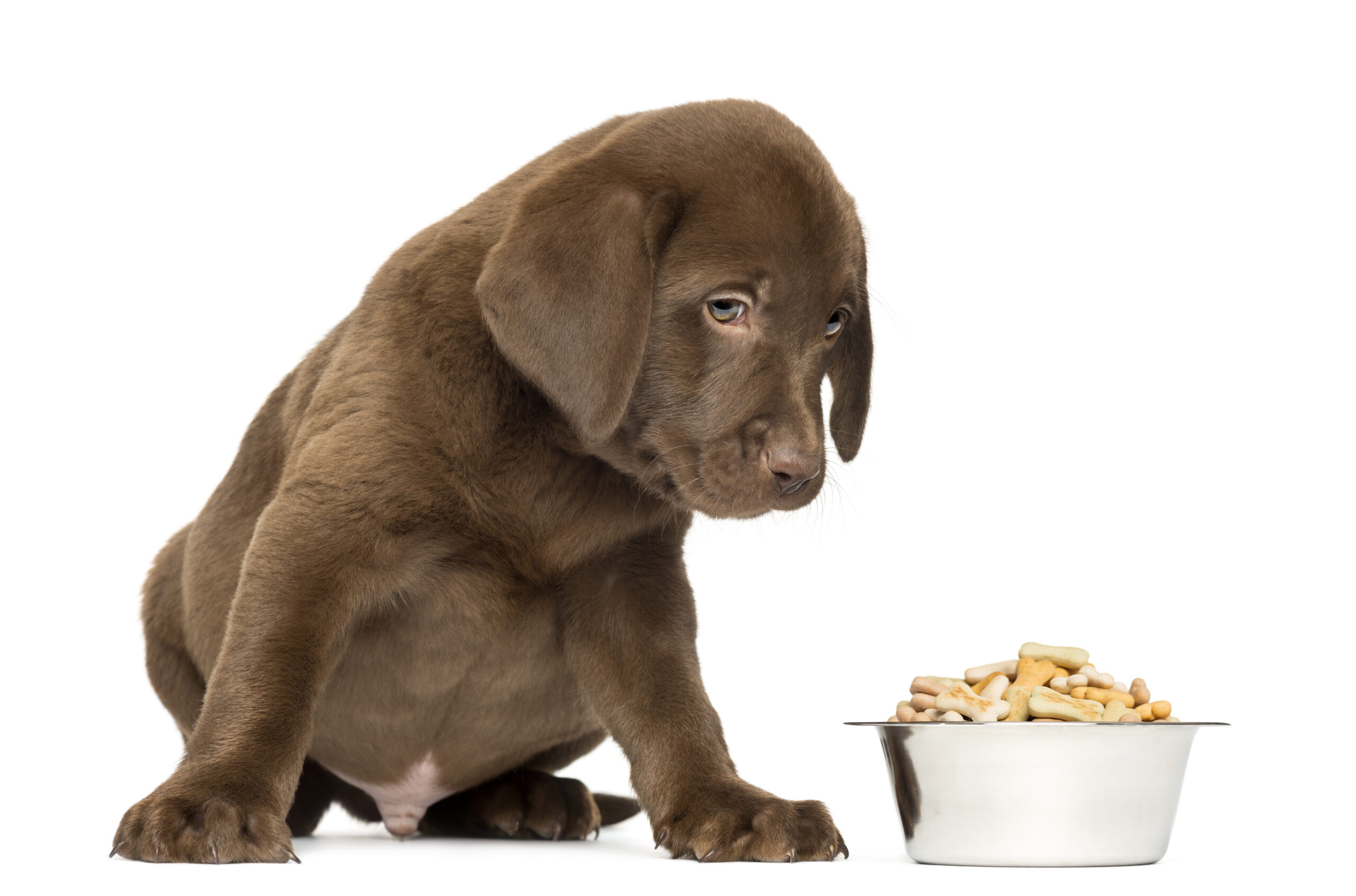
Has your dog recently become ill immediately after eating?
Like humans, dogs can suffer from allergies, most often caused by food.
Here's what happens when a dog develops an allergy and which foods are most likely to cause allergies!
Dog Allergy Symptoms

Redness around the mouth, ears, and eyes
The mucous membranes may become red, scratch frequently, and in severe cases, develop sores.
Ingestion or contact with the substance can cause the skin to become red and itchy. Frequent scratching under certain conditions is cause for concern.
Diarrhea and Vomiting
If your dog is vomiting or vomiting after meals, there may be a problem with the dog's usual food. If you recently changed its food, it may simply be that it's being surprised by the unfamiliar food. When transitioning food, mix a small amount of the new food into the old food and gradually increase the amount of new food each day to minimize stress.
Runny nose and sneezing
This symptom is often caused by pollen and PM2.5, but it seems to be triggered by food as well.
Dandruff
Dandruff is more likely to occur due to frequent scratching caused by an allergic reaction. If your dog suddenly starts to develop dandruff even though it normally doesn't, be aware that it may be an allergy.
In dogs, allergies are most often caused by the dog food they regularly eat.
It is said that 40% of dogs have food allergies. Symptoms can be triggered by multiple factors (house dust, pollen), stress from environmental changes, or even a slight weakening of the immune system.
It's difficult to prevent everything, but it seems possible to prevent one of them.
Most of the foods in dog food are actually!!
The truth is, most of the foods in dog food are prone to allergies...
Beef
Beef is the meat most likely to cause allergies. Even those who regularly feed their pet a beef-based diet may suddenly develop symptoms. If your pet's body becomes red or itchy, immediately discontinue feeding it.
Chicken
This is also a meat that can cause allergies. While it is a recommended food because it's high in protein and improves coat shine, if your pet develops an allergic reaction, discontinue feeding it immediately.
Lamb
Although few foods contain lamb, many dogs are allergic to it. If your dog shows symptoms such as an upset stomach after eating this treat, change the food.
Wheat
This is a common allergy in humans. Proteins called grains are often the cause of allergies. In this case, simply looking for a grain-free food makes food transition relatively easy.
There are likely several others, but these four seem to be the most commonly mentioned.
Dog Food with Allergies
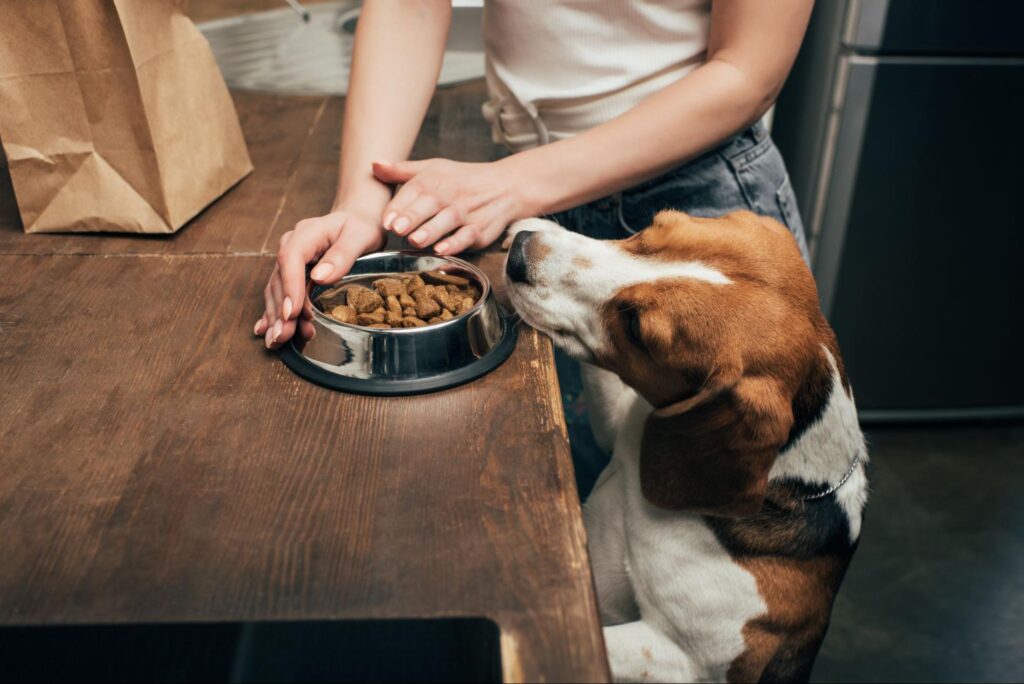
The basic approach for allergic dogs is to eliminate foods that cause allergies and suppress the allergy.
Even if you're following a diet that eliminates allergens, continuing the same type of food can cause it to become an allergen again. Therefore, it's a good idea to change the protein source and carbohydrate type every two to three weeks.
You can also purchase allergen-free food from veterinary clinics.
Venison and grain-free foods are available, so it's a good idea to try feeding them and see how they respond. If the condition persists, there may be a problem with the environment or the food itself.
Foods with many additives put a strain on the organs and are more likely to cause allergies. Choose foods with as few artificial colors and additives as possible. If this is difficult, making your dog's food at home may be a good idea.
There are only a limited number of foods that should not be given to dogs, so just be careful about the ingredients!!
Allergic symptoms are often caused not by the ingredients themselves, but by the dog's resistance, stress, and other factors. Therefore, even if a dog is allergic to several ingredients, many dogs continue to eat foods within their body's tolerance range without experiencing any allergic reactions, and they may not even know they have an allergy.
Pay attention to stress and resistance on a daily basis

Food, stress, and a weakened immune system often cause allergic reactions.
Environmental change is also a form of stress. It seems that allergic reactions can occur after moving.
When it comes to immune systems, the key is to ensure your pet has a balanced diet, exercise, and enough sleep.
A balanced diet is important, as it ensures your pet is getting the nutrients it needs based on its age and weight. It may be a good idea to consult your doctor about this.
Regarding exercise, regular walks are the main focus. However, it's not necessarily better to walk frequently; improving the quality of each walk is more effective. Dogs' skeletal structure makes stairs unsuitable for them, so it's a good idea to include gentle slopes in your walking route.
It's very important to create an environment that's comfortable for your dog. Choose the temperature, humidity, and bedding that your dog likes.
Summary
- As many as 40% of dogs suffer from allergies.
- Change the type of food every 2-3 weeks.
- Take care not to stress your dog.
- Make sure to balance sleep, exercise, and diet.
If a dog that normally shows no allergy symptoms suddenly develops symptoms, it is very likely due to a weakened immune system or stress. In such cases, review their daily sleep, exercise, and diet to identify and address the cause of stress.
Allergy testing is available at hospitals, so if you're worried about allergies, it might be a good idea to get tested in advance.
That's all about dog allergies.











![[Dog Earwax] Detailed explanation of Malassezia and ear cleaning](https://with-my-dog.com/wp-content/uploads/2021/10/girl-gf2eb2c5be_1920-300x200.jpg)