

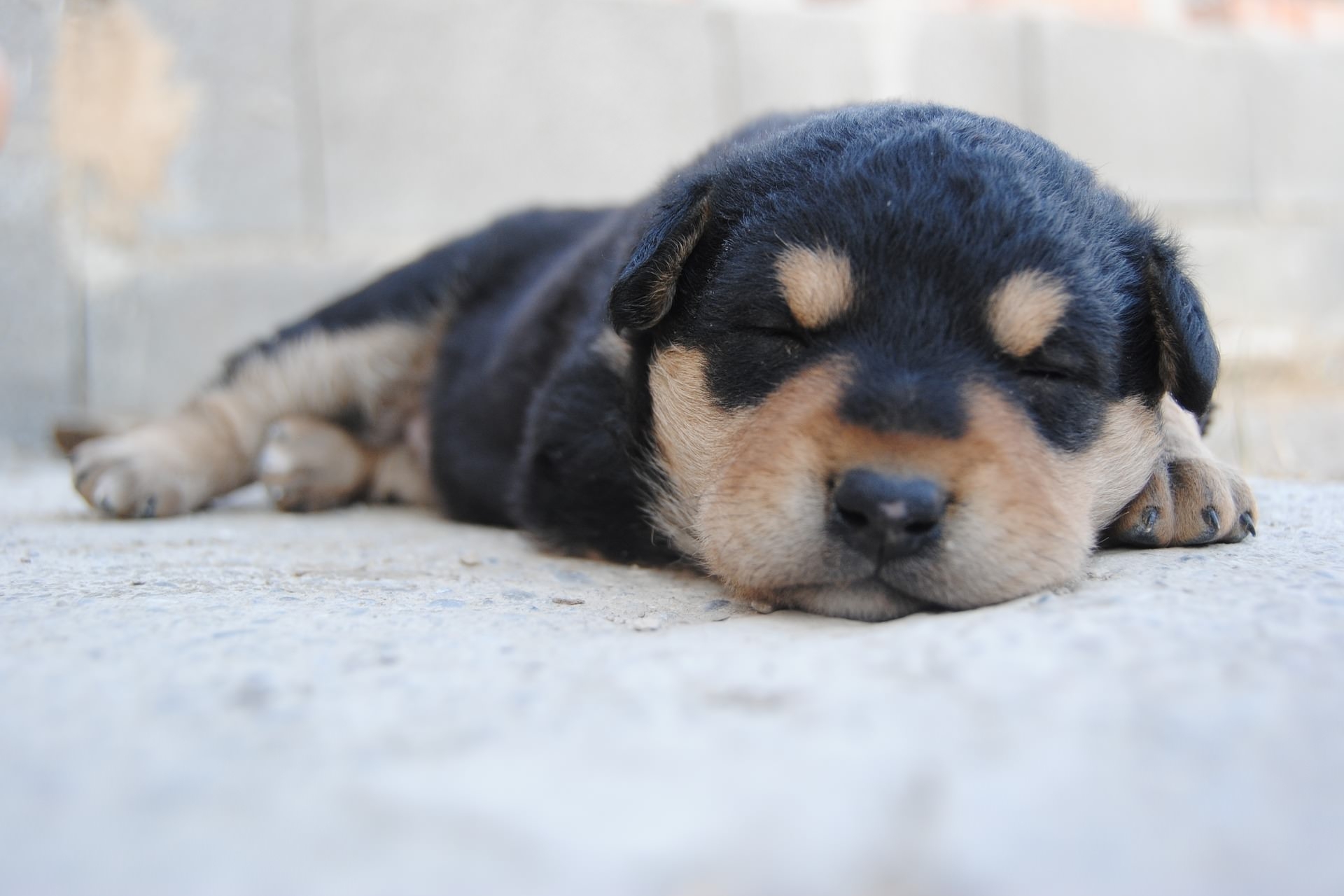
Hello dog lovers!
How are you all doing?
I hope the cold winter will soon be over and spring will arrive♪
What will you do when spring arrives?
- Go on a trip with your dog
- Picnic together
- Cherry blossom viewing together!
There are so many things to look forward to in spring! ♪
Of course, there are fun things to do in winter, like frolicking in the snow or relaxing under a kotatsu, but it's also exciting when the weather warms up! ♪
When it gets warmer, you can work up a sweat and enjoy some good exercise! !
I think something like this would be great. However, there's a catch...
This time, we're talking about "scabs," which can cause heat rash and itching when the weather gets warmer!
Have you ever noticed scabs on your dog's ears?
The causes vary depending on the location. If they appear near the base of the ear, they could be due to self-inflicted injury or abrasions, while if they appear on the tip of the ear, they could be due to vascular disorders. The possible causes vary depending on the location.
Now, let's explain the causes and treatments for scabs you may have heard of!
There are three main types of injuries around the ears.
There are three types: trauma, allergy, and inflammation. I'll explain each one below!
Let's start with trauma!
Scabs Due to Trauma
Just like in humans, scabs can form due to cuts, puncture wounds, contusions, abrasions, or dog-to-dog fights or bites. When blood vessels are damaged and exposed to the air, scabs form.
Trauma is also the most common cause of scabs in dogs.
Allergy Scab
The skin is a major organ where allergies occur in both dogs and humans. Allergies that appear on dogs' skin can be broadly divided into three types based on their cause:
- Atopic dermatitis...Caused by environmental allergens such as pollen and dust.
- Food allergy...Caused by proteins in food.
- Flea allergy dermatitis...Caused by proteins in flea feces.
When the skin becomes severely inflamed due to the above three allergic reactions, dogs experience intense itching and scratch their skin. As a result, the skin becomes sore, bleeding, and scabs form.
Atopic dermatitis and food allergies are characterized by the fact that they often affect various parts of the body, including the ears, eyes, around the mouth, neck, armpits, inside of the elbows, feet, and lower abdomen.
Flea allergy dermatitis often causes abnormalities on the back.
Inflammation
Furthermore, when inflammation occurs in a dog's skin, new blood vessels develop under the skin in certain areas, making it more susceptible to bleeding and scab formation.
A typical symptom of inflammation is "pyoderma."
Pyoderma is a bacterial skin infection in which tiny pus-filled pustules (pustules) on the skin burst and harden. It mainly occurs on the back, but it can also be accompanied by hair loss similar to alopecia areata, making it easy to identify.
How to prevent and treat scabs?

Let's start with some home remedies for dog scabs♪
The causes of scabs are diverse and varied, but the most common scabs are probably caused by trauma.
- Plan a walking route that won't injure your dog
- Protect the corners of low-hanging furniture
- Keep your dog out of the kitchen
By adjusting the environment, you can help your dog feel safe and prevent scabs from forming. ♪
If you find a scab on your dog, it's important not to force it to peel off. Use an Elizabethan collar, bandage, or adhesive bandage to prevent your dog from licking it.
Dogs may dislike wearing the earplugs, so do not force them to wear them and cause stress.
Also, if you are unable to determine the symptoms, you should immediately visit a vet for a diagnosis.
If you are in trouble, do not try to deal with the problem on your own, but get a proper professional opinion.
What are ear scabs?
As mentioned at the beginning, scabs can form in the ears due to poor circulation.
However, they can also be caused by a fungus called "Malassezia."
Symptoms of Malassezia include not only itching, but also burning and redness of the skin.
The most severe symptom is intense itching that spreads throughout the body. The initial symptom is often in the ears, where fungi are particularly likely to proliferate. Next, scratching the itchy ear with the front paws can spread the itching to the front paws, and so on, gradually spreading to a wider area.
In addition, earwax becomes sticky and emits a distinctive, sour, black odor.
If it becomes chronic, it can cause skin darkening and hair loss.
There are three causes of Malassezia infection.
- When stress, environmental changes, or other abnormalities increase sebum secretion, the sebum that Malassezia feeds on increases, leading to an increase in the fungus's production. The proliferation of Malassezia fungi leads to further allergic reactions, creating a vicious cycle of further proliferation.
- Another cause is a weakened skin defense due to atopic dermatitis or other skin conditions.
- Finally, exposure to sweat and humidity, which favor the proliferation of bacteria, can lead to abnormal proliferation of bacteria present in the body.
Prevent Malassezia fungi by thoroughly addressing the cause!
Finally

Thank you for reading!
This time, we talked about itchy ears in dogs, which is somewhat related to the "otitis externa" we previously introduced...
Moisture in the ears can be a breeding ground for bacteria!
The best way to keep your dog's ears clean is to clean them regularly.
See you next time!♪








![[Dog Baths] Explaining the optimal frequency and how to bathe your dog!](https://with-my-dog.com/wp-content/uploads/2021/10/22107314_m-150x150.jpg)












![Want to see cute dog photos? A collection of popular sites [including free stock images]](https://with-my-dog.com/wp-content/uploads/2022/07/image4-11-300x200.jpg)