
The average lifespan of a dog these days is a whopping 14 years!
Thanks to advances in quality food and medical technology, dog lifespans are increasing. It's always nice to know that even a small increase in your family's lifespan is a blessing.
Even though lifespans may be longer, aging cannot be stopped. Dogs, like humans, can develop dementia. The longer they live, the higher the chances...
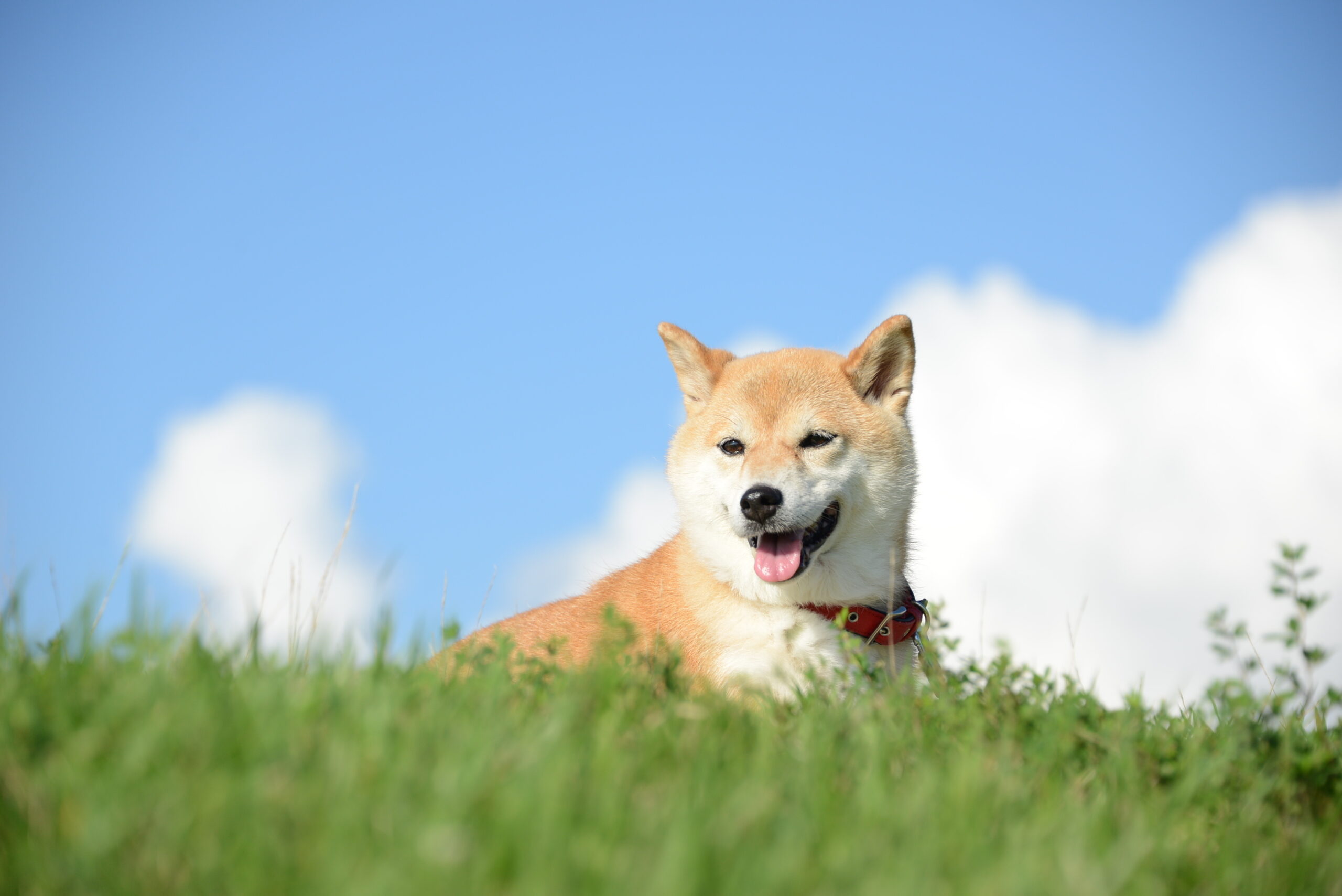
Shiba Inu dogs, known for their long lifespans, are often mentioned when talking about canine dementia.
It seems that Shiba Inus and other Japanese dog breeds are prone to dementia.
I'd like to introduce the early symptoms of dementia and what you can do to prevent it.
Early Symptoms of Dementia in Shiba Inu Dogs

- Having toilet accidents
- Sleeping during the day and crying at night
- Paces the same spot for a long time
- Becoming irritable and aggressive
- Increased spacing out
If your pet is elderly and exhibits any of these symptoms, it's recommended that you see a doctor as soon as possible. While treatment is difficult, supplements and tranquilizers can be prescribed to alleviate the symptoms.
Japanese dog breeds, such as Shiba Inu, are said to be prone to dementia for evolutionary biological reasons.
Japanese dog breeds, while rare among dog breeds from other countries, have a history of eating a lot of fish. Therefore, fish is an extremely important nutrient.
Since very few general dog foods contain fish, it's believed that these breeds are prone to dementia because they are unable to obtain the necessary nutrients from their regular diet.
Testing Methods at Hospitals

The general examination method involves checking for symptoms using dementia check guidelines or checklists prepared by each veterinarian.
It seems that head CT scans are not performed suddenly; diagnosis is generally based on guidelines and checklists. A head CT scan requires general anesthesia, and it is not performed unless there is a serious brain problem, such as a brain tumor.
How to prevent dementia

While it's difficult to completely prevent dementia, providing appropriate brain stimulation is known to be an effective preventative measure.
What are the main things you can do? Just do small everyday things.
For example,
- Go for walks
- Use new toys
- Play games together
- Let your dog play with other dogs
And so on.
Giving your dog new experiences stimulates its brain, which can also be a preventative measure.
A simple and recommended game to play together is the "guess the treat" game.
First, show your dog a treat in your hand, then hold it and let it sniff your hand, asking it to guess the hand containing the treat. If it hits the target, praise it profusely and give it a treat. This is highly recommended, as it creates a great environment for the dog's brain to think and be praised.
All you need is some snacks. It's easy to make anytime, so please give it a try.
What to Do If You Have Dementia
If your dog is diagnosed with dementia at the hospital, you may be worried about how to deal with it. Here are some common concerns about canine dementia.
① Meals
When a dog develops dementia, it may forget that it has eaten. As a result, it may start barking immediately after eating, demanding food. In this case, it is recommended to reduce the amount of food given at one time and feed it multiple times.
② Injuries
They might hit their head on a wall, or they might get stuck in a tight space and be unable to back up... To prevent this, it's a good idea to provide a larger playpen or something similar.
③ Meowing at night
Meowing at night can be a real pain for pet owners, too.
To prevent your dog's day-night cycle from being reversed, allow it plenty of sun exposure during the day. If possible, wake it up and play with it if it's napping, so that it can sleep at night.
④ Toilet
It's inevitable that your dog will not know where the toilet is or will have an accident. A good solution is to use dog diapers. Some dogs only want to go to the toilet outside, but if their legs become weak, it can be difficult to take them outside. Therefore, it's best to train them to use the toilet on a pet sheet indoors while they're still healthy.
It's not good for dogs to just leave their owners alone because they have dementia.
Treat your dog as usual and provide appropriate stimulation. They may not like going for walks, but even simply putting them in a stroller and letting them see the scenery outside can be effective.
Summary
Japanese dog breeds, such as Shiba Inu, are said to be prone to dementia for evolutionary biological reasons.
Early symptoms of dementia in dogs
- Having toilet accidents
- Sleeping during the day and barking at night
- Pace-walking in the same place for long periods
- Becoming irritable or aggressive
- Increased spacing out
If you suspect your dog may have dementia, have it checked at a hospital.
The general testing method is to check for symptoms using dementia check guidelines or checklists prepared by each veterinarian.
When a dog develops dementia, it may start demanding food even after just eating, injure itself against walls or in narrow spaces, or cry uncontrollably at night.
Dividing meals into several meals, providing a large playpen to prevent injury, and taking other precautions can make these safer and less stressful for both the dog and you. Please give them a try.
That's all about dementia in dogs.






![[Photos] Want to see cute lion-dog statues? Check out these popular shrines](https://with-my-dog.com/wp-content/uploads/2022/07/pexels-markus-distelrath-2832119-150x150.jpg)










![Dog Names! [Female]](https://with-my-dog.com/wp-content/uploads/2022/07/image2-43-300x217.jpg)