

If your dog's body is red and has acne or other skin problems, it's likely suffering from a skin disease called pyoderma.
Dogs of all breeds are prone to pyoderma, so there's no need to panic.
It's important to understand the cause and take preventative measures.
We'll also introduce recommended shampoos to use if your dog develops pyoderma, so please read on!
Causes of pyoderma
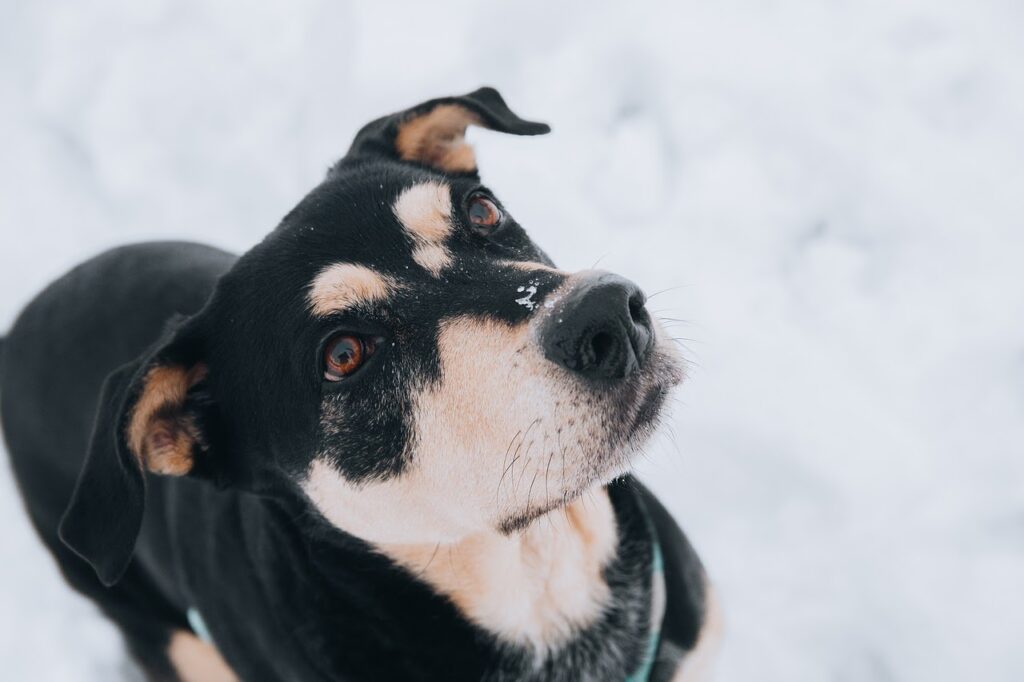
Pyoderma is a superficial bacterial infection that affects the pores and surrounding skin.
As the name suggests, it is a disease in which the skin puss. What causes pyoderma?
Foreign objects, such as grass seeds, that have gotten under the skin
When walking through grass, small seeds can get lodged in the skin.
・Trauma
Bites, cuts, and scrapes. Scratching them with dirty feet can cause them to become infected.
・Fleas and ticks
Insect bites can cause itching, and scratching them can cause them to become infected, just like a wound.
Other causes can include food allergies, hormonal disorders such as hypothyroidism, and autoimmune disorders.
Symptoms of Pyoderma

Symptoms vary, but common areas include skin creases, the chin, lips, and between the fingers.
Sometimes the itching is intense, while other times it's not that different from normal. If you notice any of these symptoms, you might need to be careful.
- Red bumps
- Pimples
- Dry skin
- Hair loss
- Skin discoloration
- Excessive dandruff
Pyoderma generally only causes itchy skin, and the patient is otherwise healthy.
Examination and Treatment Methods for Pyoderma

Basically, samples are taken from areas suspected to be infected with pyoderma to check for bacteria, mites, etc. Unexpected blood tests are rarely performed.
Treatment for pyoderma varies depending on the cause. If the cause is bacteria, treatment involves topical ointments and medicated shampoos. In some cases, oral or injected antibiotics may be administered.
Treatment can be difficult if the cause is congenital or if the bacteria are drug-resistant.
The treatment period is approximately 1-2 months. Recurrence may occur during this time. It can be quite a hassle, as frequent shampooing is required.
Recommended Shampoos for Pyoderma

To treat pyoderma, a medicated shampoo containing an ingredient called "chlorhexidine" is commonly used.
Shampoo your pet once or twice a week. Significant improvement should be seen after four weeks of use.
Once the condition improves, switch to a moisturizing shampoo.
This shampooing treatment may worsen the condition depending on the pet's skin condition, so be sure to follow your veterinarian's instructions.
Fujita Pharmaceutical Medicated Chlorhexidine Acetate Shampoo for Dogs and Cats 250g [Dog] | Online Shopping (ugpet.com)
"Medicated Chlorhexidine Acetate Shampoo is a shampoo for both dogs and cats that is effective in cleaning the skin and coat, as well as disinfecting and deodorizing. It contains chlorhexidine, the most commonly prescribed formula at veterinary clinics. It has a wide range of uses. Chlorhexidine is a phenolic disinfectant with broad antibacterial properties against bacteria, fungi, and viruses. It has low toxicity and irritation, and is effective even at low concentrations. It is typically used at 0.5% for common bacteria. It is also highly safe and maintains its effectiveness for a long time.
https://www.ugpet.com/fujita-chlorhexidine-shampoo/g_50853/
This shampoo is highly recommended because it is inexpensive and can be purchased individually without going to the veterinary clinic!
We have not found any other commercially available shampoos containing chlorhexidine. If you want to use a different shampoo, you may have to purchase it at a veterinary clinic.
How to Shampoo

Daily shampooing is also very important.
① Wet the entire body with lukewarm water.
The water should be about body temperature. Hot water can dry out the skin and fur.
② Lather the shampoo well.
Applying shampoo directly to the skin or fur without lathering it is strongly discouraged. This can further irritate the skin and cause hair loss.
③ Gently pat the shampoo into the skin.
The foam absorbs dirt, so it's said to be more effective than washing with detergent directly. The foam acts as a cushion, preventing irritation even on dogs with severe itching or pain.
④ Rinse the shampoo thoroughly and carefully.
Rinse thoroughly to remove all residue. If residue is left behind, it can cause irritation, so be careful. Be especially careful in wrinkled areas, as residue is more likely to remain!
⑤ Dry thoroughly with a soft towel and hair dryer.
Use an absorbent towel (such as a microfiber cloth) to wipe off excess moisture while drying. If you hold the hair dryer too close or in the same place, it may get too hot and cause burns. Hold your hand over the dryer and adjust the temperature to avoid excessive heat.
Summary
Treatment for pyoderma varies depending on the cause. If the cause is bacterial, treatment involves topical ointments and medicated shampoos. In some cases, oral or injected antibiotics may be administered. Congenital causes or drug-resistant bacteria can make treatment difficult.
The treatment period is approximately 1-2 months. Recurrence may occur during this time.
That concludes our discussion of pyoderma in dogs. It can be very worrying because it shows up clearly on the skin, but it's a common skin condition in dogs, so don't panic or panic, and treat it appropriately!
I hope this information is helpful!









![[Additive-free is popular] 5 recommended Japanese dog foods!](https://with-my-dog.com/wp-content/uploads/2022/07/image4-7-150x150.png)