Is it okay to leave my dog alone after spaying or neutering? Here are some precautions and care methods

Some owners may notice a change in their dog's behavior after spaying or neutering.
- Why did their behavior change after surgery?
- What kind of care should I give them after surgery?
- Can I take them for walks?
- Can I leave them at home alone?
Please be aware of these and other important points.
Changes After Spaying Your Dog
After spaying or neutering, dogs experience two main changes: weight gain and personality changes.
Weight Gain
Spaying or neutering your pet stops the secretion of sex hormones, which reduces activity and lowers its basal metabolic rate.
This makes them more susceptible to obesity. If you continue to feed them the same amount of food as before surgery, they may continue to gain weight.
Once they gain weight, dieting becomes very difficult, and obesity can make them more susceptible to illnesses such as diabetes and cystitis.
Therefore, after surgery, be sure to carefully adjust your dog's food and exercise intake.
Changes in Personality
It is often said that after neutering, dogs become calmer than before surgery.
This is said to be due to changes in sex hormone secretion, which relieves them from heat and weakens their territorial instincts.
The same is true for spaying and neutering, and it seems that previously timid pets can become more affectionate.
Precautions after Spaying or Neutering Your Dog
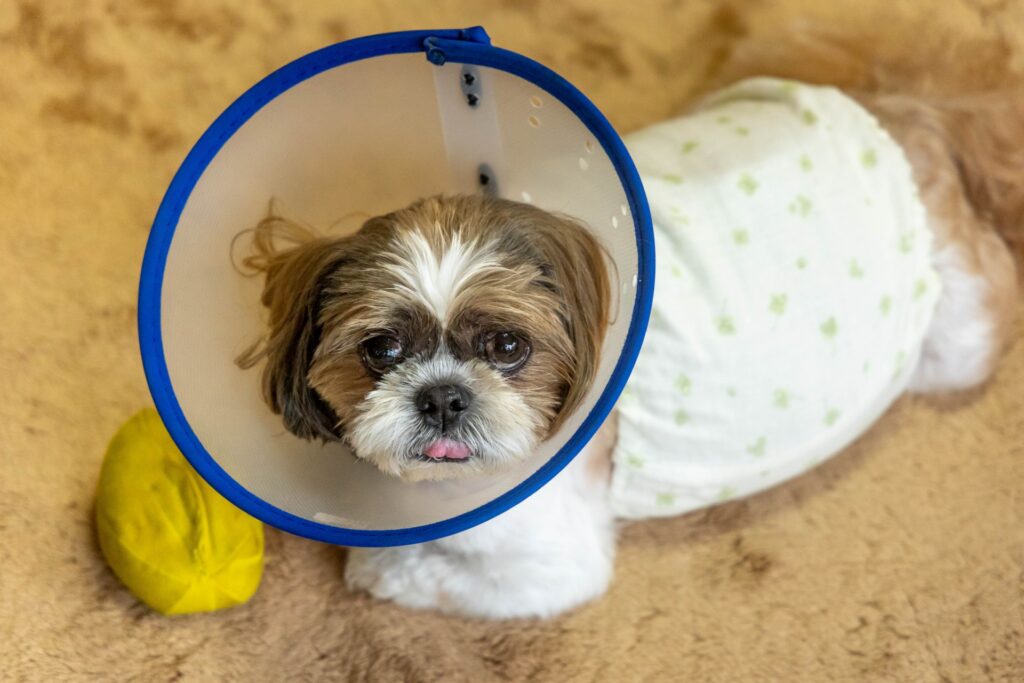
Spamming and neutering surgery takes approximately 1-2 hours.
Depending on the hospital, some surgeries are same-day procedures, while others require an overnight stay at the veterinary hospital.
After surgery, the first thing you should do is warmly welcome your beloved dog back home, as they may have felt lonely and unfamiliar in an unfamiliar environment. Here are some important things to keep in mind after surgery.
Treat your dog as usual
After surgery, it's a no-no for owners to immediately start fussing about their dog, asking questions like, "Was it painful?!" or "Was it scary?!" If you look, act, or speak with a worried expression, your dog will sense your anxiety and fall into a negative spiral.
Suppress your worries and warmly welcome your dog with your usual enthusiasm. Your dog will feel reassured when you behave normally.
Observe Your Dog Carefully
Dogs who have undergone surgery under general anesthesia may lose their appetite due to shock and stress. First, make sure they are relaxed at home.
Since your dog has also suffered some physical damage, avoid excessive attention and instead gently pet them and keep a watchful eye on them.
If your pet is still lethargic the next day, refusing to eat, or showing any other unusual behavior, contact a veterinarian and ask for their advice.
Pay Attention to Weight Gain
Spaying or neutering your pet stops the production of sex hormones, which reduces activity and lowers its basal metabolic rate. This makes it more susceptible to obesity. If you continue to feed your pet the same amount of food as before surgery, your pet may gain weight rapidly.
Once a dog gains weight, it's very difficult to lose weight, and obesity can make them more susceptible to various illnesses. Therefore, after surgery, it's important to monitor your dog's weight and appearance more carefully than ever.
Prevent your dog from licking the surgical scar
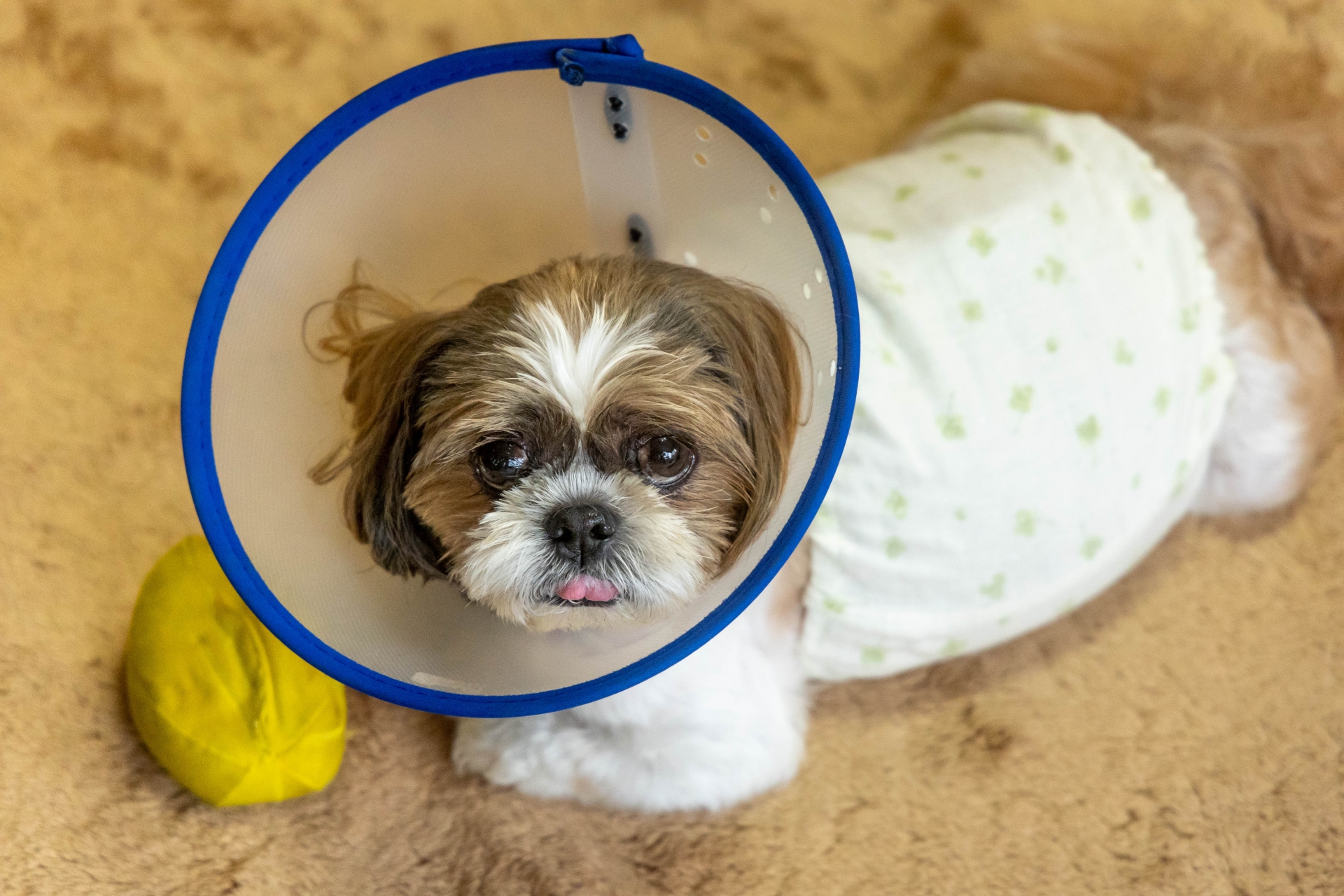
After spaying or neutering surgery, dogs may lick the wound out of concern. This can lead to infection or the dog may chew through the stitches, causing the wound to reopen. Therefore, it's important to use an Elizabethan collar until the stitches are removed.
An Elizabethan collar is a device used to prevent dogs from licking or scratching the affected area. It resembles a frilled lizard with a large collar around its neck.
An Elizabethan collar prevents dogs from reaching the affected area with their mouths or paws, speeding up healing.
When to Shampoo, etc.
It is best to shampoo your dog 2-3 days after the stitches are removed.
Avoid getting the affected area wet as much as possible. Avoid showering and only wipe the area other than the wound with a wet towel.
Even if your pet has had surgery that doesn't require stitches to be removed, it's best to ask your veterinarian for instructions on when to shampoo your pet. Don't make your own decisions.
Precautions from After Surgery to Tooth Extraction

Do not get the wound wet
Shampoo your pet the day before surgery and avoid going out on rainy days
Do not let your pet lick the wound
There is a risk that bacteria in saliva may enter the wound and cause it to become infected
Avoid putting stress on the wound
Adjust the amount of exercise to avoid putting stress on the wound
Post-Spay/Neutering Care
After your dog has undergone surgery, it's important for you to take good care of it.
Immediately after surgery, your dog will be physically and mentally exhausted. Some dogs may even lose their appetite due to shock, believing they've been left at the vet's office.
Don't be overly nervous, saying things like, "That hurts!" or "Don't be scared!"
If you look, act, or speak with a worried expression, your dog will sense your anxiety. Avoid any behavior or comments that may cause anxiety, and continue to act as usual. Your dog will feel reassured if you behave normally, as usual.
Once you return home, monitor your dog's diet and help it recover. If your dog has a favorite food or treat, using it to calm him down is one way to help.
However, after surgery, stress can cause a decrease in appetite, so adjust the amount and timing of meals based on your dog's appetite and physical condition. If your dog's condition or appetite does not improve by the next day, contact your veterinarian immediately.
Make a good impression at the veterinary clinic!
Some dogs may develop a fear of the veterinary clinic after surgery. Of course, this varies from dog to dog, and some dogs are fine, but some are certainly frightened.
This can make every visit stressful, making it difficult to maintain your dog's health. In such cases, why not include a stop at the veterinary clinic on your dog's usual walking route, give him a treat in front of the clinic, and combine your dog's favorite walk with a treat? It may take a little time, but it may help change your dog's impression of the veterinary clinic.
When can I start taking my dog for walks?
Veterins often have different opinions on when walks are appropriate, but the common advice is to avoid strenuous exercise and avoid going if the weather is bad.
Strong exercise can cause wounds to reopen and intensify pain, and bad weather can cause the wound to become infected with dirt. If your pet insists on going for walks or only defecates outside, consult your veterinarian.
However, if the wound is healing slowly and the stitches have not been removed, excessive exercise may worsen the healing wound, so please refrain from exercising too much.
Until the stitches are removed, help your pet relieve stress by playing around the house in a way that doesn't put strain on the wound.
Is it okay to leave your dog at home alone?
If the postoperative progress is going well, you can leave your dog at home alone and go out two days later. Each dog is different, so please observe your dog's condition closely after surgery and decide whether it's okay to leave your dog at home alone.
If you're still worried, you can discuss your schedule with your family or hire a pet sitter.
Summary
It's normal for your dog to experience some changes after spaying or neutering.
It's a good idea for owners to understand what to expect and prepare in advance.
Get your family and your veterinarian involved to help your dog return to normal life as soon as possible after surgery.