

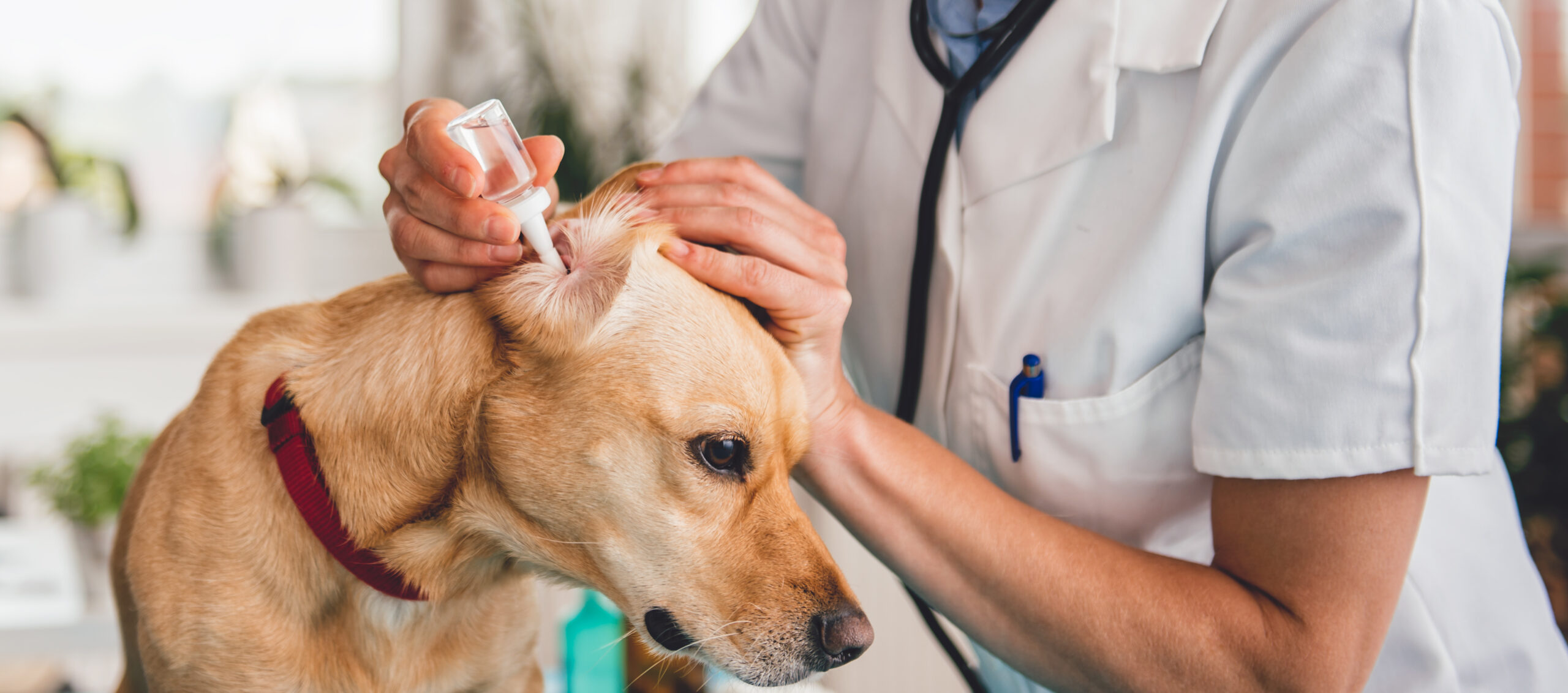
"My dog's ears are redder than usual."
"There's earwax of an unusual color."
Have you noticed anything unusual when checking your dog's ears?
If your dog's ears are red or have a lot of earwax of an unfamiliar color, it could be otitis externa. Otitis externa is one of the common ear diseases dogs suffer from.
Among these ear diseases, Malassezia otitis externa is a common ear disease in dogs. Some people may not know what it is.
This article explains what Malassezia otitis externa is and why dogs are susceptible to it. If you're a concerned dog owner because your dog's ears seem out of the ordinary, be sure to read this article.
And if necessary, take your dog to the vet.
What is Malassezia otitis externa in dogs? What are the symptoms?

Malassezia is a type of fungus
Malassezia is a type of yeast fungus.
It is a type of mold and is a common flora present on the skin of healthy dogs without any problems.
Unlike well-known molds, it does not normally cause any harm.
For this reason, Malassezia is considered a good fungus.
However, if a dog's ears become unsanitary, Malassezia will overgrow abnormally.
The abnormal growth of Malassezia causes large amounts of dark brown to black earwax, which causes otitis externa.
The inside of the ear secretes sebum, which serves as a nutrient source for Malassezia. Therefore, if the ears are not kept clean, it becomes an environment conducive to Malassezia proliferation.
For this reason, regularly check your dog's ears to keep them clean.
Symptoms
When a dog suffers from Malassezia otitis externa, the following symptoms may be observed:
- Excessive dark brown to black earwax
- Inflammation inside the ear
- Severe itching
- Ear hair loss
- Foul odor from the ear
- Dysresponsiveness to sound
- Dog scratches its ears frequently
If your dog exhibits these symptoms, it may be suffering from Malassezia otitis externa.
To detect symptoms as early as possible, be sure to regularly check your dog's ears.
Ideally, you should be aware of your ears' normal condition and be able to immediately notice any abnormalities.
Why are dogs prone to Malassezia otitis externa?
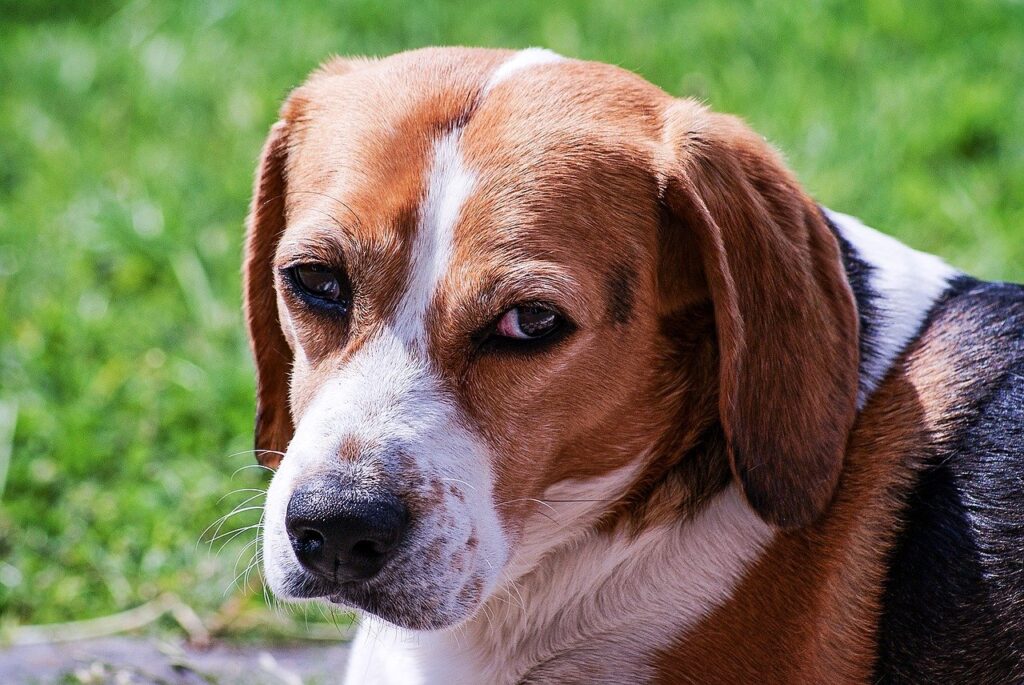
There are three possible reasons why dogs are prone to Malassezia otitis externa.
- Weakened skin immunity
- Prefers moisture
- Prefers lipids
Infected when skin immunity or condition is weakened
Malassezia often causes problems when skin immunity is weakened.
Dogs who scratch their ears frequently due to itching are more likely to develop Malassezia otitis externa because scratching can worsen their skin condition.
Dogs with allergies or atopic dermatitis are also more likely to develop the disease because their skin's immune system is weakened.
Dogs with endocrine disorders such as hypothyroidism are also more likely to develop Malassezia otitis externa because their immune system is weakened, not just on the skin's surface.
Dogs with weakened skin or immune systems are more susceptible to Malassezia otitis externa than dogs with healthy constitutions.
They Prefer Humidity
Moisture tends to accumulate in dogs' ears, which is also one of the causes of the condition.
Malassezia thrives in prolonged humid conditions.
For this reason, Malassezia otitis externa is said to be more likely to occur during the humid rainy season and summer.
However, in recent years, with the increase in indoor dog ownership, it is said that Malassezia otitis externa is more likely to occur in winter when indoor heating is used.
Leaving your dog's ears wet without thoroughly drying them after shampooing during grooming is also one factor that can make your dog more susceptible to Malassezia otitis externa.
There are also dog breeds whose ear structure makes them more susceptible to moisture buildup than other breeds.
These are dog breeds with floppy ears.
The following are examples of dog breeds with floppy ears:
- Toy Poodle
- Pug
- Beagle
- Maltese
- Border Collie
- Norfolk Terrier
In dogs with floppy ears, the ears close the ear canal like a flap, making it difficult for moisture to escape and making the ears prone to becoming stuffy.
As a result, it can be said that these breeds are more susceptible to Malassezia otitis externa than other breeds.
If you have a dog with droopy ears, be sure to regularly check their ears to protect them.
They Love Fat
Malassezia loves fat.
Therefore, when a dog's sebum secretion increases, Malassezia uses sebum as a nutrient and multiplies.
In particular, dogs with seborrheic dermatitis tend to produce a lot of sebum, so caution is required.
- Shih Tzu
- American Cocker Spaniel
- White Terrier
These breeds are genetically predisposed to a high number of sebaceous glands, making them prone to the proliferation of Malassezia.
To prevent excessive oil buildup in the ears, if you notice any dirt in your dog's ears, it's a good idea to wipe them clean with a soft cotton ball.
Can Malassezia Otitis Externa in Dogs Be Cured?
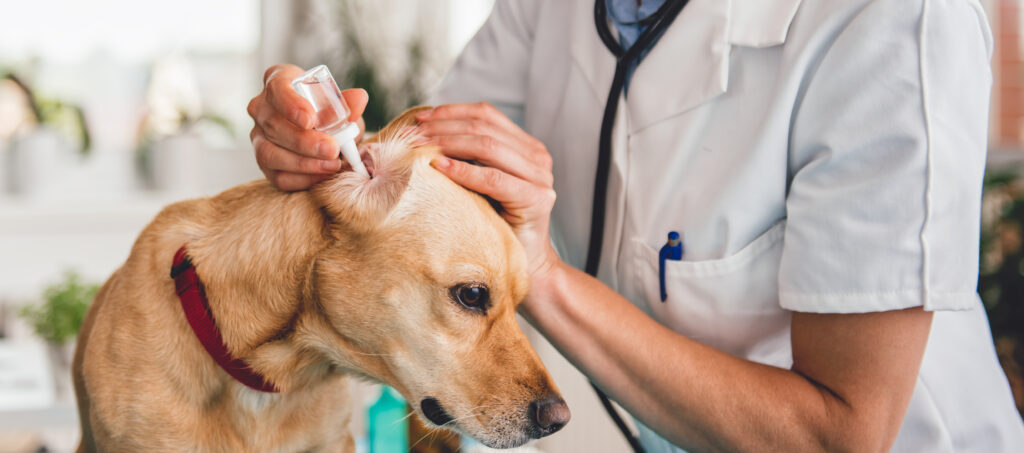
Malassezia otitis externa can be treated with ear irrigation and medication.
Ear irrigation involves regularly cleaning the inside of the ear with a medicated ear cleaner.
If the Malassezia population is abnormally high, antifungal ear drops should be used to reduce the Malassezia population.
Using antifungal ear drops for 2-4 weeks will reduce Malassezia.
In addition to antifungal ear drops, oral medication is often administered.
Treatment will be carried out in consultation with your veterinarian. However, if your dog has an underlying condition such as allergies, Malassezia otitis externa may recur if the underlying condition is not improved.
Therefore, if your dog has an underlying condition, it should be treated first.
Even if your dog has recovered, Malassezia otitis externa can relapse.
Even if your dog has recovered, don't neglect ear care and regularly check the condition.
Summary

We've explained the symptoms, treatment, and common causes of Malassezia otitis externa.
Malassezia otitis externa is a painful, persistent disease for dogs.
A dog's ears provide excellent hearing and help it express its emotions. Even slight ear problems can cause significant disruption to a dog's life.
Therefore, to prevent your dog from developing Malassezia otitis externa, it's important to prevent the disease from developing.
Regularly check your dog's ear health so you can immediately notice any abnormalities.
Early detection of abnormalities is important to prevent Malassezia otitis externa from becoming severe.
In particular, for breeds with droopy ears or seborrheic dermatitis, check their ears more frequently than other breeds.
It's a good idea to control your dog's skin condition based on its constitution.





![Dog diet [exercise]](https://with-my-dog.com/wp-content/uploads/2022/07/image2-37-150x150.jpg)








![[2022 Edition] What is the safest dog food? Survey of recommended popular products](https://with-my-dog.com/wp-content/uploads/2021/10/puppy-ged828c55e_1920-300x217.jpg)
![[Sheltie puppies] Check breeder information for baby dogs](https://with-my-dog.com/wp-content/uploads/2022/01/image1-300x199.jpg)